.png)
Iran internet blackout enters 30th day amid conflict
JournalismPakistan.com | Published: 30 March 2026 | JP Middle East Desk
Join our WhatsApp channel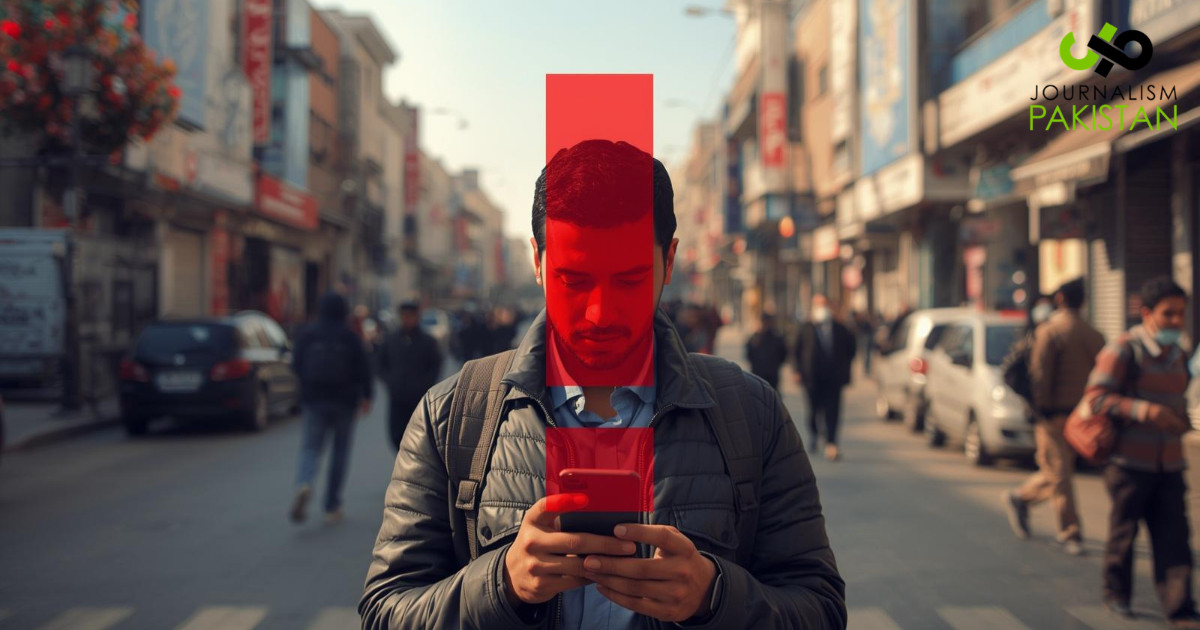
Iran's internet blackout has reached 30 days; NetBlocks reports sustained restrictions that sever access to global platforms while domestic intranet remains available, forcing independent journalists to use VPNs, messaging apps and diaspora contacts to report.Summary
TEHRAN — Iran’s nationwide internet blackout has reached its 30th consecutive day, leaving citizens and journalists largely cut off from global networks amid the ongoing U.S.-Israel-Iran conflict. Connectivity is reportedly limited to domestic intranet services and state-controlled platforms, forcing reporters to rely on VPNs, encrypted messaging, and diaspora contacts to share verified information.
Internet access restricted to local networks
Internet monitoring group NetBlocks confirmed that Iran’s digital shutdown has persisted for 30 days, marking one of the longest sustained blackouts in the country’s recent history. While essential domestic services remain online, access to the global internet continues to be heavily curtailed, limiting public discourse and the flow of independent news.
Journalists face severe reporting challenges
Independent journalists inside Iran are struggling to cover developments due to the restricted internet. With only state-approved platforms accessible domestically, reporters depend on encrypted messaging, VPNs, and contacts abroad to gather and verify news. This digital isolation heightens the influence of official sources and makes fact-checking more difficult amid ongoing military tensions.
Conflict backdrop and digital control
The blackout follows renewed hostilities involving U.S. and Israeli strikes on Iranian targets in late February. Analysts note that connectivity has remained near historic lows since then, continuing a pattern of prolonged internet suppression previously seen during domestic unrest. Iranian officials have offered minimal guidance on when normal internet service might resume.
WHY THIS MATTERS: The prolonged internet shutdown in Iran highlights the vulnerability of press freedom under conflict conditions. Pakistani media professionals can learn the importance of developing remote verification methods, leveraging diaspora networks, and maintaining digital resilience strategies to continue reporting under restricted connectivity environments.
ATTRIBUTION: Information cited from AFP (March 29, 2026).
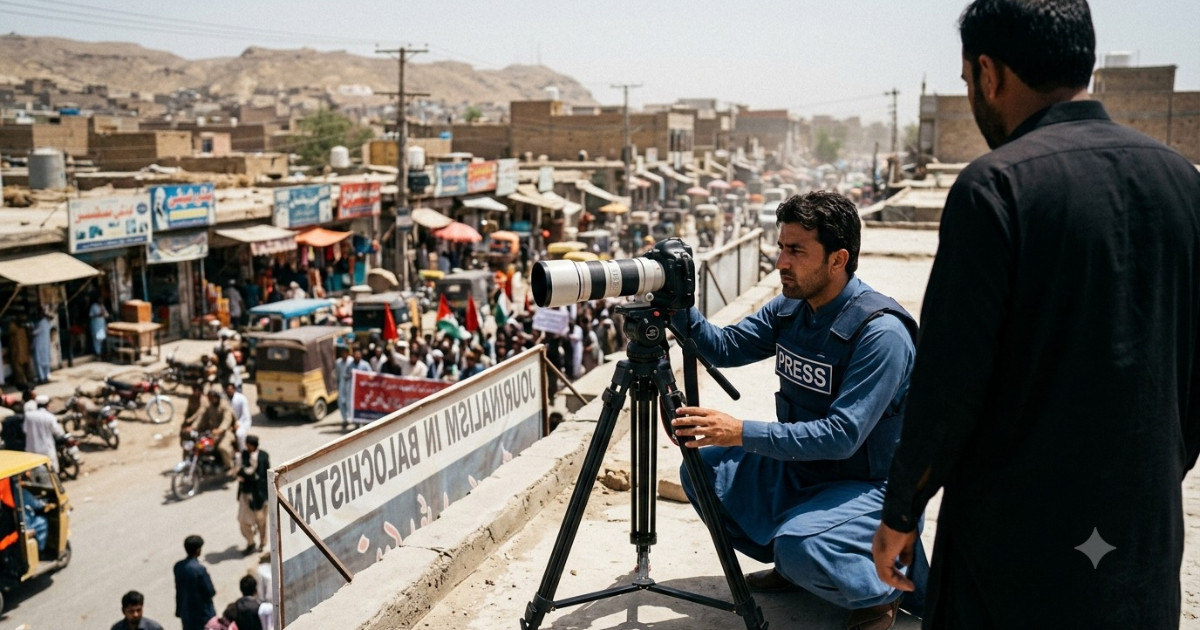
PHOTO: AI-generated; for illustrative purposes only.
Key Points
- NetBlocks confirms Iran's nationwide digital shutdown has persisted for 30 days.
- Access to global internet platforms is heavily restricted; domestic intranet and state platforms remain online.
- Independent journalists face reporting challenges and increasingly rely on VPNs, messaging apps and foreign contacts.
- Digital isolation amplifies the influence of official sources and complicates independent verification amid conflict.
- The blackout follows renewed hostilities involving U.S. and Israeli strikes and mirrors prior prolonged internet suppressions.
Key Questions & Answers
How long has the internet blackout lasted?
NetBlocks reports the nationwide digital shutdown has reached its 30th consecutive day.
Can people still access any online services?
Domestic intranet services and state-controlled platforms remain available, while access to the global internet is heavily curtailed.
How are journalists reporting under the blackout?
Reporters rely on VPNs, messaging apps and contacts abroad to gather and verify information; this increases obstacles to independent reporting.
What triggered the sustained restrictions?
The blackout followed renewed hostilities and strikes in late February; analysts link the sustained low connectivity to the conflict and patterns of prior suppression.
Relevant Topics
Ask AI: Understand this story your way
AI EnabledDig deeper, ask anything — get instant context, background, and clarity.
Disclaimer: This feature is powered by AI and is intended to help readers explore and understand news stories more easily. While we strive for accuracy, AI-generated responses may occasionally be incomplete or reflect limitations in the underlying model. This feature does not represent the editorial views of JournalismPakistan. For our full, verified reporting, please refer to the original article.