
Judge questions Pentagon over 'weird' press rules after court order
JournalismPakistan.com | Published: 30 March 2026 | JP Global Monitoring
Join our WhatsApp channel
A federal judge pressed the Department of Defense over a press access policy, calling elements 'weird' and questioning whether mandatory escorts, limits on anonymous sourcing and closure of the Correspondents' Corridor comply with his earlier court ruling.Summary
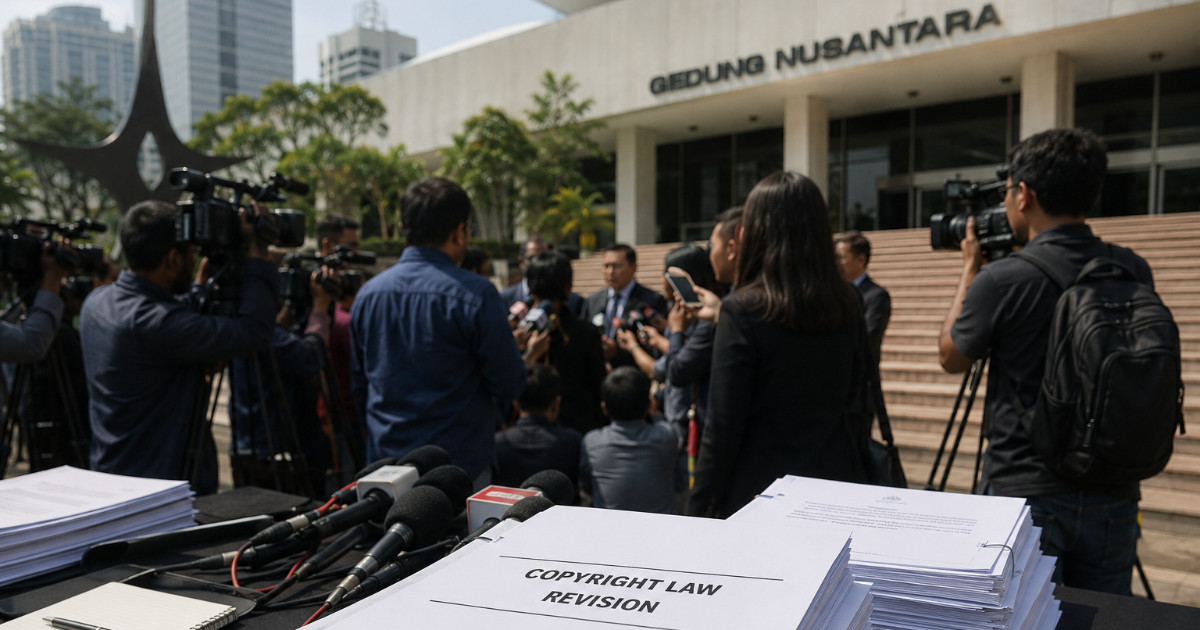
WASHINGTON — A U.S. federal judge on Monday challenged the Department of Defense on its revised press access policy for journalists covering the Pentagon, raising concerns that elements of the new rules could undermine a prior court order and chill independent reporting. U.S. District Judge Paul Friedman described aspects of the policy as “weird” and potentially creating Kafkaesque scenarios for journalists trying to access designated press spaces inside the military headquarters.
The dispute stems from a lawsuit filed by The New York Times and other outlets after the Defense Department under Secretary of Defense Pete Hegseth introduced stringent credentialing requirements in October 2025 that most legacy news organizations refused to accept.
Judge flags unclear compliance with order
In March 2026, Friedman ruled that key provisions of the Pentagon’s October policy violated the First and Fifth Amendments by granting the department broad discretion to revoke press credentials and control journalists’ newsgathering activities. He ordered the reinstatement of press credentials for Times reporters and struck down several contentious restrictions.
During a hearing this week, the judge expressed skepticism that the Pentagon’s so‑called “interim” policy, which includes mandatory escorts for journalists, limits on anonymous sourcing, and closure of the internal “Correspondents’ Corridor” press workspace, truly complies with his earlier ruling. Friedman questioned the legal basis for the closures and restricted access to established press areas, asking government lawyers to explain how the revised policy differs from the one the court found unconstitutional.
Pentagon defends security, but press groups push back
Pentagon representatives argue the new measures are necessary to safeguard classified information and stem from prior strategy reviews, and have indicated plans to appeal the court’s rulings. Only one of 56 Pentagon Press Association member outlets signed onto the interim policy, underscoring widespread media resistance to tightened controls.
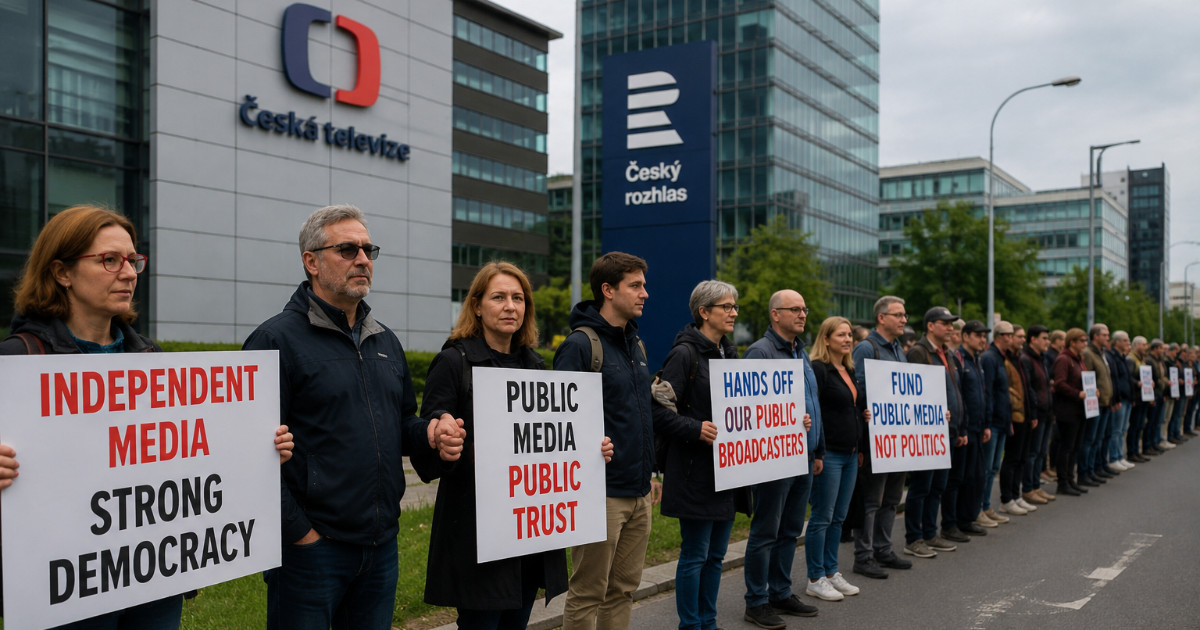
Press freedom advocates and media organizations, including the Times and the Pentagon Press Association, contend that the revised policy retains many of the core limitations previously rejected by the judge and effectively renders press credentials “worthless” by restricting journalists’ basic access and autonomy. Critics warn that the escort requirements and constraints on anonymous sourcing could suppress investigative reporting and deter journalists from seeking accountability within the powerful defense establishment.
The case continues to unfold in federal court, with the judge demanding clearer justification from the Defense Department and media lawyers preparing additional filings to enforce the prior order. Observers say the outcome will shape how reporters cover national security and military operations in Washington and beyond.
WHY THIS MATTERS: This legal confrontation highlights the tensions between national security policies and constitutional press freedoms that media organizations around the world face. For Pakistani journalists and media outlets covering defense, governance, or policy, the dispute underscores the importance of legal safeguards for access and independence, and the need to challenge administrative rules that could limit reporting on powerful institutions.
ATTRIBUTION: Information cited from reporting by Reuters and The Guardian (March 30, 2026).
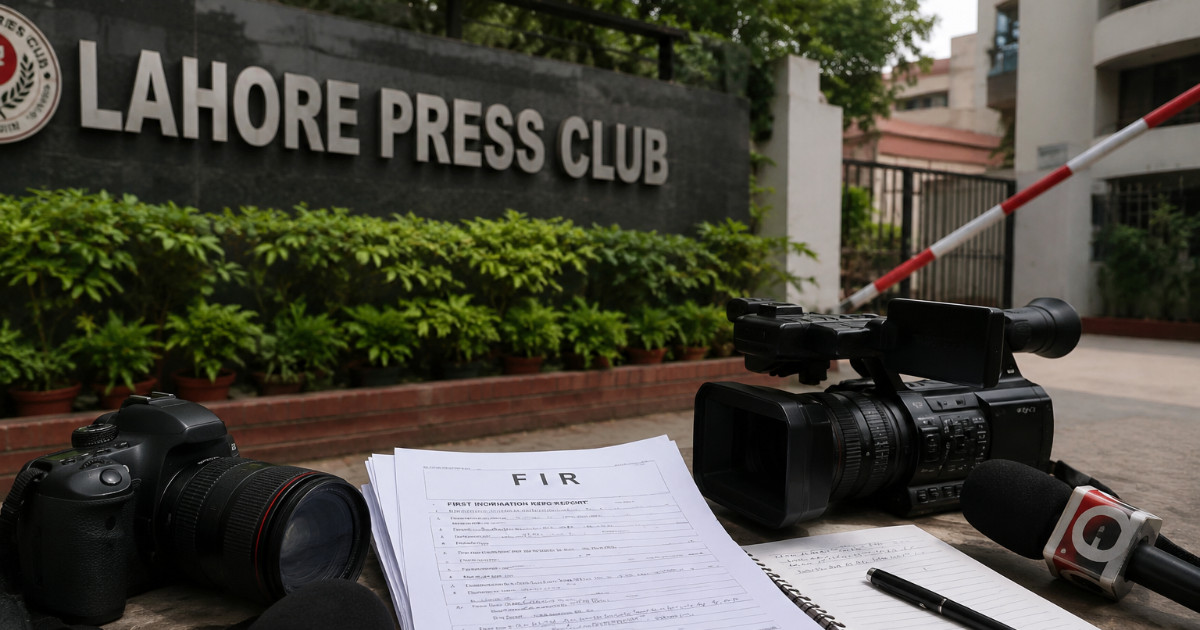
PHOTO: AI-generated; for illustrative purposes only.
Key Points
- Judge Paul Friedman challenged the Pentagon's revised interim press access policy as potentially undermining a prior court order.
- The October 2025 credentialing rules prompted a lawsuit from The New York Times and other outlets after many outlets refused the new terms.
- Friedman's March 2026 ruling found key provisions violated the First and Fifth Amendments and reinstated Times reporters' credentials.
- The interim policy includes mandatory escorts, limits on anonymous sourcing, and closure of the internal Correspondents' Corridor workspace.
- The judge expressed skepticism the interim rules comply with his earlier ruling and flagged unclear legal bases for closures and restrictions.
Key Questions & Answers
What did the judge say about the Pentagon's policy?
He described elements of the interim policy as "weird" and said they could undermine his prior court order and chill independent reporting.
Which specific rules are being challenged?
The interim policy's mandatory escorts, restrictions on anonymous sourcing, closure of the Correspondents' Corridor and broad credentialing discretion are at issue.
What did the earlier ruling determine?
In March 2026 Judge Friedman found key provisions violated the First and Fifth Amendments, struck down several restrictions and ordered reinstatement of Times reporters' credentials.
What happens next in the dispute?
The judge signaled skepticism about the Pentagon's compliance and the court may require further changes or clarifications to the policy.
Relevant Topics
Ask AI: Understand this story your way
AI EnabledDig deeper, ask anything — get instant context, background, and clarity.
Disclaimer: This feature is powered by AI and is intended to help readers explore and understand news stories more easily. While we strive for accuracy, AI-generated responses may occasionally be incomplete or reflect limitations in the underlying model. This feature does not represent the editorial views of JournalismPakistan. For our full, verified reporting, please refer to the original article.