
Supreme court halts ATC move in Matiullah Jan case
JournalismPakistan.com | Published: 3 April 2026 | JP Staff Report
Join our WhatsApp channel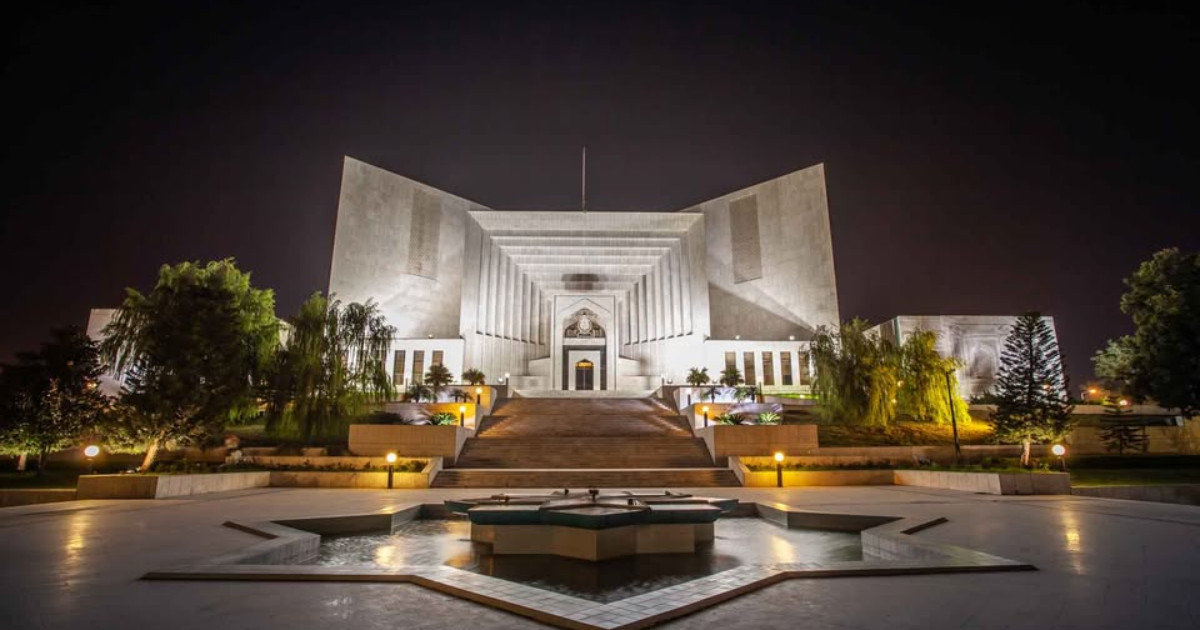
Supreme Court barred an ATC from framing charges against journalist Matiullah Jan and sent his petition to the Islamabad High Court for urgent adjudication on the applicability of terrorism laws, while reserving merit review to avoid prejudicing either side.Summary
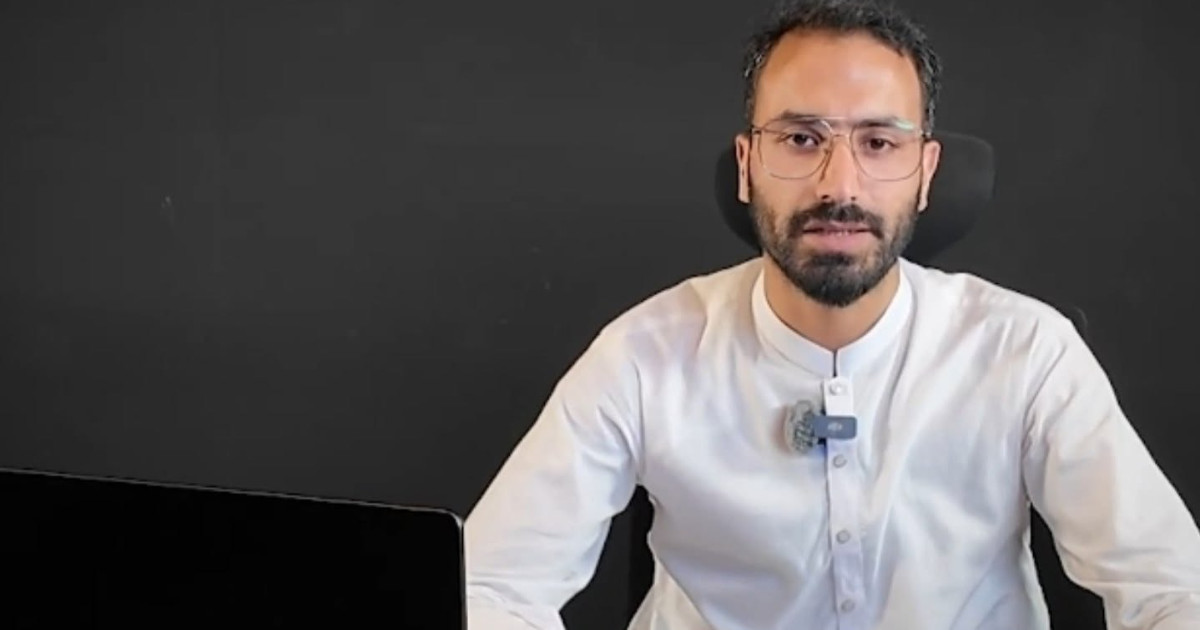
ISLAMABAD — The Supreme Court on Thursday restrained an anti-terrorism court (ATC) from framing charges against senior journalist Matiullah Jan and directed the Islamabad High Court (IHC) to decide, on priority, a petition challenging the applicability of terrorism charges against him.
A three-judge bench headed by Justice Muhammad Ali Mazhar took up Jan’s petition seeking to set aside the IHC’s February 23, 2026, order, which had declined to grant interim relief to halt the criminal proceedings. The apex court, while issuing directions to the high court, made clear it would not examine the merits of the case at this stage to avoid prejudicing either side.
During the hearing, the prosecution did not oppose the issuance of directions to the IHC. Jan’s counsel, Barrister Qadeer Janjua, argued that the trial court lacked jurisdiction and that the invocation of terrorism charges was legally untenable.
Supreme Court seeks expedited high court review
Filed under Article 185(3) of the Constitution, the petition challenged the IHC’s refusal to stay proceedings despite issuing notices in the criminal revision petition. The decision had effectively allowed the ATC trial to proceed, with the framing of charges imminent.
The petition argued that the high court’s order failed to preserve the subject matter of the case, particularly the central question of whether the ATC had jurisdiction. It maintained that allowing proceedings to continue could render the revision petition ineffective.
The dispute centers on terrorism charges and evidence
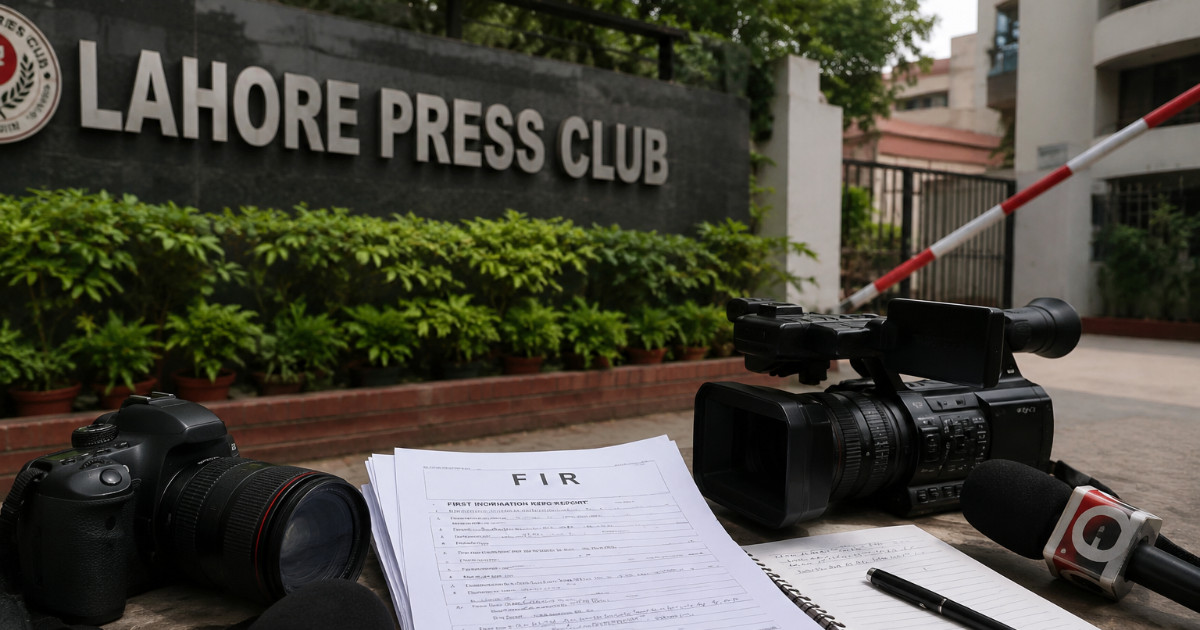
Matiullah Jan was arrested on November 28, 2024, at a police checkpoint in Islamabad’s Sector E-9. According to the FIR registered at Margalla Police Station, he was accused of snatching a police officer’s weapon, threatening personnel, and possessing 10 grams of crystal methamphetamine.
However, the petition stated that a forensic report by the Punjab Forensic Science Agency found that the recovered substance was not “ice,” undermining the narcotics allegation. It also cited observations made during bail proceedings that described the prosecution’s case as “full of doubts.”
The petition further relied on Supreme Court jurisprudence, including the 2020 Ghulam Hussain case, to argue that terrorism charges require intent to spread fear or terror, an element it said was absent in this case.
Legal rights and trial jurisdiction questioned
Jan’s legal team argued that the high court erred in not granting interim relief despite a prima facie case, favorable balance of convenience, and the risk of irreparable harm. It contended that proceeding with the trial under the Anti-Terrorism Act, 1997, could subject the journalist to undue legal and reputational damage if the court later finds the ATC lacked jurisdiction.
The petition emphasized that forcing the accused to undergo trial in a forum that may not have lawful authority constitutes a serious infringement of fundamental rights, particularly when personal liberty is at stake.
WHY THIS MATTERS: This case shows growing concern about using anti-terrorism laws against journalists in Pakistan, especially whether such serious charges are justified. It also highlights how important courts are in checking possible misuse of strict laws. The Supreme Court’s action shows that higher courts can step in when authorities may be going too far.
ATTRIBUTION: Reporting by JournalismPakistan, with additional context from publicly available reporting by Dawn (April 2, 2026).
PHOTO: Supreme Court of Pakistan (Facebook)
Key Points
- Supreme Court restrained an ATC from framing charges against Matiullah Jan.
- The court directed the Islamabad High Court to decide his petition on priority.
- The bench said it would not examine merits at this stage to avoid prejudice.
- The prosecution did not oppose sending the matter to the high court.
- Defence counsel argued the ATC lacked jurisdiction and terrorism charges were untenable.
Key Questions & Answers
What did the Supreme Court order?
The court restrained the ATC from framing charges and directed the Islamabad High Court to decide Matiullah Jan's petition urgently.
Will the Supreme Court decide the merits now?
No; the bench said it would not examine merits at this stage to avoid prejudicing either side.
Did the prosecution oppose the direction to the high court?
No; the prosecution did not oppose issuing directions to the Islamabad High Court.
On what grounds did the defence challenge the case?
The defence argued the ATC lacked jurisdiction and that invoking terrorism provisions was legally untenable.
Ask AI: Understand this story your way
AI EnabledDig deeper, ask anything — get instant context, background, and clarity.
Disclaimer: This feature is powered by AI and is intended to help readers explore and understand news stories more easily. While we strive for accuracy, AI-generated responses may occasionally be incomplete or reflect limitations in the underlying model. This feature does not represent the editorial views of JournalismPakistan. For our full, verified reporting, please refer to the original article.