
Tunisian court sentences editor to two years over 'false news'
JournalismPakistan.com | Published: 2 April 2026 | JP Global Monitoring
Join our WhatsApp channel
A Tunisian court on March 31 sentenced Inhiyaz editor Ghassen Ben Khelifa to two years for publishing 'false news,' a verdict he rejected as fabricated; journalists' unions and rights groups say it signals a systematic crackdown on independent media since 2021.Summary
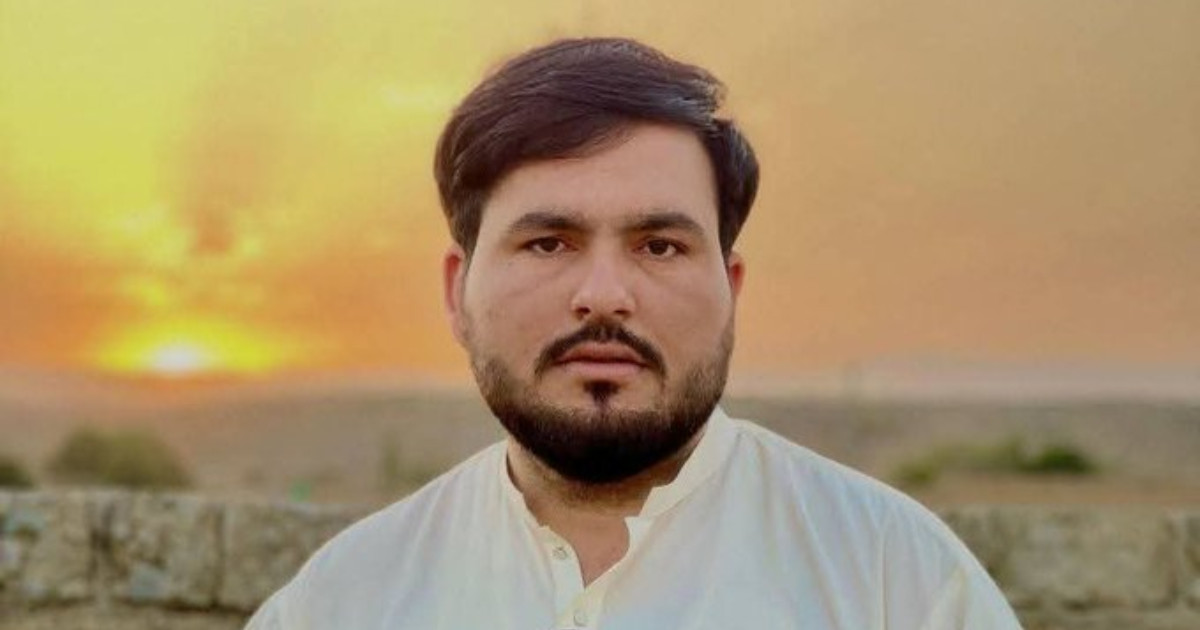
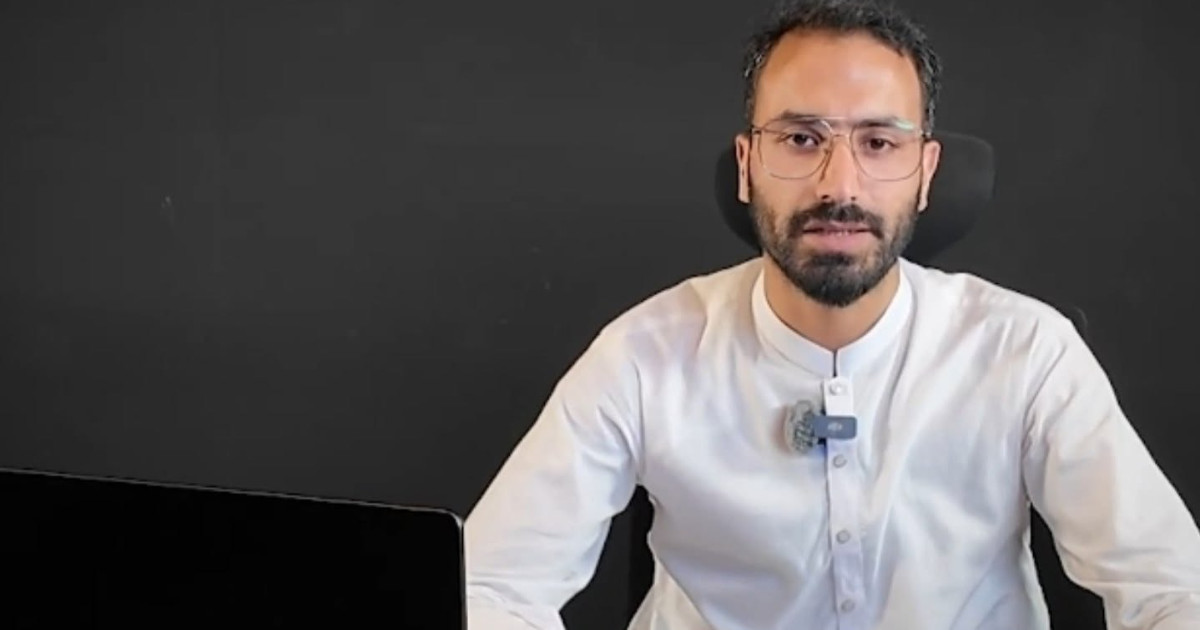
TUNIS, TUNISIA — A Tunisian court on March 31 handed a two‑year prison sentence to news website editor Ghassen Ben Khelifa on charges of publishing “false news,” a ruling that critics and journalists’ unions say signals a deepening crackdown on independent media in the North African country. Ben Khelifa, editor‑in‑chief of the online outlet Inhiyaz, denied the charges, calling the case “fabricated” and an attack on free expression.
Journalists’ union calls ruling systematic targeting
The National Union of Tunisian Journalists (SNJT) sharply condemned the verdict, saying it reflects a “systematic targeting of critical voices” under the current Tunisian authorities and underscores a broader pattern of prosecutions against media workers. The charges against Ben Khelifa stem from a legal case dating back more than three years, according to the union’s statement.
Critics say verdict part of wider media repression
Press freedom advocates and rights groups say this latest sentence comes amid increasing pressure on dissenting voices in Tunisia since President Kais Saied assumed expanded powers and began ruling by decree in 2021. Independent journalists, civil society activists, and opposition figures have faced prosecutions, travel restrictions, and other legal pressures under broadly defined media and public order laws.
Judicial actions against journalists intensify
Earlier this year, another Tunisian court sentenced two prominent journalists to multi‑year prison terms on separate charges that critics described as retaliatory and aimed at intimidating independent reporting. Rights groups say such cases illustrate how legal mechanisms, including defamation and security statutes, are increasingly used to stifle critical reporting and public debate.
Impact on Tunisia’s media landscape
Following the 2011 Arab Spring uprising that fostered initial gains in press freedom, Tunisia has seen a significant erosion in independent media space in recent years, with unions and international watchdogs highlighting a rise in judicial harassment, censorship, and self‑censorship among journalists. Observers warn that continued prosecutions risk further undermining media pluralism and public access to unbiased information.
WHY THIS MATTERS: For Pakistani journalists and media professionals, this ruling underscores the risks that broadly worded media laws and legal prosecutions pose to independent reporting and free expression. It highlights the importance of robust legal protections for journalists and vigilance against the misuse of “false news” provisions to suppress critical voices, a concern increasingly relevant across media landscapes in South Asia and beyond.
ATTRIBUTION: Information cited from publicly available reporting by Reuters (March 31, 2026).
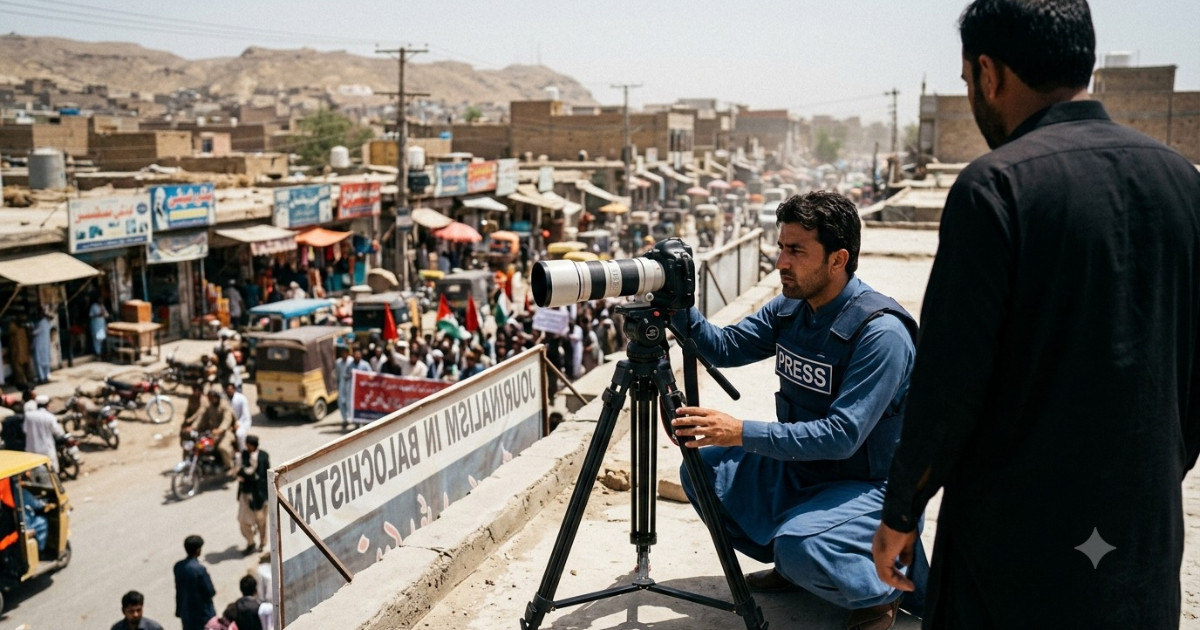
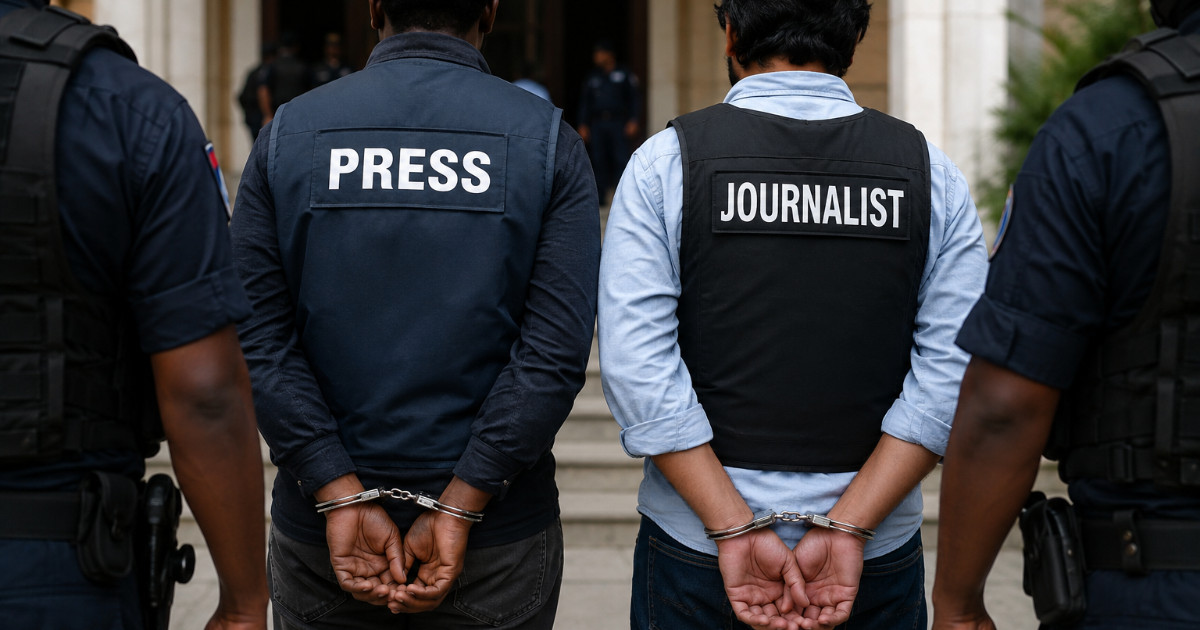
PHOTO: AI‑generated; for illustrative purposes only.
Key Points
- On March 31, Ghassen Ben Khelifa, editor‑in‑chief of online outlet Inhiyaz, was sentenced to two years on charges of publishing 'false news'.
- Ben Khelifa denies the charges, calling the case fabricated and an assault on free expression.
- The National Union of Tunisian Journalists (SNJT) condemned the verdict as systematic targeting of critical voices.
- Rights groups say the sentence fits a pattern of media repression since President Kais Saied expanded powers in 2021.
- Earlier this year, other journalists also received multi‑year sentences in separate prosecutions critics describe as retaliatory.
Key Questions & Answers
Why was Ghassen Ben Khelifa sentenced?
He was convicted on charges of publishing 'false news' related to his role as editor of the online outlet Inhiyaz.
What is Ben Khelifa's response to the ruling?
Ben Khelifa denied the charges, calling the case fabricated and an attack on free expression.
How did journalists' groups react?
The National Union of Tunisian Journalists condemned the verdict as systematic targeting of critical voices and part of broader prosecutions against media workers.
Is this part of a wider trend in Tunisia?
Press freedom advocates say the sentence is consistent with increased legal pressure on independent journalists and critics since President Kais Saied expanded executive powers in 2021.
Relevant Topics
Ask AI: Understand this story your way
AI EnabledDig deeper, ask anything — get instant context, background, and clarity.
Disclaimer: This feature is powered by AI and is intended to help readers explore and understand news stories more easily. While we strive for accuracy, AI-generated responses may occasionally be incomplete or reflect limitations in the underlying model. This feature does not represent the editorial views of JournalismPakistan. For our full, verified reporting, please refer to the original article.