
Espionage charges target investigative reporter in Hungary
JournalismPakistan.com | Published: 2 April 2026 | JP Global Monitoring
Join our WhatsApp channel
Hungary has charged investigative reporter Szabolcs Panyi over reporting on alleged Russian influence, prompting the CPJ to urge the charges be dropped amid concerns about media intimidation before parliamentary elections.Summary
BERLIN—The Committee to Protect Journalists has urged Hungarian authorities to immediately drop espionage charges against investigative journalist Szabolcs Panyi, highlighting growing concerns over press freedom ahead of Hungary’s parliamentary elections. Panyi, a reporter for investigative outlets Direkt36 and VSquare, faces allegations of spying “in coordination with a foreign country” following his reporting on Russian influence operations in Hungary.
Government files charges amid election season
On March 26, Gergely Gulyás, chief of staff to Prime Minister Viktor Orbán, announced the criminal charges, claiming that Panyi had intercepted communications between Hungarian Foreign Minister Péter Szíjjártó and Russian officials. The National Bureau of Investigation began a preliminary probe on April 1, with 30 days to decide whether to launch a full criminal investigation. Panyi has denied all allegations, describing the case as a coordinated smear campaign and comparing the government’s tactics to those used in Russia.
CPJ warns of chilling effect on journalism
“Trying to intimidate journalist Szabolcs Panyi, rather than addressing the substance of his revelations, suggests that the government has something to hide,” said Attila Mong, CPJ’s Europe representative. Mong called Panyi’s reporting “clearly of huge public interest” and described the government’s actions as “a classic authoritarian tactic” intended to silence independent media ahead of elections.
Espionage charges carry heavy penalties
If convicted, Panyi could face up to eight years in prison, or 15 years if the alleged spying involves strictly confidential state secrets. The state-run Sovereignty Protection Office accused him of being “financed and directed by the European Commission and U.S. Democratic-party linked backers,” framing his journalism as a cover for espionage. Hungarian prosecutors have confirmed that the complaint is under review.
WHY THIS MATTERS: The case highlights risks investigative journalists face when reporting on national security and foreign influence, illustrating how governments may weaponize legal frameworks against press scrutiny. For Pakistani journalists, it underscores the importance of strong editorial safeguards, careful source handling, and awareness of surveillance threats when covering politically sensitive issues.
ATTRIBUTION: Information cited from publicly available reporting by Reuters and a public statement issued by the Committee to Protect Journalists (April 1, 2026).
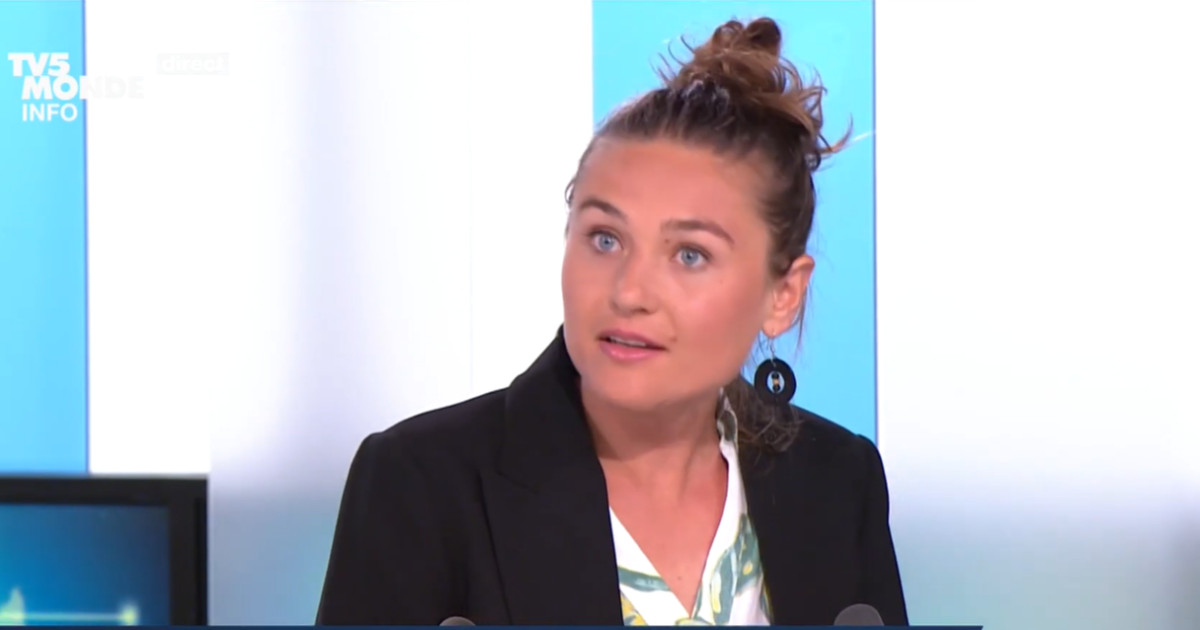
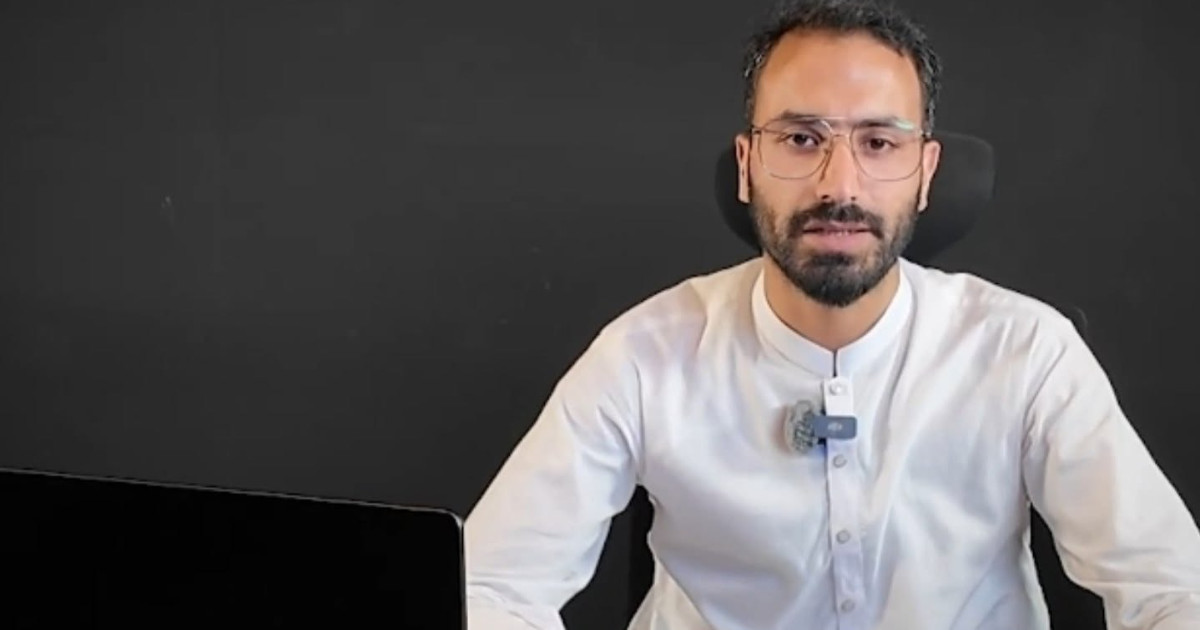
PHOTO: Szabolcs Panyi (Youtube/Protagonista/Circulated by CPJ)
Key Points
- The Committee to Protect Journalists has called on Hungarian authorities to drop espionage charges against Szabolcs Panyi.
- Panyi, a reporter for Direkt36 and VSquare, is accused of spying "in coordination with a foreign country" after his reporting on Russian influence.
- Gergely Gulyás announced the charges, alleging intercepted communications between the foreign minister and Russian officials.
- The National Bureau of Investigation opened a preliminary probe on April 1 with 30 days to decide on a full criminal investigation.
- Panyi denies the allegations and describes the case as a coordinated smear campaign and an attempt to intimidate independent media.
Key Questions & Answers
Who is Szabolcs Panyi?
Szabolcs Panyi is an investigative journalist who has reported for outlets including Direkt36 and VSquare.
What charges has he been accused of?
Hungarian authorities have accused Panyi of espionage, alleging he acted "in coordination with a foreign country" related to reporting on Russian influence.
What has the Committee to Protect Journalists said?
The CPJ has urged authorities to drop the charges, warning they create a chilling effect on journalism and suggesting the government may be trying to silence independent media.
What is the status of the investigation?
The National Bureau of Investigation opened a preliminary probe on April 1 and has 30 days to decide whether to launch a full criminal investigation.
Relevant Topics
Ask AI: Understand this story your way
AI EnabledDig deeper, ask anything — get instant context, background, and clarity.
Disclaimer: This feature is powered by AI and is intended to help readers explore and understand news stories more easily. While we strive for accuracy, AI-generated responses may occasionally be incomplete or reflect limitations in the underlying model. This feature does not represent the editorial views of JournalismPakistan. For our full, verified reporting, please refer to the original article.