
UN warns crackdown deepens press curbs in conflict zones
JournalismPakistan.com | Published: 2 April 2026 | JP Middle East Desk
Join our WhatsApp channel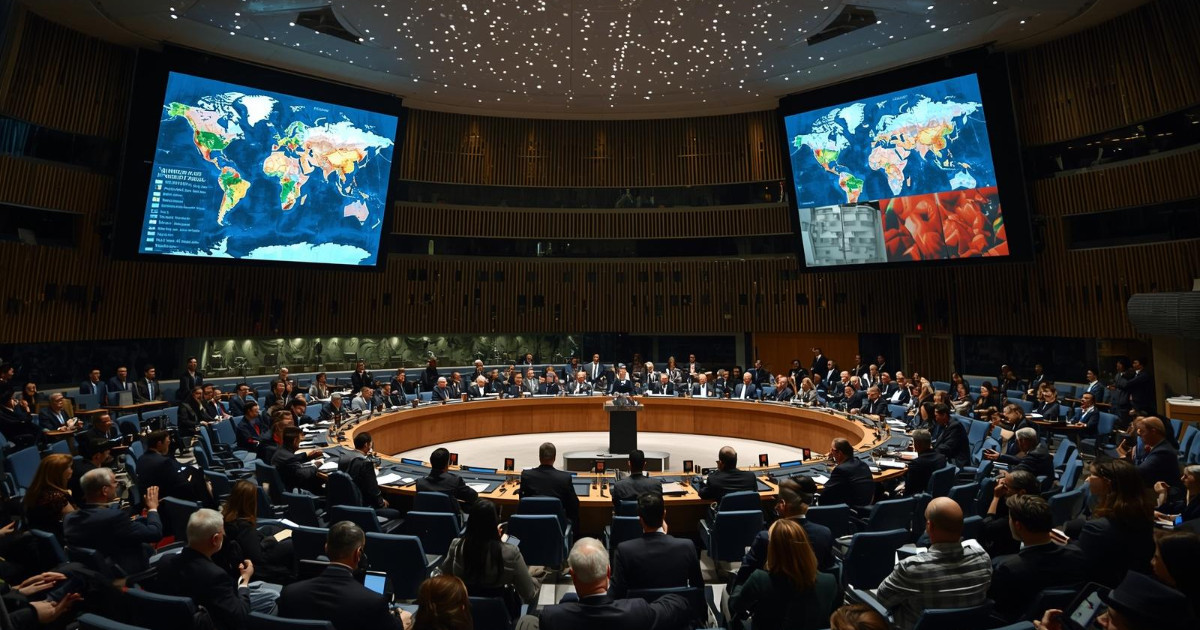
The UN human rights chief warned on April 1 that arrests, surveillance and expanded state controls are sharply restricting media activity and freedom of expression across parts of the Middle East amid Iran-U.S.-Israel tensions.Summary
GENEVA — The United Nations human rights chief has warned of a sharp escalation in restrictions on freedom of expression and media activity across parts of the Middle East, citing the impact of ongoing tensions linked to the Iran–U.S.–Israel conflict. Speaking on April 1, Volker Türk said arrests, surveillance, and broader state controls are increasingly limiting the ability of journalists to report independently.
Türk noted that governments in the region are invoking national security concerns to justify tighter restrictions on civic space, which in turn affect access to reliable information. He emphasized that such measures are not only curbing press freedom but also restricting the public’s right to information during a period of heightened geopolitical instability.
Press freedom concerns rise amid regional tensions
The UN warning comes as cross-border tensions and military posturing have intensified, creating an environment where authorities are more likely to impose emergency-style controls. According to Türk, these measures include detentions of journalists, expanded censorship, and legal constraints that make reporting on sensitive topics increasingly risky.
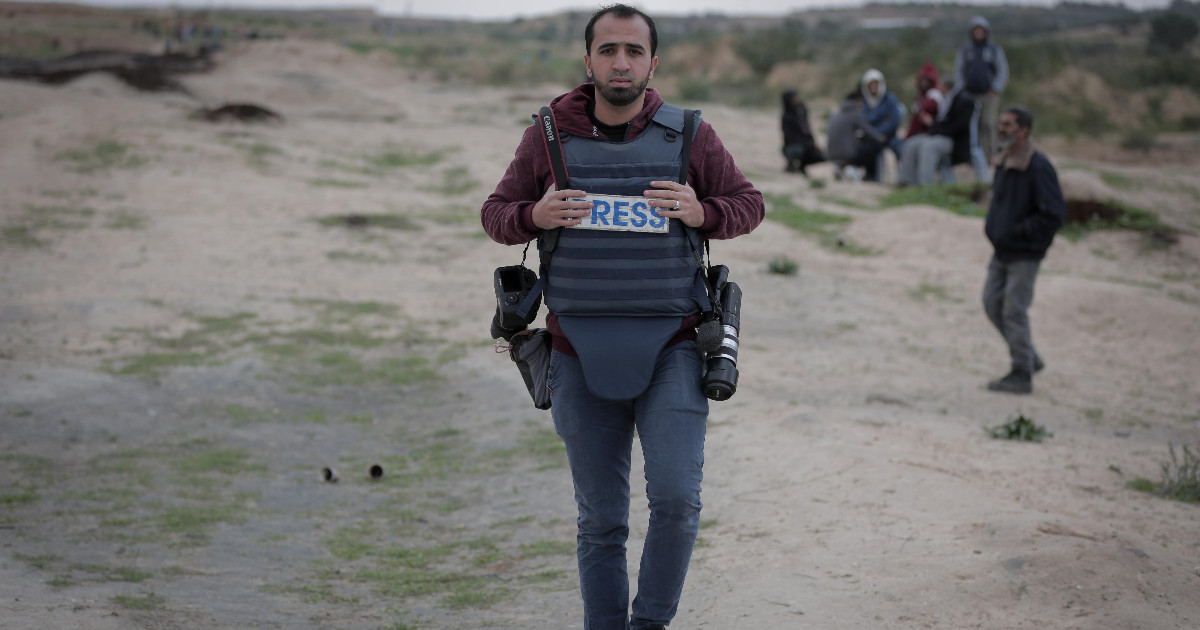
Media watchdogs have long cautioned that conflict situations often lead to a contraction of press freedoms, but the current trajectory suggests a broader and more sustained pattern. Journalists working in or covering affected regions face growing challenges, including limited access to sources, fear of reprisal, and restrictions on movement.
Impact on independent reporting and public access
Türk stressed that the erosion of media freedom has direct consequences for transparency and accountability, particularly during crises. Without independent reporting, misinformation can spread more easily, and citizens are left with fewer avenues to verify official narratives.
He called on governments to uphold international human rights obligations, including protections for journalists, even during times of conflict. Ensuring safe and open reporting environments, he said, is essential for informed public discourse and democratic resilience.
WHY THIS MATTERS: The warning underscores a familiar pattern where security-driven policies during conflict can quickly translate into tighter media controls. For Pakistani journalists, it highlights the importance of safeguarding editorial independence and preparing for similar pressures during regional crises. Newsrooms may also need to strengthen verification practices as access to reliable information becomes more constrained.
ATTRIBUTION: Information cited from a publicly available statement issued by the United Nations Office of the High Commissioner for Human Rights (April 1, 2026).
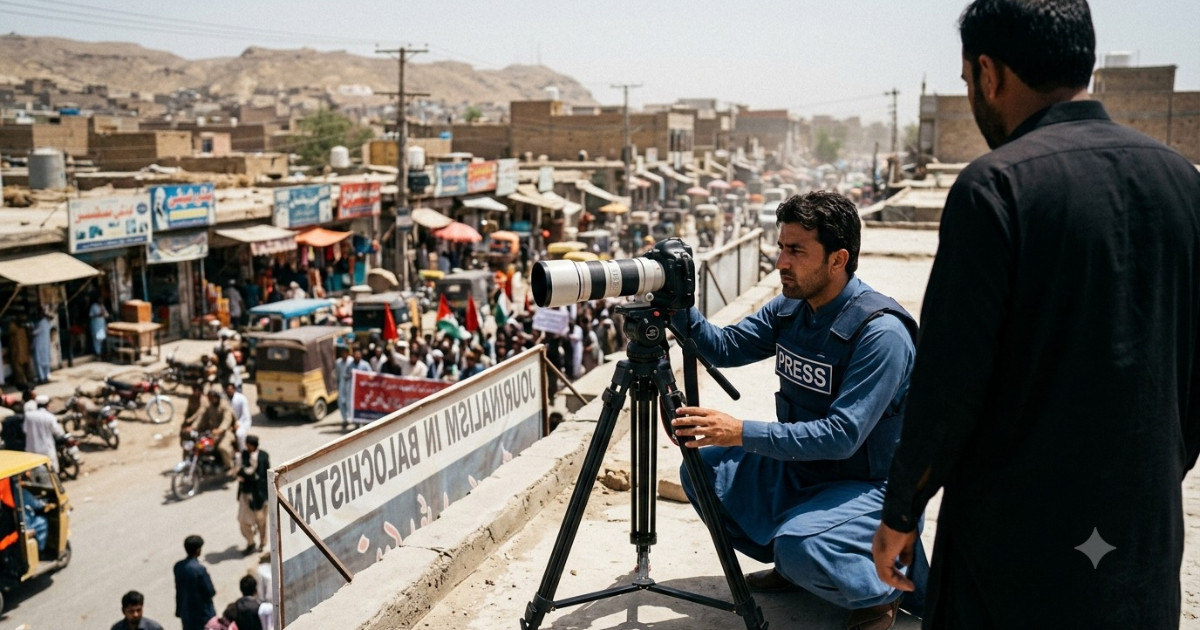
PHOTO: AI-generated; for illustrative purposes only.
Key Points
- UN rights chief Volker Türk warned of rising restrictions on media across parts of the Middle East.
- Measures cited include arrests of journalists, increased surveillance and expanded censorship.
- Governments are invoking national security and emergency-style legal controls to justify tighter measures.
- Such restrictions curb independent reporting and limit the public's access to reliable information.
- Journalists face greater risks, constrained movement and reduced access to sources in conflict zones.
Key Questions & Answers
What did the UN warn?
The UN human rights chief warned of a sharp escalation in restrictions on freedom of expression and media activity in parts of the Middle East.
What measures are being used against media?
Authorities have used arrests, expanded surveillance, censorship and legal constraints to limit independent reporting.
Why are governments imposing these restrictions?
Governments say national security and regional tensions linked to Iran, the U.S. and Israel justify tighter controls.
How does this affect journalists and the public?
Independent reporting is curtailed and the public's right to reliable information is limited; journalists face increased risk and restricted access to sources.
Relevant Topics
Ask AI: Understand this story your way
AI EnabledDig deeper, ask anything — get instant context, background, and clarity.
Disclaimer: This feature is powered by AI and is intended to help readers explore and understand news stories more easily. While we strive for accuracy, AI-generated responses may occasionally be incomplete or reflect limitations in the underlying model. This feature does not represent the editorial views of JournalismPakistan. For our full, verified reporting, please refer to the original article.