
Five press freedoms cases raising global concern
JournalismPakistan.com | Published: 16 March 2026 | JP Staff Report
Join our WhatsApp channel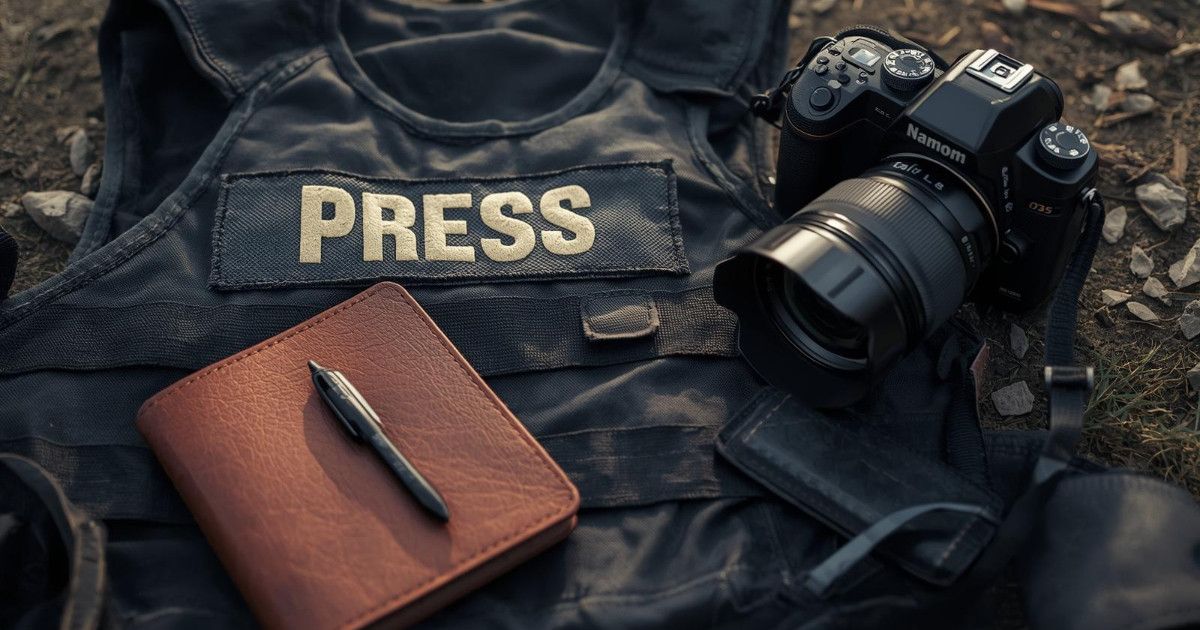
Five cases underscore rising threats to press freedom: Pavel Dabravolski was sentenced in a closed-door Minsk trial to nine years, and Palestinian journalist Amal Shamaly was killed in a March 9 Gaza airstrike; advocates demand transparent investigations.Summary
ISLAMABAD — The past week saw a series of alarming developments affecting journalists worldwide, ranging from harsh prison sentences and politically motivated arrests to targeted killings in conflict zones and sweeping cybercrime prosecutions. These cases underscore a growing global trend of governments using legal, digital, and military measures to silence independent reporting, highlighting intensifying threats to press freedom across multiple regions. For a full overview of these and other incidents, see our Press Freedom Tracker.
Belarusian journalist sentenced to nine years
A Minsk court on March 9 convicted journalist Pavel Dabravolski of treason and sentenced him to nine years in a maximum‑security prison following a closed‑door trial, a move that press freedom advocates say is part of a broader crackdown on independent media. The proceedings were not open to the public, and detailed evidence against Dabravolski was not disclosed, drawing condemnation from international press freedom groups. His sentencing adds to a growing number of media workers jailed in Belarus amid continued government repression.
Journalist killed in Gaza strike
Amal Shamaly, a Palestinian journalist and correspondent for Qatar Radio, was killed in an Israeli airstrike on March 9 that hit tents sheltering displaced civilians in central Gaza, according to press freedom groups. Two other civilians were also killed, and several were injured in the strike, prompting calls from media advocacy organizations for a transparent investigation and accountability for attacks affecting journalists in conflict zones.
UAE charges 20 over missile strike footage
In the United Arab Emirates, authorities charged about 20 people, including a British tourist, under cybercrime laws that prohibit the distribution of content deemed harmful to national security for filming and posting videos of Iranian missile strikes over Dubai. Critics and press freedom advocates warn that such prosecutions under broadly worded digital security laws can chill independent reporting and citizen journalism.
Journalist faces propaganda charges in Vietnam
Vietnamese authorities arrested journalist Le Anh Hung on March 9 in Dak Lak province on charges of “propagandizing against the state” under Article 117 of the penal code, which carries penalties of up to 20 years in prison. The case is among several in Vietnam where journalists have been detained under national security statutes for reporting on sensitive issues, raising concerns among international rights groups about shrinking civic space for the press.
Pakistan's foreign policy commentary warning
Pakistan’s law minister, Azam Nazeer Tarar, issued a warning to journalists and commentators not to cross constitutional “red lines” when discussing foreign policy, indicating possible legal action if commentary is deemed harmful to relations with friendly countries. Critics argue that the statement could discourage legitimate journalistic debate on diplomatic issues and may have a chilling effect on media discourse.
A worrying global trend
These cases highlight a worrying global trend: journalists increasingly face criminalization, censorship, and violence for carrying out their work. For a continually updated record of threats to media freedom worldwide, see JournalismPakistan’s Press Freedom Tracker, which documents arrests, attacks, and legal pressures affecting journalists. The latest developments underscore the urgent need to defend independent reporting and ensure accountability for abuses against media professionals.
WHY THIS MATTERS: These cases illustrate a global pattern of increasing criminalization, legal harassment, and physical danger facing journalists, which can undermine independent reporting and open public debate. For Pakistani journalists and media professionals, the developments underscore the importance of understanding how broad interpretations of security and foreign policy can be used to restrict reporting, highlighting the need for clear legal protections and newsroom strategies to navigate legal risks.
ATTRIBUTION: Based on reporting by JournalismPakistan, the Committee to Protect Journalists (March 9, 2026), and Reuters/AP (March 9, 2026).
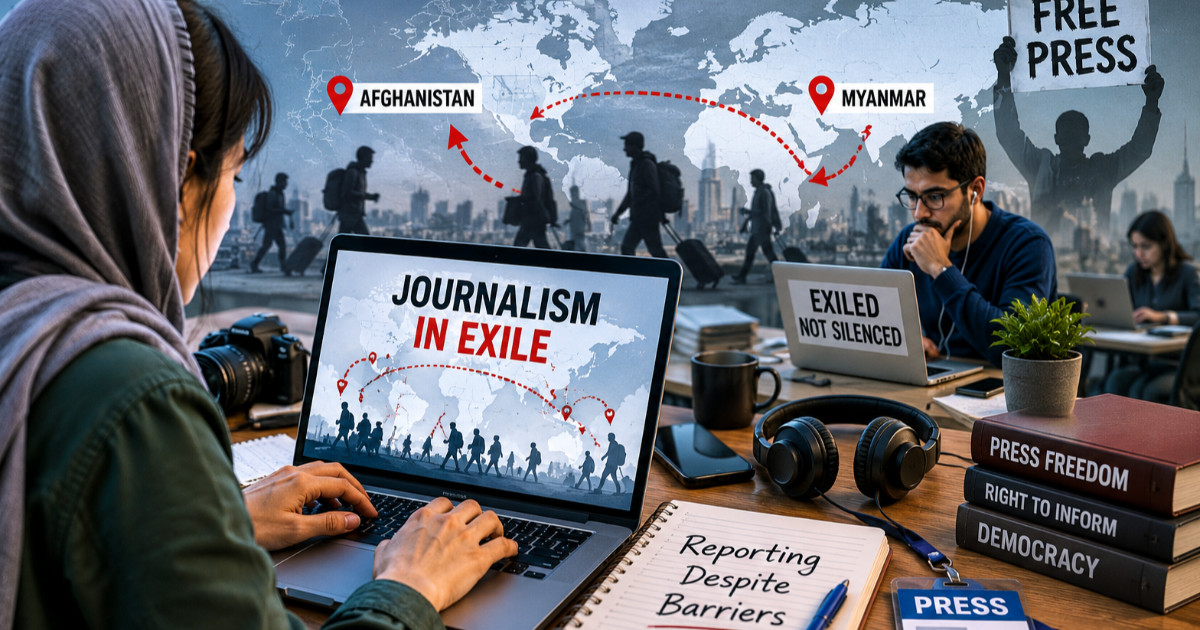
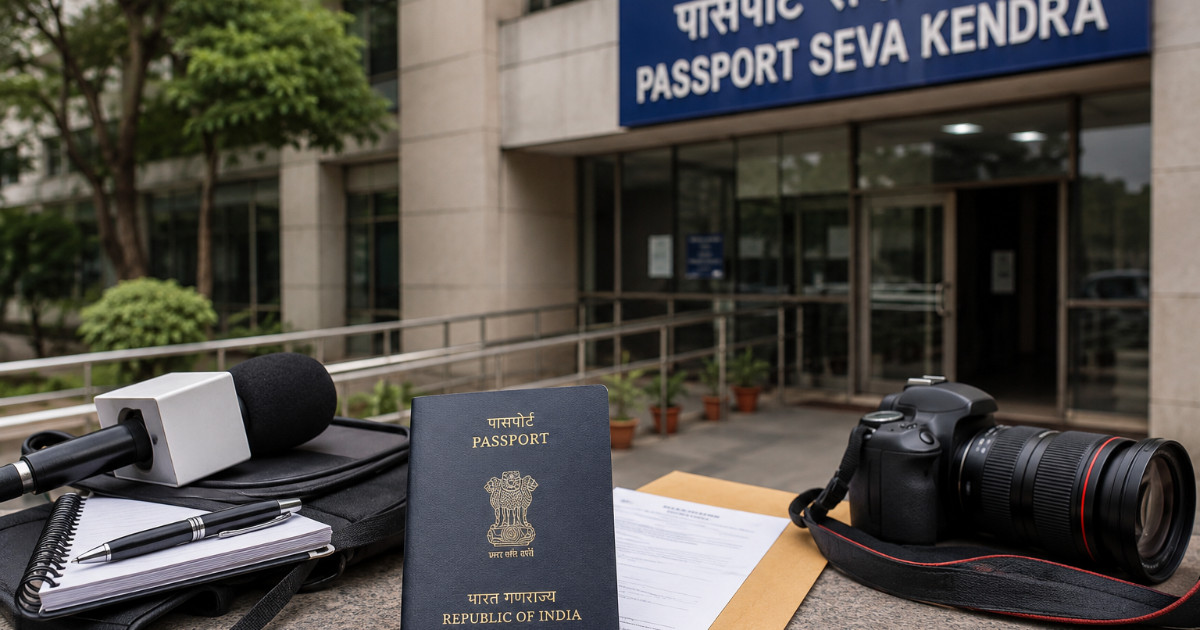
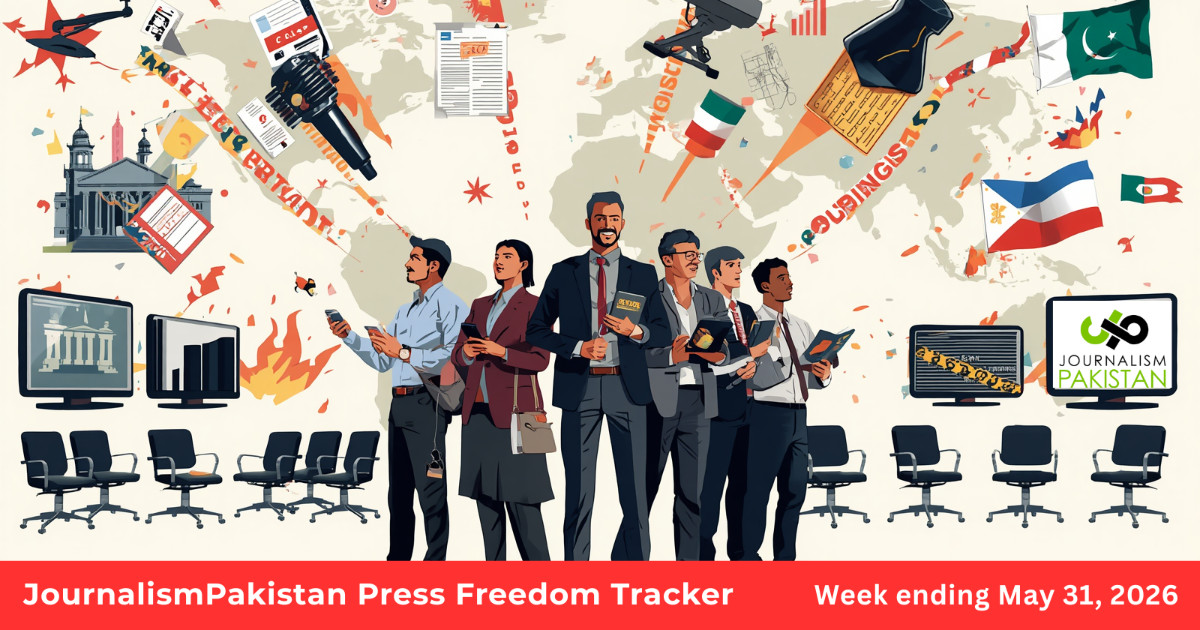
PHOTO: AI-generated; for illustrative purposes
Key Points
- Recent cases show governments using legal, digital, and military measures to curb independent reporting.
- Pavel Dabravolski was convicted of treason in a closed-door Minsk trial and sentenced to nine years.
- Palestinian journalist Amal Shamaly was killed in a March 9 Israeli airstrike in central Gaza; civilians were also harmed.
- Press freedom groups decry politically motivated arrests, harsh sentences, and sweeping cybercrime prosecutions.
- Advocates call for transparent investigations and accountability for attacks on media workers.
Key Questions & Answers
What happened to Pavel Dabravolski?
A Minsk court convicted him of treason in a closed-door trial and sentenced him to nine years; press groups say the case reflects a wider crackdown on independent media.
Who was Amal Shamaly?
She was a Palestinian journalist and correspondent for Qatar Radio who was killed in an Israeli airstrike on March 9 in central Gaza; the strike also wounded and killed other civilians.
What broader pattern do these cases suggest?
They indicate growing use of legal, digital and military tools to silence independent reporting, raising concerns about press freedom worldwide.
What are advocates demanding?
Media groups and rights organizations are calling for transparent investigations, accountability for attacks on journalists and stronger protections for reporters.
Relevant Topics
Ask AI: Understand this story your way
AI EnabledDig deeper, ask anything — get instant context, background, and clarity.
Disclaimer: This feature is powered by AI and is intended to help readers explore and understand news stories more easily. While we strive for accuracy, AI-generated responses may occasionally be incomplete or reflect limitations in the underlying model. This feature does not represent the editorial views of JournalismPakistan. For our full, verified reporting, please refer to the original article.