.jpg)
What is an embargo in journalism? Understanding how news embargoes work
JournalismPakistan.com | Published: 30 June 2026 | JP Staff Report
Join our WhatsApp channel
Embargoes let journalists receive news before the public under an agreement not to publish until a set time, giving them room to verify facts, seek comment and prepare fuller coverage; they are used across government, science, corporations and PR amid intense digital competition.Summary
ISLAMABAD — News often appears across multiple media outlets at almost the same moment. Whether it is a government policy announcement, a scientific breakthrough, a corporate earnings report, or a major technology launch, journalists may already have the information well before the public sees it. That is often because the material was distributed under an embargo.
Embargoes remain a common practice across journalism, public relations, government communications, academia, and the corporate world. They allow reporters time to verify facts, conduct interviews, prepare graphics, and produce balanced coverage before information is released. As competition to publish first intensifies in the digital era, understanding how embargoes work has become increasingly important for journalists, media organizations, and readers alike.
What embargo means
In journalism, an embargo is an agreement under which information is shared with reporters before it becomes public, on the condition that it will not be published or broadcast until a specified date and time.
Unlike information that is immediately available for publication, embargoed material carries a clear release time. Journalists who receive it agree to respect that deadline. In return, they gain additional time to research the topic, seek comment from multiple sources, fact-check claims, and prepare more complete reporting.
Embargoes are commonly used by governments announcing budgets or policy decisions, research institutions publishing scientific studies, international organizations releasing reports, technology companies unveiling new products, and publicly listed companies issuing financial results. Many organizations include the embargo time prominently at the beginning of a news release or briefing document to avoid confusion.
An embargo is generally voluntary rather than legally binding, although contractual agreements or confidentiality arrangements in certain situations may accompany it. If a journalist or media outlet breaks an embargo without authorization, the source may choose not to provide that outlet with advance information in the future.
It is important to distinguish an embargo from a legal publication ban. An embargo depends on an agreed release schedule, while a court order or other legal restriction may prohibit publication altogether until specific legal conditions are met.
Why it matters now
The speed of online publishing has increased pressure on newsrooms to publish stories as quickly as possible. At the same time, audiences expect reporting that is accurate, well-sourced, and supported by context. Embargoes help balance those competing demands by giving journalists time to produce more reliable coverage.
For complex subjects such as artificial intelligence, climate change, public health, national budgets, or economic data, advance access allows reporters to consult independent experts, review supporting documents, and explain technical issues in language that readers can understand.
Embargoes also promote more informed public debate by ensuring that detailed reporting is available when important announcements become public. Instead of rushing incomplete stories online, news organizations can publish comprehensive articles immediately after the embargo expires.
However, embargoes also require trust between information providers and journalists. Critics argue that embargoes can give selected media outlets privileged access to information or enable organizations to control the timing of public discussion. Newsrooms must therefore decide carefully whether accepting an embargo serves the public interest and maintains editorial independence.
In today's digital environment, where information can spread globally within minutes through websites and social media platforms, accidental or deliberate embargo breaches have become more common. Once embargoed information appears online, other outlets may face difficult editorial decisions about whether to follow suit or continue honoring the agreed release time.
Real-world examples
One of the best-known examples of embargoes comes from scientific publishing. Leading journals such as Nature and Science provide accredited journalists with research papers before publication under strict embargo conditions. This gives reporters time to interview researchers, seek independent analysis, and prepare accurate stories that are published when the embargo lifts.
Government institutions also rely heavily on embargoes. Budget documents, inflation figures, employment statistics, and public health reports are often distributed in advance to accredited media under embargo. Organizations such as the World Health Organization and the International Monetary Fund frequently use embargoes for major reports so that journalists around the world can prepare detailed coverage before public release.
In Pakistan, embargoes are commonly used by government ministries, regulators, and public institutions when releasing economic data, policy documents, or official reports. The State Bank of Pakistan periodically issues embargoed materials related to monetary policy and economic indicators, while various federal ministries distribute budget documents and statistical reports under specified publication times during the annual budget process. Media organizations receiving such material are expected to respect the stated release schedule.
Technology companies also make extensive use of embargoes before announcing new products or software updates. Journalists often receive early access to devices, demonstrations, or technical briefings so reviews and news reports can be published simultaneously with official product launches. This enables consumers to access detailed reporting immediately rather than waiting hours or days for independent coverage.
For journalists, understanding embargoes is an essential part of ethical and professional reporting. Honoring legitimate embargo agreements helps preserve trust between sources and news organizations while allowing reporters to produce more accurate, balanced, and informative journalism. For readers, recognizing when information has been prepared under embargo provides useful context about how complex stories are researched, verified, and presented. As the pace of news continues to accelerate, embargoes remain an important mechanism for supporting responsible reporting without sacrificing timeliness.
MORE JOURNALISM TERMS: You may also find the following JournalismPakistan explainers useful:
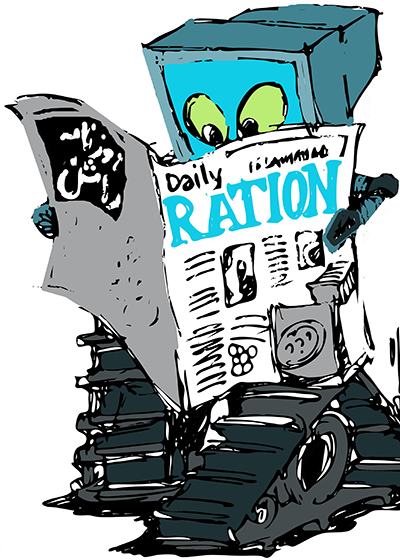
PHOTO: AI-generated; for illustrative purposes.
Key Points
- Definition: a timed agreement to withhold publication until a specified release time.
- Purpose: allows verification, sourcing, interviews and fuller reporting before publication.
- Common users: governments, research institutions, corporations, international organisations and PR teams.
- Journalist obligations: respect the embargo time, confirm details and seek independent comment.
- Limitations: embargoes can raise fairness and competitive issues and may be broken in fast news cycles.
Key Questions & Answers
What is a news embargo?
An embargo is an agreement providing reporters with information ahead of public release on the condition they do not publish until a specified date and time.
Why do organisations use embargoes?
They give journalists time to verify claims, seek comments, prepare context and produce more accurate, in-depth reporting.
Are journalists obliged to honour embargoes?
Honour is generally voluntary but expected by most newsrooms; breaking an embargo can harm relationships and future access.
What are common criticisms of embargoes?
Criticisms include unequal access, pressure to conform to supplier timelines, and potential delays in public awareness of urgent information.
Relevant Topics
Ask AI: Understand this story your way
AI EnabledDig deeper, ask anything — get instant context, background, and clarity.
Disclaimer: This feature is powered by AI and is intended to help readers explore and understand news stories more easily. While we strive for accuracy, AI-generated responses may occasionally be incomplete or reflect limitations in the underlying model. This feature does not represent the editorial views of JournalismPakistan. For our full, verified reporting, please refer to the original article.