
Indian press bodies condemn hurdles faced by veteran journalist
JournalismPakistan.com | Published: 30 June 2026 | JP Asia Desk
Join our WhatsApp channel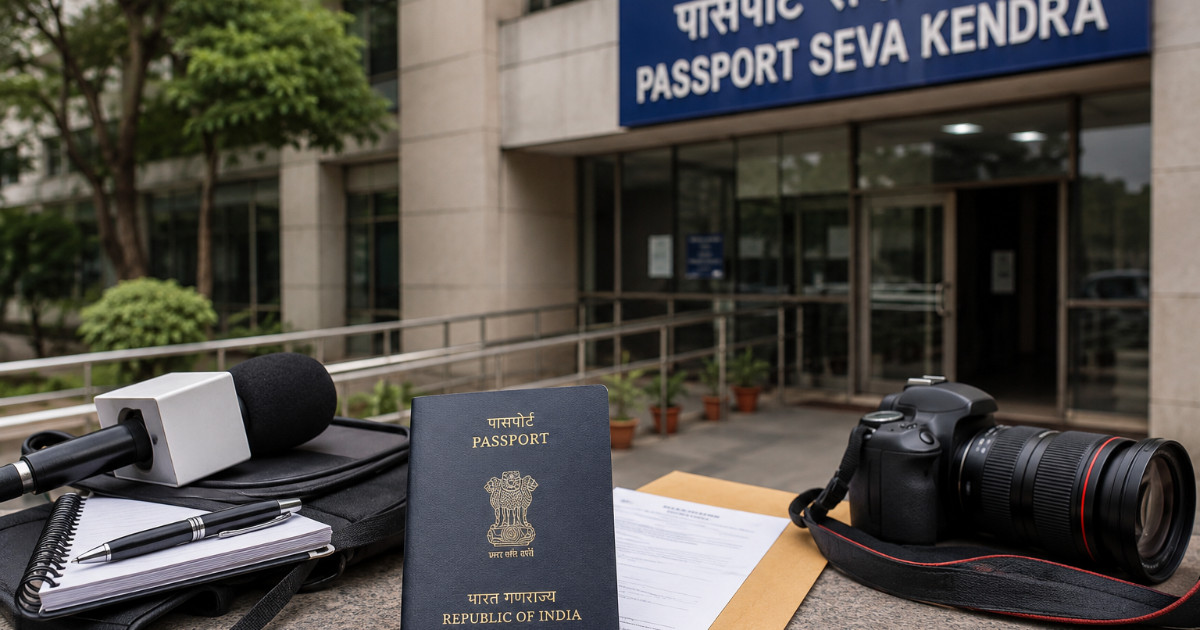
Press bodies condemned administrative hurdles faced by veteran journalist R. Rajagopal after his passport renewal stalled following removal from West Bengal's electoral roll and verification, warning the episode highlights risks to independent journalism.Summary
NEW DELHI — India's leading journalist organizations have condemned what they describe as the administrative victimization of veteran journalist R. Rajagopal after his passport renewal became entangled in bureaucratic procedures, arguing that the case raises broader concerns about the environment for independent journalism in the country. The intervention by press bodies has added a media freedom dimension to a dispute that has already drawn attention from journalists, politicians, and civil society groups.
The criticism came after the Indian Women's Press Corps (IWPC) and the Press Association issued a joint statement expressing solidarity with Rajagopal, a former editor of The Telegraph. The organizations said the difficulties surrounding his passport renewal and other administrative obstacles reflected a troubling pattern in which bureaucratic processes could be used to pressure or discourage journalists known for independent reporting.
Press groups raise concerns
The press organizations urged authorities to ensure that administrative mechanisms are not misused in ways that undermine press freedom or create unnecessary hardship for journalists. While the case centers on Rajagopal's personal circumstances, the groups argued that it reflects wider concerns about the operating climate for independent media professionals in India.
Rajagopal has publicly said his passport renewal was stalled after his name was removed from West Bengal's electoral roll during the Special Intensive Revision (SIR) exercise. He has stated that the resulting police verification affected his passport application, preventing him from traveling overseas, including for a family event. Authorities have not publicly characterized the case as targeting journalism.
Administrative process under scrutiny
The controversy has generated discussion among journalists and civil society advocates over whether administrative procedures can have unintended or disproportionate consequences for media professionals. Press groups say such cases risk creating a chilling effect if journalists perceive bureaucratic actions as punitive, regardless of whether they stem from administrative decisions or policy implementation.
The episode has also fueled renewed debate about the need for transparent, timely, and accountable administrative processes affecting journalists, particularly when delays or procedural disputes interfere with professional responsibilities or international travel. Media organizations have called for the matter to be resolved fairly and in accordance with due process.
WHY THIS MATTERS: Administrative measures can affect journalists as significantly as direct legal action when they impede reporting, travel, or professional activities. For news organizations, the case highlights the importance of monitoring not only formal restrictions on press freedom but also bureaucratic processes that may have broader implications for independent journalism.
ATTRIBUTION: Reporting by JournalismPakistan, based on publicly available reports by NewsClick (June 2026), The Times of India, and Deccan Chronicle published June 28-30, 2026.
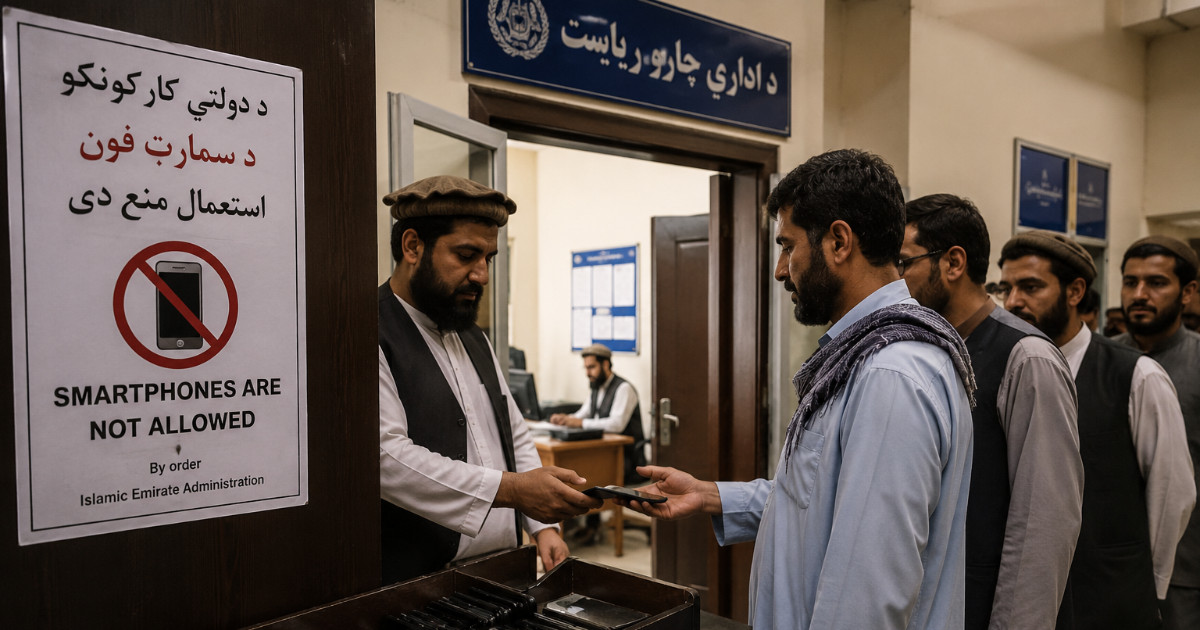
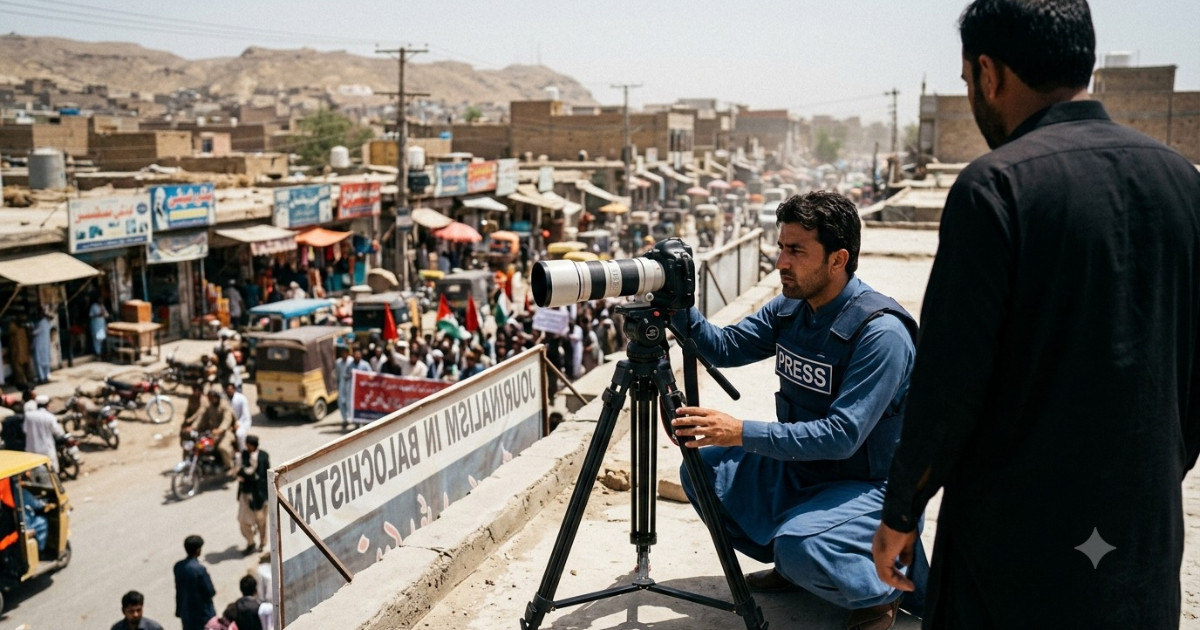
PHOTO: AI-generated; for illustrative purposes only.
Key Points
- Leading press bodies condemned administrative obstacles in R. Rajagopal's passport renewal.
- Passport renewal was reportedly stalled after Rajagopal's name was removed from West Bengal's electoral roll during SIR.
- Police verification following the electoral roll change contributed to the delay.
- Press organizations warned the case could signal broader risks to independent journalism.
- Groups urged authorities to prevent the misuse of administrative procedures against journalists.
Key Questions & Answers
What happened to R. Rajagopal's passport renewal?
His passport renewal was reportedly stalled after his name was removed from West Bengal's electoral roll during the Special Intensive Revision, prompting police verification and administrative delay.
Which organizations have responded?
The Indian Women's Press Corps (IWPC) and the Press Association, among other journalist groups, issued statements condemning the administrative hurdles and expressing solidarity.
Why are press bodies concerned?
They say the episode reflects a troubling pattern where bureaucratic processes might be used to pressure independent journalists, posing risks to media freedom.
What are the press groups demanding?
They have urged authorities to ensure administrative mechanisms are not misused and to take steps to protect journalists from undue hardship or intimidation.
Ask AI: Understand this story your way
AI EnabledDig deeper, ask anything — get instant context, background, and clarity.
Disclaimer: This feature is powered by AI and is intended to help readers explore and understand news stories more easily. While we strive for accuracy, AI-generated responses may occasionally be incomplete or reflect limitations in the underlying model. This feature does not represent the editorial views of JournalismPakistan. For our full, verified reporting, please refer to the original article.