
Why governments shut down the internet during protests
JournalismPakistan.com | Published: 30 June 2026 | JP Special Report
Join our WhatsApp channel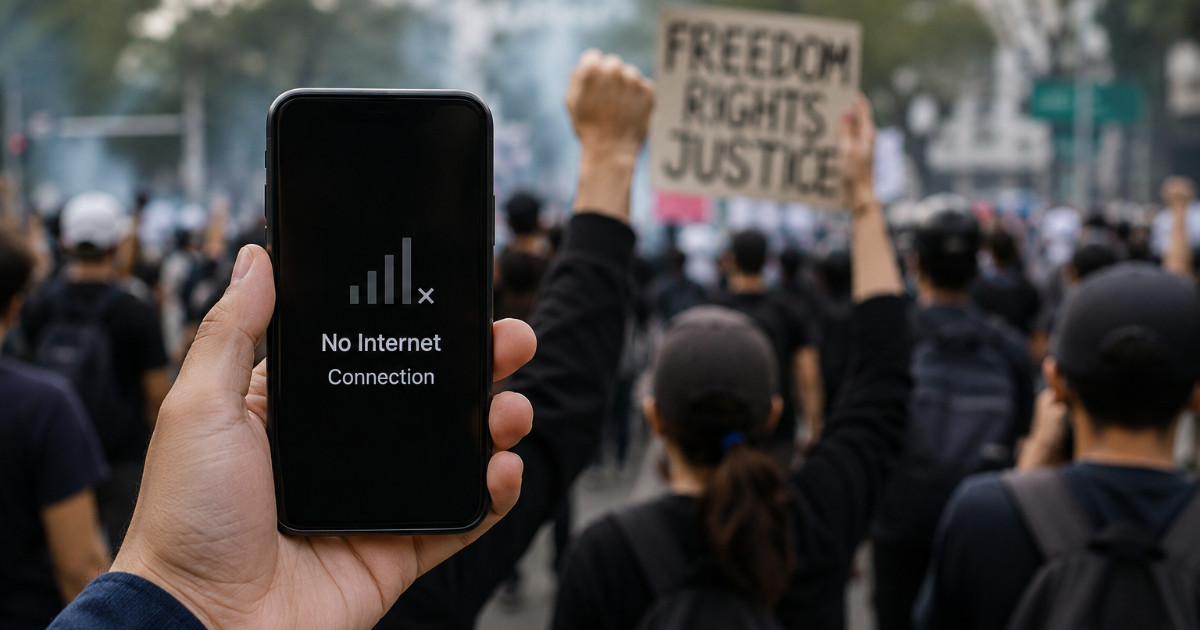
Governments often curb or shut down internet and social media during protests, saying limits prevent violence, rumour and threats to public order; critics say shutdowns violate free expression, hinder emergency response and conceal rights abuses.Summary
ISLAMABAD — When protests erupt, one of the first casualties is increasingly the internet. Governments around the world have repeatedly restricted or completely shut down mobile data, broadband services, or access to social media platforms during periods of political unrest, arguing that such measures are necessary to maintain public order and national security. Critics, however, contend that internet shutdowns suppress free expression, hinder access to information, disrupt emergency communications, and conceal human rights abuses from public scrutiny.
An internet shutdown is the intentional disruption of internet or electronic communications, rendering them inaccessible or effectively unusable for a specific population or location. Shutdowns can be nationwide, regional, or targeted at particular services such as Facebook, X, WhatsApp, or YouTube. Governments may order telecommunications companies to suspend services, slow internet speeds, or block access to selected websites and applications.
Controlling the flow of information
The primary reason governments impose internet restrictions during protests is to limit the rapid spread of information. Social media platforms enable demonstrators to organize rallies, share locations, livestream events, and mobilize supporters in real time. Authorities often argue that restricting these communications reduces the risk of violence, misinformation, or coordinated attacks.
Officials in several countries have defended shutdowns as temporary security measures intended to prevent rumors, hate speech, or incitement to violence from spreading online. During periods of unrest, governments may also seek to disrupt communications between protest organizers and participants, making demonstrations more difficult to coordinate.
In some cases, authorities also restrict internet access to reduce the circulation of videos and photographs documenting clashes between security forces and protesters. Human rights organizations argue that this limits independent reporting and reduces public oversight of government actions.
National security versus civil liberties
Governments generally justify shutdowns by citing national security, public safety, terrorism, or the need to prevent widespread disorder. During emergencies, authorities often contend that limiting digital communications can prevent panic and stop malicious actors from exploiting online platforms.
Civil society groups, press freedom organizations, and digital rights advocates challenge these justifications. They argue that blanket shutdowns affect millions of people who are not involved in protests and interfere with essential services, including healthcare, banking, education, transportation, and emergency response.
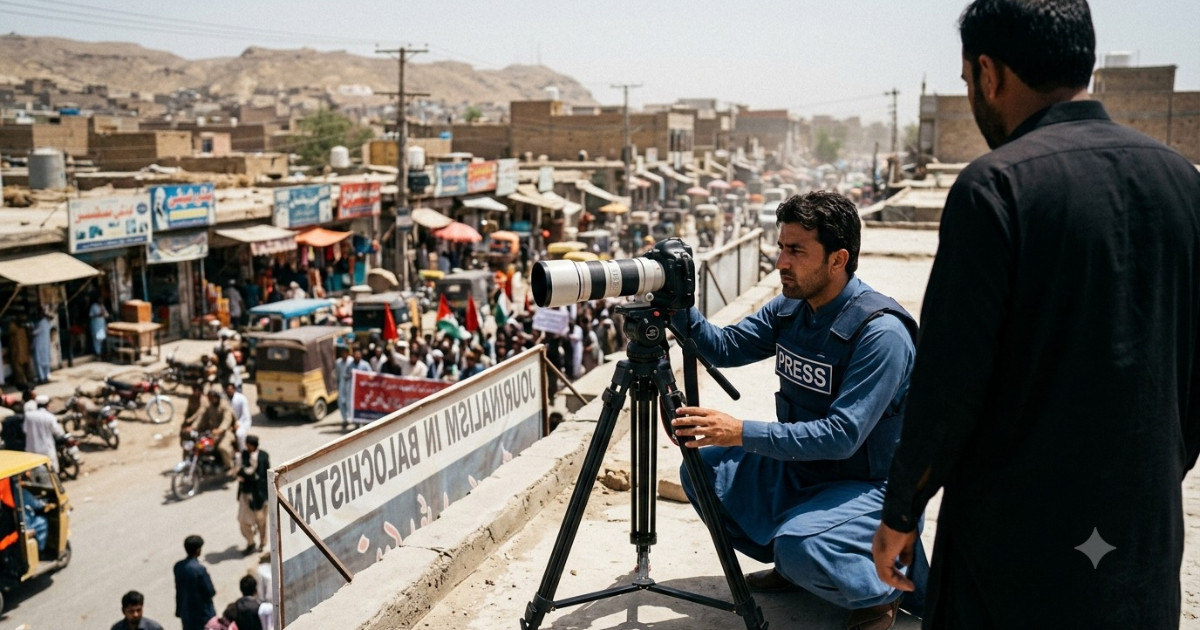
Journalists are among those most affected. Reporters rely on internet access to communicate with editors, verify information, transmit photographs and video, conduct interviews, and publish breaking news. Without reliable connectivity, media organizations may struggle to provide accurate and timely reporting, increasing the risk of misinformation filling the information vacuum.
Economic costs can be significant
Internet shutdowns carry substantial economic consequences. Businesses dependent on digital payments, online commerce, logistics, and cloud-based operations often experience immediate disruption. Small businesses and freelancers may lose income, while financial institutions, technology firms, and international companies face operational challenges.
The digital economy has made reliable internet connectivity an essential utility rather than a luxury. Even short disruptions can interrupt supply chains, delay transactions, and reduce productivity across multiple sectors.
Educational institutions also suffer when students lose access to online learning platforms, research materials, and communication tools. Hospitals and healthcare providers increasingly depend on internet-connected systems for patient records, diagnostics, and coordination.
Impact on journalism and press freedom
For journalists, internet shutdowns represent more than a technical inconvenience. They can severely restrict the public's right to receive information during moments of significant public interest.
News organizations often turn to satellite communications, fixed-line connections, or alternative reporting methods during prolonged shutdowns, but these options are not always available or affordable. Freelance journalists and smaller newsrooms are particularly vulnerable because they frequently lack backup communication systems.
International press freedom organizations have repeatedly warned that internet restrictions reduce transparency and make it more difficult to independently verify official accounts of events. When connectivity is limited, documenting abuses, fact-checking claims, and reaching eyewitnesses become considerably more challenging.
Different forms of digital restrictions
Not every internet restriction is a complete blackout. Governments employ various methods depending on their objectives and technical capabilities.
Some suspend only mobile internet while leaving fixed broadband operational. Others throttle internet speeds, making video uploads and livestreaming practically impossible without entirely disconnecting users. In other cases, authorities block specific social media platforms, messaging applications, or encrypted communication services while leaving the broader internet accessible.
These targeted restrictions are often presented as less disruptive than nationwide shutdowns but can still significantly affect journalists, activists, businesses, and ordinary citizens.
A growing global concern
Internet shutdowns have become an increasingly prominent issue in discussions about digital rights, democratic governance, and press freedom. International organizations, technology companies, media groups, and civil society organizations continue to debate whether governments should ever have the authority to impose broad communications restrictions during periods of unrest.
While governments maintain that temporary restrictions can be necessary in exceptional circumstances, critics argue that shutdowns often prove ineffective at preventing unrest while imposing widespread social, economic, and humanitarian costs. As societies become more dependent on digital connectivity, the debate over balancing public security with fundamental rights is likely to remain a central issue for policymakers, journalists, and citizens alike.
ATTRIBUTION: This explainer is part of the JP Explains series by JournalismPakistan, which examines key issues shaping journalism, media, digital rights, and the information landscape. Reporting and analysis by JournalismPakistan, based on publicly available research, official documents, and reports from credible international organizations and digital rights groups.
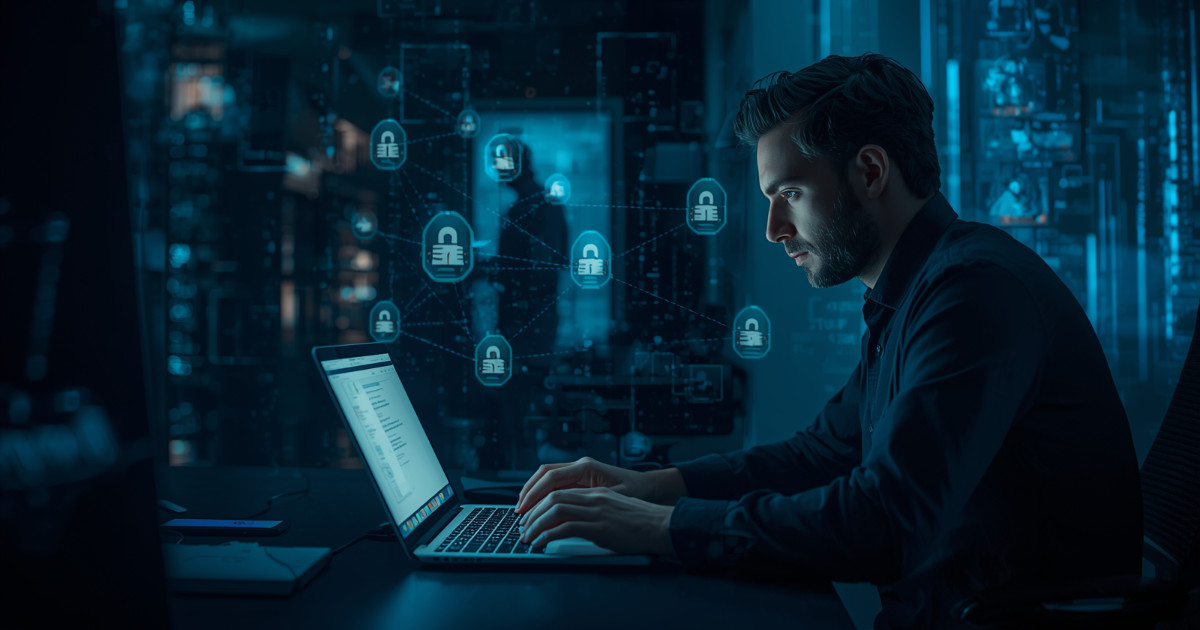
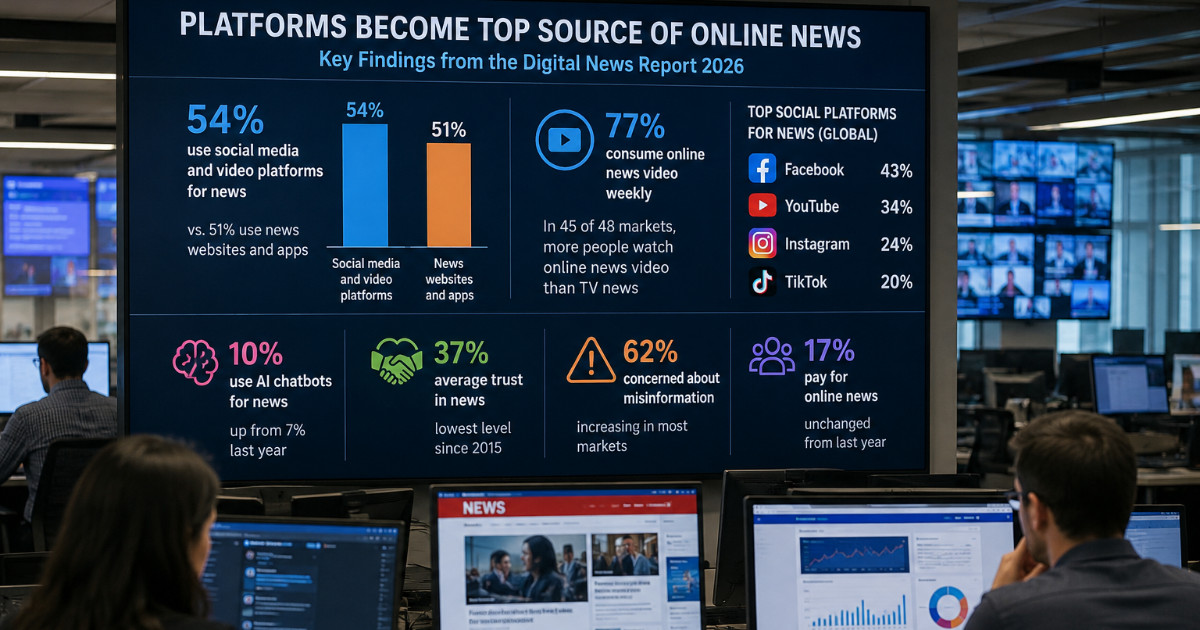
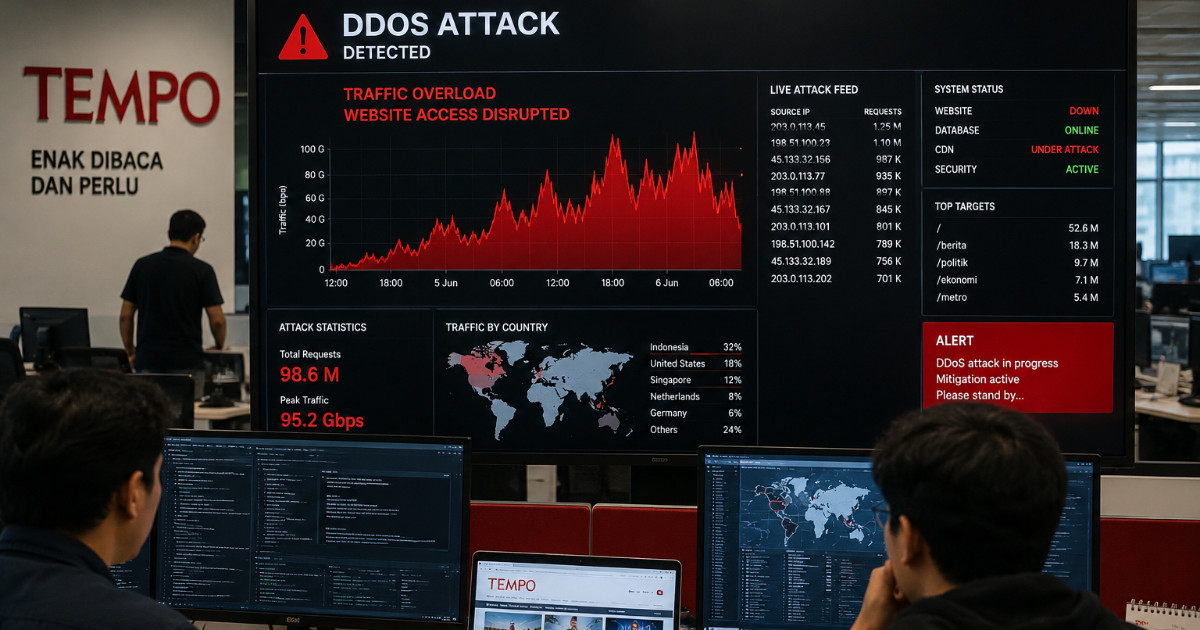
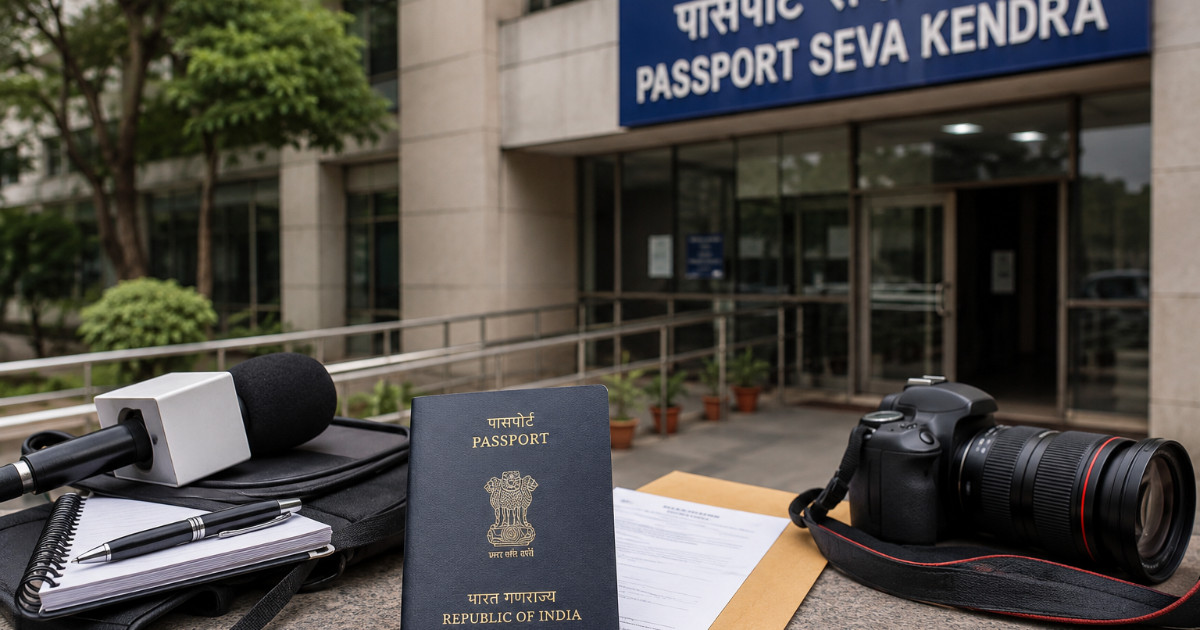
PHOTO: AI-generated; for illustrative purposes.
Key Points
- Internet shutdowns are deliberate disruptions of online services for a specific area or population.
- Authorities cite public order, security and prevention of misinformation as reasons for shutdowns.
- Shutdowns can target mobile data, broadband or specific platforms like Facebook, X or WhatsApp.
- Critics argue shutdowns suppress free expression, obscure abuses and hinder emergency communications.
- Impact includes disrupted services, economic losses and obstacles to independent reporting and aid.
Key Questions & Answers
What is an internet shutdown?
An internet shutdown is the intentional disruption or blocking of internet and electronic communications in a specific area or for a specific population, making services inaccessible or unusable.
Why do governments order shutdowns during protests?
Officials often say shutdowns prevent violence, stop the spread of rumours or extremist content, and protect public order and national security.
What are the main criticisms of shutdowns?
Critics say shutdowns violate free expression, limit access to information, impede independent reporting, and can conceal human rights abuses.
How do shutdowns affect emergency services and ordinary people?
They can disrupt emergency communications, hamper medical and relief coordination, interrupt businesses, and isolate communities from vital information.
Relevant Topics
Ask AI: Understand this story your way
AI EnabledDig deeper, ask anything — get instant context, background, and clarity.
Disclaimer: This feature is powered by AI and is intended to help readers explore and understand news stories more easily. While we strive for accuracy, AI-generated responses may occasionally be incomplete or reflect limitations in the underlying model. This feature does not represent the editorial views of JournalismPakistan. For our full, verified reporting, please refer to the original article.