
What is Generative Engine Optimization and why publishers are paying attention
JournalismPakistan.com | Published: 26 May 2026 | JP Special Report
Join our WhatsApp channel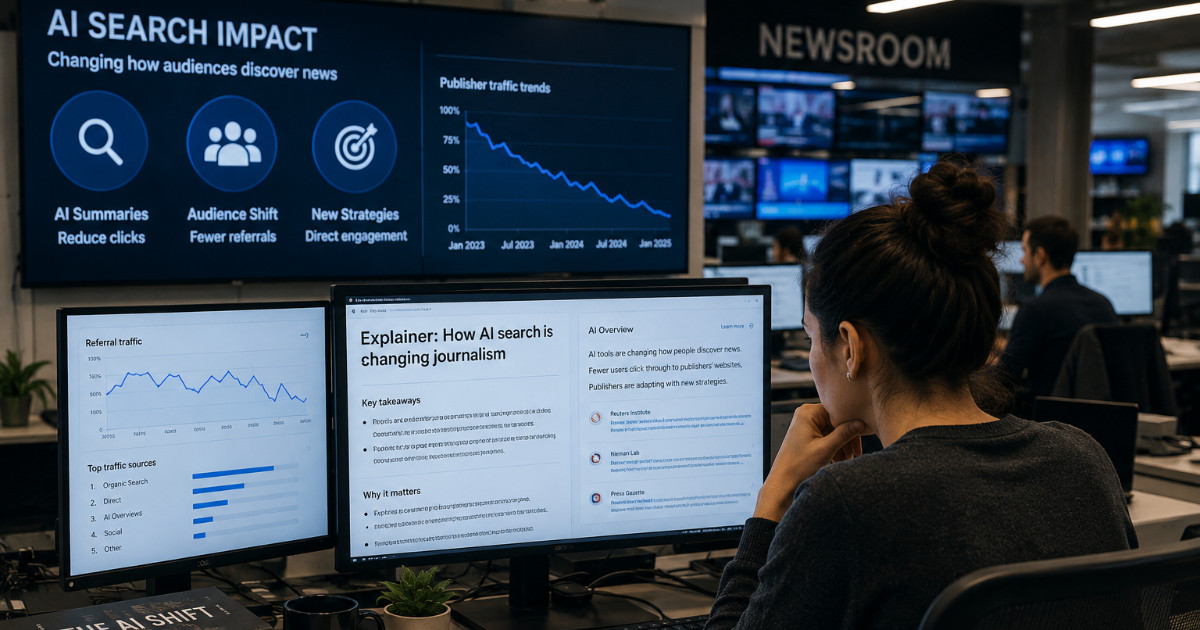
As AI alters search, publishers are using Generative Engine Optimization to shape content for AI answers and reliable citations. GEO focuses on topical authority, clear facts and structured formats so AI systems can summarize and credit reporting.Summary
ISLAMABAD — As artificial intelligence reshapes how people discover information online, publishers and digital media companies are increasingly turning their attention to a new concept known as Generative Engine Optimization, or GEO, amid growing concerns that traditional search engine strategies may no longer guarantee audience traffic.
The shift comes as AI-powered search summaries, chatbot responses, and conversational search tools reduce the number of users clicking directly on links, forcing publishers to rethink how journalism is structured, distributed, and surfaced across digital platforms. Media analysts say the rise of AI-generated answers is accelerating changes already underway in online publishing, where audience loyalty and direct engagement are becoming more important than search referrals alone.
What GEO means for publishers
Generative Engine Optimization refers to the practice of organizing and presenting online content in ways that improve its visibility, citation potential, and discoverability within AI-generated responses rather than only in traditional search rankings.
Unlike conventional Search Engine Optimization, which focuses heavily on keywords, backlinks, and page rankings, GEO emphasizes topical authority, factual clarity, structured formatting, and content that AI systems can reliably summarize or cite.
Industry observers say publishers are increasingly experimenting with explainer articles, structured question-and-answer formats, bullet points, timelines, and topic-focused reporting as AI systems prioritize concise and authoritative material when generating responses for users.
The trend has become particularly relevant following the expansion of AI search tools from companies including Google, OpenAI, Microsoft, and Perplexity, which increasingly provide synthesized answers directly within search interfaces.
Publishers adapt to changing traffic patterns
Media organizations worldwide have warned that AI-generated summaries could significantly reduce referral traffic to websites by allowing users to consume information without clicking through to original reporting.
In response, many publishers are placing greater emphasis on newsletters, memberships, mobile apps, podcasts, and direct relationships with readers rather than relying primarily on search engines or social platforms for distribution.
Smaller niche publishers may also benefit from the shift, according to some media analysts, as AI systems increasingly favor specialized sources with consistent topical expertise over broader general-interest websites.
Journalism-focused publications, technology analysts, and digital media researchers have noted that highly structured explainers, industry trackers, and reference-style journalism are becoming more valuable in the AI era because they provide context and clarity that automated systems can more easily identify and reference.
Newsrooms rethink digital strategies
The growing focus on GEO is also influencing newsroom workflows and editorial planning, with publishers reassessing the balance between fast-moving breaking news and evergreen explanatory journalism.
Media executives and digital strategists have increasingly argued that original reporting, analysis, and specialized expertise may become more important as AI systems flood online platforms with summarized or duplicated information.
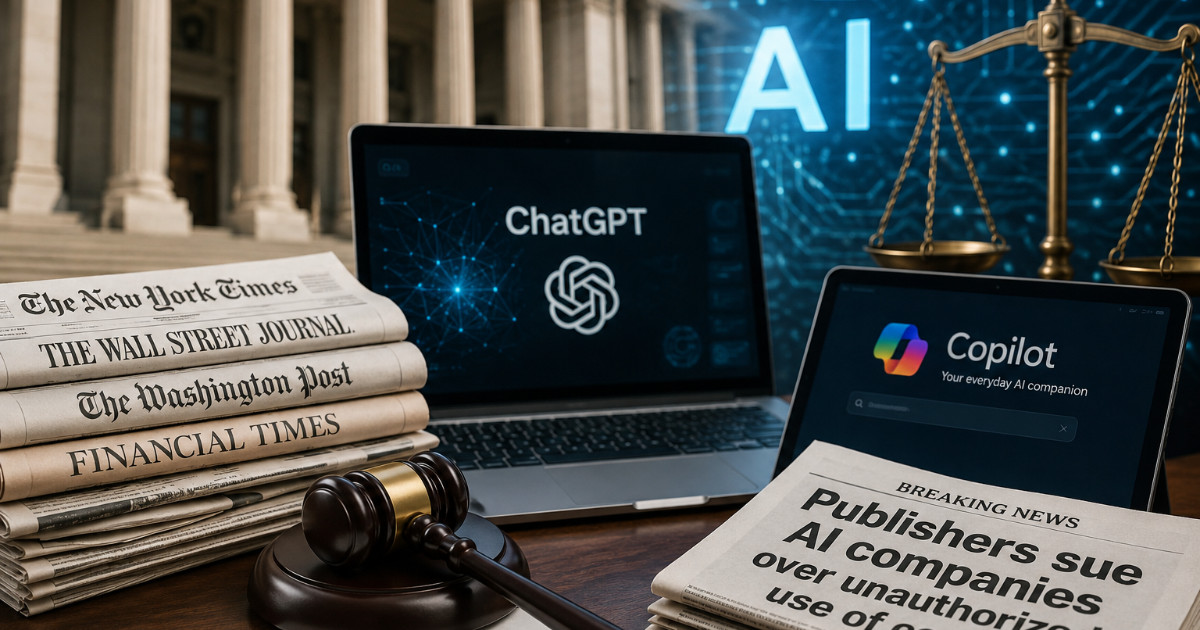
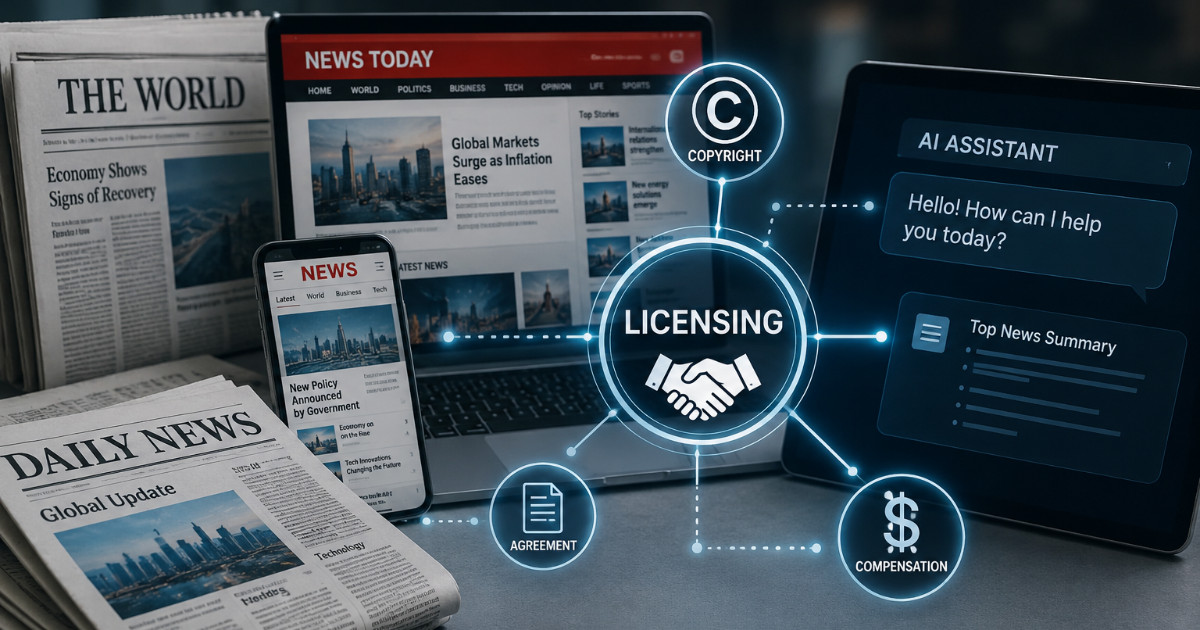
At the same time, publishers remain concerned about transparency, attribution, and compensation, particularly as AI systems increasingly rely on journalism content to generate responses without consistently driving traffic back to sources.
The Reuters Institute for the Study of Journalism and other media research organizations have previously warned that AI-driven search could intensify financial pressure on publishers already facing declining advertising revenues and shifting audience habits.
Some media organizations are now experimenting with AI-assisted products, interactive explainers, and audience engagement tools to strengthen direct relationships with readers while adapting to evolving patterns of online discovery.
WHY THIS MATTERS: The rise of GEO reflects a broader transformation in how journalism is discovered online as AI systems increasingly mediate access to information. For publishers and media professionals, the shift may require new editorial strategies focused on authority, explainers, structured reporting, and direct audience relationships rather than relying primarily on traditional search traffic.
ATTRIBUTION: Reporting by JournalismPakistan, based on publicly available research and reports from the Reuters Institute for the Study of Journalism and industry reporting published between 2025 and 2026.
PHOTO: AI-generated; for illustrative purposes only.
Key Points
- GEO means organizing content so AI models can cite or summarize it reliably.
- It shifts focus from keywords and backlinks to topical authority and factual clarity.
- Publishers experiment with explainers, Q&A, bullet lists, timelines and structured data.
- GEO aims to preserve visibility and attribution as AI-driven answers reduce direct clicks.
- Adoption requires editorial changes, verification practices and new distribution strategies.
Key Questions & Answers
What is Generative Engine Optimization (GEO)?
GEO is the practice of structuring and presenting content so AI systems can reliably summarize, cite, and surface it in generated answers.
How does GEO differ from traditional SEO?
While SEO focuses on keywords, backlinks and rankings, GEO emphasizes topical authority, factual clarity, structured formatting and citation potential for AI.
What content formats help with GEO?
Explainer pieces, clear Q&A, bullet points, timelines, structured data and concise fact boxes improve the chance of being used by AI tools.
Why are publishers paying attention to GEO?
AI-generated summaries and chat answers are reducing direct referrals, so publishers use GEO to maintain visibility, attribution and audience engagement.
Relevant Topics
Ask AI: Understand this story your way
AI EnabledDig deeper, ask anything — get instant context, background, and clarity.
Disclaimer: This feature is powered by AI and is intended to help readers explore and understand news stories more easily. While we strive for accuracy, AI-generated responses may occasionally be incomplete or reflect limitations in the underlying model. This feature does not represent the editorial views of JournalismPakistan. For our full, verified reporting, please refer to the original article.