
US subpoenas New York Times journalists in leak investigation
JournalismPakistan.com | Published: 14 July 2026 | JP Global Monitoring
Join our WhatsApp channel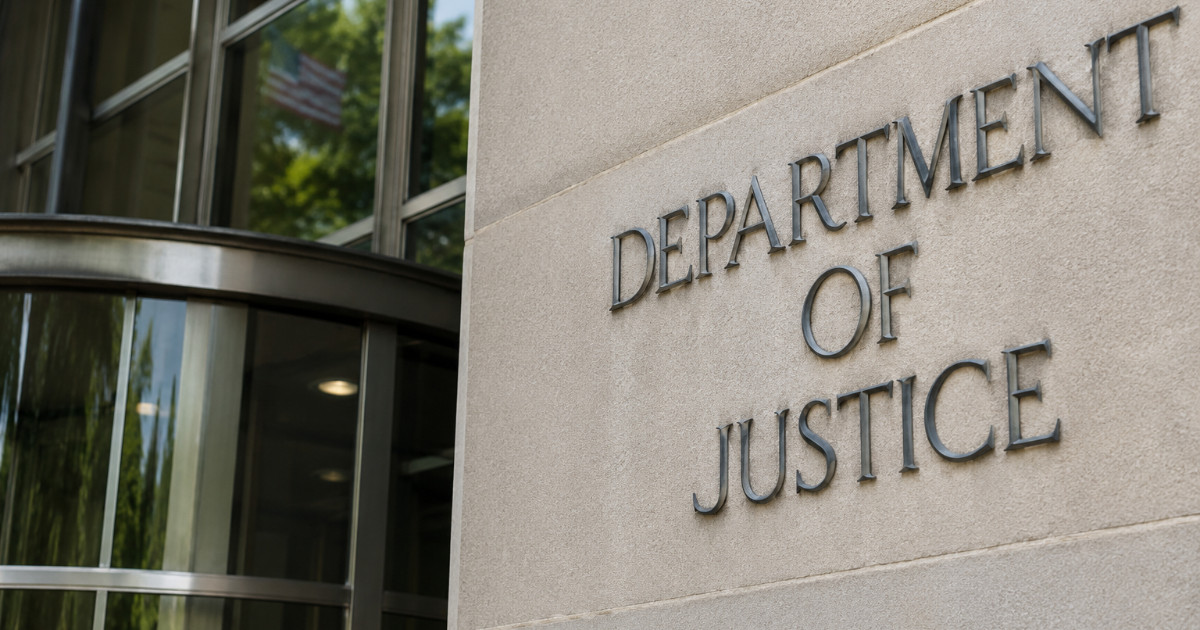
US Justice Department subpoenaed New York Times journalists to testify before a Manhattan grand jury in a leak probe about security vulnerabilities on the newly retrofitted Air Force One; The Times says it refused FBI requests to reveal confidential sources.Summary
WASHINGTON — The U.S. Justice Department has subpoenaed several New York Times journalists to testify before a federal grand jury investigating leaks related to security concerns surrounding the government's newly commissioned Air Force One aircraft, a move that has sparked fresh warnings from press freedom advocates about the protection of confidential journalism sources.
According to The New York Times, federal agents delivered subpoenas to some reporters at their homes, requiring them to appear before a grand jury in Manhattan next week. The newspaper said the subpoenas followed reporting on security vulnerabilities involving the newly retrofitted Air Force One aircraft, a Boeing jet gifted by Qatar and upgraded at a reported cost of $400 million before entering service last week.
The journalists named in the subpoenas include Julian E. Barnes, Eric Lipton, Tyler Pager, and Eric Schmitt, all of whom have covered national security and defense issues for the newspaper.
The Times also reported that before publication of its first story, a senior FBI official urged the newspaper to delay publication, citing national security concerns, and requested the identities of confidential sources. The newspaper declined both requests, saying it would not reveal its sources.
Press freedom concerns
The subpoenas have drawn strong criticism from media lawyers and press freedom organizations, who argue that compelling journalists to testify risks undermining the confidentiality that enables investigative reporting.
David McCraw, a lawyer representing The New York Times, described the appearance of federal law enforcement officers at journalists' homes as deeply troubling for constitutional protections of a free press.
Bruce D. Brown, president of the Reporters Committee for Freedom of the Press, said the move departs from long-established Justice Department practices that generally require prosecutors to exhaust other investigative options before seeking information from journalists. He warned that such actions threaten press independence and could discourage whistleblowers from coming forward.
The Foundation for Individual Rights and Expression also criticized the subpoenas, saying compelling reporters to appear before grand juries sends a chilling message to both journalists and government sources.
Justice Department defends investigation
The Justice Department said the reporters themselves are not targets of the investigation, emphasizing that prosecutors are pursuing individuals suspected of unlawfully disclosing classified information.
Officials said the department recognizes the important role of the press but also has a responsibility to investigate unauthorized leaks that could affect national security.
The investigation centers on reports that the new Air Force One lacked some advanced defensive systems found on older presidential aircraft, prompting President Donald Trump to briefly switch aircraft during recent overseas travel. The administration has denied that security concerns motivated the decision.
Part of a broader confrontation
The subpoenas come amid an increasingly tense relationship between the Trump administration and major U.S. news organizations.
Earlier this year, the Justice Department also sought testimony from reporters at The Washington Post and The Wall Street Journal in separate leak investigations before later withdrawing those subpoenas. In April 2025, Attorney General Pam Bondi rescinded a Biden-era policy that had limited prosecutors' ability to use subpoenas and other legal tools against journalists during leak investigations, restoring broader authority to pursue such cases.
Media organizations argue that while governments have a legitimate interest in protecting classified information, compelling journalists to disclose information about their reporting risks weakening source protection and could discourage investigative journalism on matters of public interest. The latest subpoenas are therefore expected to intensify the ongoing debate over the balance between national security and press freedom in the United States.
WHY THIS MATTERS: Compelling journalists to testify in leak investigations can weaken source confidentiality, a cornerstone of investigative reporting. Press freedom advocates warn that such actions may discourage whistleblowers and make it harder for the media to hold governments accountable.
ATTRIBUTION: Reporting by JournalismPakistan, based on an Associated Press report, with additional context and editing by the JournalismPakistan editorial team.
Key Points
- The Justice Department has subpoenaed New York Times reporters in a leak investigation.
- Reporters named include Julian E. Barnes, Eric Lipton, Tyler Pager and Eric Schmitt.
- Subpoenas were reportedly delivered to some reporters at their homes.
- The probe focuses on reported security vulnerabilities on the newly retrofitted Air Force One.
- Media lawyers and press freedom groups warn subpoenas threaten source confidentiality.
- The New York Times says it declined FBI requests to delay publication and refused to disclose sources.
Key Questions & Answers
Why were New York Times journalists subpoenaed?
The subpoenas seek testimony before a grand jury in an investigation of leaks about reported security vulnerabilities on the newly retrofitted Air Force One.
Which reporters were named?
Reports identified Julian E. Barnes, Eric Lipton, Tyler Pager and Eric Schmitt as journalists named in the subpoenas.
Did The New York Times provide its confidential sources?
No. The Times says it refused FBI requests to reveal confidential sources and declined to delay publication.
What do press freedom advocates say?
Media lawyers and press freedom groups warn that compelled testimony can undermine source confidentiality and investigative reporting.
Relevant Topics
Ask AI: Understand this story your way
AI EnabledDig deeper, ask anything — get instant context, background, and clarity.
Disclaimer: This feature is powered by AI and is intended to help readers explore and understand news stories more easily. While we strive for accuracy, AI-generated responses may occasionally be incomplete or reflect limitations in the underlying model. This feature does not represent the editorial views of JournalismPakistan. For our full, verified reporting, please refer to the original article.