
Nine journalist threat cases recorded across Pakistan in June
JournalismPakistan.com | Published: 15 July 2026 | JP Staff Report
Join our WhatsApp channel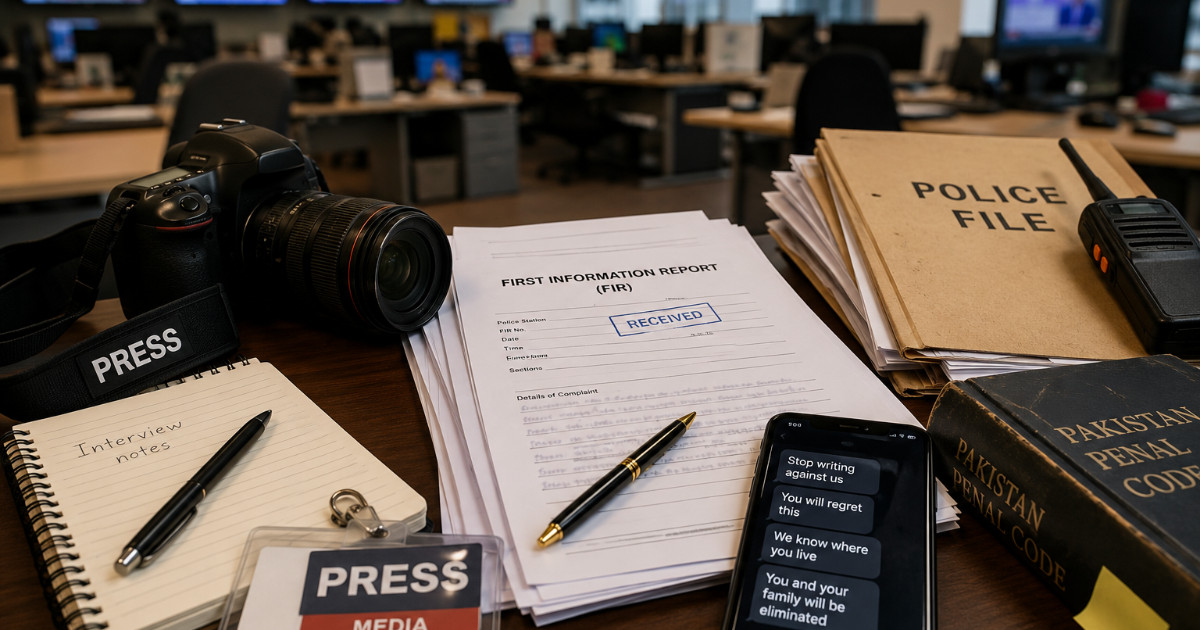
Nine incidents of threats, arrests, legal action, assaults and intimidation against journalists were recorded in Pakistan in June, Pakistan Press Club Safety Hubs Network said. Six cases allegedly involved state actors, and journalist Razi Tahir was arrested in Islamabad on June 23.Summary
ISLAMABAD — Nine incidents involving threats, legal action, arrest, assault, and intimidation against journalists were documented across Pakistan during June 2026, underscoring continuing concerns over press freedom and the safety of media professionals working in the country. The cases, recorded by the Pakistan Press Club Safety Hubs Network, involved journalists from Punjab, Khyber Pakhtunkhwa, Azad Jammu and Kashmir, Gilgit-Baltistan, and Islamabad and reflected a wide range of risks faced by reporters carrying out their professional duties.
The incidents were documented through the Pakistan Press Club Safety Hubs Network, a program managed by Freedom Network since 2016 in collaboration with six major press clubs in Lahore, Multan, Quetta, Peshawar, Gilgit, and Muzaffarabad. The initiative monitors violations against journalists and media workers while providing support to those facing security risks. According to the June data, cases ranged from legal proceedings and arrests to threats of murder, physical assaults, intimidation, and harassment.
State actors dominate reported cases
The June documentation shows that six of the nine reported incidents allegedly involved state actors, while two were attributed to non-state actors and one to a criminal gang. The affected journalists included two television reporters, five print journalists, and two journalists working primarily through online platforms.
Among the most serious incidents was the arrest of independent journalist Razi Tahir in Islamabad on June 23 after his interim pre-arrest bail was dismissed in a case registered under the Prevention of Electronic Crimes Act (PECA). He was taken into custody by officials of the National Cyber Crime Investigation Agency (NCCIA) from the Islamabad District Courts. Press freedom organizations later expressed concern that criminal provisions of PECA continue to be applied in cases involving journalists and online expression. Legal proceedings remained ongoing at the time the June report was compiled.
Another case involved Lahore Rang correspondent Arslan Shaukat Mahandrah, who was booked in a criminal case in Rahim Yar Khan after reporting on a public-interest issue involving transgender persons allegedly filming videos in public parks. Police registered the case under Sections 341 and 506 of the Pakistan Penal Code, while local journalists argued that he had been performing legitimate reporting duties. Members of the District Press Club condemned what they described as a baseless case and called for its withdrawal.
Legal pressure and intimidation
The report also documented regulatory pressure against Daily Saaf Saaf Chief Editor Habibullah Malik, who received a show-cause notice from the Deputy Commissioner of Rahim Yar Khan under the Press, Newspapers, News Agencies and Books Registration Ordinance, 2002. The notice followed publication of a report concerning an open sewerage manhole and alleged that the article contained defamatory and unverified information. The editor was directed to appear before the deputy commissioner with supporting evidence, while the possibility of further legal proceedings remained open.
In Multan, Daily Baithak editor Shakeel Ahmad Baloch alleged that NCCIA officials twice visited his newsroom during a single day while investigating him. According to his account, officials entered the office without presenting warrants or written authorization, intimidated staff, and seized a computer without providing documentation. The reported actions raised concerns regarding due process and the protection of journalistic material during cybercrime investigations.
Elsewhere, Channel 92 correspondent Farhan Arshad Bhatti alleged that officials from the Punjab Enforcement and Regulatory Authority confronted and intimidated him after he published a report criticizing the agency's conduct toward traders in Gujranwala. According to the report, the matter was later brought before the Deputy Commissioner, after which an apology was reportedly offered, and one official involved in the incident was transferred.
Physical attacks continue
Violence against journalists also featured prominently during June.
Crime reporter Mian Zahid Owaisi of Daily Khabrain was attacked by a group of unidentified men near Bandra Pul in Bahawalpur on June 7. He sustained serious injuries after being assaulted with sticks and clubs and was taken to Bahawal Victoria Hospital for treatment. Police later arrested three suspects after reviewing CCTV footage and other evidence, while investigations continued to identify additional attackers. Local journalist organizations condemned the assault as an attack on press freedom and journalist safety.
Reporter Hidayat Ullah of Aaj News and Daily Aaj was allegedly manhandled while documenting concerns about the use of substandard materials in a road construction project in Bannu. An FIR was subsequently registered against the accused under multiple provisions of the Pakistan Penal Code, and the investigation remained underway.
Threats and death warnings
The June report also documented two cases involving direct threats against journalists linked to their reporting.
Freelance journalist Kifayat Ullah Yousafzai of Charsadda reportedly received a threatening phone call after publishing reports alleging corruption and irregularities at the Women and Children Hospital in Charsadda. According to the report, the caller warned him to stop reporting on the issue and claimed that individuals associated with the hospital's medical superintendent, along with a criminal group based in Batkhela, could target him if he continued his investigations. While no physical attack followed, the threat highlighted the risks faced by journalists investigating governance and accountability issues.
In Lahore, Daily Khabrain correspondent Hasnain Akhlaq sought police action after allegedly receiving death threats following the publication of a report concerning alleged irregularities in the Lahore Development Authority's Housing-III wing. According to the complaint, the journalist was first threatened by an LDA official while seeking the organization's response to his report. He later alleged that a union office-bearer warned via WhatsApp that both he and his children would be killed if similar reports were published. Journalist organizations condemned the threats and urged authorities to register a criminal case and ensure the safety of the reporter.
Pattern reflects continuing risks
Taken together, the June cases illustrate the diverse range of pressures confronting journalists across Pakistan. Rather than being confined to one province or one form of intimidation, the reported incidents included criminal cases, regulatory notices, arrests, physical violence, newsroom raids, intimidation by public officials, and threats allegedly linked to investigative reporting.
The documented cases also demonstrate that journalists covering corruption, governance, crime, local administration, development projects, and public-interest issues remain particularly vulnerable to retaliation. While authorities responded in some instances through arrests, transfers of officials, or ongoing investigations, many of the reported cases remained unresolved at the time the monthly documentation was compiled.
WHY THIS MATTERS: The June documentation reinforces that threats to journalists in Pakistan continue to take multiple forms, extending beyond physical violence to include legal proceedings, regulatory action, digital investigations, and intimidation. For news organizations, the findings highlight the importance of newsroom safety protocols, legal preparedness, and institutional support for reporters covering sensitive public-interest issues. The report also provides a useful snapshot of emerging patterns affecting journalism across Pakistan, helping editors, media organizations, and press freedom advocates identify trends and assess where additional safeguards may be needed.
ATTRIBUTION: Reporting by JournalismPakistan, based on documentation released by the Pakistan Press Club Safety Hubs Network managed by Freedom Network for June 2026, and publicly available information contained in the monthly incident report.
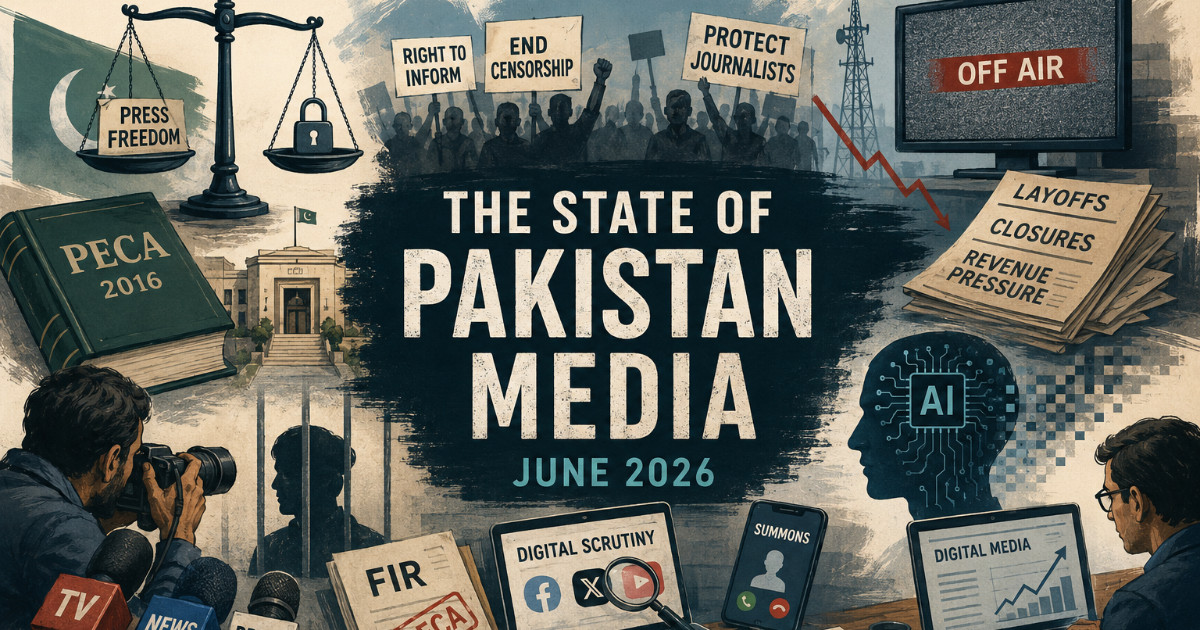
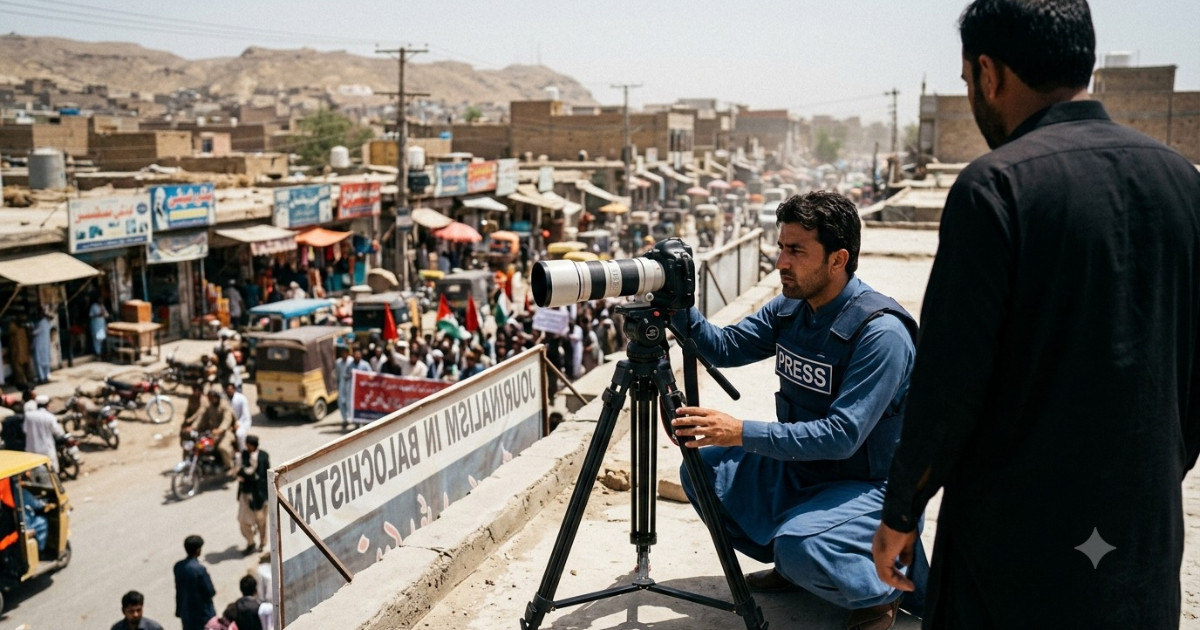
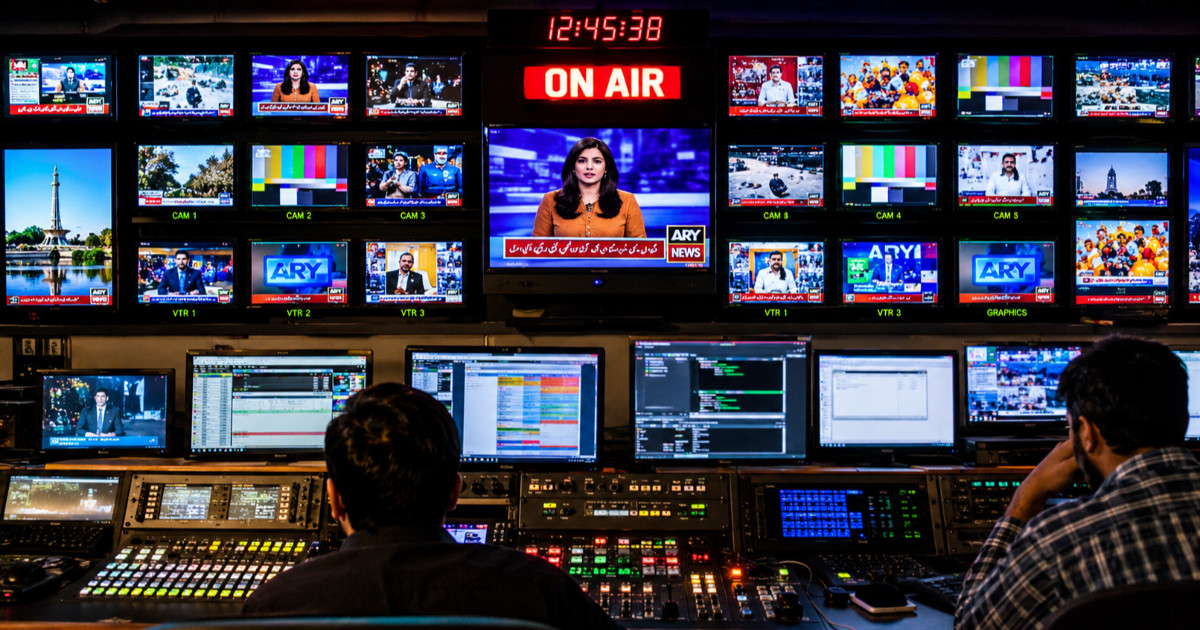
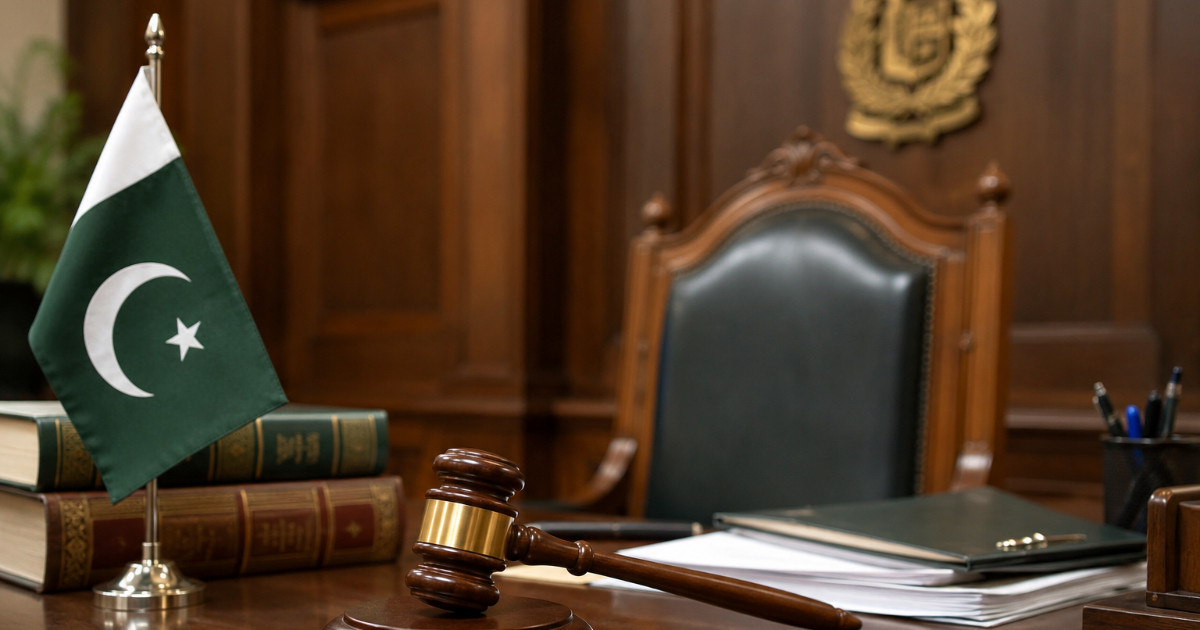
PHOTO: AI-generated; for illustrative purposes only.
Key Points
- Nine incidents against journalists were recorded across Pakistan in June.
- Reported violations included threats, legal action, arrests, assaults and intimidation.
- Cases were documented by the Pakistan Press Club Safety Hubs Network managed by Freedom Network and six press clubs.
- Six incidents allegedly involved state actors, two non-state actors and one a criminal gang.
- Independent journalist Razi Tahir was arrested in Islamabad on June 23 after his interim bail was dismissed.
Key Questions & Answers
What does the June documentation report?
It records nine incidents across provinces involving threats, legal proceedings, arrests, assaults and intimidation against journalists during June.
Who compiled these cases?
The Pakistan Press Club Safety Hubs Network, managed by Freedom Network in collaboration with six major press clubs, documented the cases.
Which areas and media did the incidents involve?
Cases involved journalists from Punjab, Khyber Pakhtunkhwa, Azad Jammu and Kashmir, Gilgit-Baltistan and Islamabad, including TV, print and online reporters.
What kind of support or follow-up exists?
The Safety Hubs Network monitors violations and provides support to affected journalists, including reporting incidents and coordinating assistance through press clubs and rights organisations.
Relevant Topics
Ask AI: Understand this story your way
AI EnabledDig deeper, ask anything — get instant context, background, and clarity.
Disclaimer: This feature is powered by AI and is intended to help readers explore and understand news stories more easily. While we strive for accuracy, AI-generated responses may occasionally be incomplete or reflect limitations in the underlying model. This feature does not represent the editorial views of JournalismPakistan. For our full, verified reporting, please refer to the original article.