
DRF USA report warns of expanding cyber surveillance in Pakistan
JournalismPakistan.com | Published: 17 July 2026 | JP Staff Report
Join our WhatsApp channel
A DRF USA report finds Pakistan's cyber-surveillance, including spyware, LIMS and DPI tools, has outpaced legal safeguards. It warns these powers endanger privacy, press freedom and the rights of journalists, activists and human rights defenders.Summary
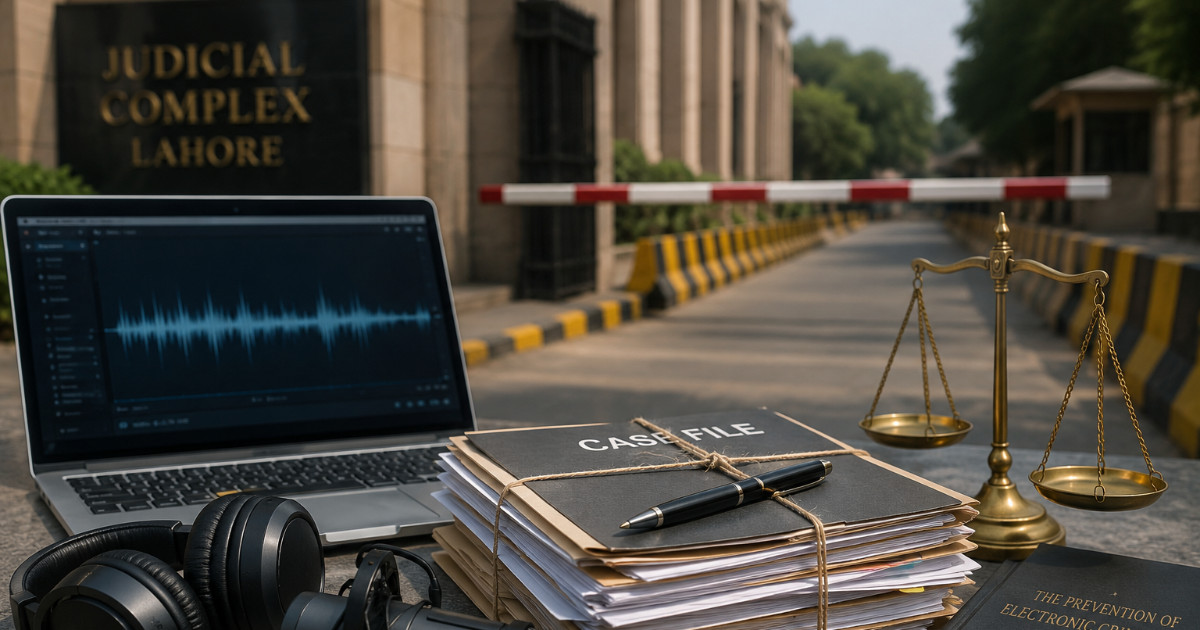
ISLAMABAD — A new report by DRF USA warns that Pakistan's expanding cyber-surveillance infrastructure poses growing risks to privacy, press freedom, and digital rights, particularly for journalists, human rights defenders, and political activists.
The report, Unveiling Cyber-Surveillance Technologies in South Asia, says surveillance capabilities developed over the past decade, including spyware, lawful interception systems, and internet monitoring technologies, have significantly expanded the state's ability to monitor communications and online activity. According to the report, these powers have grown faster than the legal safeguards and oversight mechanisms needed to prevent abuse.
Among its key findings, the report points to Pakistan's Lawful Interception Management System (LIMS), which it says enables authorities to intercept calls, messages and internet data on a large scale. It also highlights the deployment of web monitoring technologies capable of deep packet inspection, warning that such systems can facilitate extensive monitoring of online activity and content.
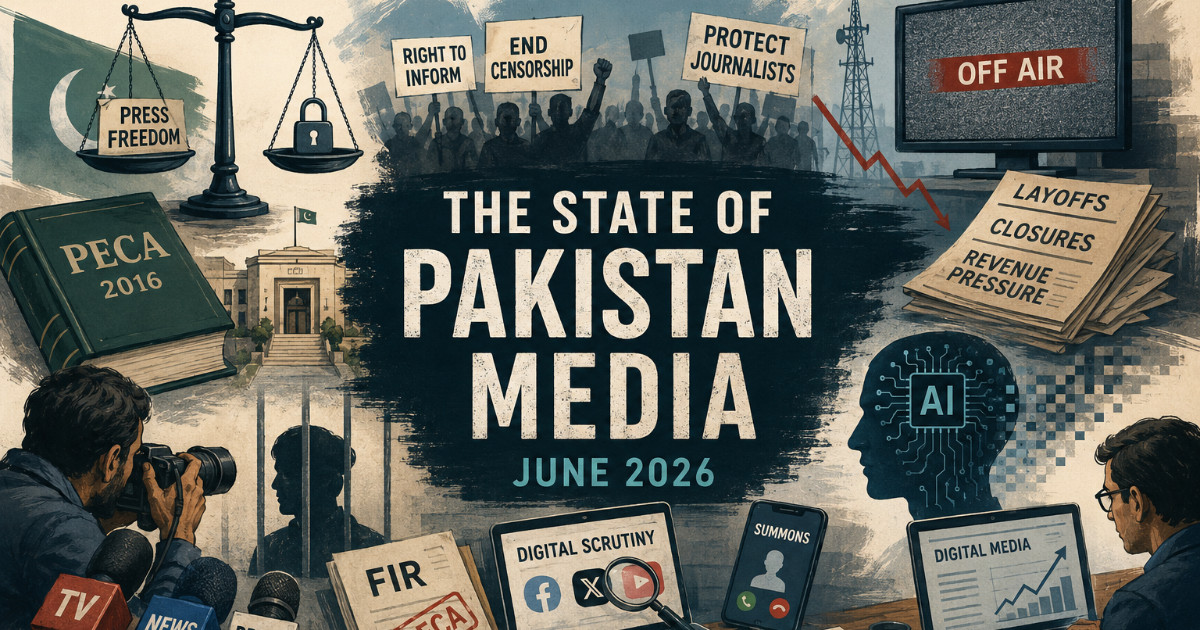
The report acknowledges that successive governments have justified expanded surveillance powers on national security grounds, particularly following the 2014 Army Public School attack. However, it argues that legislation enacted in the years since, including the Prevention of Electronic Crimes Act (PECA), has steadily broadened surveillance powers without establishing adequate transparency, judicial oversight, or accountability. Researchers interviewed for the study say this has created a "chilling effect," leading journalists and citizens to self-censor because they believe their communications may be monitored.
The study also cites examples of surveillance targeting journalists, activists, and civil society members, alongside major cybersecurity breaches affecting government institutions such as the Federal Board of Revenue and other public databases. According to the report, these incidents illustrate both the growing reach of surveillance technologies and weaknesses in Pakistan's cybersecurity and data protection frameworks.
The report recommends stronger judicial and parliamentary oversight of surveillance activities, comprehensive data protection legislation, greater transparency in the deployment of surveillance technologies, and closer collaboration among civil society organizations, journalists, and legal experts to strengthen digital rights protections.
WHY THIS MATTERS: The report brings together years of documented surveillance developments into a single assessment, arguing that Pakistan's expanding digital monitoring capabilities are outpacing legal safeguards and independent oversight. For journalists, the findings reinforce long-standing concerns that surveillance and cyber laws can discourage investigative reporting, protect fewer sources, and contribute to self-censorship. The report also highlights the broader need for stronger privacy protections and greater transparency as governments across South Asia increasingly rely on digital surveillance technologies.
ATTRIBUTION: Reporting by JournalismPakistan, with information from the DRF USA report Unveiling Cyber-Surveillance Technologies in South Asia.
Key Points
- Report documents expanded use of spyware, lawful interception systems (LIMS) and web monitoring technologies in Pakistan.
- Authorities' interception and deep packet inspection capabilities have grown faster than legal safeguards and oversight.
- Legislation such as PECA is cited as broadening surveillance powers without sufficient transparency or judicial review.
- Journalists, human rights defenders and political activists are identified as particularly vulnerable to surveillance abuse.
- Researchers call for stronger accountability, transparency and legal protections to prevent misuse.
Key Questions & Answers
What does the DRF USA report find?
It finds that Pakistan's cyber-surveillance capabilities have expanded rapidly-through spyware, LIMS and web monitoring-outpacing legal safeguards and threatening digital rights.
Who is most at risk?
Journalists, human rights defenders, political activists and other civic actors face heightened risks to privacy and press freedom.
What is LIMS?
LIMS refers to the Lawful Interception Management System that enables authorities to intercept calls, messages and internet data at scale.
What does the report recommend?
It urges stronger transparency, independent judicial oversight, clear legal limits and accountability mechanisms to prevent surveillance abuse.
Relevant Topics
Ask AI: Understand this story your way
AI EnabledDig deeper, ask anything — get instant context, background, and clarity.
Disclaimer: This feature is powered by AI and is intended to help readers explore and understand news stories more easily. While we strive for accuracy, AI-generated responses may occasionally be incomplete or reflect limitations in the underlying model. This feature does not represent the editorial views of JournalismPakistan. For our full, verified reporting, please refer to the original article.