
Court rejects Rehan Tariq's bail in PECA case
JournalismPakistan.com | Published: 16 July 2026 | JP Staff Report
Join our WhatsApp channel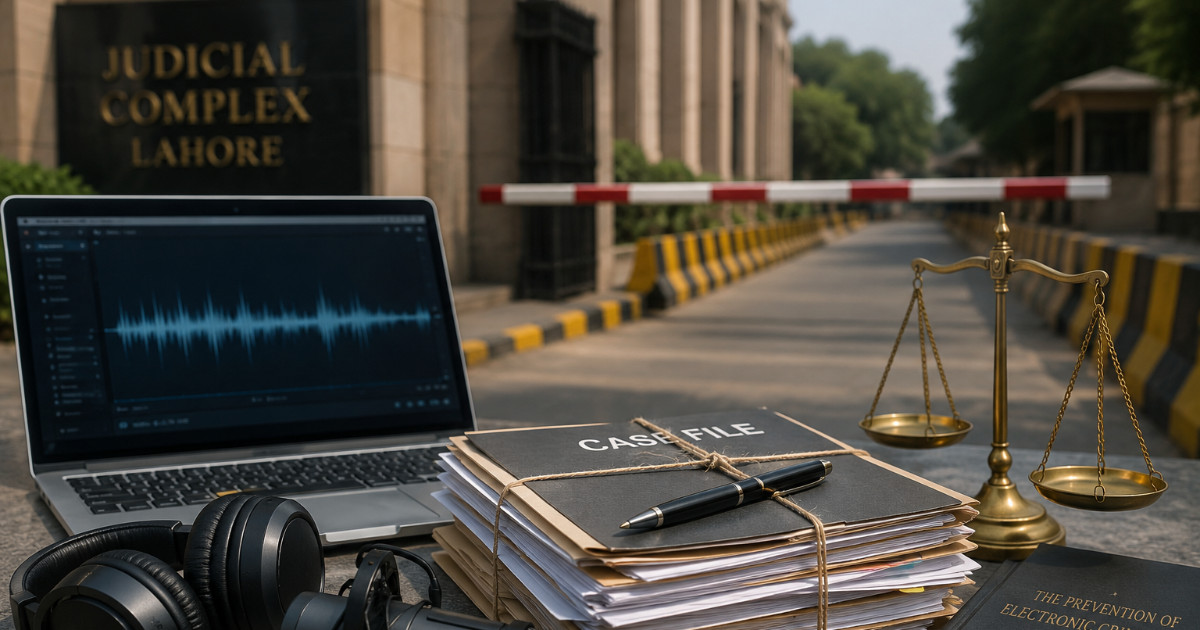
A Lahore court rejected journalist Rehan Tariq's bail in a PECA and PPC case over a podcast. His lawyer, Mian Dawdood, said the order itself recognised entitlement to bail yet denied release and questioned the court's reliance on cited precedents.Summary
LAHORE — A Lahore court on Thursday rejected the post-arrest bail application of journalist, television anchor, and podcast host Rehan Tariq, prompting his lawyer to sharply criticize the ruling as legally inconsistent and contrary to established judicial precedents.
The decision marks the latest development in a case stemming from one of Tariq's podcasts, for which he faces charges under the provisions of the Pakistan Penal Code and the Prevention of Electronic Crimes Act (PECA). His legal team has maintained that the allegations are unsupported and that the investigation failed to establish grounds for his continued detention.
Defense challenges court's reasoning
Following the ruling, defense lawyer Mian Dawdood published a detailed statement arguing that the court's own findings undermined its decision to deny bail. He said the judgment acknowledged that the accused was entitled to bail but ordered further examination to determine whether material existed to corroborate Tariq's alleged involvement.
According to Dawdood, the ruling could become "part of judicial history" because it recognized the legal basis for granting bail even as it declined to do so. He also questioned the court's treatment of authorities cited by the defense, stating that he had relied on 13 judgments of the Supreme Court of Pakistan and the Lahore High Court supporting bail in comparable circumstances, while the written order referred to only four cases, including two that he said he had not cited during arguments. These claims reflect the defense's position and have not been independently addressed by the court.
The case centers on podcast content
Tariq was arrested after returning to Lahore from London earlier in July and was taken into custody by the National Cyber Crime Investigation Agency (NCCIA). Investigators accuse him of publishing material through one of his podcasts that allegedly promoted religious hatred and sectarian discord.
The case includes charges under Sections 295-A, 298, and 153-A of the Pakistan Penal Code, along with Section 11 of PECA. During earlier proceedings, Judicial Magistrate Naeem Wattoo granted investigators six days of physical remand before sending Tariq to judicial remand pending further proceedings.
یہ صحافی ریحان طارق کی ضمانت مسترد کرنے کا فیصلہ ہے، یہ فیصلہ پاکستان کی عدالتی تاریخ کا واحد فیصلہ ہوگا جس میں معزز عدالت اپنے third last پیراگراف میں تسلیم کرتی ہے کہ یہ درست ہے کہ ملزم ضمانت کا حقدار ہے لیکن یہ حق ازخود نہیں ملنا اور ابھی عدالت نے اس بابت مزید تحقیق کرنی ہے کہ… https://t.co/1zDXoGTzg9
— Mian Dawood (@miandawoodadv) July 16, 2026
Defense cites religious opinions
Before the bail hearing, Tariq's legal team said it had voluntarily cooperated with investigators during the physical remand period and submitted written religious opinions from several Pakistani scholars, including Mufti Imran Hanafi, Mufti Hanif Qureshi, Mufti Tariq Masood, and Mufti Naeem Ashraf Butt.
According to the defense, the scholars concluded that Tariq's remarks did not constitute religious disrespect. The lawyers argued that previous Supreme Court and Lahore High Court judgments require expert religious opinion to be considered in cases involving religious issues and contended that the criminal charges should therefore have been withdrawn. Those assertions represent the defense's legal position and have not been adopted by the prosecution or confirmed by the court.
The case has attracted attention within Pakistan's media community because it combines cybercrime legislation with allegations relating to religious content. Legal observers say the proceedings are likely to be closely watched for their implications for journalists, digital content creators, and media personalities whose online work may become the subject of criminal investigations.
The court's rejection of Tariq's bail means he will remain in judicial custody while the criminal case continues through Pakistan's legal process.
WHY THIS MATTERS: The case highlights the increasing legal risks facing journalists and digital media personalities whose online content becomes the subject of criminal investigations. It also illustrates the growing intersection of PECA, criminal law, and questions surrounding digital expression, making the proceedings significant for news organizations, broadcasters, and media lawyers monitoring Pakistan's evolving legal landscape.
ATTRIBUTION: Reporting by JournalismPakistan, based on publicly available statements by Mian Dawdood, Mian Daud Law Associates (July 14 and July 17, 2026), and publicly reported court proceedings.
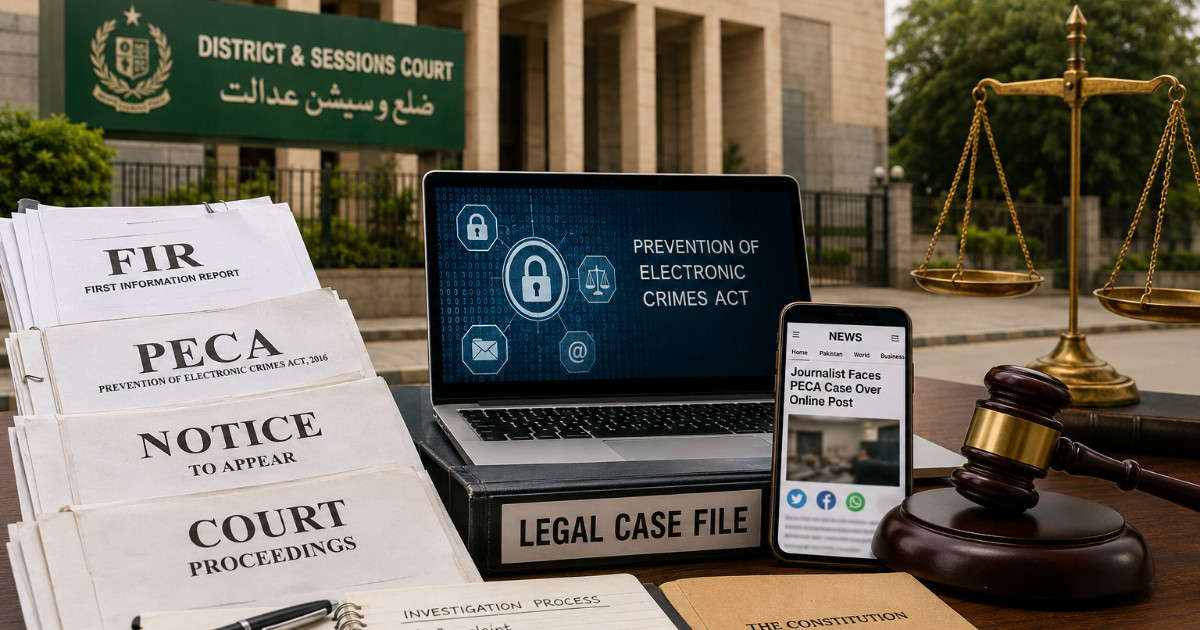
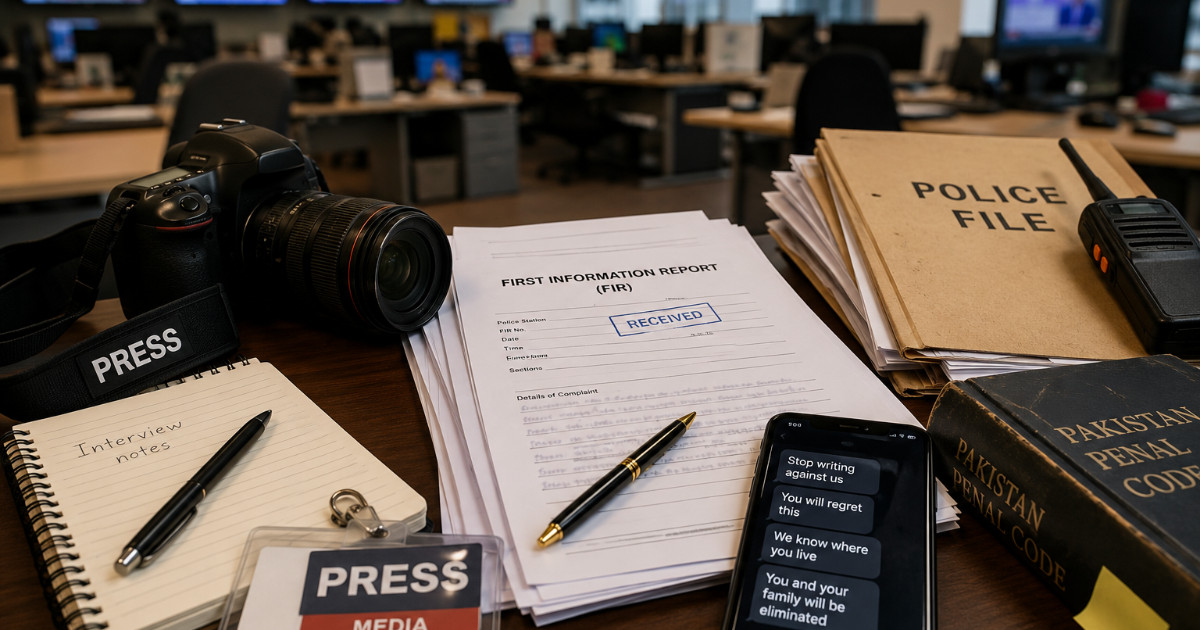
PHOTO: AI-generated; for illustrative purposes only.
Key Points
- Lahore court rejected Rehan Tariq's post-arrest bail in a case under PECA and the Pakistan Penal Code linked to a podcast.
- The defense maintains allegations are unsupported and the investigation did not justify continued detention.
- Lawyer Mian Dawdood said the written order acknowledged entitlement to bail yet still denied release.
- The defense cited 13 Supreme Court and Lahore High Court judgments; the court's order referenced only four cases.
- The lawyer described the ruling as legally inconsistent and questioned the court's reasoning and precedents relied upon.
Key Questions & Answers
Why was Rehan Tariq denied bail?
The court rejected his post-arrest bail application in a case registered under sections of the Pakistan Penal Code and the Prevention of Electronic Crimes Act related to a podcast.
What is the defense's main argument?
Defense counsel Mian Dawdood says the allegations lack support, the investigation failed to justify detention, and the court's own order recognised entitlement to bail yet denied it.
Did the defense cite precedents?
Yes, the defense referenced 13 judgments from the Supreme Court and Lahore High Court; the written order referred to only four authorities, prompting the lawyer's criticism.
Relevant Topics
Ask AI: Understand this story your way
AI EnabledDig deeper, ask anything — get instant context, background, and clarity.
Disclaimer: This feature is powered by AI and is intended to help readers explore and understand news stories more easily. While we strive for accuracy, AI-generated responses may occasionally be incomplete or reflect limitations in the underlying model. This feature does not represent the editorial views of JournalismPakistan. For our full, verified reporting, please refer to the original article.