.png)
Arrests, airstrikes, and algorithms: How April reshaped journalism worldwide
JournalismPakistan.com | Published: 1 May 2026 | JP Staff Report
Join our WhatsApp channel
April 2026 saw a global squeeze on journalism as arrests, trials, airstrikes and algorithmic moderation combined with economic pressures to criminalize reporting, silence dissent and reshape how news is gathered and distributed.Summary
ISLAMABAD, Pakistan — April 2026 did not unfold as a series of isolated incidents. Across continents, a pattern sharpened into focus: journalism was not just under pressure, it was being actively constrained, contested, and, in some cases, criminalized. From courtrooms in North Africa and Southeast Asia to conflict zones in the Middle East and shifting newsroom economics in the West, the month revealed a profession facing simultaneous and intensifying threats.
Journalism as a crime
One of the clearest trends in April was the growing use of legal systems to criminalize journalistic work. In Tunisia, editor Ghassen Ben Khelifa was sentenced to a two-year prison sentence on “false news” charges, a ruling widely condemned as emblematic of a broader crackdown on dissent. In Vietnam, journalist Huynh Ngoc Tuan received more than eight years in prison under state propaganda laws, underscoring the risks of political commentary in tightly controlled environments.
In Europe, Hungarian investigative journalist Szabolcs Panyi faced espionage charges linked to his reporting on Russian influence, raising alarm ahead of national elections. In Thailand, criminal defamation laws were deployed against reporters covering alleged corruption, reinforcing concerns about the chilling effect of legal action on investigative journalism.
Elsewhere, Egyptian commentator Ahmed Douma was detained over his writings, while in Malaysia, a Tamil-language journalist was charged with trespass simply for reporting at a construction site. In Kuwait, the detention of journalist Ahmed Shihab-Eldin, and his eventual acquittal and release offered a rare but telling arc, illustrating both the risks journalists face and the unpredictability of legal outcomes.
Taken together, these cases point to a troubling shift: journalism is increasingly being treated not as a public service, but as a punishable act.
Reporting under fire
If legal pressure defined one side of April, physical danger defined the other. The month saw a deadly escalation in risks faced by journalists covering conflict.
Multiple journalists were killed in strikes in Gaza and Lebanon, while Lebanese reporter Amal Khalil died after being trapped under rubble during coverage of Israeli airstrikes, an incident that later raised concerns about potential violations of international humanitarian law. Palestinian journalists’ groups documented dozens of violations in a single month, including killings, detentions, and obstruction of reporting.
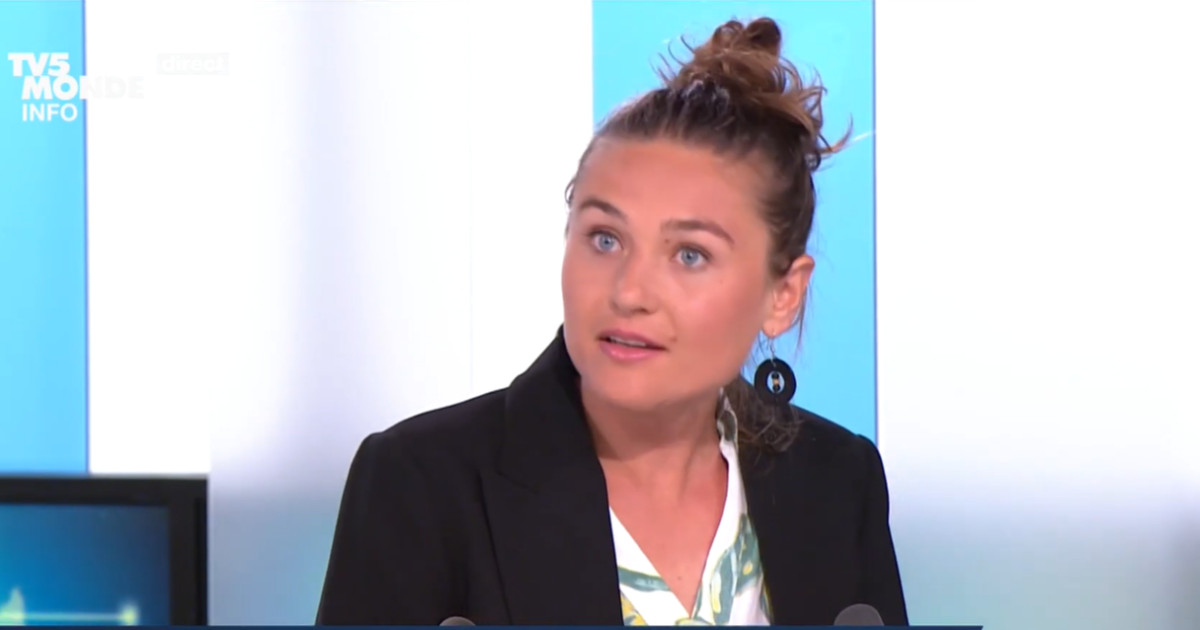
The dangers extended beyond active war zones. American freelance journalist Shelly Kittleson was kidnapped in Baghdad and released after a week, highlighting the volatility of post-conflict environments. In Iran, a foreign correspondent remained under travel restrictions following detention on security-related grounds, reflecting the precarious position of international media workers.
Even where journalists were not directly targeted, the environment itself became more hostile. Media organizations covering the Strait of Hormuz reported increasing difficulty accessing sources and operating safely amid rising geopolitical tensions.
Power versus the press, even in democracies
April also demonstrated that pressure on journalism is not confined to authoritarian systems. In the United States, political rhetoric and legal battles placed renewed strain on press freedoms.
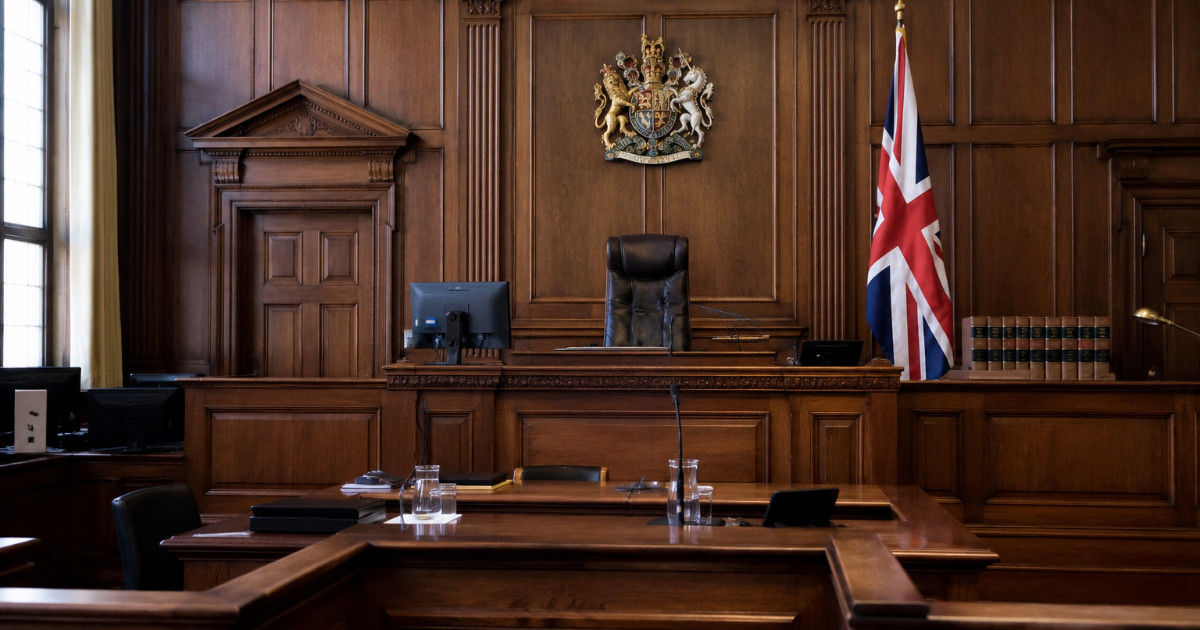
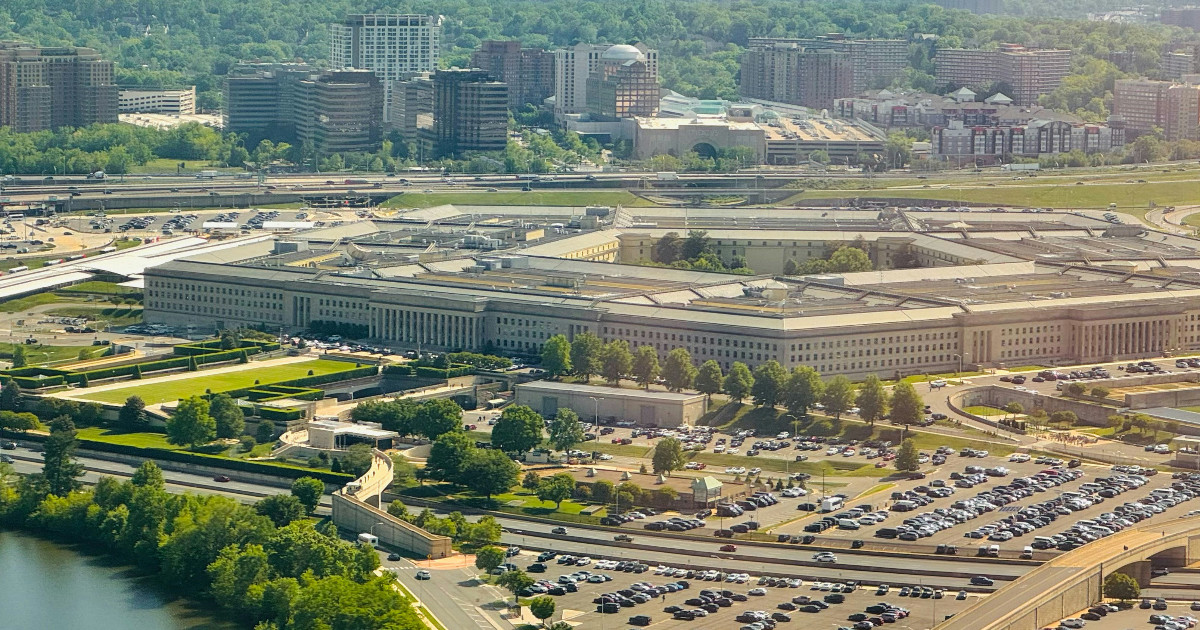
President Donald Trump publicly threatened to jail a journalist over source confidentiality, a move widely criticized for its potential chilling effect on investigative reporting. At the same time, courts became arenas for defining the limits of press freedom. A federal judge dismissed a high-profile defamation lawsuit against a major newspaper, reaffirming the high legal threshold required to challenge reporting on public figures. In another case, the Pentagon was ordered to restore full media access after being found in violation of prior court restrictions.
Legal pressure extended beyond the United States. In Argentina, authorities restricted journalists’ access to the presidential palace following a controversy over a covert recording, signaling how quickly access norms can shift even in democratic settings.
These developments underscore a growing reality: the legal protections that underpin press freedom are increasingly being tested, and in some cases, strained.
The newsroom is shrinking and shifting
While journalists in some regions faced arrest or violence, others confronted a different kind of disruption: the transformation of the industry itself.
Major media organizations announced significant layoffs and restructuring efforts. The Associated Press signaled a strategic pivot toward digital and video, while the BBC outlined plans for deep job cuts amid financial pressures. In France, nearly a thousand media jobs have been eliminated in recent months, reflecting a structural crisis in print journalism.
At the same time, digital platforms continue to reshape how journalism is distributed and who controls its reach. New analysis suggested that posts containing external links on social media platform X receive significantly lower engagement, reinforcing concerns that platform incentives may be undermining traffic to news websites.
Meanwhile, the rapid spread of a viral long-form article by an independent journalist reignited debate over the decline of traditional newsroom gatekeeping. As audiences increasingly access content directly, the balance of power between institutions and individuals appears to be shifting.
Together, these trends point to an industry in flux, where economic pressures and technological changes are redefining what journalism looks like and how it survives.
A global warning
Beyond individual incidents, April brought broader confirmation that these pressures are part of a global pattern. International assessments painted a stark picture of declining press freedom.
The latest global index found that more than half of the world’s countries now fall into “difficult” or “very serious” categories for press conditions, the worst level recorded in decades. Regional analyses highlighted sustained deterioration across the Asia-Pacific, while journalist organizations reported hundreds of violations, including killings, arrests, and harassment, over the past year.
At the policy level, warnings from international officials pointed to a widening use of national security justifications to restrict media activity. In countries such as Kazakhstan and Vietnam, legal and technological measures are increasingly being used to tighten control over information flows.
The convergence of these developments suggests that the challenges facing journalism are no longer isolated or episodic. They are structural.
A convergence of pressures
What distinguishes April 2026 is not just the severity of individual events, but their simultaneity. Legal action, physical danger, economic strain, and technological disruption all intensified at once, creating a multidimensional challenge for journalists worldwide.
The profession is no longer navigating a single threat. It is operating within a system where pressures intersect, where a reporter may face legal risk, physical harm, financial instability, and algorithmic invisibility at the same time.
This convergence marks a defining moment. Journalism is not simply under pressure; it is being reshaped in real time.
WHY THIS MATTERS: The developments in April 2026 reflect broader global trends that are increasingly relevant to Pakistan’s media landscape, particularly the growing use of legal mechanisms to criminalize journalism, rising safety risks in conflict reporting, and the accelerating economic and technological disruption of newsrooms. For Pakistani journalists and media organizations, these shifts underscore the importance of greater legal awareness, stronger safety protocols, and more adaptive digital strategies as platforms and algorithms reshape audience reach. The continued decline in global press freedom further underscores that pressures on journalism are systemic and cross-border, reinforcing the need for institutional resilience and sustained professional solidarity within the media sector.
ATTRIBUTION: This review is based on JournalismPakistan’s reporting and curated coverage in April 2026.
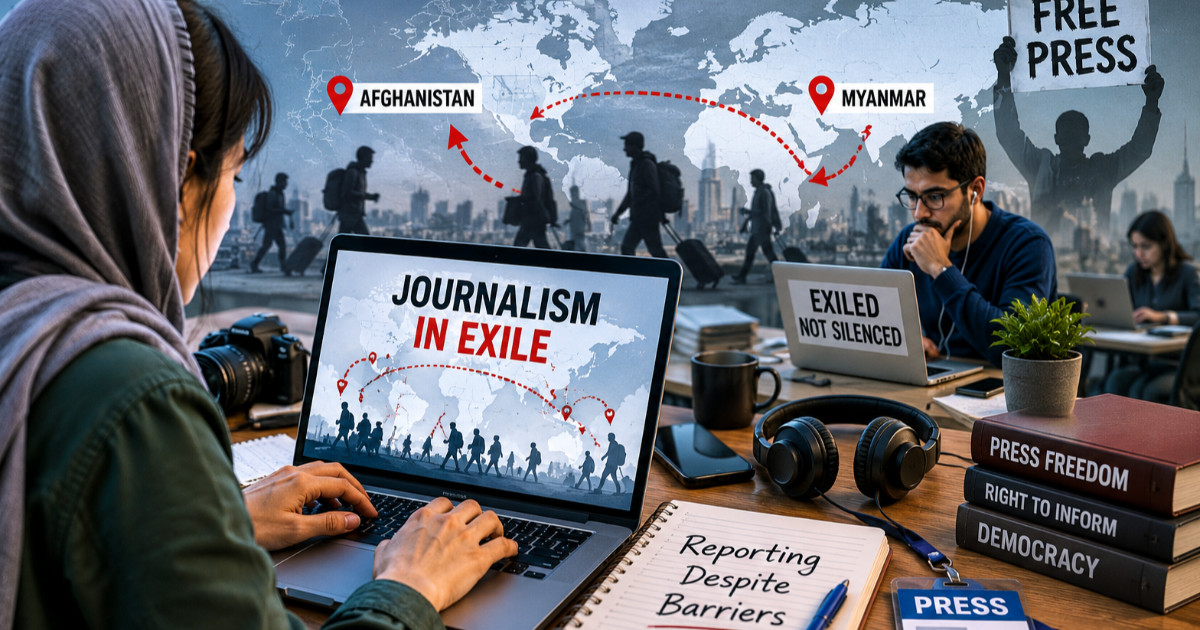
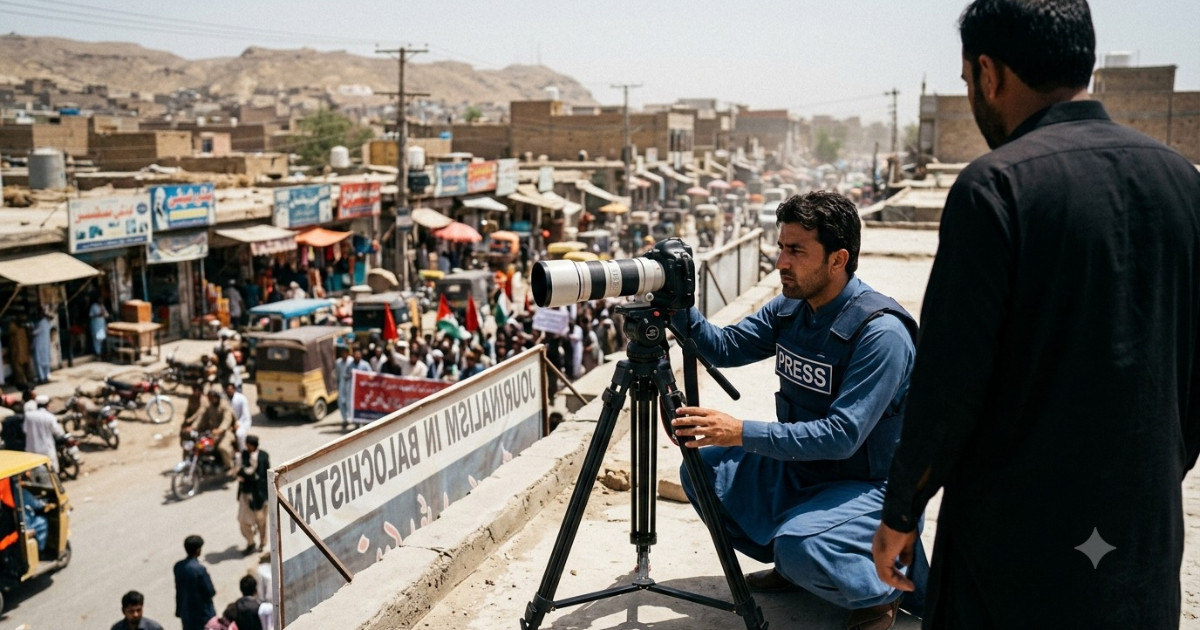
PHOTO: AI-generated; for illustrative purposes
Key Points
- Multiple countries used legal tools to criminalize reporting, imposing sentences and charges on journalists.
- Arrests and detentions targeted editors, reporters and commentators across North Africa, Southeast Asia and the Middle East.
- Airstrikes and conflict zones endangered reporters and disrupted news coverage in war-affected regions.
- Algorithmic moderation and platform changes limited distribution of journalism and amplified risks from misinformation.
- Economic pressures and shifting newsroom models compounded threats to investigative and independent reporting.
Key Questions & Answers
What major trends affected journalism in April 2026?
Arrests, legal prosecutions, airstrikes in conflict zones, algorithmic moderation and economic pressures converged to restrict reporting.
Were journalists charged or jailed?
Yes. Reporters and editors faced arrests and prison sentences in multiple countries under charges like false news, propaganda, espionage and defamation.
How did algorithms affect news distribution?
Platform moderation and algorithm changes limited the reach of reporting, hindered access to audiences and sometimes amplified misinformation risks.
What are the wider implications for press freedom?
The combined legal, physical and digital pressures point to a global decline in press freedom, threatening investigative work and public access to information.
Relevant Topics
Ask AI: Understand this story your way
AI EnabledDig deeper, ask anything — get instant context, background, and clarity.
Disclaimer: This feature is powered by AI and is intended to help readers explore and understand news stories more easily. While we strive for accuracy, AI-generated responses may occasionally be incomplete or reflect limitations in the underlying model. This feature does not represent the editorial views of JournalismPakistan. For our full, verified reporting, please refer to the original article.