.png)
Islamabad Talks: Access is the first casualty of journalism
JournalismPakistan.com | Published: 12 April 2026 | JP Staff Report
Join our WhatsApp channel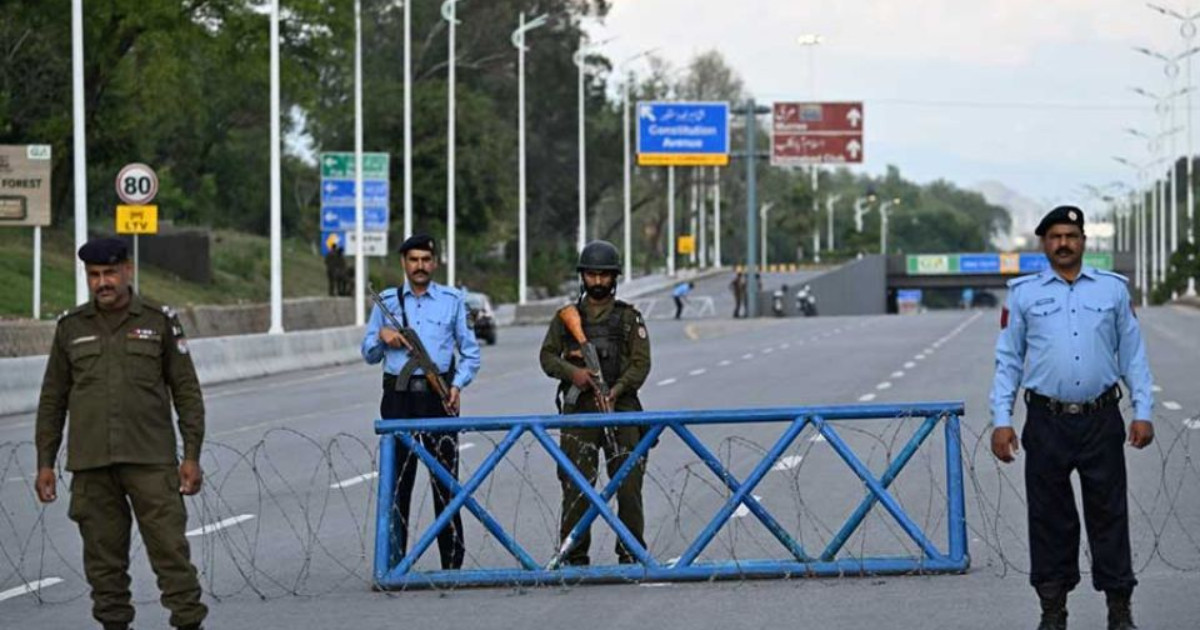
During the US-Iran talks in Islamabad, journalists were sequestered at a media hub in the Jinnah Convention Center about half a kilometer from the Serena Hotel where negotiations took place. Strict security measures and designated zones curtailed on-site reporting and timely information.Summary
ISLAMABAD — As the high-stakes US–Iran Talks in Islamabad conclude, attention is turning to a parallel story that unfolded alongside the diplomacy: how journalists navigated tight security and restricted access while covering one of the most closely watched events in recent months.
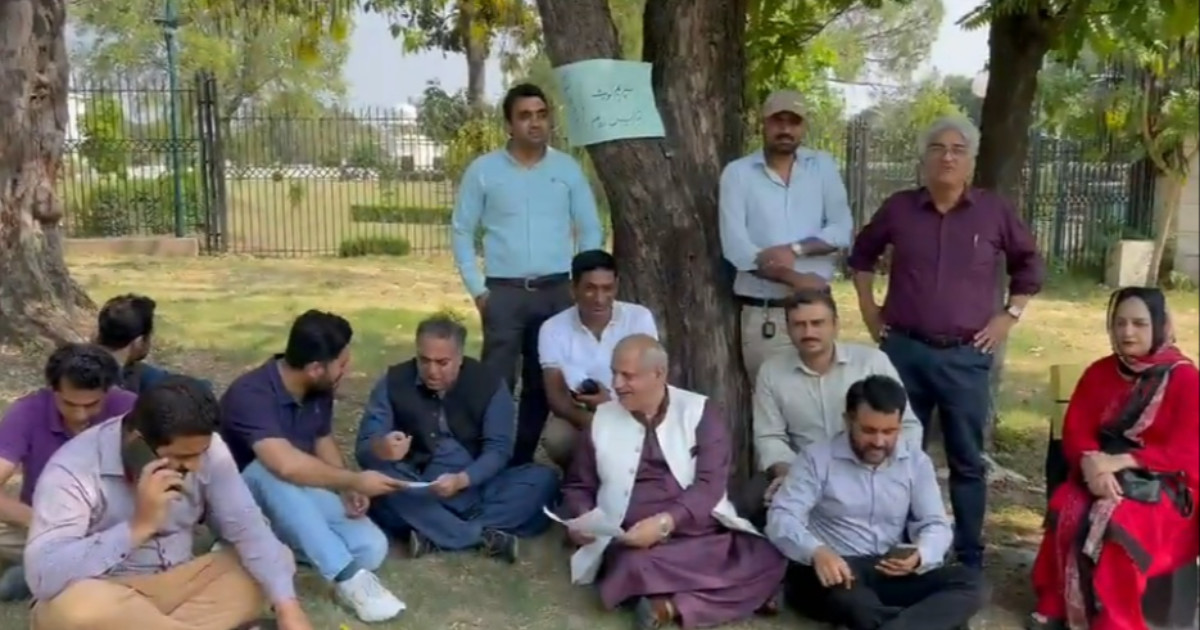
For reporters on the ground, the challenge was not just to follow developments but to do so from a distance. The main journalistic hub was set up at the Jinnah Convention Center, roughly half a kilometer away from the Serena Hotel, where the talks were held, effectively separating media coverage from the actual site of diplomacy.
Security lockdown limits on-ground reporting
Multiple layers of security were enforced around the Serena Hotel and surrounding diplomatic zones, restricting direct access to the venue. Journalists accredited to cover the talks were largely confined to designated areas, limiting their ability to observe events firsthand or engage with sources beyond official channels.
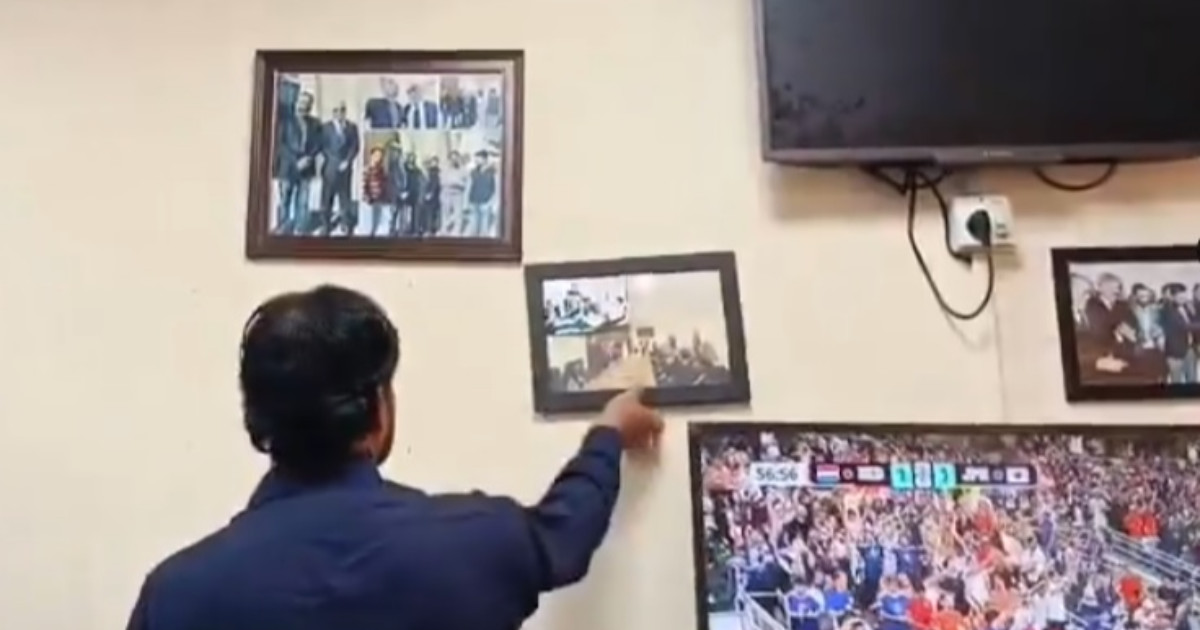
The Ministry of Information had made elaborate arrangements at the Convention Center, providing buffet meals, coffee, tea, and other facilities for media personnel. The setup was designed to accommodate large numbers of journalists in a controlled environment, with high-speed connectivity and logistical support.
Journalists navigate restricted access
Despite these arrangements, access to timely information emerged as a key concern. Journalists stationed at the Convention Center often relied on delayed official updates, with limited visibility into real-time developments at the Serena Hotel.
Agence France-Presse reported that some accredited journalists were held up for about an hour at a checkpoint outside the venue as a convoy of VIPs passed, underscoring the tight security environment. Inside the Convention Center, AFP described a setting with “wedding-banquet style spreads of biryani, kebabs and gulab jamun, along with gourmet coffee blended from Brazilian and Ethiopian beans.”
Yet the atmosphere also reflected frustration. “I’m bored out of my mind,” one journalist told AFP, declining to be named, while another said, “There’s not much to do here.” Updates, according to AFP, did not begin to arrive until after 2:00 pm, hours after US Vice President JD Vance landed in the capital.
Pakistani journalist Nadir Guramani echoed similar concerns, noting that while facilities were well arranged, access remained limited. “They say they have facilitated the media. No doubt they have given 5G internet speeds,” he said. “But media teams deputed inside Jinnah Convention Centre do not know what’s happening outside.”
Balancing safety with press freedom
The Islamabad talks highlight a familiar dilemma in international journalism: the balance between ensuring security and preserving press freedom. While safeguarding high-level participants is critical, the restrictions also constrain journalists’ ability to report independently and in real time.
This tension is not unique to Pakistan. Similar patterns have been observed in diplomatic settings in cities such as Doha and Geneva, where strict security protocols often shape how, and how much, journalists can report.
A recurring challenge for global journalism
What emerges from the Islamabad experience is a broader question about how major diplomatic events are covered. When journalists are physically separated from the venue and reliant on managed updates, reporting risks becoming reactive rather than exploratory.
The talks may have advanced diplomatic engagement, but they also underscore a persistent challenge for the media: in moments of high security, access is often the first casualty of journalism.
WHY THIS MATTERS: For Pakistani journalists and media organizations, this highlights the growing challenge of reporting under controlled conditions where access is limited despite logistical support. It underscores the need to balance cooperation with authorities and the pursuit of independent, timely reporting that serves the public interest.
ATTRIBUTION: Reporting by JournalismPakistan, based on publicly available information and on-the-ground observations during the Islamabad Talks.
PHOTO: AFP
Key Points
- Journalists were housed at the Jinnah Convention Center roughly 0.5 km from the Serena Hotel, separating media from the negotiation site.
- Multiple layers of security and cordoned diplomatic zones restricted direct access to the talks.
- The Ministry of Information provided facilities including meals, beverages, connectivity and logistical support for accredited media.
- Reporters relied heavily on official updates, limiting real-time visibility into events at the Serena Hotel.
- Designated areas and accreditation rules constrained on-the-ground sourcing and informal engagement with delegates.
Key Questions & Answers
Why were journalists kept away from the Serena Hotel?
Multiple layers of security around the Serena Hotel and diplomatic zones restricted access; journalists were largely confined to a designated media hub at the Jinnah Convention Center.
What arrangements did authorities make for the media?
The Ministry of Information set up the Convention Center with high-speed connectivity, buffet meals, beverage services and logistical support to accommodate accredited journalists.
How did restricted access affect reporting?
Reporters often relied on delayed official updates and had limited visibility into real-time developments; on-the-ground observation and independent verification were constrained.
Could journalists engage directly with delegates or sources?
Direct engagement at the Serena was limited by security perimeters; most interactions were channeled through official briefings and spokespeople.
Relevant Topics
Ask AI: Understand this story your way
AI EnabledDig deeper, ask anything — get instant context, background, and clarity.
Disclaimer: This feature is powered by AI and is intended to help readers explore and understand news stories more easily. While we strive for accuracy, AI-generated responses may occasionally be incomplete or reflect limitations in the underlying model. This feature does not represent the editorial views of JournalismPakistan. For our full, verified reporting, please refer to the original article.