.png)
American journalist Shelly Kittleson freed after Iraq abduction
JournalismPakistan.com | Published: 8 April 2026 | JP Global Monitoring
Join our WhatsApp channel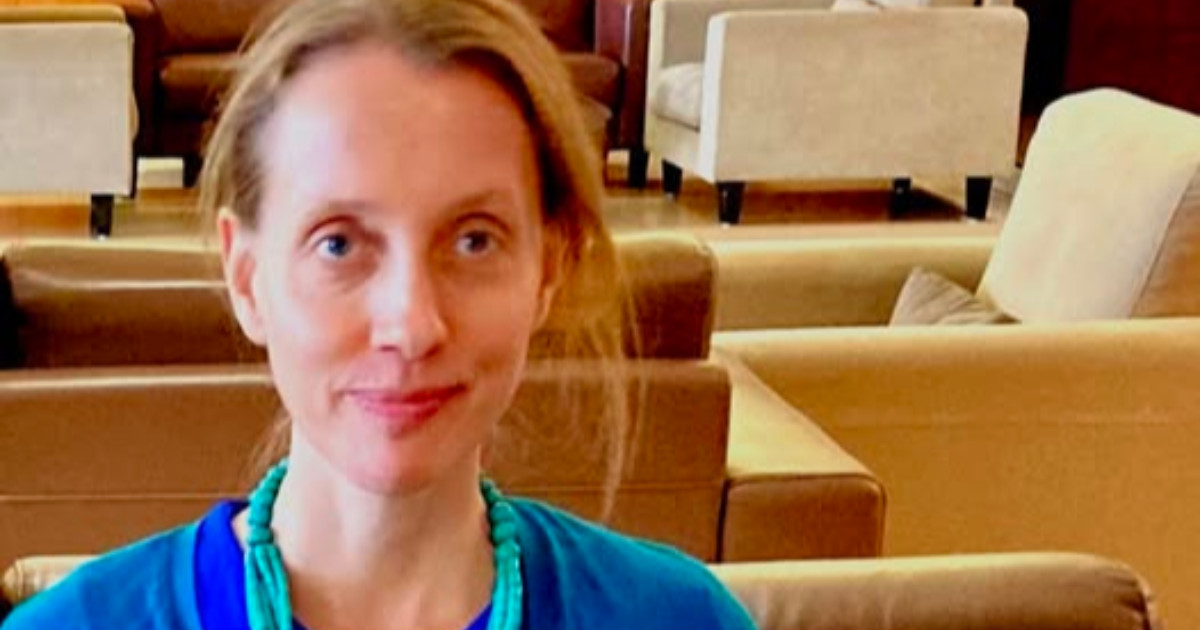
Shelly Kittleson, an American freelance journalist, was freed in Baghdad a week after her March 31 abduction; Iran-backed Kataib Hezbollah said it released her as part of a negotiated swap that may free militia members held by Iraqi authorities.Summary
BAGHDAD — American freelance journalist Shelly Kittleson has been released a week after her kidnapping in Baghdad, Iraqi officials and militia statements confirmed Tuesday, marking a dramatic end to a case that drew international media and diplomatic attention.
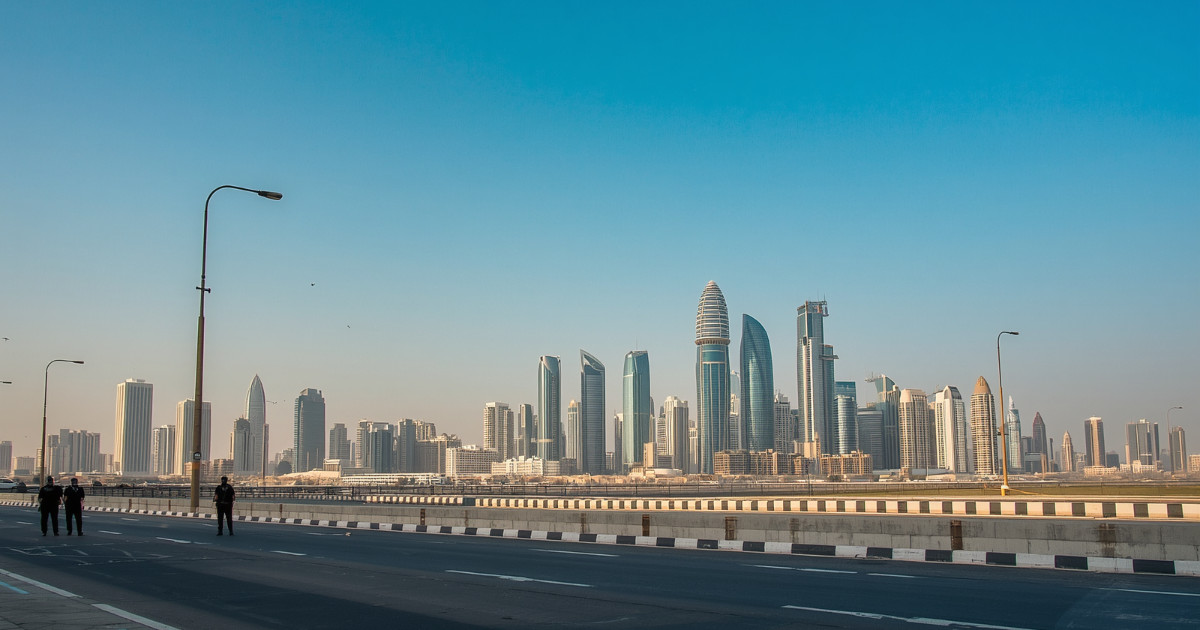
Kittleson was abducted on March 31, 2026, near a prominent intersection in the Iraqi capital while reporting independently in the volatile environment of post‑conflict Iraq. Iraqi authorities and U.S. officials had mobilized efforts to secure her safe return, with the FBI and State Department coordinating alongside local security forces.
Militia says release linked to prisoner swap
The Iran‑backed Iraqi militia group Kataib Hezbollah, widely blamed by U.S. and Iraqi officials for the abduction, announced it had freed Kittleson on condition that she leave Iraq immediately. In statements, the militia said the decision came “in appreciation of the patriotic stances of the outgoing prime minister,” suggesting political undercurrents to the release. Multiple militia members reportedly detained by Iraqi authorities in connection with other hostilities are expected to be freed as part of a negotiated exchange.
Kittleson, 49, is a veteran Middle East correspondent who has reported from conflict zones across Iraq, Syria, and Afghanistan for outlets including Al‑Monitor, BBC, and Foreign Policy. Known for her deep local knowledge and immersive reporting style, she was operating independently without formal attachment to a major news organization at the time of her abduction.
Diplomatic and media safety concerns
Her release comes amid ongoing security challenges for journalists in Iraq, where armed groups retain influence despite reduced large‑scale fighting. Press freedom advocates have repeatedly warned of risks to foreign and local reporters in the region, urging stronger protective measures and clearer protocols for freelancers working in hostile environments. The U.S. government and Iraqi authorities have not publicly detailed all aspects of the negotiations leading to her freedom, but the episode highlights the delicate interplay between diplomatic pressure and militia politics in Iraq.
Kittleson’s ordeal follows similar cases, including the prolonged captivity of researcher Elizabeth Tsurkov, held by Kataib Hezbollah for more than two years before her release in 2025, underscoring the persistent peril faced by international journalists and researchers in unstable areas.
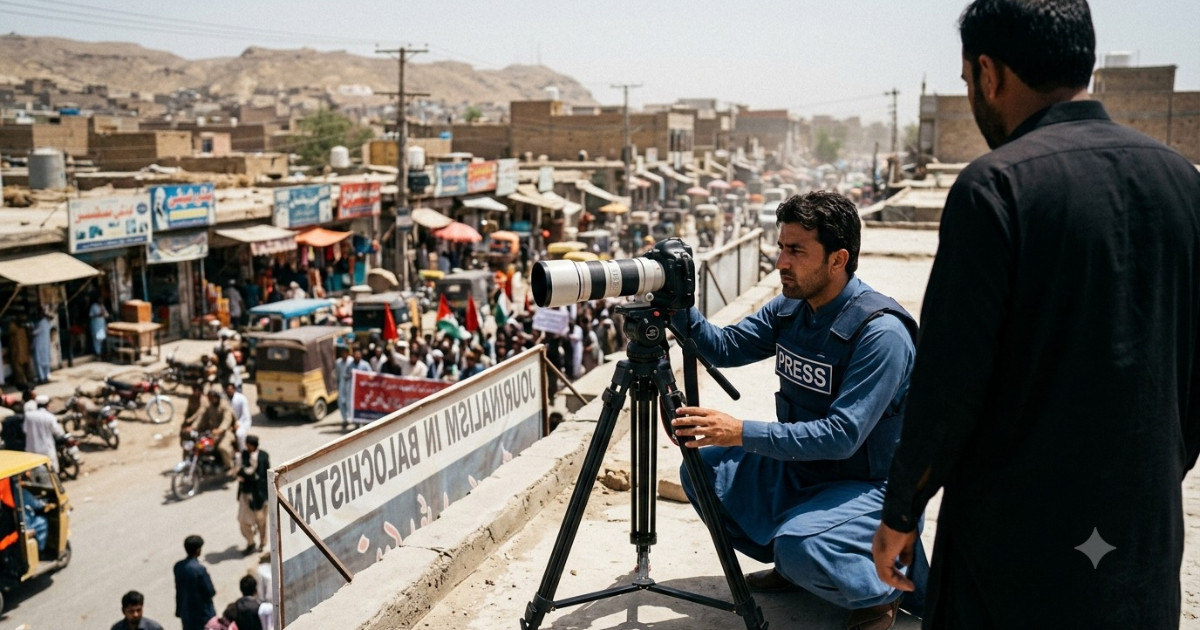
WHY THIS MATTERS: The safe release of Shelly Kittleson underscores the profound risks faced by freelance journalists operating without institutional protection in high‑risk regions, a growing trend that Pakistani journalists, especially freelancers and independent correspondents, must closely factor into their safety planning. The case also illustrates how geopolitical dynamics and armed group leverage can directly impact press freedom and necessitate proactive risk assessment and diplomatic coordination.
ATTRIBUTION: Reporting by JournalismPakistan, based on publicly available information from The Associated Press, The National News, and Al‑Monitor (April 7, 2026).
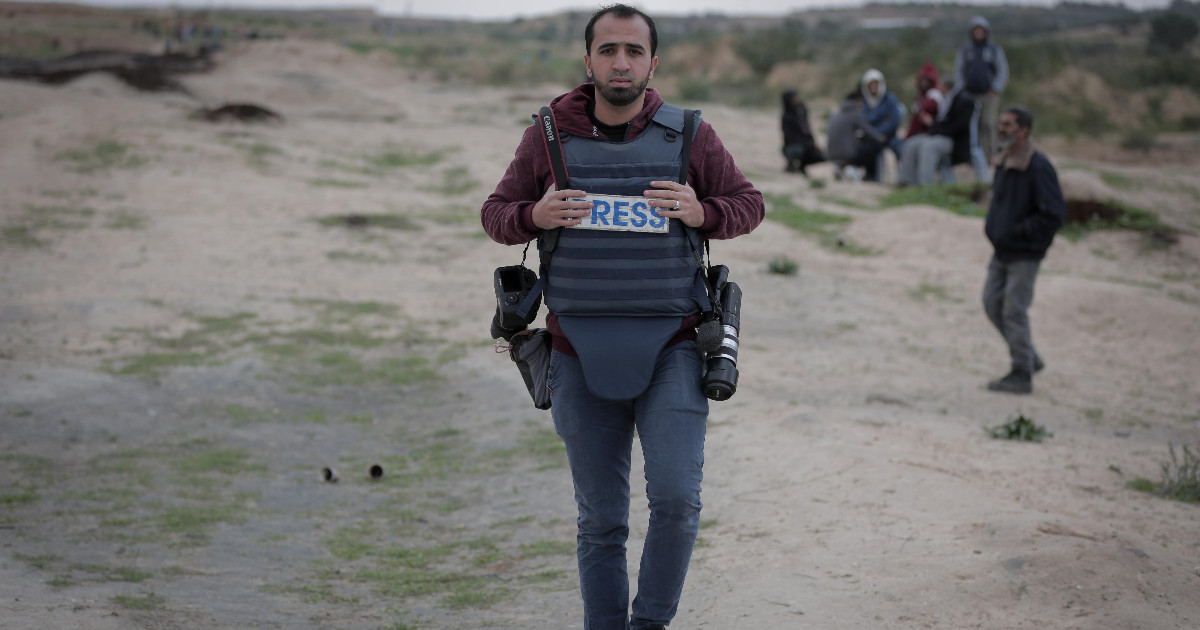
PHOTO: Shelly Kittleson (Facebook)
Key Points
- Shelly Kittleson, 49, is an American freelance Middle East correspondent with prior work for Al‑Monitor, BBC and Foreign Policy.
- She was abducted on March 31, 2026, near a prominent intersection in Baghdad while reporting independently.
- She was released a week later; the militia conditioned the release on her immediate departure from Iraq.
- Kataib Hezbollah said the release was linked to a negotiated prisoner swap and that detained militia members may be freed.
- U.S. agencies, including the FBI and State Department, coordinated with Iraqi security forces to secure her return.
Key Questions & Answers
Who is Shelly Kittleson?
She is a 49-year-old American freelance Middle East correspondent who has reported for outlets including Al‑Monitor, BBC and Foreign Policy.
When and where was she abducted?
She was abducted on March 31, 2026, near a prominent intersection in Baghdad while working independently.
Who claimed responsibility and why was she released?
The Iran-backed militia Kataib Hezbollah announced her release and said it was linked to a negotiated swap; they also said she must leave Iraq immediately.
Did U.S. and Iraqi authorities act to secure her release?
Yes; the FBI and the State Department coordinated with Iraqi security forces in efforts to secure her safe return.
Relevant Topics
Ask AI: Understand this story your way
AI EnabledDig deeper, ask anything — get instant context, background, and clarity.
Disclaimer: This feature is powered by AI and is intended to help readers explore and understand news stories more easily. While we strive for accuracy, AI-generated responses may occasionally be incomplete or reflect limitations in the underlying model. This feature does not represent the editorial views of JournalismPakistan. For our full, verified reporting, please refer to the original article.