
Strait of Hormuz tensions disrupt energy reporting
JournalismPakistan.com | Published: 22 April 2026 | JP Middle East Desk
Join our WhatsApp channel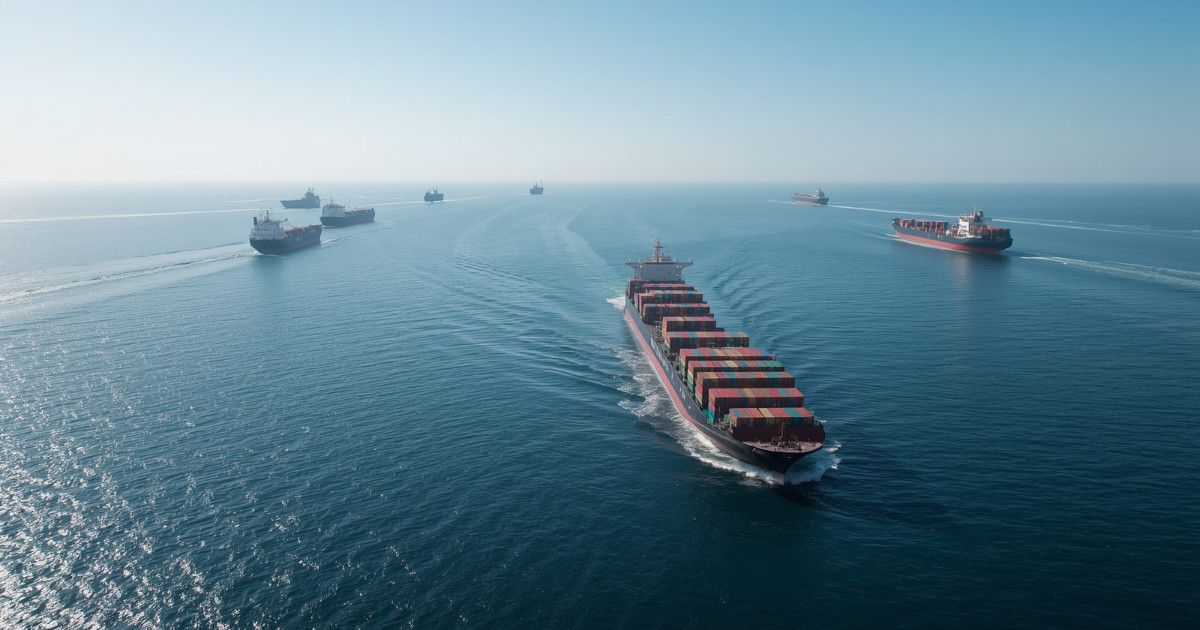
Security tensions in the Strait of Hormuz have limited reporters' access and led outlets to curtail on-water and embedded coverage; newsrooms now rely on satellite imagery, vessel tracking, and secondary data to verify impacts on energy markets.Summary
STRAIT OF HORMUZ REGION — Global media organizations covering the Strait of Hormuz are adjusting reporting practices as maritime security tensions and intermittent commercial shipping disruptions raise operational risks for journalists. The narrow waterway, a critical passage for global oil shipments, has seen heightened security alerts in recent weeks, prompting newsrooms to reassess how they gather information from the region.
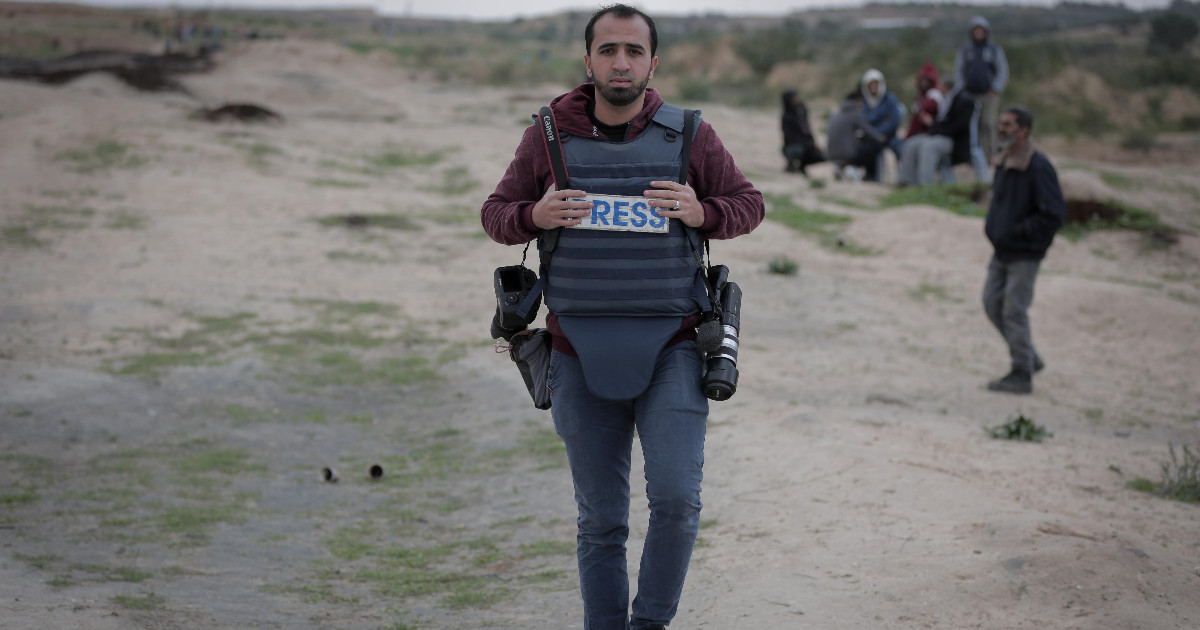
Reporters covering energy markets, shipping insurance, and naval activity say access to direct sources in sensitive maritime zones has become increasingly limited. Several international outlets are scaling back embedded reporting due to safety concerns and restricted movement across key shipping corridors.
Rising maritime security risks reshape reporting
The evolving situation has blurred traditional boundaries between economic journalism and conflict reporting. Journalists who previously focused on commodity prices and trade flows are now also required to monitor security developments that can directly impact global energy markets.
Maritime monitoring agencies and shipping trackers have reported increased caution among commercial operators navigating the region, with some vessels reportedly altering routes or delaying passage depending on risk assessments.
Newsrooms shift to satellite and remote reporting
With reduced on-the-ground access, media organizations are increasingly relying on satellite imagery, vessel tracking systems, and secondary data sources to verify developments in the Strait of Hormuz. This shift has improved real-time monitoring capabilities but has also raised concerns about reduced narrative depth and limited direct verification.
Editors say the reliance on remote reporting tools is reshaping newsroom workflows, especially for correspondents covering energy and geopolitical beats where physical presence has traditionally been central to reporting accuracy.
Journalistic safety and information gaps
Media professionals working on maritime and energy beats face a growing challenge: balancing timely reporting with personal safety constraints. The lack of embedded reporting opportunities is also creating information gaps, particularly in verifying unreported or fast-moving incidents at sea.
Industry observers note that this trend could increase dependence on official statements and commercial data providers, potentially narrowing the diversity of sources in major breaking stories.
Broader implications for global energy coverage
The Strait of Hormuz remains one of the world’s most strategically significant shipping lanes, and disruptions in reporting access have ripple effects across global news coverage. Energy price volatility, insurance costs, and geopolitical risk assessments are increasingly being interpreted through indirect reporting channels rather than firsthand observation.
WHY THIS MATTERS: For Pakistani journalists, this shift highlights how conflict-adjacent economic reporting is becoming more dangerous and technically dependent. It underscores the growing need for data literacy, satellite-based reporting skills, and remote verification methods in modern newsrooms. Pakistani media outlets covering regional energy and geopolitics may increasingly face similar constraints in high-risk environments.
ATTRIBUTION: Reporting by JournalismPakistan, based on publicly available maritime security updates and international shipping monitoring reports (April 2026).
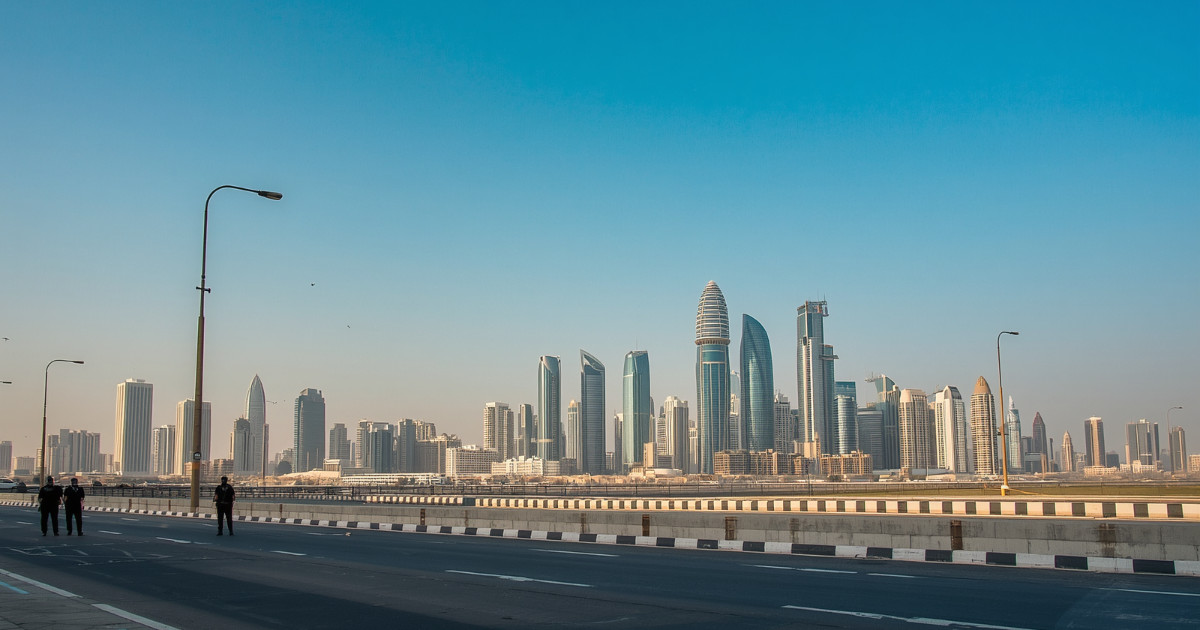
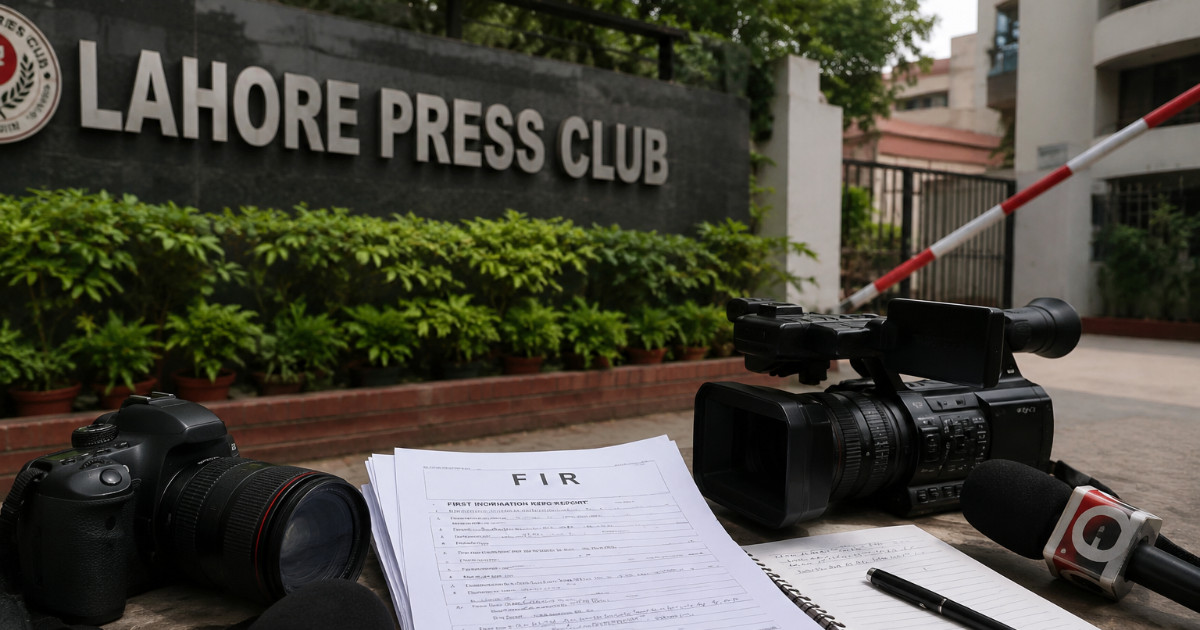
PHOTO: AI-generated; for illustrative purposes only.
Key Points
- Reporters' access to on-water sources is increasingly restricted due to maritime security alerts.
- Several international outlets have scaled back embedded reporting and limited movement across shipping corridors.
- Newsrooms are shifting to satellite imagery, AIS vessel tracking and secondary datasets for verification.
- Economic coverage now requires monitoring of naval and security developments that affect markets.
- Commercial operators are altering routes or delaying passage, influencing insurance and market assessments.
Key Questions & Answers
Why are reporters reducing on-the-water reporting in the Strait of Hormuz?
Heightened maritime security alerts and operational risks have made embedded and on-water coverage hazardous, prompting newsrooms to limit direct reporting.
What remote tools are newsrooms using to replace on-the-ground access?
They rely on satellite imagery, AIS/vessel-tracking systems and secondary datasets to verify incidents and vessel movements in near real time.
How does this shift affect coverage of energy markets?
Journalists must combine commodity reporting with security monitoring; reduced direct access increases dependence on third-party data to assess market impacts.
Relevant Topics
Ask AI: Understand this story your way
AI EnabledDig deeper, ask anything — get instant context, background, and clarity.
Disclaimer: This feature is powered by AI and is intended to help readers explore and understand news stories more easily. While we strive for accuracy, AI-generated responses may occasionally be incomplete or reflect limitations in the underlying model. This feature does not represent the editorial views of JournalismPakistan. For our full, verified reporting, please refer to the original article.