.png)
Trump threatens to jail journalist over leak source in Iran airman case
JournalismPakistan.com | Published: 7 April 2026 | JP Global Monitoring
Join our WhatsApp channel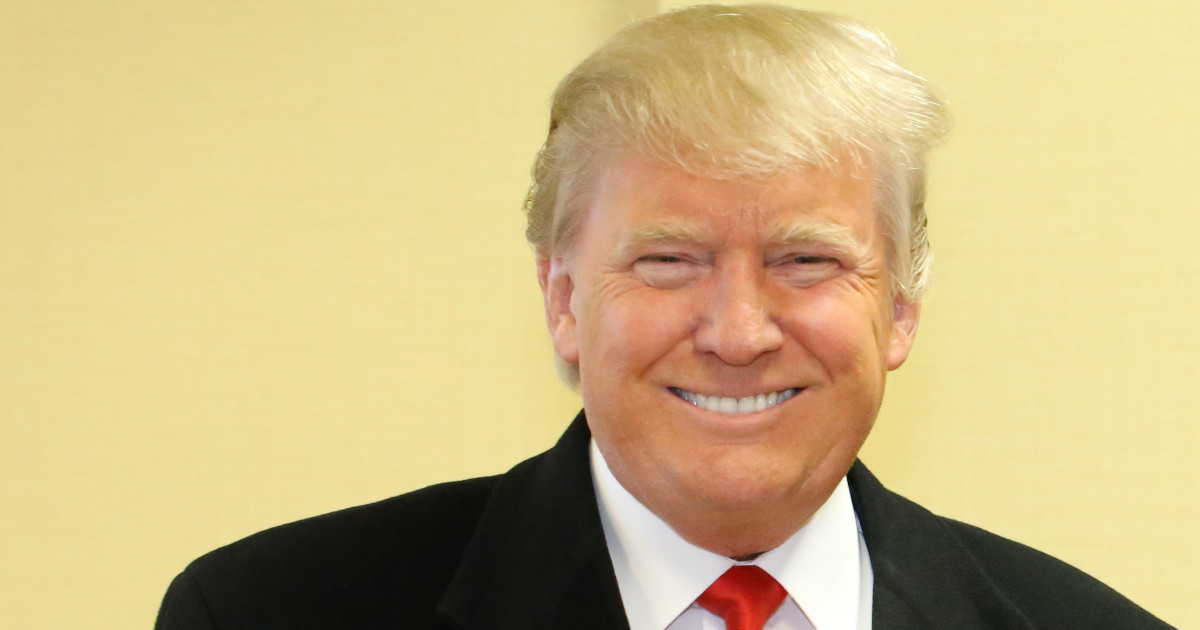
President Trump threatened to jail an unnamed journalist unless they identified a source tied to reporting on a missing U.S. airman in Iran. Press freedom groups said the comments risk undermining source protection and chilling investigative reporting.Summary
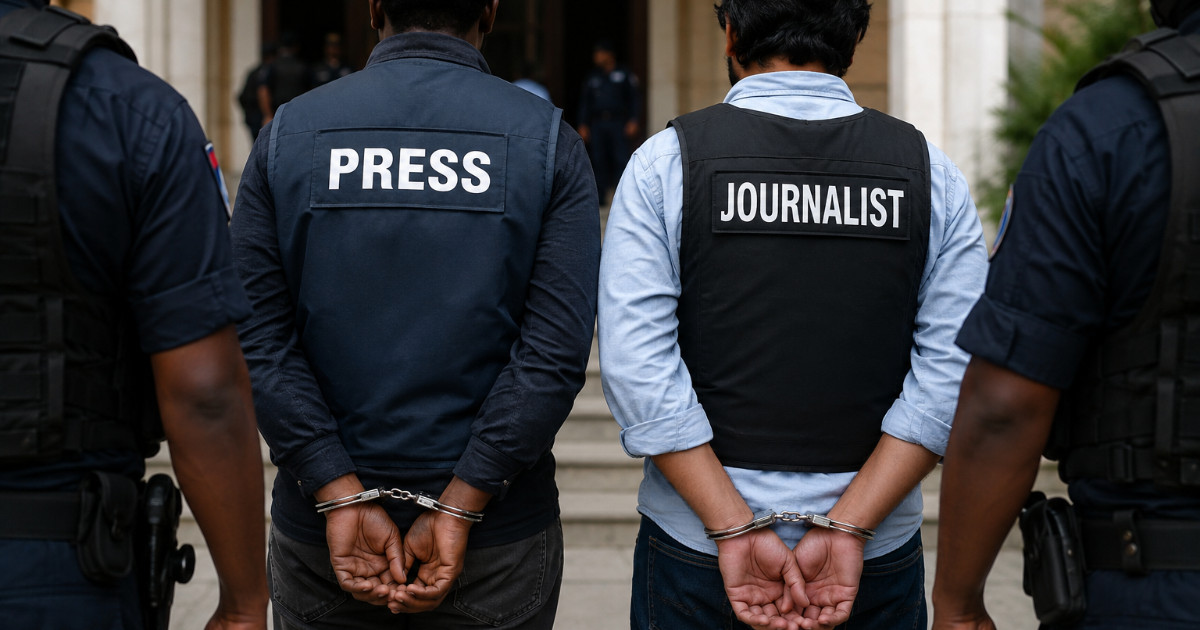
WASHINGTON — U.S. President Donald Trump on Monday publicly threatened to imprison an unnamed journalist unless they disclose the confidential source behind reporting on a sensitive national security matter involving a missing U.S. airman in Iran, in remarks that press freedom advocates say could chill critical investigative reporting.
Trump said the unauthorized disclosure of information about the rescue operation of an American service member, part of a broader U.S. military mission deep inside Iranian territory, jeopardized operational security and endangered lives, a claim disputed by media and civil liberties groups.
During a White House news conference, Trump reiterated that unnamed media outlets would be asked to reveal their sources or face consequences, including possible jail time, framing it as a matter of national security. He said officials are aggressively pursuing the unidentified “leaker” whose disclosure allegedly tipped off Iranian forces that a second airman remained missing after an F‑15E fighter jet was shot down last week.
Press freedom groups warn the act threatens confidential journalism
Press freedom advocates swiftly condemned Trump’s remarks. National Press Club President Mark Schoeff Jr. said that urging the jailing of journalists who refuse to reveal confidential sources is a “direct threat to the First Amendment and the core function of a free press,” and could deter reporters from pursuing sensitive national stories in the future. Schoeff emphasized that protecting anonymous sources is fundamental to newsgathering and informing the public.
Trump’s stance reflects mounting tensions between the U.S. administration and independent media, particularly amid contentious coverage of the ongoing U.S.-Iran conflict. During the same briefing, Trump and senior military officials lauded the daring rescue of U.S. airmen, which involved complex operations deep inside Iranian territory. The president argued that the leak of operational details complicated efforts to extract the second crew member, though he did not name the specific outlet or reporter involved.
National security vs press accountability debate intensifies
Legal scholars note that while the government has authority to protect classified information, coercing journalists to disclose confidential sources raises profound constitutional questions under U.S. law. The U.S. has shield laws in many states to protect sources, but no comprehensive federal shield law exists, heightening uncertainty over how the threat could unfold in practice. Civil liberties organizations, including the Freedom of the Press Foundation, argue that such demands undermine core democratic safeguards and could set a dangerous precedent if pursued through legal mechanisms.
White House officials have confirmed an investigation is underway into the leak, but have not provided details on formal legal actions or how they would compel disclosure without clear statutory authority. Trump’s comments follow earlier tensions over press access and national security coverage, including high‑profile legal cases involving media outlets and leak investigations in recent years.
WHY THIS MATTERS: Pakistani journalists and media professionals should be alert to the growing use of national security justifications to pressure newsrooms and reporters globally. This incident highlights how threats to source protection can erode public trust and impede investigative reporting, issues that resonate in contexts where governments seek broader control over information, and underline the importance of legal safeguards and newsroom policies to defend press freedom.
ATTRIBUTION: Reporting by JournalismPakistan, based on publicly available reporting by Reuters (April 6, 2026) and statements from the National Press Club (April 6, 2026).
PHOTO: By Dave Davidson from Pixabay
Key Points
- Trump threatened to imprison a journalist who refuses to name a source linked to reporting on a missing U.S. airman in Iran.
- The White House said the alleged leak jeopardized operational security and endangered lives during a rescue operation.
- Media and civil liberties groups disputed the claim that reporting compromised the mission.
- Press freedom advocates warned the threat could undermine confidential sourcing and chill investigative journalism.
- Officials said they are actively seeking the unidentified leaker who allegedly revealed details.
Key Questions & Answers
Did the president name the journalist?
No; the president did not identify the journalist and issued a public threat to compel disclosure.
What did officials say the leak did?
Officials claimed the disclosure jeopardized operational security and endangered lives during the Iran incident.
How did press freedom groups react?
They condemned the threat as a danger to the First Amendment and said it could deter reporters from protecting confidential sources.
Is there public evidence the reporting compromised the mission?
Media and civil liberties groups disputed the administration's claim; no public evidence has been presented to confirm the assertion.
Relevant Topics
Ask AI: Understand this story your way
AI EnabledDig deeper, ask anything — get instant context, background, and clarity.
Disclaimer: This feature is powered by AI and is intended to help readers explore and understand news stories more easily. While we strive for accuracy, AI-generated responses may occasionally be incomplete or reflect limitations in the underlying model. This feature does not represent the editorial views of JournalismPakistan. For our full, verified reporting, please refer to the original article.