
Belarusian journalist Andrzej Poczobut freed in US brokered swap
JournalismPakistan.com | Published: 29 April 2026 | JP Global Monitoring
Join our WhatsApp channel
Andrzej Poczobut, a Belarusian journalist detained since 2021 on charges rights groups call politically motivated, was released in a U.S.-brokered prisoner swap announced April 28, 2026; the multilateral deal involved coordination among seven countries.Summary
BELARUS— Belarusian journalist Andrzej Poczobut has been released as part of a U.S.-brokered prisoner exchange involving seven countries, marking a rare breakthrough in a long-running press freedom case that has drawn international condemnation.
Poczobut, a prominent journalist and vocal critic of the Belarusian authorities, had been detained since 2021 on charges widely described by human rights organizations as politically motivated. His case became one of the most cited examples of media repression in Eastern Europe, with repeated calls for his release from press freedom groups and international watchdogs.
Long detention over political charges
During his imprisonment, Poczobut’s case remained a focal point in global debates on media freedom and state pressure on independent journalism. Rights groups consistently argued that his prosecution was linked to his reporting and public commentary rather than any legitimate criminal wrongdoing.
The prisoner swap announced on April 28, 2026, reportedly involved coordination across seven countries, including Kazakhstan and other Eurasian states, alongside U.S. diplomatic engagement. Officials involved in the arrangement have described it as a complex negotiation aimed at resolving multiple high-profile detention cases simultaneously.
International coordination behind the deal
While full details of the exchange have not been publicly disclosed, it is being characterized by observers as one of the more extensive multilateral prisoner swaps in recent years, reflecting growing reliance on diplomatic channels to resolve cases involving detained journalists and political prisoners.
Press freedom advocates have cautiously welcomed the development, noting that such exchanges, while rare, underscore the increasing internationalization of journalist protection efforts. However, they also warn that reliance on swaps may normalize the detention of journalists as bargaining leverage in geopolitical negotiations.
The inclusion of Kazakhstan and other Eurasian states in the broader exchange has also drawn attention to the regional dimension of press freedom diplomacy, highlighting how cases involving journalists are increasingly tied to cross-border political and security negotiations.
WHY THIS MATTERS: The release of Andrzej Poczobut highlights how international diplomacy is increasingly being used to resolve cases of detained journalists, especially in politically sensitive environments. For Pakistani media professionals, it underscores the importance of coordinated global advocacy networks in press freedom cases. It also reflects how journalist safety is becoming embedded in broader geopolitical bargaining, rather than being addressed solely through legal or institutional reforms.
ATTRIBUTION: Reporting by JournalismPakistan, based on publicly available statements from participating governments and press freedom organizations on April 28–29, 2026.
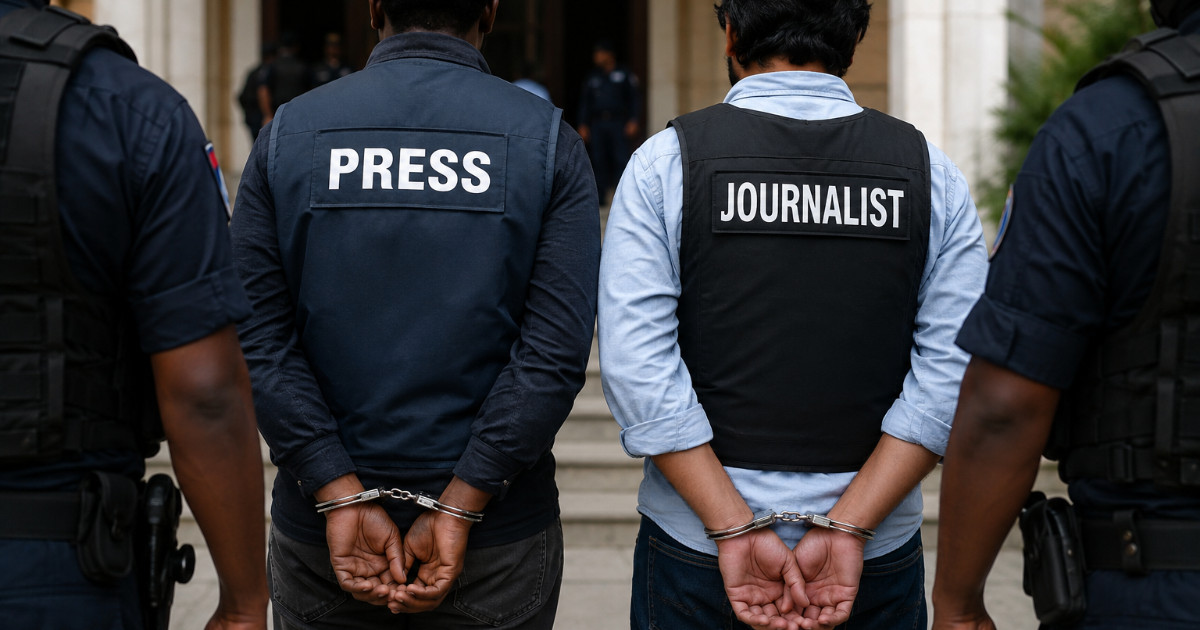
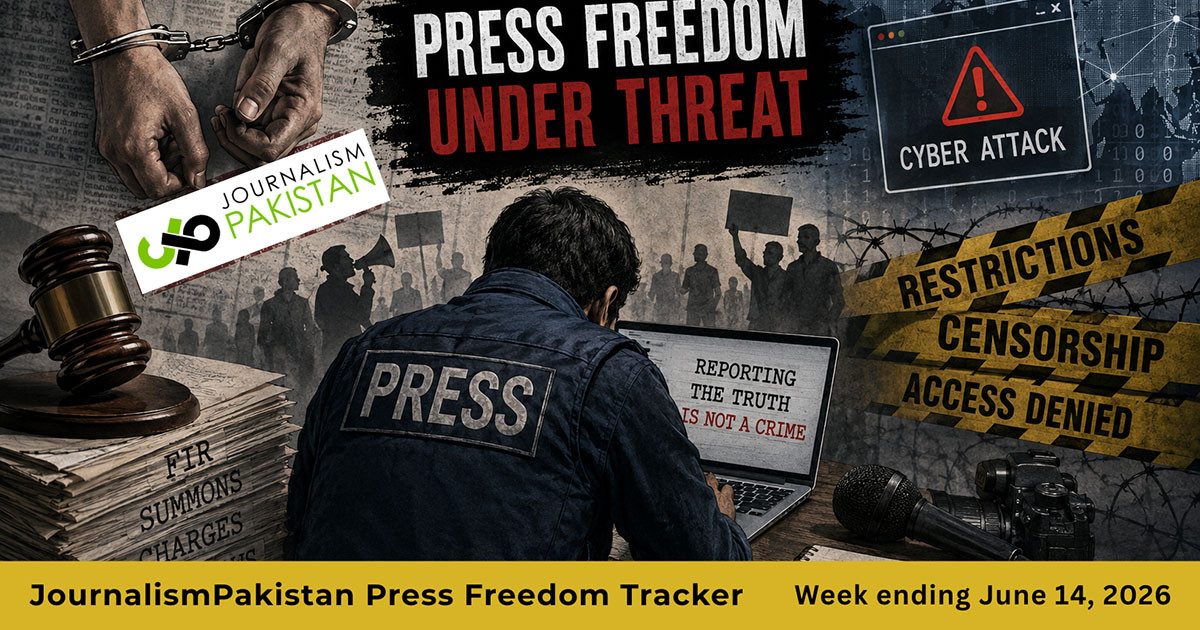
PHOTO: AI-generated; for illustrative purposes only.
Key Points
- Andrzej Poczobut, detained since 2021, is a prominent Belarusian journalist and critic of the authorities.
- He was released in a U.S.-brokered multilateral prisoner swap announced on April 28, 2026.
- The exchange reportedly involved coordination among seven countries, including Kazakhstan and other Eurasian states.
- Human rights and press freedom groups have long described his prosecution as politically motivated and part of media repression.
- Officials called the swap a complex diplomatic negotiation to resolve multiple high-profile detention cases.
Key Questions & Answers
Who is Andrzej Poczobut?
He is a Belarusian journalist and vocal critic of Belarusian authorities who had been detained since 2021 on charges that rights groups say were politically motivated.
When was he released?
Poczobut was freed as part of a prisoner exchange announced on April 28, 2026.
What was the role of the United States in the deal?
The release was part of a U.S.-brokered multilateral prisoner swap that involved diplomatic coordination among several countries.
Which countries participated in the exchange?
Officials said the arrangement involved seven countries, including Kazakhstan and other Eurasian states, though full details have not been publicly disclosed.
Relevant Topics
Ask AI: Understand this story your way
AI EnabledDig deeper, ask anything — get instant context, background, and clarity.
Disclaimer: This feature is powered by AI and is intended to help readers explore and understand news stories more easily. While we strive for accuracy, AI-generated responses may occasionally be incomplete or reflect limitations in the underlying model. This feature does not represent the editorial views of JournalismPakistan. For our full, verified reporting, please refer to the original article.