
Iran releases NHK journalist on bail, keeps travel ban
JournalismPakistan.com | Published: 8 April 2026 | JP Middle East Desk
Join our WhatsApp channel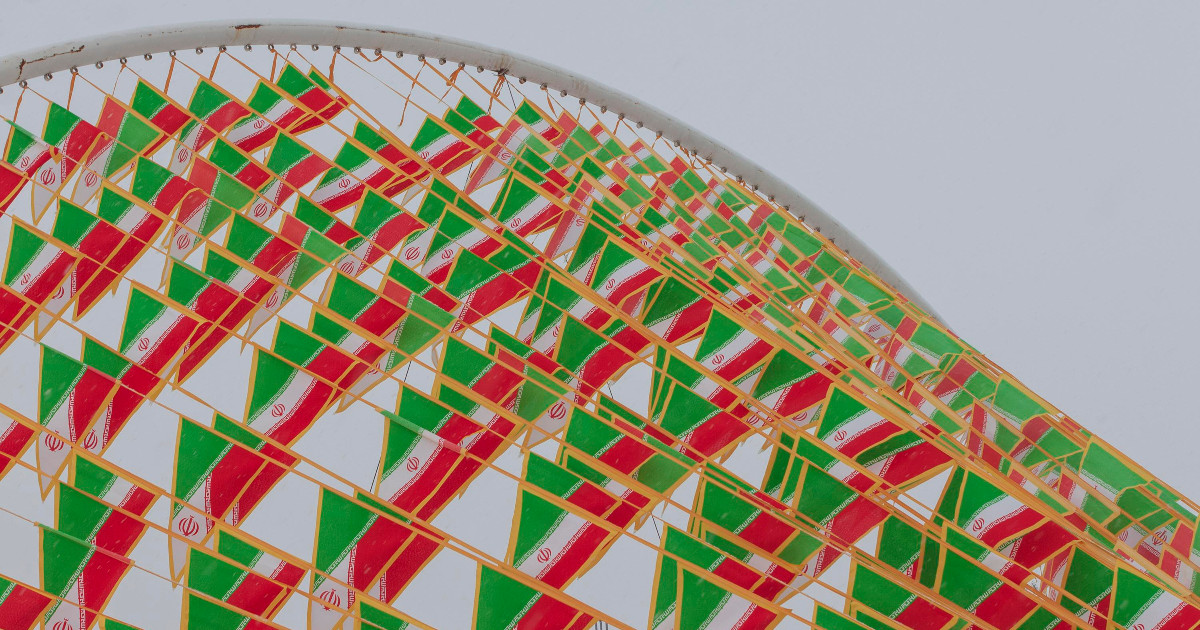
Iranian authorities released a Japanese journalist believed to be NHK's bureau chief on bail but imposed a travel ban, leaving him unable to leave the country. He faces trial on undisclosed security-related charges amid press freedom concerns.Summary
TEHRAN — Iranian authorities have released on bail a Japanese journalist believed to be a bureau chief for Japan’s public broadcaster NHK, weeks after detaining him on security-related charges, according to publicly available reports and official statements. The journalist remains in Iran under a travel ban and is expected to face trial, raising fresh concerns about the treatment of foreign media workers in the country.
The detention had drawn attention in international media due to the journalist’s senior editorial role and the lack of publicly disclosed evidence to support the allegations. Iranian officials have not released detailed charges, citing national security considerations, a common practice in similar cases involving foreign nationals.
Ongoing legal uncertainty for foreign media
While the release on bail may ease immediate diplomatic pressure, the journalist’s inability to leave Iran underscores the legal uncertainty faced by foreign correspondents operating in restrictive environments. Such cases often involve prolonged investigations, limited access to legal counsel, and opaque judicial proceedings, according to press freedom advocates.
Iran has, over the years, detained several foreign and dual-national journalists on broadly defined security charges. International watchdogs have repeatedly flagged these arrests as part of a wider pattern of pressure on independent reporting, particularly when coverage touches on political, economic, or social tensions inside the country.
Press freedom concerns persist
Media analysts say the case highlights the risks associated with reporting in jurisdictions where press freedom protections are weak and legal frameworks allow for broad interpretation of national security laws. Even after release, restrictions such as travel bans and ongoing legal proceedings can significantly hinder journalists’ ability to work and report freely.
The situation also raises concerns for international news organizations that rely on foreign correspondents to cover complex regions. The possibility of detention or legal action against staff increasingly shapes editorial decisions, risk assessments, and contingency planning.
WHY THIS MATTERS: For Pakistani journalists and media organizations, the case illustrates the importance of risk assessment when operating in or covering countries with restrictive media laws. It also underscores the need for strong institutional backing, legal preparedness, and clear safety protocols for correspondents working in sensitive environments.
ATTRIBUTION: Reporting by JournalismPakistan, based on reports by NHK and Reuters (April 2026) regarding the journalist’s detention and legal status.
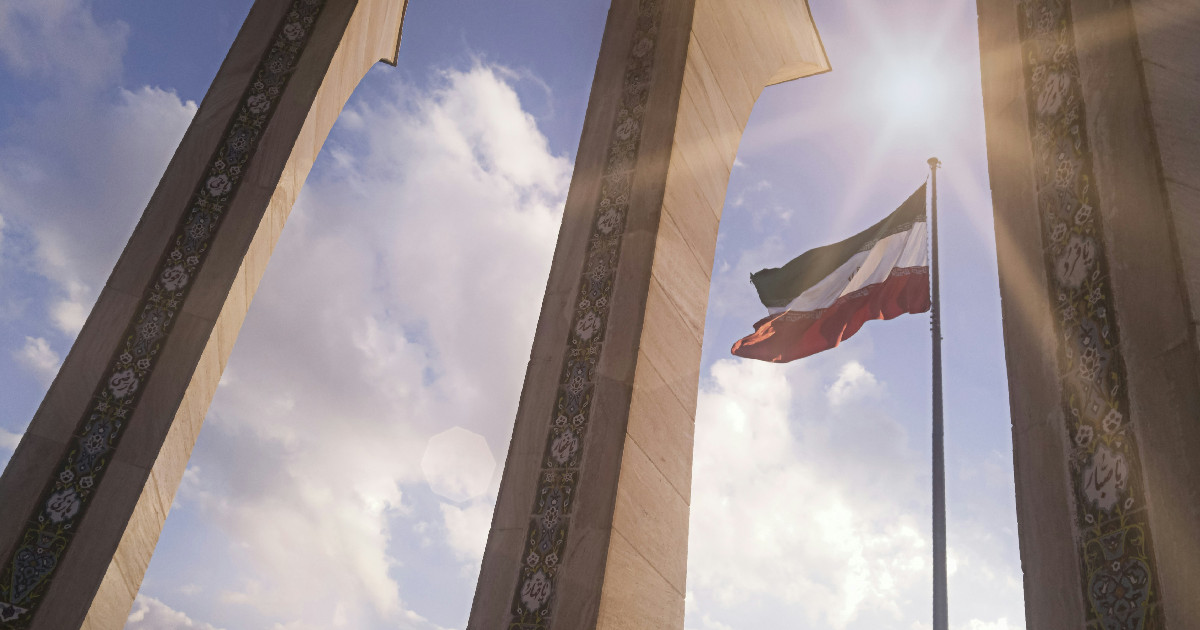
PHOTO: By mostafa meraji from Pixabay
Key Points
- The journalist, believed to be NHK's bureau chief, was released on bail.
- Authorities imposed a travel ban, preventing him from leaving Iran.
- Officials cited security-related allegations but have not publicly detailed charges.
- The case underscores legal uncertainty for foreign media operating in Iran.
- Press freedom groups note a pattern of detentions of foreign and dual-national journalists.
Key Questions & Answers
Was the journalist formally charged?
Iranian authorities cited security-related allegations but have not publicly disclosed formal charges or evidence.
Can the journalist leave Iran after being released on bail?
No; a travel ban remains in place, preventing him from leaving the country while legal proceedings continue.
Is this case unusual for Iran?
No; international watchdogs say Iran has repeatedly detained foreign and dual-national journalists on broadly defined security charges.
What are the main concerns from press freedom advocates?
Advocates point to opaque procedures, limited access to counsel, and a pattern of pressure on independent reporting.
Ask AI: Understand this story your way
AI EnabledDig deeper, ask anything — get instant context, background, and clarity.
Disclaimer: This feature is powered by AI and is intended to help readers explore and understand news stories more easily. While we strive for accuracy, AI-generated responses may occasionally be incomplete or reflect limitations in the underlying model. This feature does not represent the editorial views of JournalismPakistan. For our full, verified reporting, please refer to the original article.