
Journalist detention signals rising press curbs in Tunisia
JournalismPakistan.com | Published: 25 April 2026 | JP Global Monitoring
Join our WhatsApp channel
Tunisian authorities detained a prominent journalist after he published a commentary critical of the judiciary, prompting condemnation from press groups and the national journalists' union. The case highlights rising legal and political pressure on independent media since 2021.Summary
TUNIS — Tunisian authorities detained a prominent journalist on April 24 after the publication of a commentary critical of the judiciary, drawing swift condemnation from press freedom organizations and the country’s main journalists’ union.
The arrest has intensified concerns about the shrinking space for independent media in Tunisia, where watchdog groups say legal and political pressure on journalists has increased steadily in recent years. The journalist’s detention, linked to opinion-based criticism, has raised alarm over the use of judicial mechanisms to curb dissent.
Growing pressure on critical voices
Press advocates and union representatives described the move as part of a broader pattern of intimidation targeting journalists, particularly those engaging in political commentary. They argue that legal provisions are increasingly being used to silence criticism of state institutions, including the judiciary.
Tunisia was once regarded as a regional model for press freedom following the 2011 Arab Spring uprising. However, media rights groups report that conditions have deteriorated, especially since President Kais Saied consolidated power in 2021, dissolving parliament and expanding executive authority.
Legal risks for opinion journalism
The latest case underscores rising legal risks for journalists publishing opinion or investigative work. Analysts note that criticism of state bodies, once a protected aspect of democratic discourse, is now more likely to trigger legal consequences.
Journalists’ unions have warned that such actions create a chilling effect across newsrooms, discouraging reporters and commentators from addressing sensitive political or judicial issues. This environment, they say, undermines both accountability and public trust in institutions.
International press freedom organizations have also voiced concern, urging Tunisian authorities to uphold constitutional protections for free expression and to ensure that journalists are not penalized for their work.
WHY THIS MATTERS: For Pakistani journalists and media organizations, the situation in Tunisia highlights how quickly legal frameworks can be used to restrict opinion journalism, even in countries with recent histories of press freedom gains. It underscores the importance of legal awareness, newsroom safeguards, and collective advocacy when reporting on sensitive state institutions.
ATTRIBUTION: Reporting by JournalismPakistan, based on publicly available statements from Tunisian journalists’ union representatives (April 24, 2026) and reporting by international press freedom organizations (April 24–25, 2026).
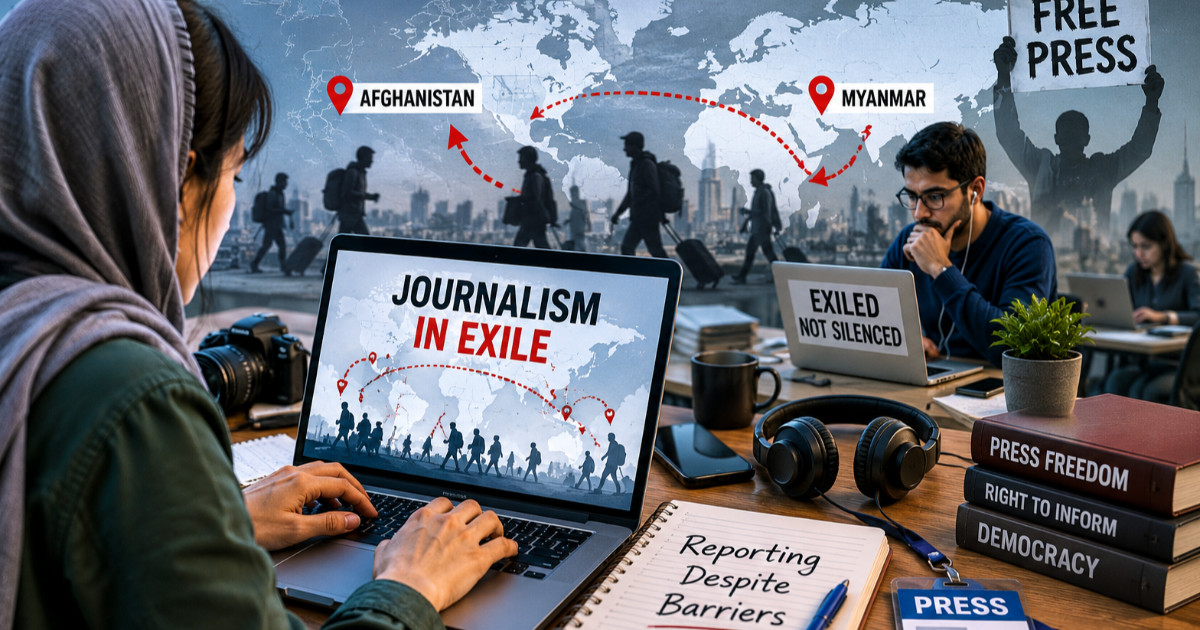
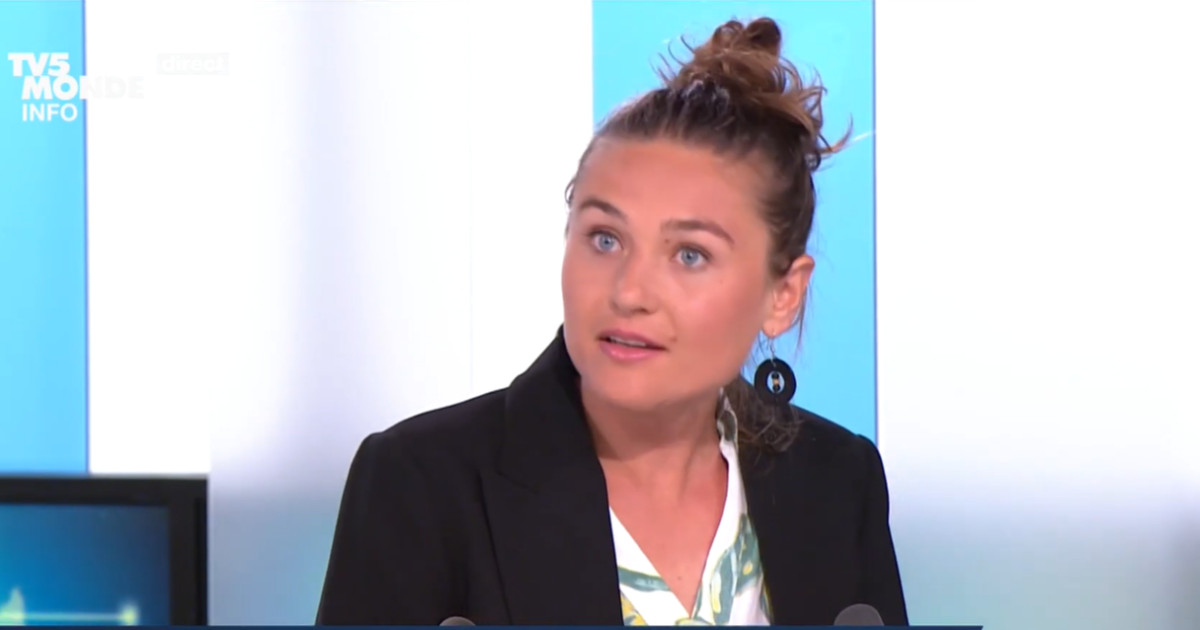
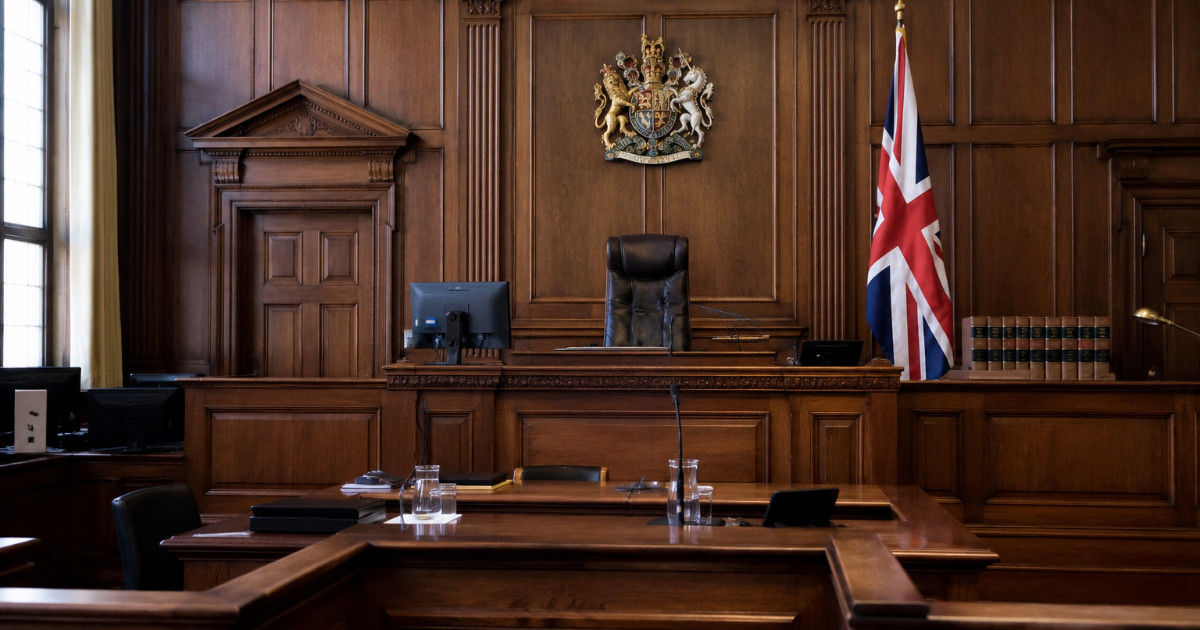
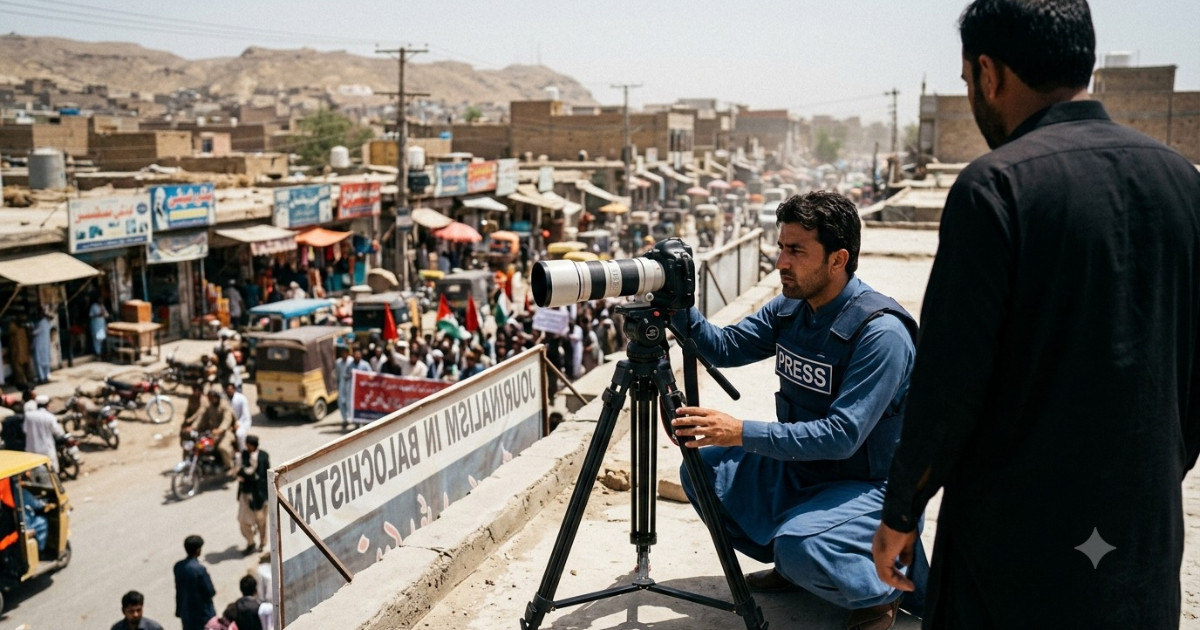
PHOTO: AI-generated; for illustrative purposes only.
Key Points
- Journalist detained on April 24 after publishing commentary critical of the judiciary.
- Press freedom organizations and the national journalists' union condemned the arrest.
- Observers say the case fits a wider pattern of intimidation and legal pressure on media, especially since 2021.
- Opinion and investigative journalism face increasing legal risks as judicial mechanisms are used to curb dissent.
- Groups warn the actions contribute to a shrinking space for independent media in Tunisia.
Key Questions & Answers
Why was the journalist detained?
He was detained after publishing a commentary critical of the judiciary, which authorities say justified legal action.
Who has responded to the arrest?
Press freedom organizations and the national journalists' union issued condemnations and called for his release.
Is this an isolated incident?
Observers and unions describe it as part of a broader pattern of intimidation and legal pressure on independent media.
What are the wider implications?
The case underscores growing legal risks for opinion journalism and concerns about shrinking media freedom since 2021.
Relevant Topics
Ask AI: Understand this story your way
AI EnabledDig deeper, ask anything — get instant context, background, and clarity.
Disclaimer: This feature is powered by AI and is intended to help readers explore and understand news stories more easily. While we strive for accuracy, AI-generated responses may occasionally be incomplete or reflect limitations in the underlying model. This feature does not represent the editorial views of JournalismPakistan. For our full, verified reporting, please refer to the original article.