.png)
Press freedom declines amid aggressive PECA enforcement: report
JournalismPakistan.com | Published: 29 April 2026 | JP Staff Report
Join our WhatsApp channel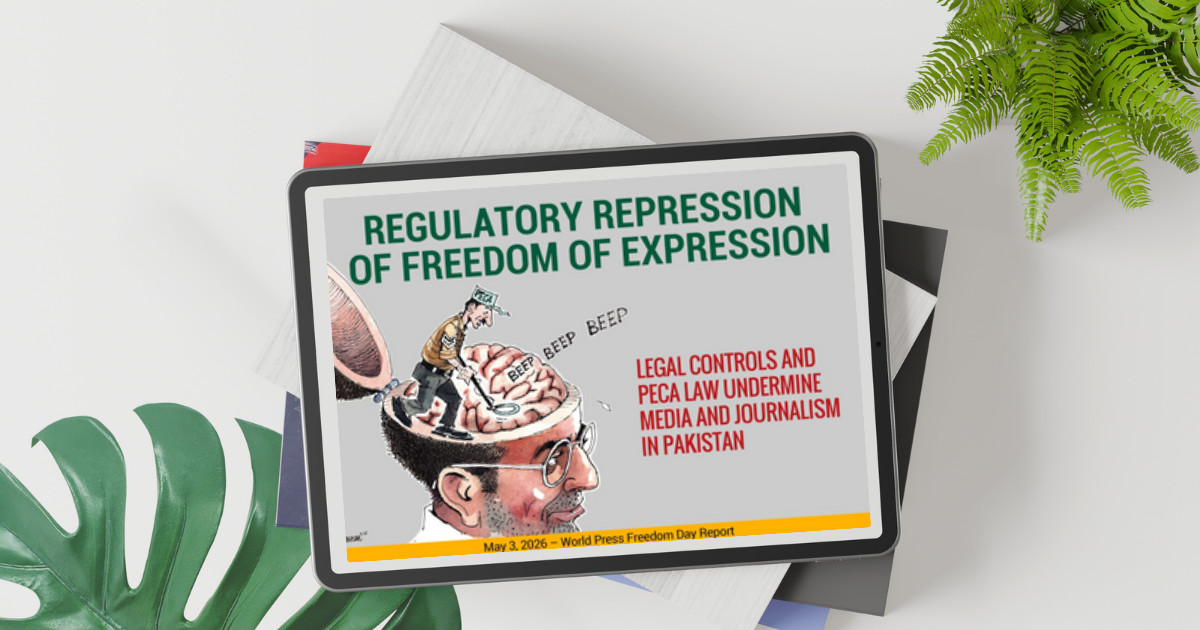
Freedom Network reports Pakistan's media freedom declined in 2025-26 after PECA amendments and growing regulatory pressure allowed authorities to target journalists and critics. The report documents arrests, defamation cases and increased self‑censorship.Summary
ISLAMABAD — Pakistan’s media environment has faced a sharp decline in freedom of expression over the past year, driven largely by the expanded use of cybercrime laws and mounting regulatory pressure, according to a new report by media watchdog Freedom Network.
The report, released ahead of World Press Freedom Day on May 3, identifies the amended Prevention of Electronic Crimes Act (PECA) as the most consequential tool used to restrict journalists, suppress dissent, and criminalize online expression during 2025–26.
Expanded PECA powers raise alarm
Originally introduced in 2016 to address cybercrime, PECA underwent significant amendments in 2025, according to the report, which have broadened its scope and enabled authorities to target journalists, lawyers, and political commentators. Freedom Network says these changes have fostered a climate of fear, leading to increased self-censorship across newsrooms and digital platforms.
“The weaponization of PECA has created a climate of fear where journalists are compelled to self-censor to avoid legal repercussions,” said Freedom Network Executive Director Iqbal Khattak in the report.
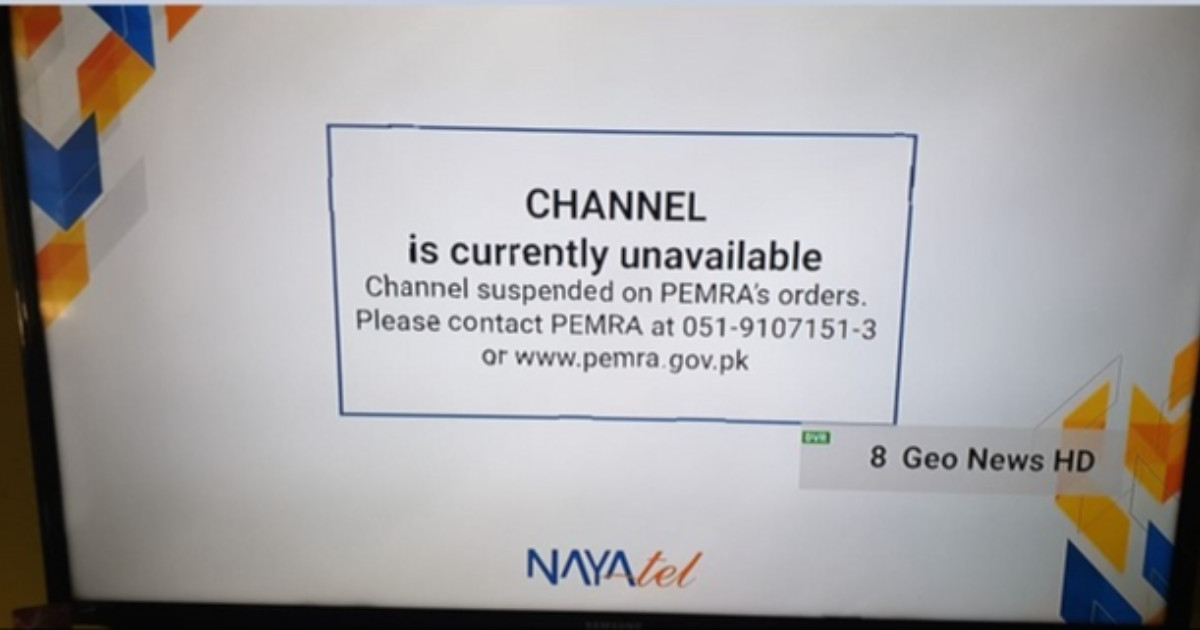
The organization cited several high-profile cases, including convictions of human rights lawyers Imaan Mazari and Hadi Ali Chattha, as examples of how custodial sentences are being used to deter dissent. It also documented dozens of cases where journalists were charged under PECA provisions, alongside defamation suits, regulatory suspensions, and internet shutdowns.
Rising attacks and legal threats
The report recorded at least 129 verified violations against journalists between April 2025 and March 2026. These included two murders, five death threats, 58 legal cases, most linked to PECA, 16 assaults, 11 threats of harm, and two cases of kidnapping or enforced disappearance.
Punjab and Khyber Pakhtunkhwa were identified as the most dangerous regions for journalists, while incidents in Sindh and Balochistan highlighted ongoing nationwide risks. State authorities were identified as the primary alleged perpetrators in over 60 percent of cases, mainly through legal and custodial actions, while non-state actors also contributed to violence and intimidation.
The report further pointed to gaps in transparency, noting that although Right to Information laws exist, their implementation remains inconsistent, particularly at the federal level, limiting journalists’ access to public data.
Women journalists face added risks
The findings also highlight the gendered nature of threats, citing the detention of three female journalists in Islamabad while covering the Aurat March in March 2026. Women journalists continue to face harassment, online abuse, workplace discrimination, and emerging threats such as deepfake manipulation.
Economic pressures have compounded these challenges, with many journalists facing delayed salaries, job insecurity, and dependence on government advertising, factors that the report says undermine editorial independence.
Technology risks and reform calls grow
The report also examines the role of technology, noting that while artificial intelligence adoption in Pakistani media remains limited, concerns around misinformation, surveillance, and lack of oversight are growing. It cited the spread of doctored visuals during the May 2025 India-Pakistan conflict as a key example of how disinformation can distort public understanding.
Despite these concerns, some institutional progress was noted, including leadership initiatives and the appointment of Ambreen Jan as the first female head of the Pakistan Electronic Media Regulatory Authority (PEMRA).
The report concludes that the cumulative effect of legal, economic, and technological pressures has significantly narrowed the space for free expression in Pakistan, urging urgent reforms to PECA, stronger enforcement of journalist protection laws, and improved transparency mechanisms.
WHY THIS MATTERS: The findings highlight how legal tools like PECA are increasingly shaping newsroom behavior, pushing journalists toward self-censorship and risk avoidance. For Pakistani media professionals, the report underscores the growing importance of legal awareness, digital safety, and editorial independence in a tightening regulatory environment.
ATTRIBUTION: Reporting by JournalismPakistan, based on a Freedom Network report released on April 29, 2026, and publicly available statements by the organization on the same date.
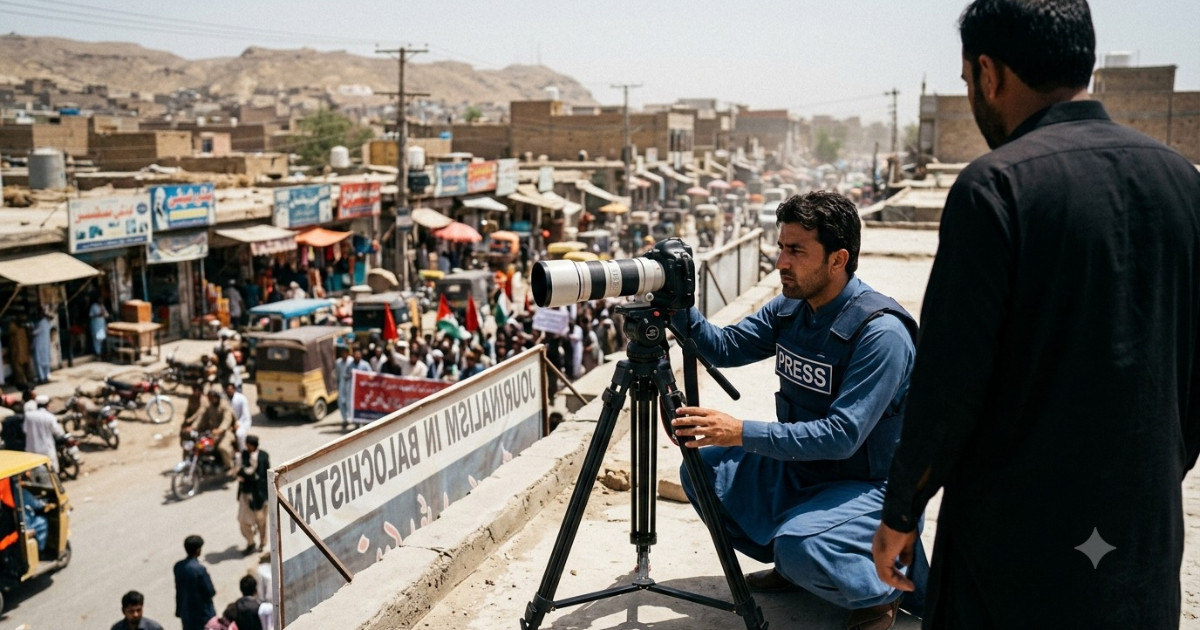
PHOTO: AI-generated; for illustrative purposes only.
Key Points
- Report links a sharp decline in press freedom to 2025 PECA amendments and heightened regulatory pressure.
- Authorities increasingly used cybercrime provisions to charge and, in some cases, convict journalists, lawyers and commentators.
- Documented actions include arrests, defamation suits, regulatory suspensions and internet shutdowns.
- The changes have fostered a climate of fear, prompting widespread self‑censorship across newsrooms and digital platforms.
- Freedom Network highlights high‑profile convictions and legal threats as examples of efforts to deter dissent.
Key Questions & Answers
What does the Freedom Network report conclude?
The report concludes that press freedom in Pakistan declined in 2025-26, driven chiefly by amended PECA powers and increased regulatory pressure that have been used to target journalists and curb dissent.
How have PECA amendments affected journalists?
The amended PECA broadened cybercrime provisions, enabling authorities to file charges against journalists, lawyers and commentators; the report says this has led to arrests, convictions and greater self‑censorship.
What kinds of actions does the report document?
It documents arrests and convictions, defamation cases, regulatory suspensions, internet shutdowns and numerous legal threats used to intimidate media and civil society.
Who does the report say is most affected?
Journalists, human rights lawyers, political commentators and online critics are identified as primary targets, with the changes also impacting newsrooms and digital platforms through self‑censorship.
Relevant Topics
Ask AI: Understand this story your way
AI EnabledDig deeper, ask anything — get instant context, background, and clarity.
Disclaimer: This feature is powered by AI and is intended to help readers explore and understand news stories more easily. While we strive for accuracy, AI-generated responses may occasionally be incomplete or reflect limitations in the underlying model. This feature does not represent the editorial views of JournalismPakistan. For our full, verified reporting, please refer to the original article.