
Dawn CEO flags new era of media pressure in Pakistan
JournalismPakistan.com | Published: 30 April 2026 | JP Staff Report
Join our WhatsApp channel
Dawn CEO Hameed Haroon says Pakistan's press has moved from overt, centralized censorship to diffuse pressures - economic constraints, advertising curbs, and informal influence - that limit editorial independence and strain newsroom survival.Summary
KARACHI—The trajectory of press freedom in Pakistan is increasingly being described not through outright censorship, but through a more diffuse and less visible set of pressures that shape what can be published, how newsrooms operate, and how independent journalism survives economically.
This shift has been reflected in recent commentary by senior media figures, including former All Pakistan Newspapers Society president and Dawn Media CEO Hameed Haroon, who argued that the environment facing the press has moved beyond traditional forms of restriction into a more fragmented system of influence and constraint.
From direct control to structural pressure
In earlier political periods, particularly during military rule, such as the era of Pervez Musharraf, press restrictions were often visible, centralized, and formally imposed. Newsroom closures, direct censorship, and regulatory interventions defined the boundaries of permissible reporting, even if inconsistently enforced.
By contrast, the current media environment is increasingly shaped by indirect mechanisms, economic pressure, advertising restrictions, and informal influence networks that are harder to document but equally impactful on editorial decision-making.
This evolution has complicated how press freedom is understood. Rather than a single controlling authority, influence now appears distributed across state institutions, regulatory frameworks, and financial dependencies that collectively shape newsroom autonomy.
Economics of control and media survival
One of the most significant shifts lies in the financial structure of media itself. Advertising, long the primary revenue source for newspapers, has become a mechanism for applying pressure without formal directives; restrictions, whether direct or informal, affect not only editorial content but also organizational viability.
In this context, even established institutions such as Dawn have faced sustained financial strain, reflecting a broader industry pattern where sustainability and independence are increasingly intertwined.
The result is a media ecosystem where control does not always require prohibition. Instead, it can emerge through resource limitation, uncertainty in revenue streams, and institutional dependency.
Fragmented power and uncertain accountability
Unlike earlier periods, where censorship was largely associated with identifiable state actors, the current environment is more difficult to map. Influence may emerge from multiple points, state institutions, regulatory bodies, or non-state actors, creating ambiguity about accountability.
This fragmentation has led to a newsroom reality where pressure is often felt rather than formally acknowledged, and where editorial caution can emerge as a pre-emptive response to uncertain consequences.
Within this context, concerns about institutional independence extend beyond the press to other pillars of governance, reinforcing perceptions of weakened formal boundaries between state power and public accountability.
The question of media adaptation
Alongside structural pressure, the industry faces a parallel challenge: transformation. Declining print readership, shifting audience behavior, and digital disruption have forced newspapers to rethink their operational models.
The sustainability of journalism is now increasingly tied to employment structures, newsroom investment, and the ability to attract younger audiences. Without institutional adaptation, even independent editorial positions risk being undermined by economic fragility rather than direct censorship.
This dual pressure, political and economic, creates a more complex environment than earlier eras of media restriction.
Broader implications for press freedom
The emerging pattern suggests that press freedom is no longer shaped solely by overt restrictions but by a combination of financial vulnerability, institutional uncertainty, and fragmented influence. This makes both resistance and accountability more difficult to define.
At the same time, it raises fundamental questions about the future structure of journalism in Pakistan: whether independence can be sustained within existing economic models, and whether editorial autonomy can survive in a system where pressure is indirect but persistent.
WHY THIS MATTERS: For journalists and media organizations, the shift from visible censorship to indirect pressure changes how newsroom independence is protected and understood. It highlights the growing importance of financial sustainability as a core press freedom issue, not just an operational concern. It also suggests that defending journalism increasingly requires structural reform, not only editorial resistance.
ATTRIBUTION: Reporting by JournalismPakistan, based on publicly available remarks made during APNS Talks in Karachi (April 2026) and contextual industry analysis of Pakistan’s media environment.
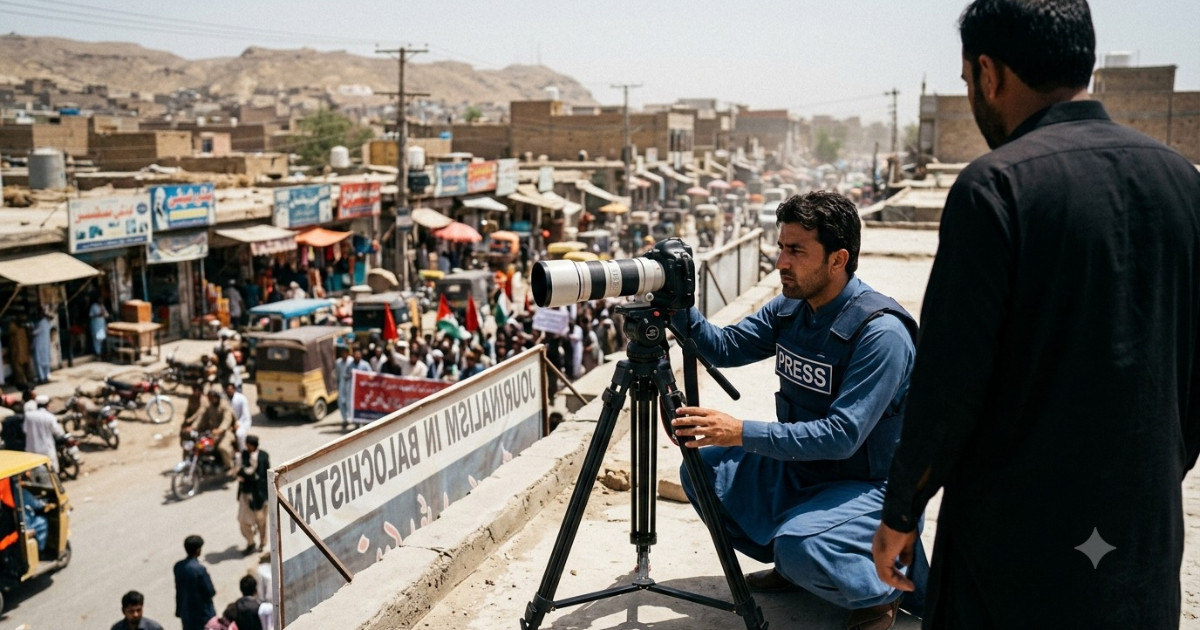
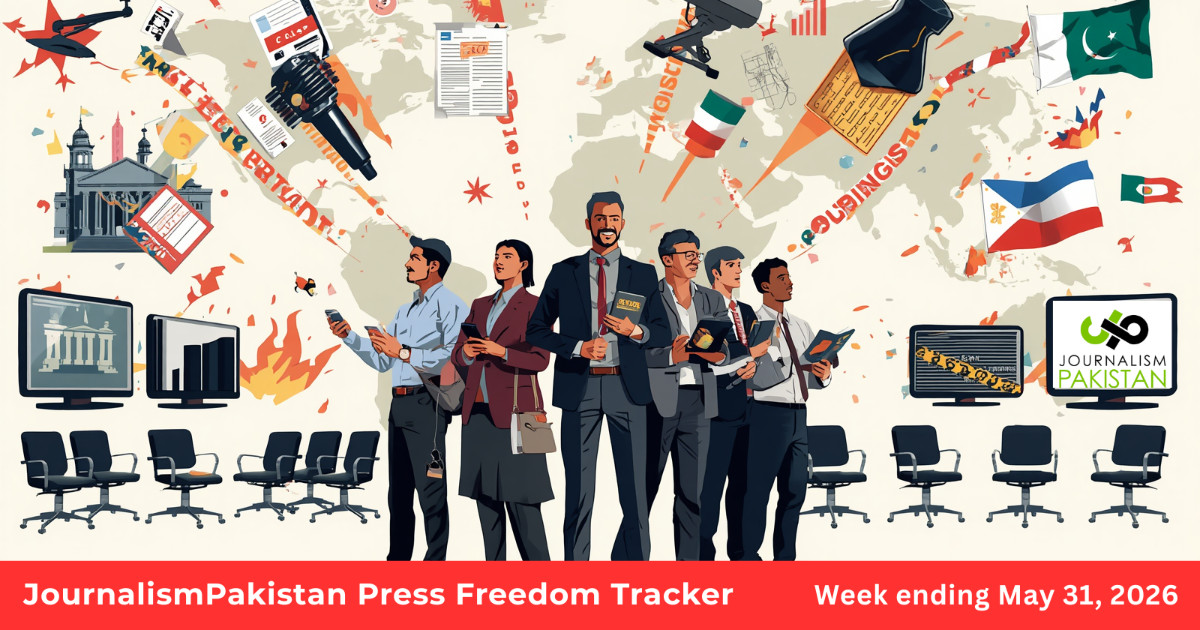
PHOTO: AI-generated; for illustrative purposes only.
Key Points
- Shift from visible, centralized censorship to more diffuse and less visible pressures.
- Economic dependencies and advertising restrictions shape editorial decisions.
- Influence is distributed across state institutions, regulators and financiers.
- Informal and hard-to-document pressures increase self-censorship risks.
- Newsrooms face financial strain alongside threats to autonomy and independence.
Key Questions & Answers
What change did Hameed Haroon describe?
He said press restrictions have moved from overt, centralized censorship to diffuse pressures including economic, regulatory and informal influence.
What are examples of these new pressures?
Examples include advertising curbs, withdrawal of commercial support, regulatory constraints, ownership pressures and informal influence networks.
How do such pressures affect newsrooms?
They can limit editorial independence, encourage self-censorship, shape story selection and threaten the financial viability of independent journalism.
What measures can help protect press freedom?
Stronger legal protections, transparent advertising practices, independent regulators and sustainable business models can help bolster newsroom autonomy.
Relevant Topics
Ask AI: Understand this story your way
AI EnabledDig deeper, ask anything — get instant context, background, and clarity.
Disclaimer: This feature is powered by AI and is intended to help readers explore and understand news stories more easily. While we strive for accuracy, AI-generated responses may occasionally be incomplete or reflect limitations in the underlying model. This feature does not represent the editorial views of JournalismPakistan. For our full, verified reporting, please refer to the original article.