.png)
Lebanese reporter killed in Israeli strikes
JournalismPakistan.com | Published: 23 April 2026 | JP Middle East Desk
Join our WhatsApp channel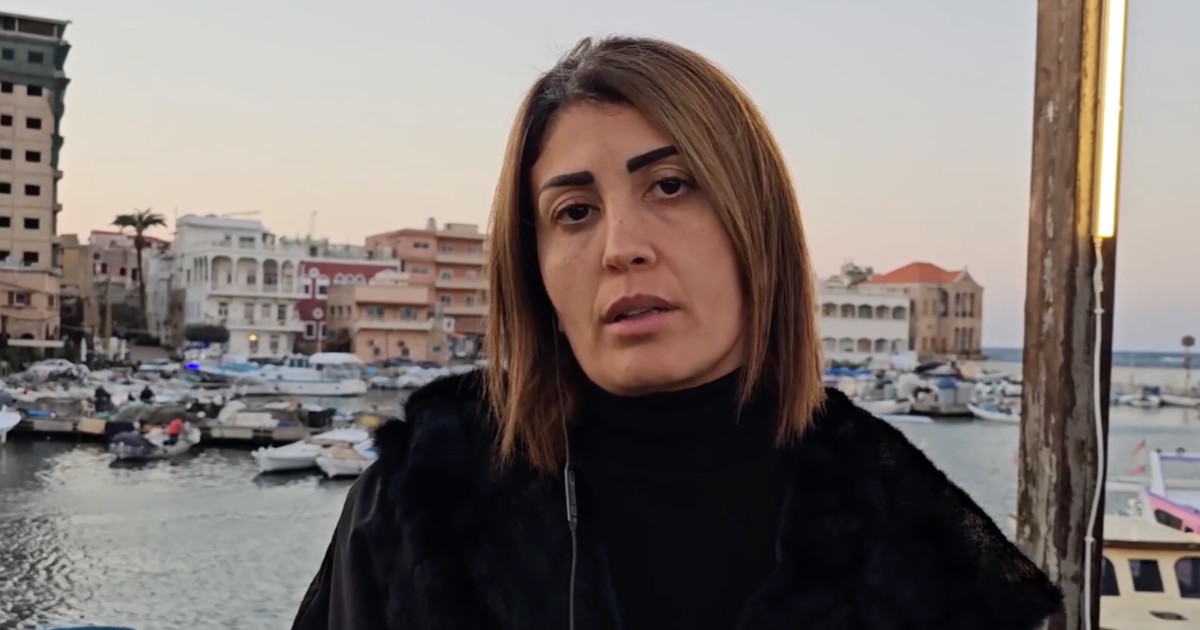
Amal Khalil, a Lebanese reporter, was killed while covering Israeli airstrikes near the Lebanon-Israel border; another journalist was seriously injured as rescue efforts were delayed by continued shelling, prompting press groups to warn of risks to journalists.Summary
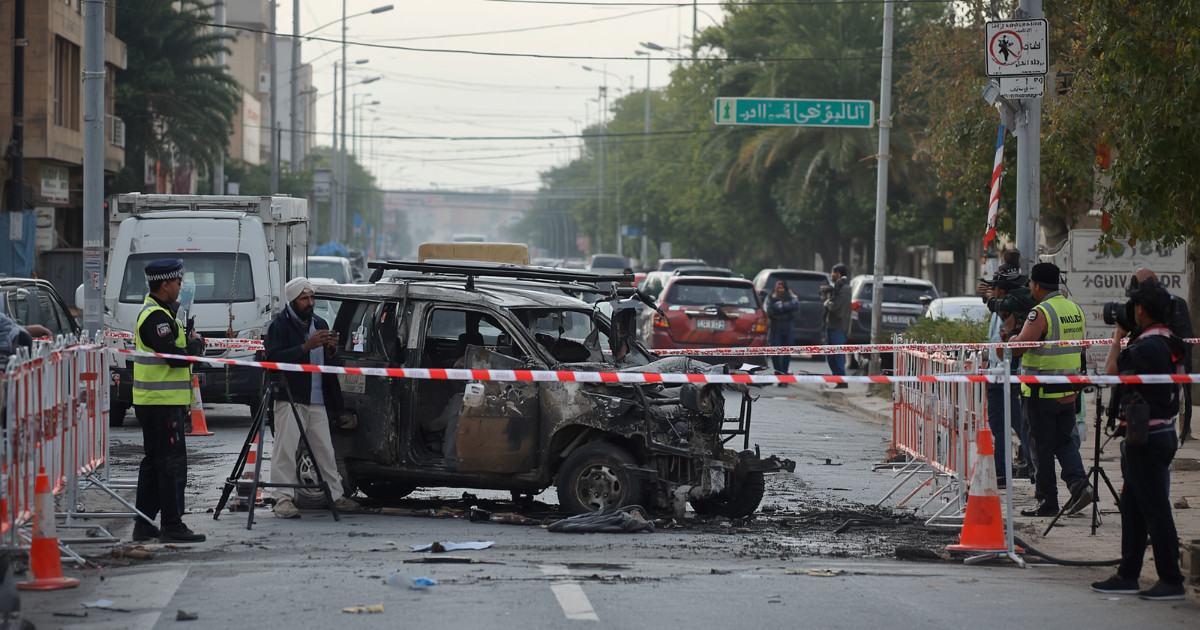
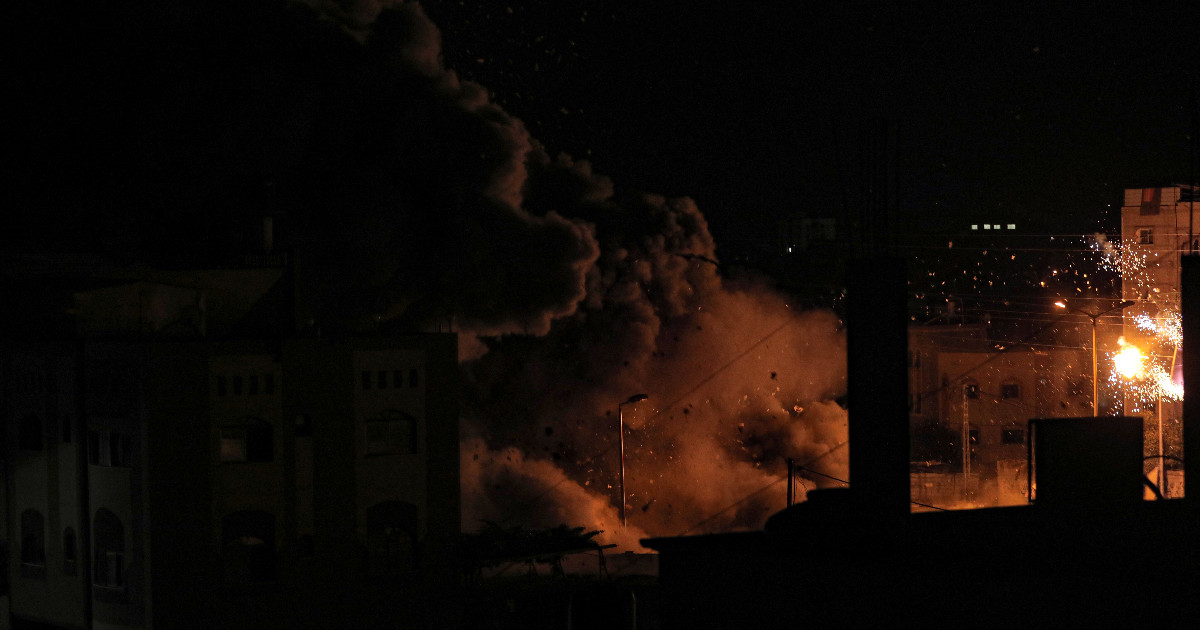
BEIRUT — A Lebanese journalist was killed while covering Israeli airstrikes in southern Lebanon, underscoring the mounting dangers faced by media workers reporting from active conflict zones as cross-border hostilities continue.
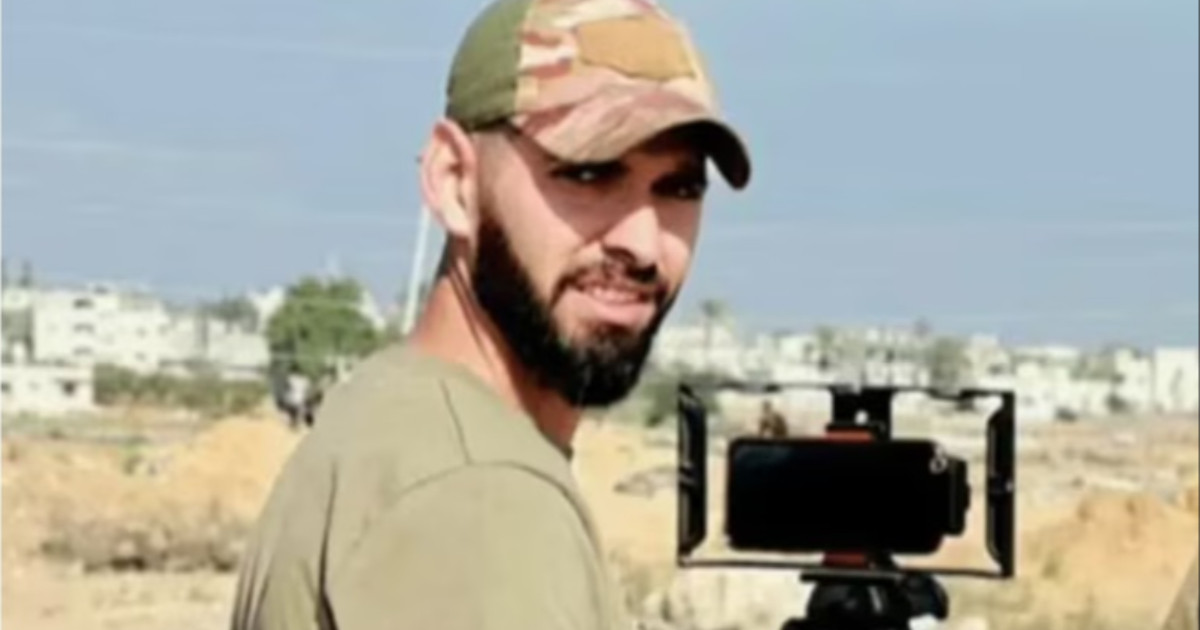
Amal Khalil, a local reporter, died after coming under fire while documenting the aftermath of Israeli strikes targeting areas near the Lebanon-Israel border. Another journalist at the scene was seriously injured, according to initial reports from local media and press freedom groups monitoring the situation.
Rescue efforts were reportedly delayed due to continued shelling in the area, raising further alarm among journalists and humanitarian observers about the ability to safely evacuate wounded media workers during ongoing military operations.
Rising dangers for frontline journalists
The Israeli military said its operations were aimed at Hezbollah-linked positions and denied deliberately targeting journalists. However, the incident has intensified scrutiny over the risks journalists face when reporting from frontline areas where combatants and civilians are often in close proximity.
Press freedom organizations have repeatedly warned that journalists covering conflict zones in the Middle East face heightened exposure to harm, particularly in rapidly shifting battle environments where identifying media personnel can be challenging. The latest killing adds to a growing toll of reporters injured or killed while documenting regional hostilities.
The lack of immediate safe access for rescue teams in Khalil’s case has also renewed concerns about compliance with international humanitarian law, which obligates all parties to protect civilians, including journalists, and to facilitate medical assistance.
Calls for accountability grow
Advocacy groups and media watchdogs have called for an independent investigation into the circumstances surrounding the incident, emphasizing the need for accountability when journalists are harmed in conflict zones. They argue that transparency is essential to deter future incidents and uphold protections guaranteed under international law.
The episode reflects a broader pattern of escalating risks for journalists operating in volatile regions, where reporting often continues despite limited safety assurances and increasing operational constraints. For many local reporters, covering such events remains both a professional duty and a personal risk.
ATTRIBUTION: Reporting by JournalismPakistan, based on publicly available statements and reports by international media outlets and press freedom organizations on April 23, 2026.
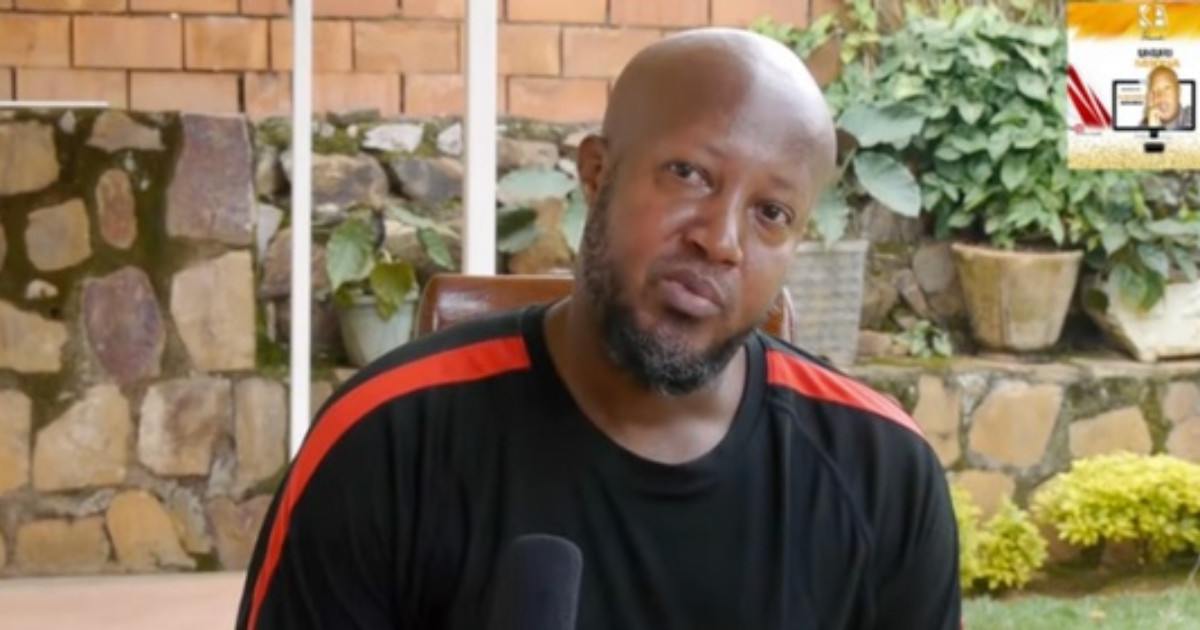
PHOTO: Journalist Amal Khalil (Photo: YouTube/@
Key Points
- Amal Khalil, a local Lebanese reporter, was killed while covering Israeli airstrikes near the Lebanon-Israel border.
- Another journalist at the scene was seriously injured.
- Rescue efforts were delayed due to continued shelling, hindering evacuation of the wounded.
- The Israeli military said it struck Hezbollah-linked positions and denied deliberately targeting journalists.
- Press freedom groups warned the incident highlights growing dangers for media operating in frontline areas.
Key Questions & Answers
Who was killed?
Amal Khalil, a local Lebanese reporter, was killed while covering Israeli airstrikes in southern Lebanon.
Did the Israeli military admit to targeting journalists?
No, the Israeli military said it targeted Hezbollah-linked positions and denied deliberately targeting journalists.
Were rescue efforts affected?
Yes; continued shelling delayed rescue operations and hampered the evacuation of the injured.
What have press groups said?
Press freedom organizations warned the incident underscores escalating risks for journalists reporting in frontline conflict zones.
Relevant Topics
Ask AI: Understand this story your way
AI EnabledDig deeper, ask anything — get instant context, background, and clarity.
Disclaimer: This feature is powered by AI and is intended to help readers explore and understand news stories more easily. While we strive for accuracy, AI-generated responses may occasionally be incomplete or reflect limitations in the underlying model. This feature does not represent the editorial views of JournalismPakistan. For our full, verified reporting, please refer to the original article.