.png)
Law, pressure, and layoffs: Pakistan's media in April 2026
JournalismPakistan.com | Published: 30 April 2026 | JP Staff Report
Join our WhatsApp channel
April 2026 saw converging legal and economic pressures on Pakistan's media, including expanded use of PECA (187 Section 26A cases), regulatory interventions, cases like Matiullah Jan's, and newsroom layoffs reshaping journalism.Summary
ISLAMABAD — April 2026 unfolded as a defining month for Pakistan’s media, shaped not by a single event but by a convergence of pressures that are steadily reshaping journalism in the country. From the expanding use of cybercrime laws to newsroom layoffs, regulatory interventions, and shifting editorial influence, the month’s developments point to a media environment under strain, legally, economically, and institutionally.
What emerges is not a story of abrupt collapse, but of gradual transformation, where control is more diffuse, financial stability more uncertain, and the space for independent journalism increasingly contested.
Law, regulation, and control
At the center of the month’s developments was the growing use of the Prevention of Electronic Crimes Act (PECA), particularly Section 26A, under which 187 cases have now been registered. The scale of enforcement, combined with the law’s broad provisions on “false or harmful information,” has raised concerns among journalists and rights advocates about its potential application against dissent and critical reporting.
The case of senior journalist Matiullah Jan further underscored these concerns. The Supreme Court’s decision to halt the framing of terrorism charges against him, while directing the Islamabad High Court to review the matter, placed a spotlight on the use of anti-terror laws in cases involving journalists. At the same time, Jan’s abrupt departure from Neo News highlighted how legal and professional pressures can intersect, turning individual cases into broader indicators of the risks facing outspoken journalists.
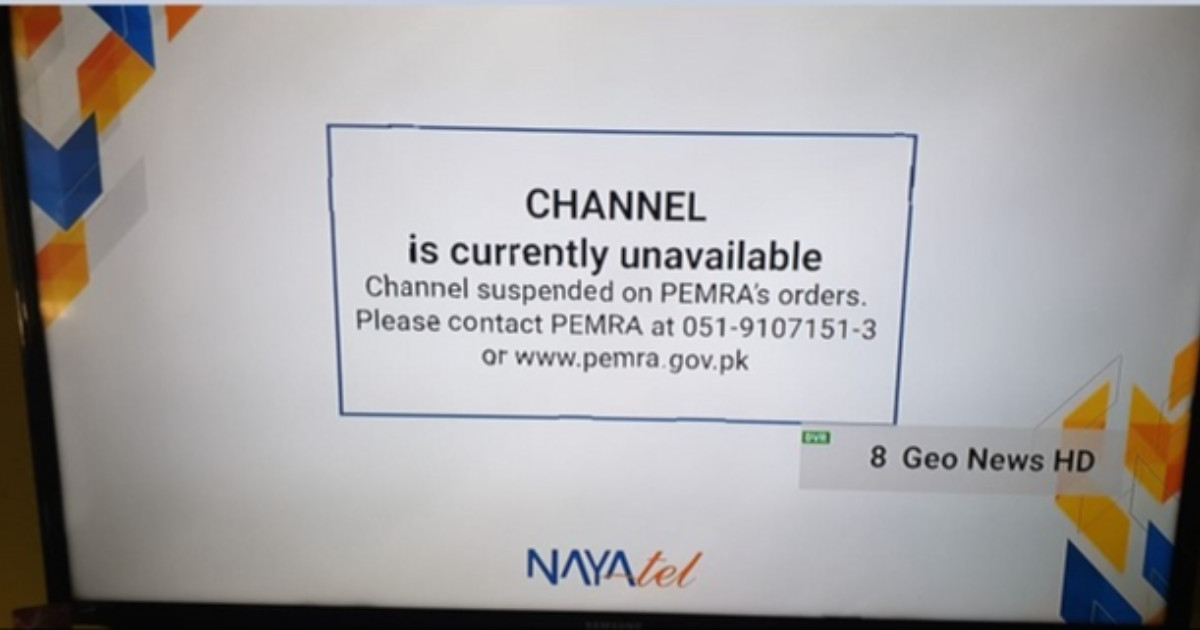
Regulatory scrutiny also surfaced in the Pakistan Electronic Media Regulatory Authority’s (PEMRA) show-cause notice to Geo News over its coverage of Indian singer Asha Bhosle. By framing entertainment content as a compliance issue linked to prior court rulings, the move illustrated how editorial boundaries are being shaped not just through overt restrictions, but through regulatory signaling.
Meanwhile, questions about government influence over media were sharpened by the absence of clear disclosures on public advertising spending. Lawmakers’ queries in the National Assembly went unanswered, reinforcing long-standing concerns about transparency in how state funds are allocated to media outlets, a critical lever of influence in the industry.
Newsrooms under pressure
If legal developments defined one axis of change, the economic reality of journalism formed another. April saw multiple reports of layoffs across media organizations, including at Urdu News and Aaj News, alongside accounts of delayed or unpaid salaries.
These incidents were not isolated. A broader situational analysis by the Rawalpindi-Islamabad Union of Journalists (RIUJ) pointed to a pattern of downsizing, forced terminations, and cost-cutting measures affecting journalists and technical staff alike. The findings suggest a systemic contraction in the media labor market, driven by declining revenues and structural shifts in the industry.
The gap between policy and practice was also evident in the limited utilization of the government-backed health insurance scheme for journalists. Despite thousands of enrollments, only a small fraction of beneficiaries accessed services, raising questions about implementation and accessibility in programs intended to support media workers.
Together, these developments paint a picture of an industry where financial insecurity is no longer episodic, but embedded.
Journalism under strain
April also revealed the operational challenges facing journalists on the ground. During the high-profile Iran–United States talks held in Islamabad, reporters encountered restricted access and logistical barriers that kept them physically removed from the site of negotiations.
The result was a striking gap between the significance of the event and the depth of local coverage. Much of the reporting relied on international agencies, while domestic outlets struggled to produce original, on-the-ground journalism. It was a moment of global relevance for Pakistan, but one that exposed the limitations of its media infrastructure under tight controls.
Concerns about safety and legal exposure persisted as well. The detention and subsequent bail of journalist Fakhar ur Rehman in a PECA-related case illustrated how quickly digital-era prosecutions can unfold. In parallel, anchorperson Gharidah Farooqi’s case, where authorities acted against individuals accused of coordinated online harassment, offered a rare example of enforcement in response to gender-based digital abuse.
These contrasting developments reflect a complex environment in which journalists navigate both vulnerability and selective accountability.
Shifts in media power
Beyond immediate pressures, April also highlighted longer-term shifts in how journalism is produced and consumed. A viral article by writer Dan Qayyum, which reached over one million readers outside any traditional newsroom, underscored the growing influence of independent creators in shaping public discourse.
At the same time, established media figures are recalibrating their roles. Kamran Khan’s return to television signaled the continued relevance of legacy broadcasters, even as they adapt to a changing media ecosystem. Meanwhile, leadership changes such as Jahanzaib Haque’s appointment at Nukta reflect the ongoing consolidation and evolution of digital platforms within larger media networks.
These developments point to a fragmented landscape where influence is no longer concentrated solely within traditional institutions, but distributed across a mix of legacy and emerging voices.
Voices and departures
The month also marked significant personal milestones within the profession. Veteran journalist Abbas Nasir’s final column for Dawn brought to a close a 15-year run that many saw as a space for independent and reflective commentary. His departure symbolized not just the end of a column but the gradual erosion of platforms that have historically supported sustained, critical voices.
Similarly, Matiullah Jan’s exit from Neo News added a professional dimension to an already high-profile case, reinforcing how individual careers are increasingly shaped by broader structural pressures.
In quieter terms, the passing of senior journalist Shahbaz Khan, known as Shahbaz Bhatti, marked the loss of an experienced newsroom leader whose contributions spanned decades, reminding the industry of the institutional memory it continues to lose.
Why this matters
The developments of April 2026 illustrate a critical shift in Pakistan’s media landscape. The challenges facing journalism are no longer confined to direct censorship or isolated incidents of pressure. Instead, they are embedded across multiple layers, legal frameworks, economic conditions, regulatory practices, and technological change.
This convergence matters because it reshapes not only what journalists can report, but how journalism itself is sustained. Legal ambiguity can deter critical reporting; financial instability can weaken editorial independence; and restricted access can limit the depth and quality of coverage.
At the same time, the rise of independent creators and digital platforms introduces new opportunities, but also new uncertainties about standards, accountability, and sustainability.
Taken together, these trends suggest that the future of journalism in Pakistan will be defined less by singular flashpoints and more by the cumulative effect of these overlapping pressures.
ATTRIBUTION: This monthly review is based on reporting published by JournalismPakistan throughout April 2026, drawing on its coverage of media developments, press freedom, and the evolving journalism landscape in Pakistan.
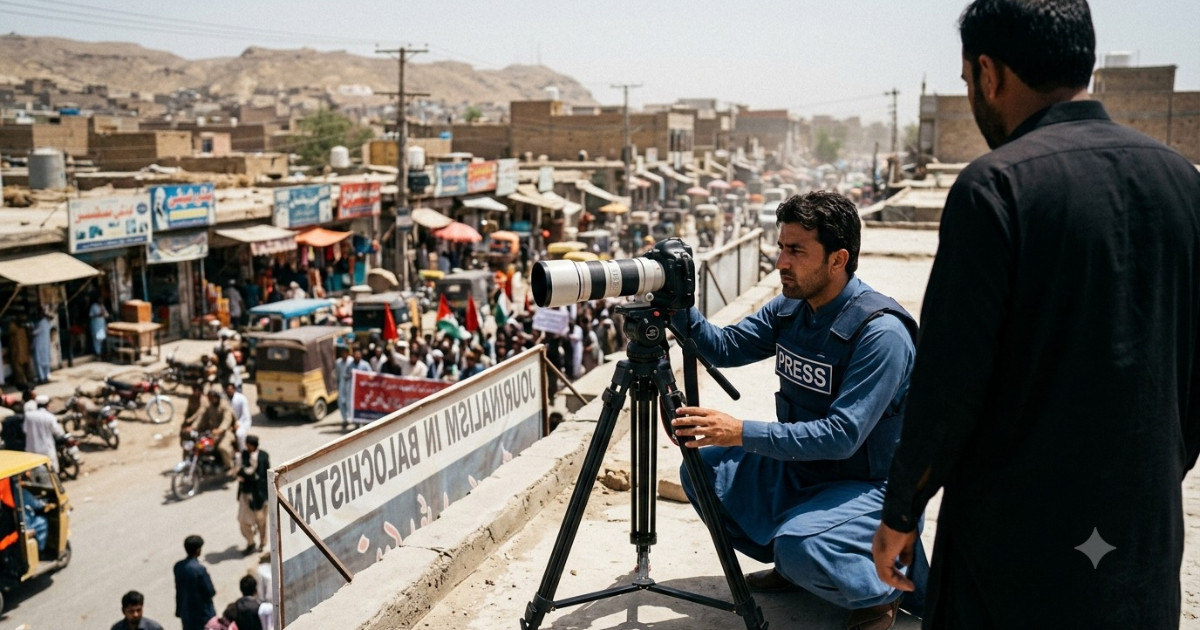
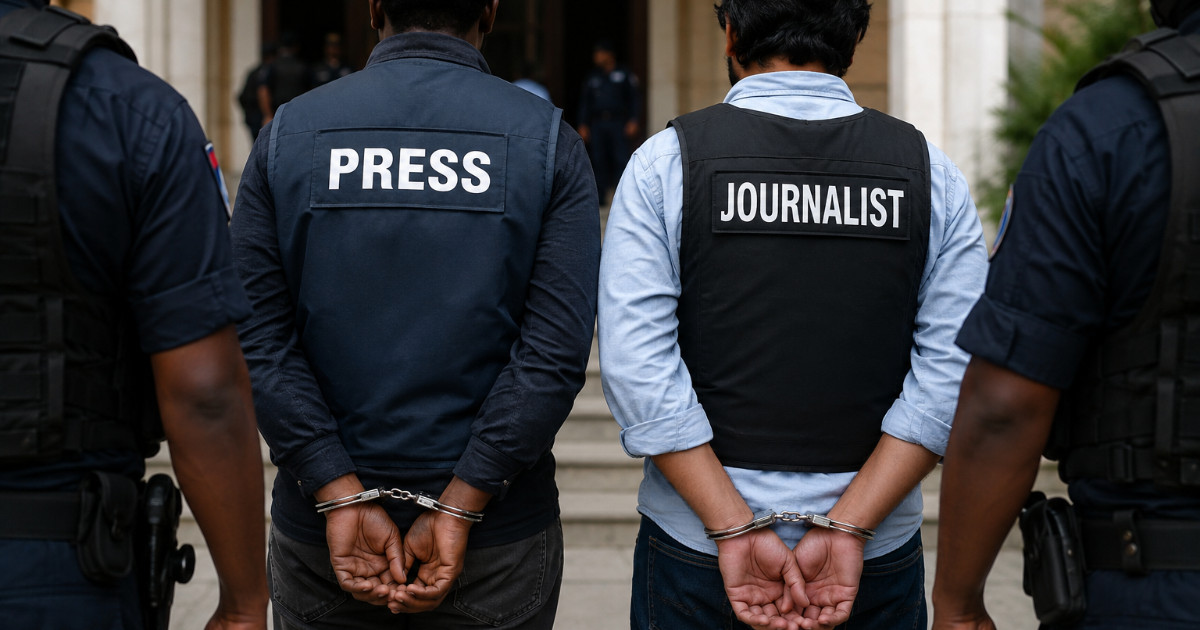
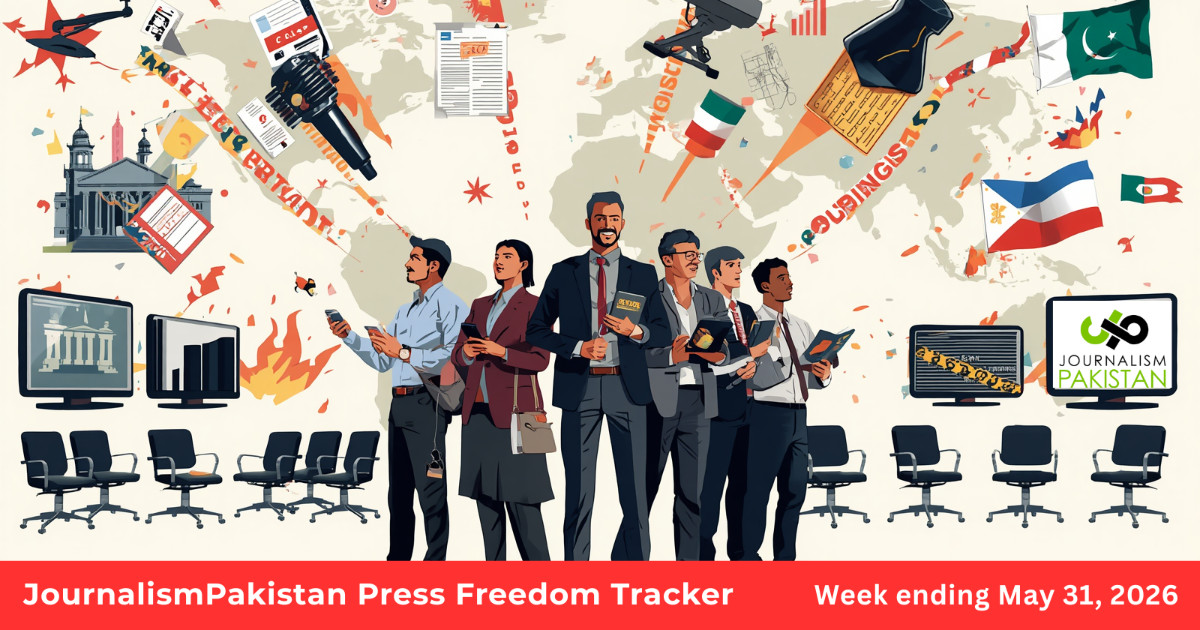
PHOTO: AI-generated; for illustrative purposes
Key Points
- Wider use of PECA, including 187 cases under Section 26A, drove legal pressure on journalists and outlets.
- The Supreme Court halted framing of terrorism charges against Matiullah Jan and asked the Islamabad High Court to review the matter.
- Matiullah Jan's exit from Neo News highlighted how legal and professional pressures can lead to abrupt newsroom changes.
- Newsroom layoffs and economic strains reduced staff and reshaped editorial capacity at multiple outlets.
- Regulatory interventions and broad legal provisions have made the space for independent journalism more contested.
Key Questions & Answers
What key legal tool was used against the media in April 2026?
The Prevention of Electronic Crimes Act (PECA), especially Section 26A, saw expanded use and concerns about its broad scope.
What happened in the Matiullah Jan case?
The Supreme Court stopped the framing of terrorism charges against Matiullah Jan and directed the Islamabad High Court to review the matter, drawing attention to anti‑terror laws used in journalist cases.
Why are newsroom layoffs significant?
Layoffs signal economic strain across outlets, reducing reporting capacity, prompting staff departures, and increasing editorial vulnerability to external pressures.
How do these developments affect press freedom?
Combined legal, regulatory, and financial pressures have narrowed operational space and increased risks for independent reporting, making journalism more contested.
Relevant Topics
Ask AI: Understand this story your way
AI EnabledDig deeper, ask anything — get instant context, background, and clarity.
Disclaimer: This feature is powered by AI and is intended to help readers explore and understand news stories more easily. While we strive for accuracy, AI-generated responses may occasionally be incomplete or reflect limitations in the underlying model. This feature does not represent the editorial views of JournalismPakistan. For our full, verified reporting, please refer to the original article.