
What geoblocking in digital publishing means and why it matters
JournalismPakistan.com | Published: 28 July 2026 | JP Staff Report
Join our WhatsApp channel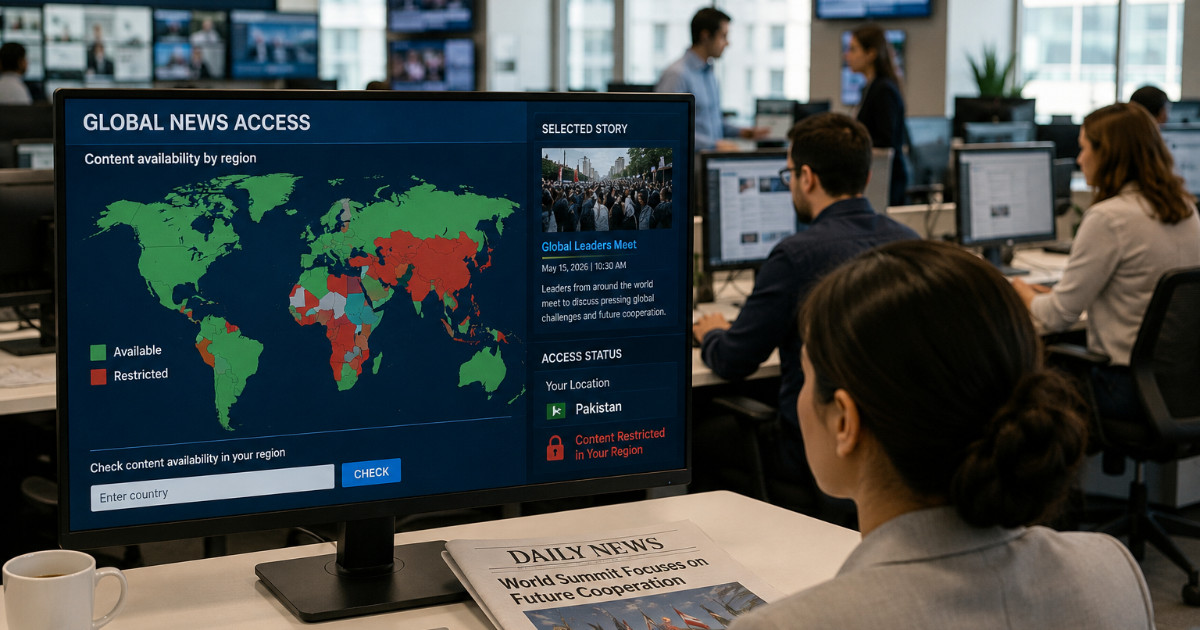
Geoblocking restricts online content by a user's geographic location, using IP-based methods to allow, limit or block access. It matters because laws, licensing, sanctions and commercial strategies shape who can access news and media across borders.Summary
ISLAMABAD — The internet was once widely seen as a borderless space where information could flow freely across countries. In reality, however, digital publishing is increasingly shaped by national laws, licensing agreements, sanctions, privacy rules, and commercial strategies that determine who can access online content. One of the most important tools behind these restrictions is geoblocking.
The term has gained renewed attention as governments tighten digital regulations, publishers negotiate international content rights, and technology companies respond to differing legal requirements across jurisdictions. For readers, journalists, and news organizations, understanding geoblocking has become essential because it directly affects what information is available online and where.
Whether it involves a streaming service restricting access to documentaries, a news website limiting readers from specific countries, or a government ordering internet providers to block certain platforms, geoblocking plays an increasingly visible role in the global media ecosystem.
What geoblocking in digital publishing means
Geoblocking is the practice of restricting access to digital content based on a user's geographic location. Websites, publishers, streaming platforms, and online services determine where a visitor is located, typically through the device's IP address, and decide whether certain content should be displayed, limited, or blocked entirely.
The reasons for geoblocking vary widely. Some publishers use it because they have licensed content only for specific countries. Others comply with local laws requiring certain material to be unavailable in particular jurisdictions. In some cases, governments require internet service providers or technology companies to block websites or digital platforms altogether.
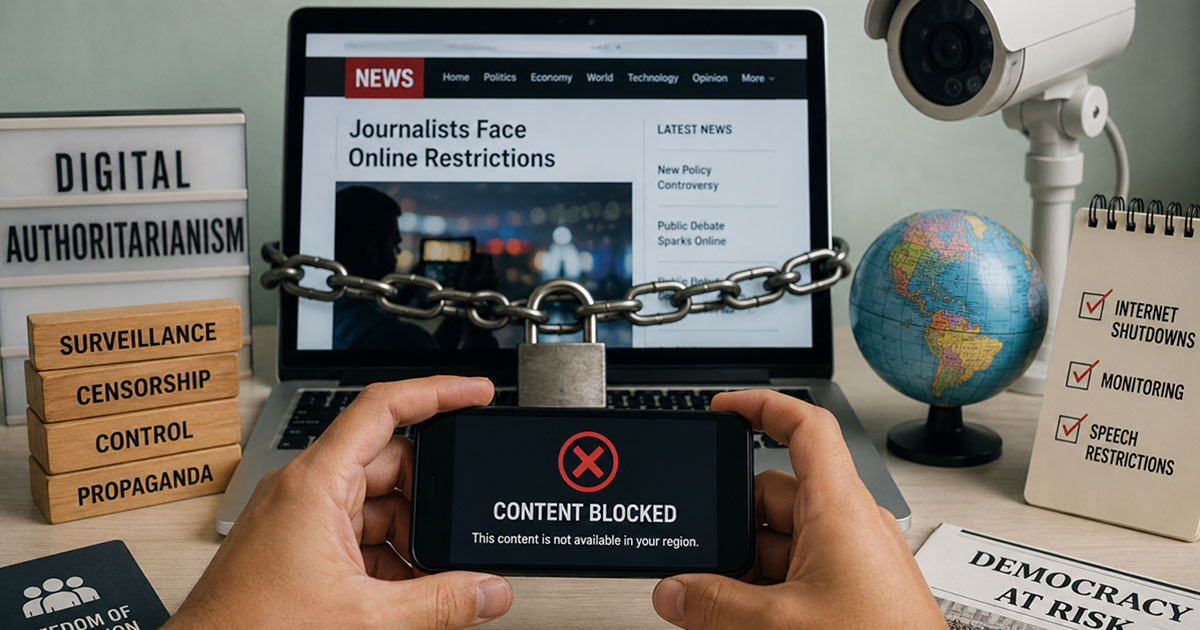
In digital publishing, geoblocking can affect news articles, videos, podcasts, newsletters, archives, or subscription services. A reader in one country may have unrestricted access to an article, while someone elsewhere receives an error message stating that the content is unavailable in their region.
Geoblocking differs from censorship, although the two may sometimes overlap. Commercial geoblocking usually results from licensing agreements or business decisions. Government-imposed geoblocking may stem from national legislation, court orders, sanctions, or regulatory actions. While both restrict access, the motivations and legal foundations can be very different.
Publishers also use geoblocking for operational reasons. They may launch new products gradually in selected markets, prevent fraud, manage advertising rights, or comply with privacy regulations such as the European Union's General Data Protection Regulation (GDPR). Some websites have even chosen to block European visitors entirely rather than modify their systems to meet GDPR requirements.
Why it matters now
Geoblocking has become increasingly important because digital publishing no longer operates under a single global framework. News organizations must navigate a growing patchwork of national regulations governing privacy, copyright, artificial intelligence, digital competition, online safety, and harmful content.
The expansion of subscription-based journalism has further increased the use of geographic restrictions. Publishers often negotiate distribution rights country by country, making geoblocking a practical tool for protecting commercial agreements and maintaining regional pricing strategies.
Artificial intelligence is adding another dimension to the debate. News publishers are negotiating licensing agreements with AI developers while seeking greater control over how their content is accessed, scraped, and reused. Geographic restrictions may become part of future licensing arrangements, especially where copyright laws differ between jurisdictions.
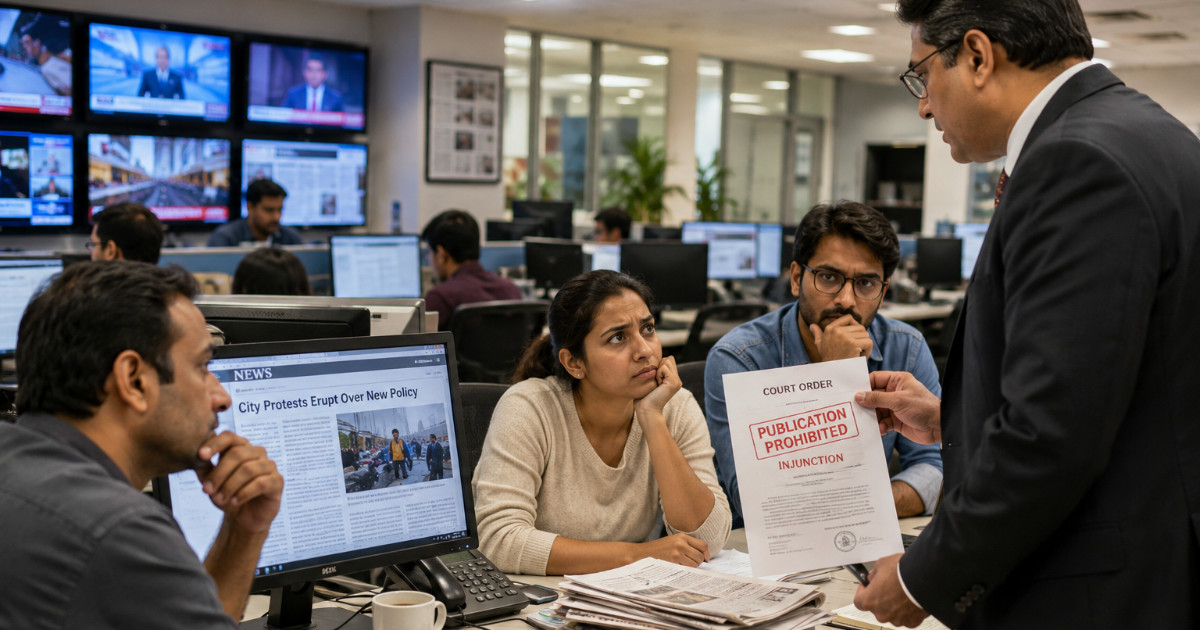
Press freedom advocates also pay close attention to geoblocking because governments sometimes use technical restrictions to limit access to independent journalism. While some restrictions are based on legal rulings or national security concerns, others have been criticized for reducing access to diverse sources of information.
Media companies operating internationally must therefore balance legal compliance with editorial independence and audience reach. Decisions about whether to block or permit access in certain countries increasingly involve legal, commercial, and ethical considerations rather than purely technical ones.
Real-world examples
Internationally, geoblocking frequently appears in disputes involving copyright and digital regulation. Streaming platforms such as Netflix routinely make films and television programs available in some countries but not others because licensing rights differ across markets. Although entertainment is the primary example, similar arrangements affect documentary journalism and news programming distributed through digital platforms.
News publishers have also adopted geoblocking in response to regulatory changes. Following the implementation of the European Union's GDPR in 2018, several U.S.-based news websites temporarily blocked visitors from Europe instead of immediately updating their data collection and privacy systems to comply with the new requirements. The restrictions highlighted how privacy regulation could directly affect access to journalism across borders.
In South Asia, governments have occasionally directed internet service providers to restrict access to specific websites or digital platforms under national legal frameworks. In Pakistan, authorities have periodically blocked or restricted access to social media platforms and online services during periods of political tension or following regulatory directives. While such actions generally target entire platforms rather than individual news articles, they illustrate how geographic restrictions can shape the availability of digital information for audiences within a country's borders.
Pakistani media organizations serving international audiences also face practical geoblocking considerations. Publishers distributing multimedia content may encounter territorial licensing restrictions for photographs, videos, syndicated features, or sports coverage. Similarly, some international news services provide content under regional agreements that determine where articles or multimedia can legally appear.
Geoblocking is likely to remain a significant feature of digital publishing as governments continue updating online regulations and publishers seek sustainable business models in a competitive media environment. Understanding how and why geographic restrictions are applied helps readers better interpret why the same internet can offer different experiences depending on where someone connects. For journalists and publishers, the concept also highlights the growing intersection of technology, law, commerce, and access to information in an increasingly fragmented digital world.
PHOTO: AI-generated; for illustrative purposes
Key Points
- Definition of geoblocking and how access is limited by geographic location.
- Common detection methods such as IP-based routing and geo-IP databases.
- Reasons include copyright licensing, national laws, sanctions, privacy and commercial strategy.
- Effects on readers, journalists and news organisations, including information gaps and reporting challenges.
- Examples in practice: streaming limits, country-specific site blocks and government-ordered restrictions.
Key Questions & Answers
What is geoblocking?
Geoblocking is the practice of restricting or allowing online content based on a user's geographic location, usually determined through IP addresses or related location tools.
Why do publishers and platforms use geoblocking?
They use it to comply with copyright and licensing terms, national laws or sanctions, to protect privacy, and for commercial or strategic business reasons.
How is a user's location typically identified online?
Most services detect location via the device's IP address, supplemented by geo-IP databases, VPN detection and other network-based tools.
How does geoblocking affect readers and journalists?
It can limit access to information across borders, create reporting blind spots, complicate international coverage and affect how audiences engage with news and media.
Relevant Topics
Ask AI: Understand this story your way
AI EnabledDig deeper, ask anything — get instant context, background, and clarity.
Disclaimer: This feature is powered by AI and is intended to help readers explore and understand news stories more easily. While we strive for accuracy, AI-generated responses may occasionally be incomplete or reflect limitations in the underlying model. This feature does not represent the editorial views of JournalismPakistan. For our full, verified reporting, please refer to the original article.