.png)
The new playbook against journalists isn't censorship, it's the courtroom
JournalismPakistan.com | Published: 28 July 2026 | JP Staff Report
Join our WhatsApp channel
JournalismPakistan.com's Press Freedom Tracker shows governments are increasingly using criminal probes, cybercrime and security laws, prosecutions and court processes to pressure journalists. The approach deters independent reporting while appearing lawful.Summary
ISLAMABAD — Governments seeking to pressure journalists are increasingly turning to courtrooms rather than outright censorship, relying on criminal investigations, cybercrime legislation, prosecutions, and prolonged legal proceedings that can discourage independent reporting while maintaining the appearance of due process.
A review of incidents documented in JournalismPakistan.com's latest Press Freedom Tracker suggests that legal pressure has become one of the most common methods used against journalists across multiple regions. Within a single week, cases in Zambia, Cambodia, the Philippines, Pakistan, and India all involved arrests, criminal charges, detention, bail proceedings, or ongoing prosecutions rather than traditional media bans.
The shift from censorship to legal pressure
Historically, governments seeking to silence critical reporting often relied on newspaper closures, broadcast bans, or direct censorship. While such measures still exist in some countries, legal systems are increasingly becoming the preferred arena for confronting journalists.
Cybercrime laws, criminal defamation provisions, national security legislation, and other legal mechanisms allow authorities to investigate, arrest, or prosecute journalists under existing statutes. Even when convictions do not result, lengthy legal proceedings, repeated court appearances, financial costs, and the uncertainty surrounding criminal cases can discourage investigative reporting.
This approach is particularly difficult to challenge because authorities frequently argue that journalists are being investigated not for their reporting but for allegedly violating ordinary criminal laws.
A pattern across countries
The week's developments illustrate how diverse legal tools are being employed against journalists.
In Zambia, journalist MacPherson Mukuka remained in detention after publishing a secretly recorded conversation, prompting concerns that cybercrime legislation was being used to criminalize reporting in the public interest. In Cambodia, journalist Luot Sophal received a two-year prison sentence after reporting on an alleged water shortage affecting frontline troops during border tensions. Meanwhile, in the Philippines, former SunStar Cebu editor-in-chief Marchel Espina surrendered to authorities and posted bail after criminal charges stemming from a published opinion article.
Pakistan also saw concerns over legal pressure after journalist Azaz Syed reported that veteran journalist and commentator Sajjad Anwar had been summoned by the National Cyber Crimes Investigation Agency, although authorities had not publicly disclosed the reason for the notice. Separately, a Lahore court granted post-arrest bail to journalist Rehan Tariq in a case linked to an interview on religious issues, providing temporary relief while legal proceedings continue.
India presented a similar picture. Journalist Irfan Mehraj remained free on bail as his trial continued after spending more than two years in custody, illustrating how legal proceedings themselves can become a prolonged burden for journalists regardless of the eventual outcome.
Courts can also protect press freedom
The legal system, however, is not solely a source of pressure. Courts and judicial safeguards also continue to play an important role in protecting journalism.
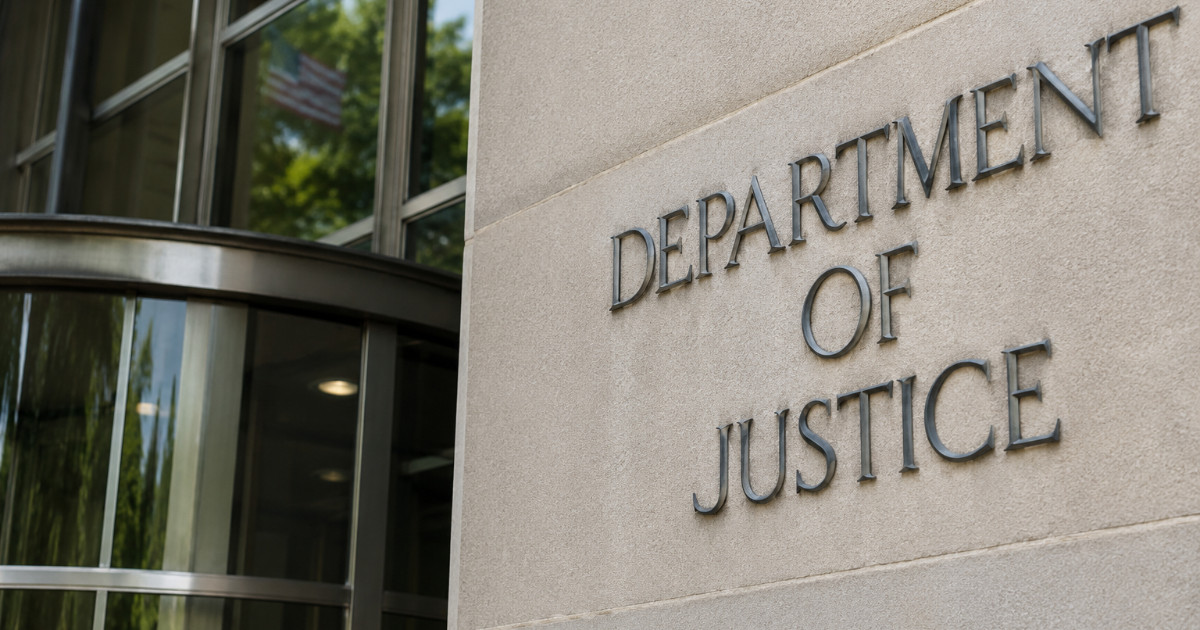
One notable example came from the United States, where the Justice Department withdrew subpoenas seeking to compel three New York Times reporters to reveal confidential sources after a federal judge sharply criticized prosecutors. The decision reinforced longstanding legal protections surrounding source confidentiality, a cornerstone of investigative journalism.
This contrast underscores an important reality: the courtroom can serve both as a mechanism for restricting journalism and as a forum for defending it.
Beyond traditional press freedom
The growing reliance on legal proceedings reflects a broader evolution in the pressures facing news organizations.
Rather than imposing highly visible censorship measures that often attract international condemnation, governments may increasingly pursue journalists through criminal investigations, cybercrime statutes, regulatory actions, or extended court cases. Such measures can impose significant personal, financial, and professional costs while remaining framed as routine law enforcement.
The broader pattern suggests that assessing press freedom today requires looking beyond newsroom closures and media bans. Increasingly, the health of independent journalism also depends on how legal systems are used, and whether courts remain capable of protecting the public's right to know.
The developments documented during the past week suggest that the most consequential battles over press freedom are no longer taking place only in newsrooms or on the streets. More often, they are unfolding inside courtrooms.
ATTRIBUTION: Analysis by JournalismPakistan
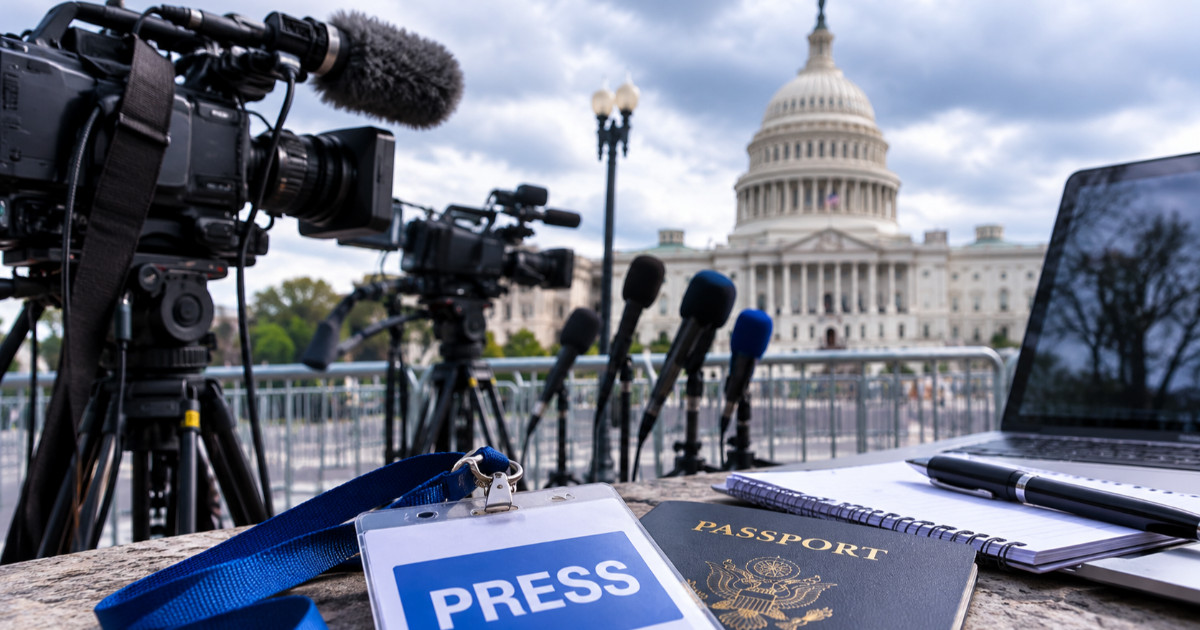
PHOTO: By sergeitokmakov from Pixabay
Key Points
- Authorities increasingly use criminal investigations, cybercrime and national security laws to target journalists.
- Recent cases across several countries involved arrests, charges, detention, bail hearings or prosecutions rather than media bans.
- Lengthy, costly legal proceedings can deter investigative reporting even without convictions.
- Officials frame actions as law enforcement or security measures to maintain a veneer of legality.
- The shift from overt censorship to courtroom pressure complicates legal and policy responses to protect press freedom.
Key Questions & Answers
What does the new playbook against journalists involve?
It involves using criminal probes, cybercrime and national security laws, prosecutions and prolonged court procedures to pressure and deter journalists instead of direct media bans.
Why are legal tactics effective at silencing reporters?
Legal tactics impose arrests, legal costs, repeated court appearances and uncertainty, which can intimidate reporters and outlets even if cases do not result in convictions.
Which laws are commonly used?
Authorities often invoke cybercrime statutes, criminal defamation, national security laws and other broad provisions to initiate investigations and prosecutions against journalists.
How can press freedom be defended against these tactics?
Defenses include legal support for journalists, strategic litigation, advocacy for law reform, international pressure and stronger protections for independent reporting.
Relevant Topics
Ask AI: Understand this story your way
AI EnabledDig deeper, ask anything — get instant context, background, and clarity.
Disclaimer: This feature is powered by AI and is intended to help readers explore and understand news stories more easily. While we strive for accuracy, AI-generated responses may occasionally be incomplete or reflect limitations in the underlying model. This feature does not represent the editorial views of JournalismPakistan. For our full, verified reporting, please refer to the original article.