.png)
Indian reporter assaulted amid 'lapdog media' backlash at protests
JournalismPakistan.com | Published: 26 July 2026 | JP Asia Desk
Join our WhatsApp channel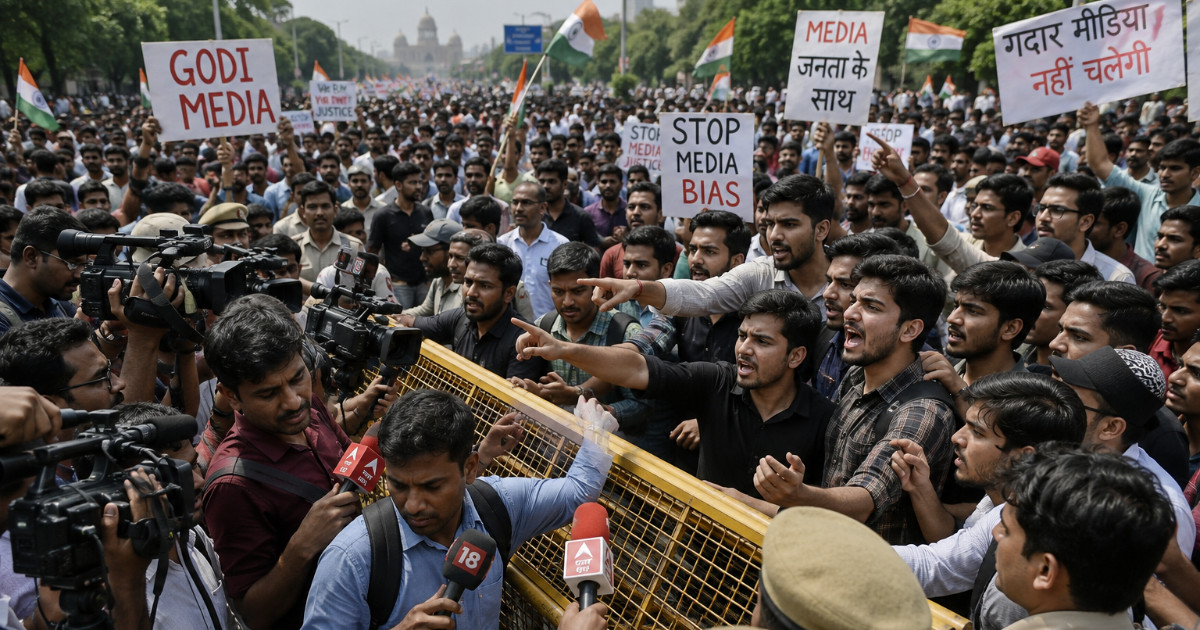
Times Now reporter Dev Kotak was surrounded and assaulted by protesters in New Delhi while covering student anti-government demonstrations; video circulated as chants of 'godi media' signaled anger at mainstream TV coverage and recent police crackdowns.Summary
NEW DELHI — A Times Now reporter was physically assaulted by dozens of protesters in New Delhi this week while covering youth-led anti-government demonstrations, in an attack that has intensified debate over public trust in India's mainstream television news media.
Dev Kotak, 36, was surrounded and beaten by demonstrators chanting "godi media", a Hindi term meaning "lapdog media", reflecting widespread anger over broadcasters perceived as favoring Prime Minister Narendra Modi's government. Mobile phone footage of the assault, which Kotak described as a near "mob lynching," circulated widely on social media.
"The mob might have actually killed me. There was a seething anger among them because they felt the media hadn't reported their side of the story," Kotak said, recounting slaps, kicks, punches and water bottles thrown at him. "I was very scared and feared for my life; I just wanted to get out alive."
Anger at media fuels attacks
Hostility toward television crews has escalated since a police crackdown on tens of thousands of protesters marching to parliament left many students injured. The protests were sparked by a police crackdown on students marching to parliament, with demonstrators accusing mainstream channels of ignoring dissent and failing to hold authorities accountable.
"People kept shouting that we hadn't shown their side of the story," Kotak said. "That's simply not true, I've reported injuries on both sides."
The Editors Guild of India condemned the attacks while acknowledging that biased reporting had damaged public trust. "Flawed and biased reporting not only makes a bad situation worse, but has more serious and longer-lasting consequences which impact the fabric of our society and also weaken the media's position as one of the key pillars of a functional democracy," the guild said in a statement.
Broader context of media trust decline
The assault reflects a deepening crisis of trust in Indian television news since Modi assumed power in 2014. India's ranking in the Reporters Without Borders World Press Freedom Index has plummeted from 122nd in 2010 to 157th out of 180 countries in 2026, with the watchdog citing violence against journalists, concentrated media ownership aligned with government, and growing political polarization as key factors.
The term "godi media", widely credited to prominent journalist and Ramon Magsaysay Award recipient Ravish Kumar, has become a rallying cry against broadcasters critics say fail to scrutinize the government while offering fawning coverage of Modi. "The godi-media is anti-democracy, anti-people, anti-opposition," Kumar said.
CJP denies inciting violence
Protest organizers denied inciting the attacks. Cockroach Janta Party spokesperson Ashutosh Ranka condemned violence against journalists while alleging "BJP goons" provoked the attacks to discredit the movement. "There is absolutely no space for violence, for vandalism, for heckling in this movement," Ranka said. "If you are a true CJP supporter, you have to be peaceful, you have to be respectful."
WHY THIS MATTERS: The incident highlights how declining public trust in mainstream media, driven by perceptions of political bias, can place journalists in physical danger and undermine the media's role as a democratic watchdog. For news organizations, it underscores the long-term reputational and safety risks of perceived partisanship, particularly in polarized political environments.
ATTRIBUTION:Reporting by JournalismPakistan, based on publicly available reports by Reuters (July 24, 2026), ThePrint (July 24, 2026), and statements from the Editors Guild of India (July 2026).
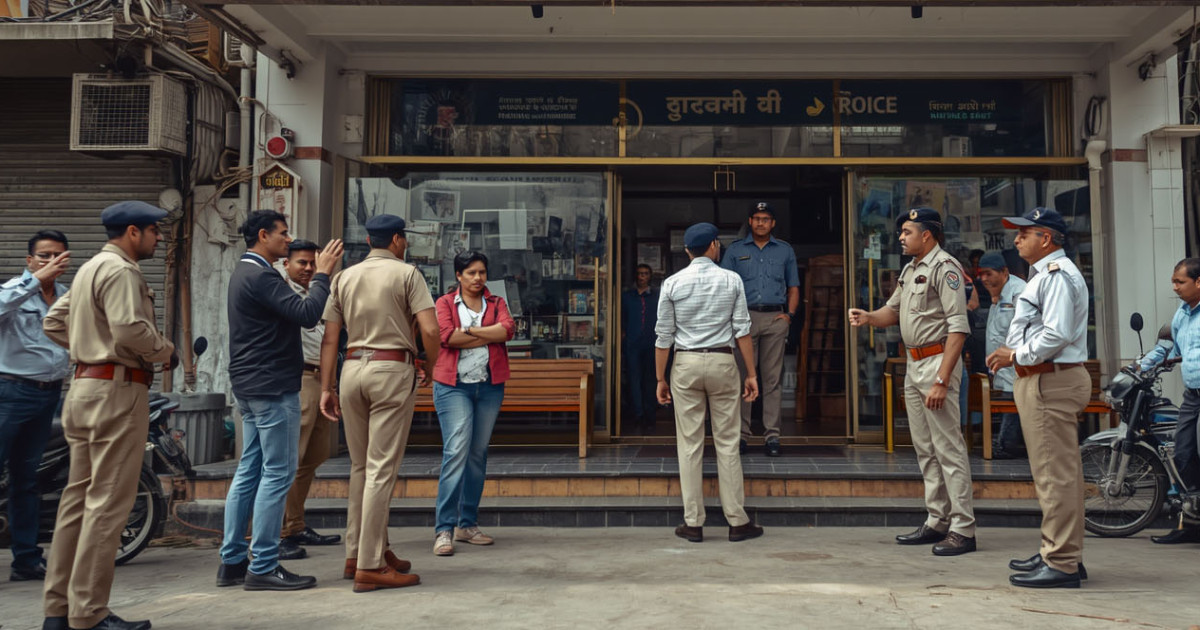
PHOTO: AI-generated; for illustrative purposes only
Key Points
- Dev Kotak, a Times Now reporter, was surrounded and beaten while reporting in New Delhi.
- Attackers chanted "godi media", a term accusing broadcasters of bias toward the government.
- Mobile phone footage of the assault circulated widely on social media.
- Hostility toward TV crews rose after a police crackdown on a student march to parliament.
- The Editors Guild of India condemned the attacks and raised concerns about press safety.
Key Questions & Answers
Who was attacked?
Times Now reporter Dev Kotak was surrounded and physically assaulted by dozens of protesters while covering demonstrations in New Delhi.
Why did the protesters attack the reporter?
Protesters voiced anger at mainstream TV outlets they accused of favoring the government, chanting "godi media" and saying their side was not being shown.
Is there footage of the assault?
Yes, mobile phone video of the attack circulated widely on social media and was cited in accounts of the incident.
How did press bodies respond?
The Editors Guild of India condemned the attacks and urged protection for journalists and accountability for assaults on media workers.
Ask AI: Understand this story your way
AI EnabledDig deeper, ask anything — get instant context, background, and clarity.
Disclaimer: This feature is powered by AI and is intended to help readers explore and understand news stories more easily. While we strive for accuracy, AI-generated responses may occasionally be incomplete or reflect limitations in the underlying model. This feature does not represent the editorial views of JournalismPakistan. For our full, verified reporting, please refer to the original article.