
Reuters editor warns AI threatens journalism's future
JournalismPakistan.com | Published: 25 July 2026 | JP Global Monitoring
Join our WhatsApp channel
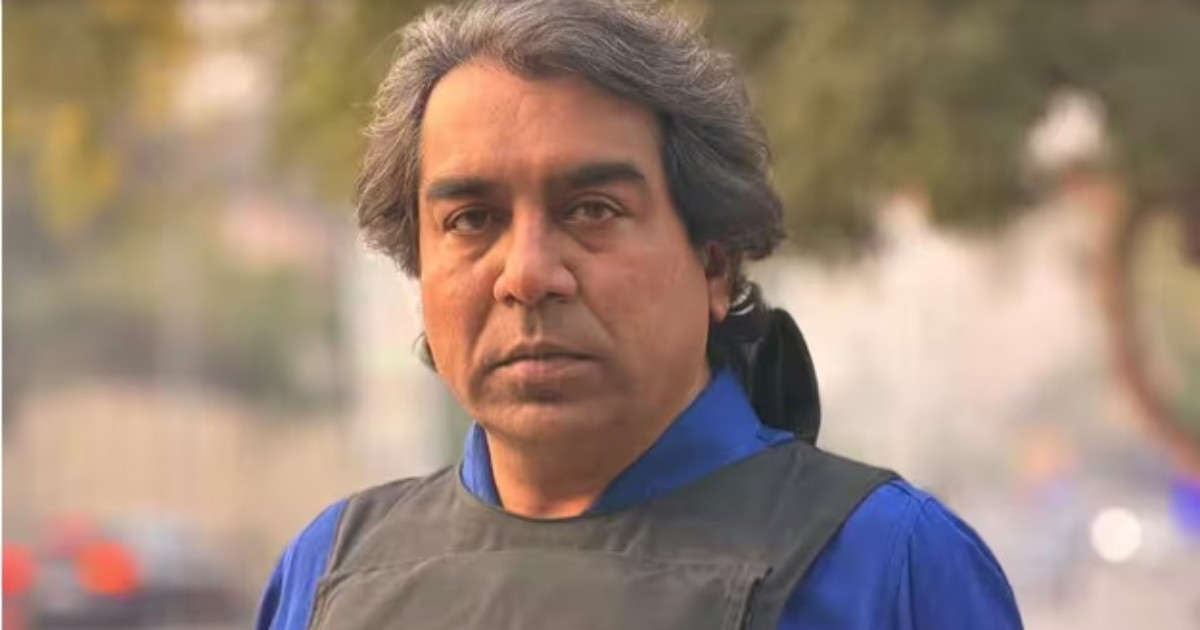
Reuters Editor-in-Chief Alessandra Galloni warned at the Andrew Olle Media Lecture that AI companies are using journalistic content without proper attribution or payment, threatening independent news organisations. She urged fair licensing and human oversight.Summary
SYDNEY — Reuters Editor-in-Chief Alessandra Galloni has warned that artificial intelligence companies are using journalistic content without providing adequate attribution or compensation, arguing that the practice threatens the long-term sustainability of independent news organizations.
Speaking at the prestigious Andrew Olle Media Lecture in Sydney, Galloni said publishers must secure fair licensing agreements with AI developers while continuing to adopt artificial intelligence responsibly under human editorial oversight. She described the issue as one of the defining challenges facing the global news industry as AI rapidly reshapes how information is created, distributed, and consumed.
AI's growing impact on newsrooms
Galloni said journalism organizations should not reject AI outright but instead embrace technologies that strengthen reporting, improve newsroom efficiency, and serve audiences without compromising editorial standards. She stressed that human journalists must remain responsible for editorial judgment, accuracy, verification, and accountability.
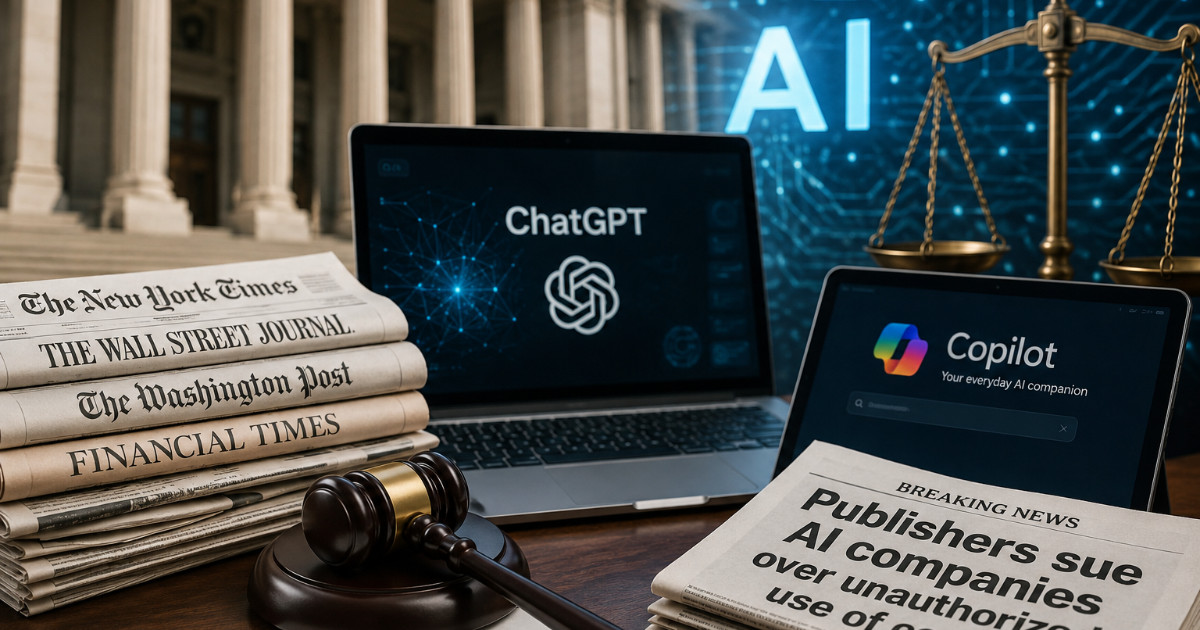
Her remarks come as news organizations around the world continue negotiating licensing agreements with AI companies while pursuing legal and commercial strategies to protect copyrighted journalism. The debate has intensified as publishers seek sustainable business models amid declining traditional revenues and the rapid expansion of generative AI tools trained on vast amounts of published content.
Journalism leaders increasingly argue that professionally produced reporting represents significant intellectual and financial investment that should not be freely exploited to build commercial AI products. At the same time, many media companies are exploring ways to integrate AI into newsroom workflows for research, translation, transcription, and content discovery while maintaining editorial safeguards.
Sustainability remains a central concern
Galloni said the future of quality journalism depends on ensuring that independent news organizations receive fair value for their reporting. Without sustainable revenue models, she suggested, the industry's ability to fund original reporting and public-interest journalism could be undermined.
The Reuters editor's comments reflect a broader international conversation involving publishers, technology companies, regulators, and policymakers over copyright, licensing, transparency, and responsible AI deployment. As governments consider new regulatory frameworks and media organizations negotiate commercial partnerships, the balance between technological innovation and the protection of original journalism remains a central issue for the global news industry.
WHY THIS MATTERS: Galloni's speech highlights one of the most consequential business issues confronting journalism today: whether publishers can secure sustainable compensation for the reporting that powers AI systems. For media organizations, the debate extends beyond copyright to the long-term economics of independent journalism, newsroom investment, and editorial integrity in the AI era.
ATTRIBUTION: Reporting by JournalismPakistan, based on publicly available remarks by Reuters Editor-in-Chief Alessandra Galloni at the Andrew Olle Media Lecture (July 23, 2026) and Reuters Media Centre.
PHOTO: AI-generated; for illustrative purposes only.
Key Points
- Alessandra Galloni warns AI firms use journalistic content without adequate attribution or payment.
- She urged publishers to secure fair licensing agreements with AI developers.
- Galloni called for responsible AI adoption under human editorial oversight for accuracy and accountability.
- Publishers are pursuing legal and commercial strategies to protect copyrighted journalism.
- The debate intensifies as generative AI reshapes how news is created, distributed and monetised.
Key Questions & Answers
What did Alessandra Galloni warn about?
She warned that AI companies are using journalistic content without adequate attribution or payment, which threatens the sustainability of news organisations.
What solutions did she propose?
Galloni urged fair licensing agreements with AI developers and continued human editorial oversight to ensure accuracy and accountability.
Are news organisations taking action?
Yes. Publishers are negotiating licensing deals and pursuing legal and commercial strategies to protect copyrighted journalism.
Should newsrooms reject AI entirely?
No. Galloni said news organisations should adopt AI responsibly to strengthen reporting while keeping human journalists responsible for editorial judgment.
Ask AI: Understand this story your way
AI EnabledDig deeper, ask anything — get instant context, background, and clarity.
Disclaimer: This feature is powered by AI and is intended to help readers explore and understand news stories more easily. While we strive for accuracy, AI-generated responses may occasionally be incomplete or reflect limitations in the underlying model. This feature does not represent the editorial views of JournalismPakistan. For our full, verified reporting, please refer to the original article.