
The week in journalism: Blackouts, attacks, and judicial pushback
JournalismPakistan.com | Published: 6 April 2026 | JP Staff Report
Join our WhatsApp channel
During the week ending April 5, 2026, journalists faced escalating risks including Iran's month-long internet blackout, a missile strike on Al-Araby TV's Tehran bureau, and the abduction of a freelance reporter in Baghdad; courts offered limited protections.Summary
ISLAMABAD — A convergence of war, legal pressure, and institutional challenges defined press freedom developments in the week ending April 5, 2026, with journalists facing escalating risks, from nationwide internet shutdowns and targeted strikes to criminal prosecutions and abductions, while courts in some cases offered limited safeguards.
War and information control tighten grip on journalism
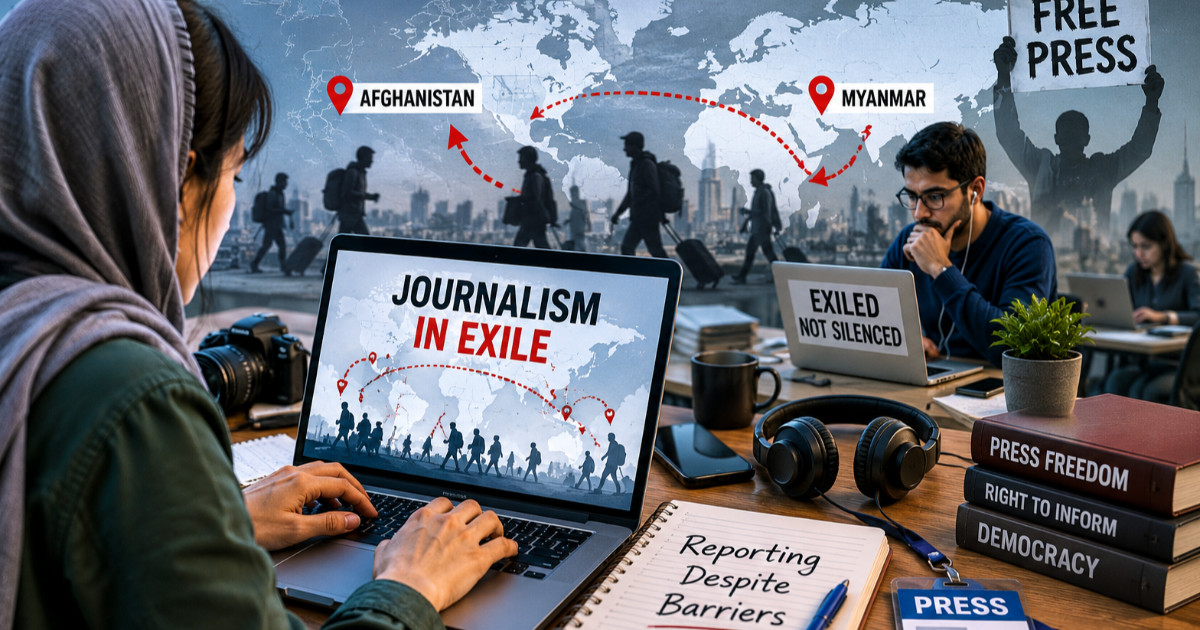
Iran’s nationwide internet blackout entered its 30th consecutive day, marking one of the most prolonged disruptions in recent years and severely restricting the flow of independent information. Journalists across the country have been forced to rely on VPNs, encrypted messaging, and diaspora networks to report, underscoring how digital shutdowns are increasingly being used as tools of information control during conflict.
The risks extended beyond digital space into physical infrastructure, as a missile strike attributed to Israeli military operations hit a building housing Al-Araby TV’s Tehran bureau. The attack caused extensive damage, injured several individuals, and forced the suspension of live broadcasts, illustrating how media organizations are being directly affected in conflict zones and, at times, caught in the crossfire.
Journalists face rising physical danger in conflict zones
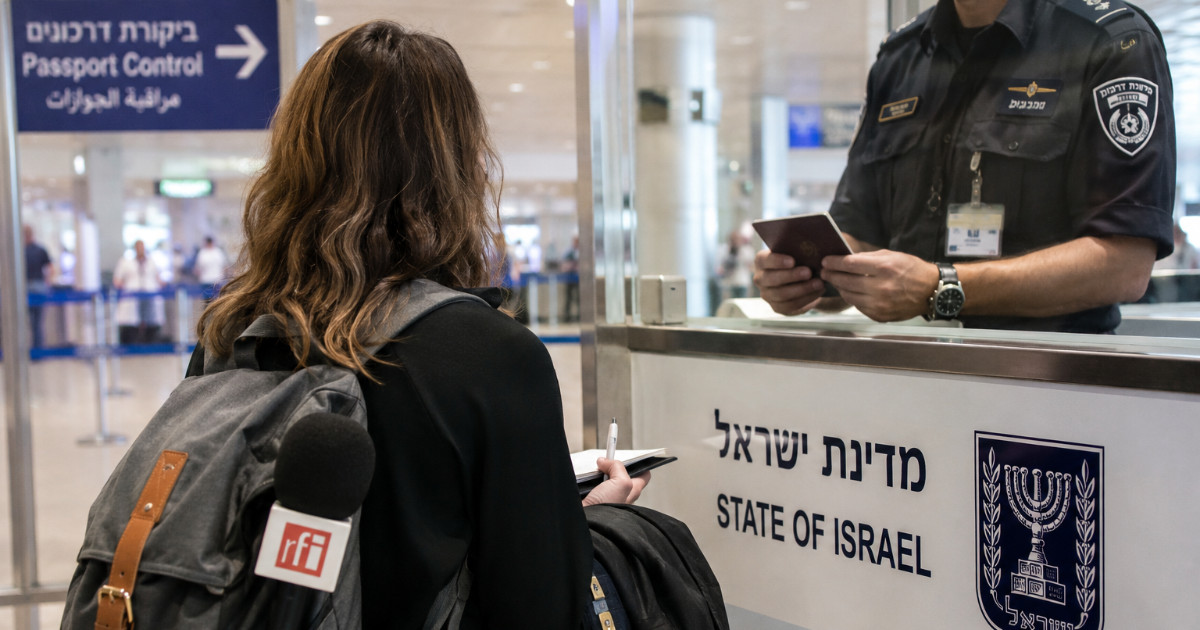
In Iraq, the abduction of American freelance journalist Shelly Kittleson in Baghdad highlighted the persistent dangers facing reporters working in volatile environments. The incident triggered a major security operation but also reinforced concerns about the vulnerability of freelance journalists, who often operate without the institutional protections afforded to staff reporters.
The law used to silence dissenting voices
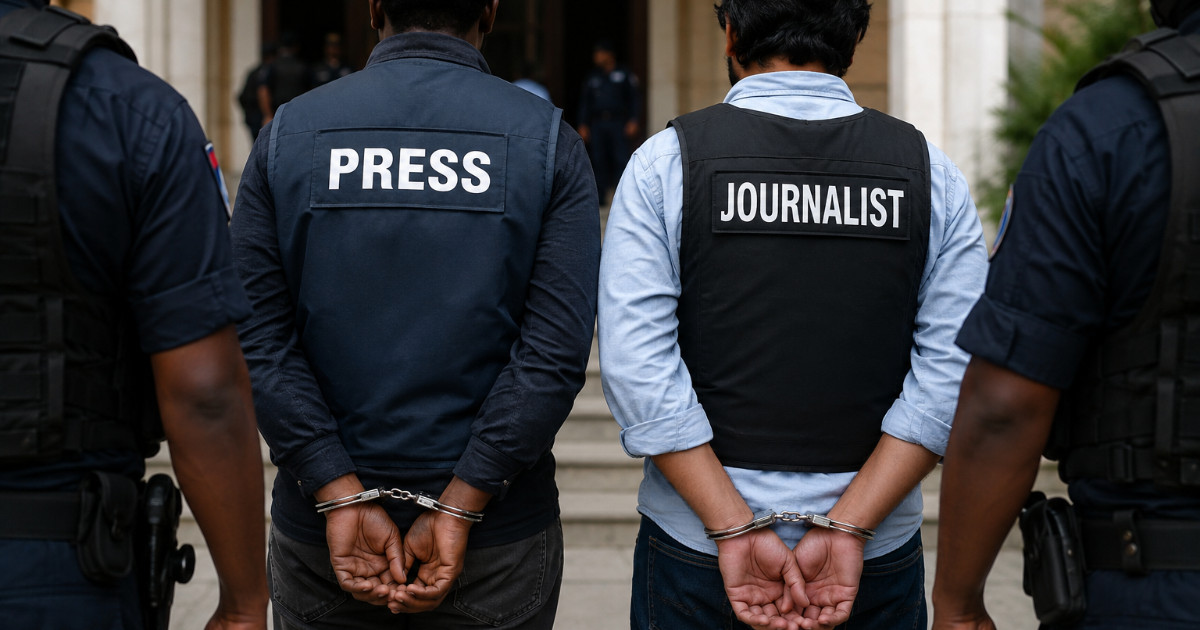
In Tunisia, a court sentenced news website editor Ghassen Ben Khelifa to two years in prison on charges of publishing “false news,” a move widely condemned by journalists’ groups as part of a broader crackdown on independent media. The case reflects a growing pattern in which legal frameworks are being used to penalize critical reporting and deter dissent.
Courts emerge as both risk and safeguard
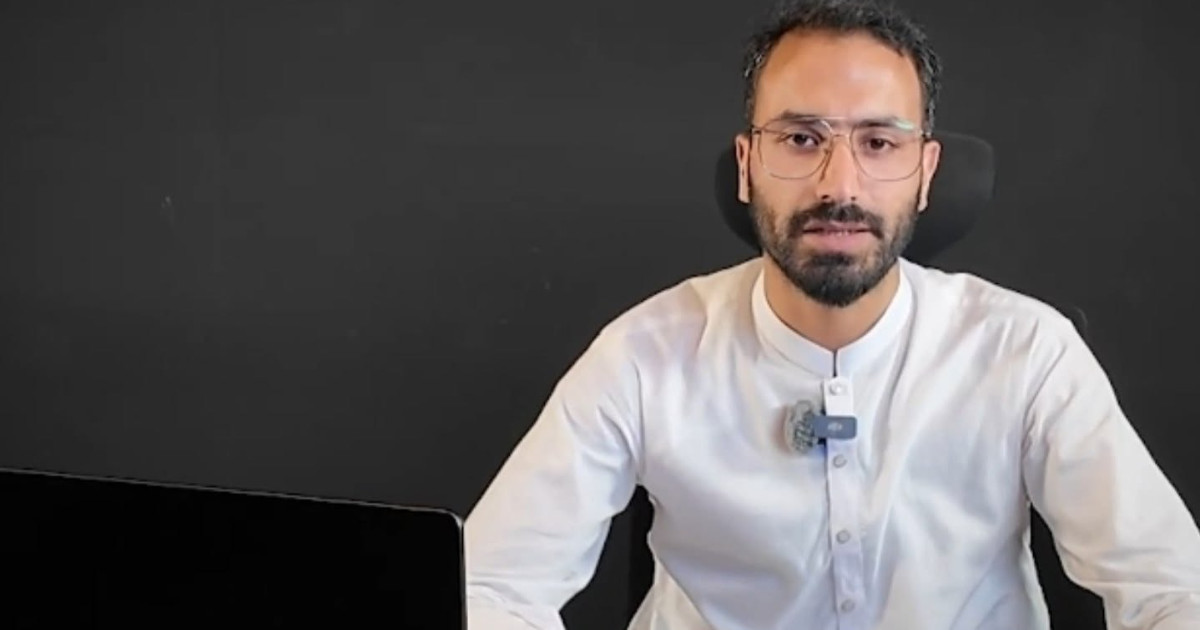
In Pakistan, the Supreme Court intervened in the case of senior journalist Matiullah Jan, restraining an anti-terrorism court from framing charges against him and directing the Islamabad High Court to examine the matter on priority. While the case underscores concerns over the use of terrorism laws against journalists, the court’s intervention also points to the judiciary’s potential role as a check on overreach.
The week’s developments highlight an increasingly complex global press freedom landscape, where journalists face simultaneous threats from conflict, state regulation, and legal action, even as institutional safeguards remain uneven and contested.
For a full overview of global press freedom developments, read JournalismPakistan’s weekly Press Freedom Tracker.
ATTRIBUTION: This report is by JournalismPakistan, with information drawn from official statements, news outlets, and public records.
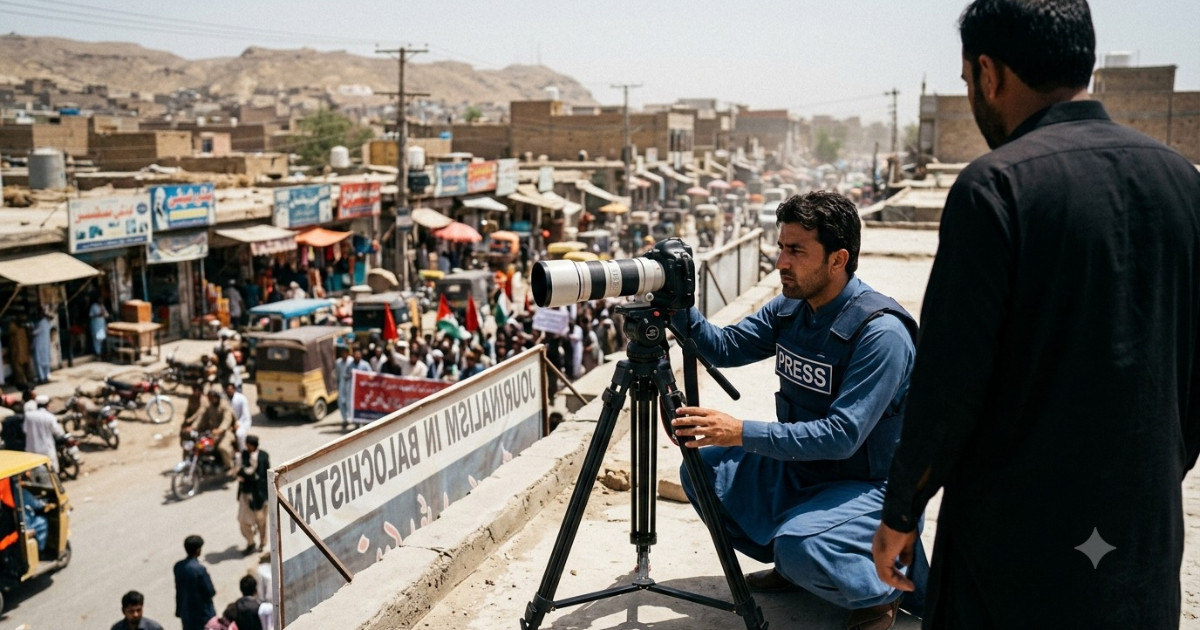
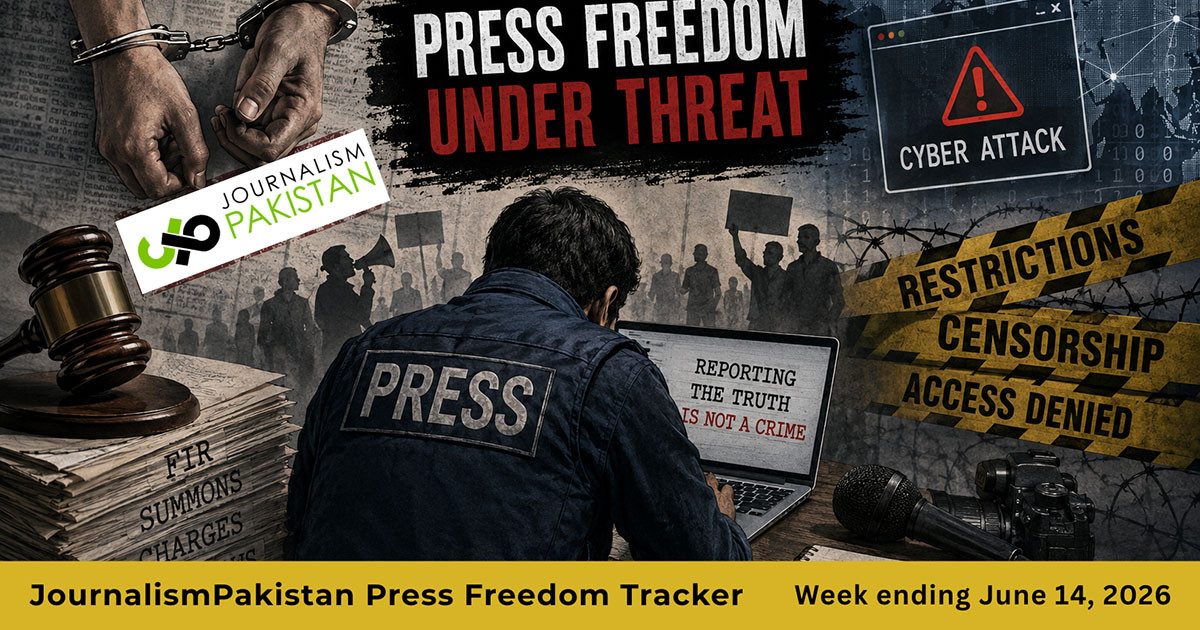
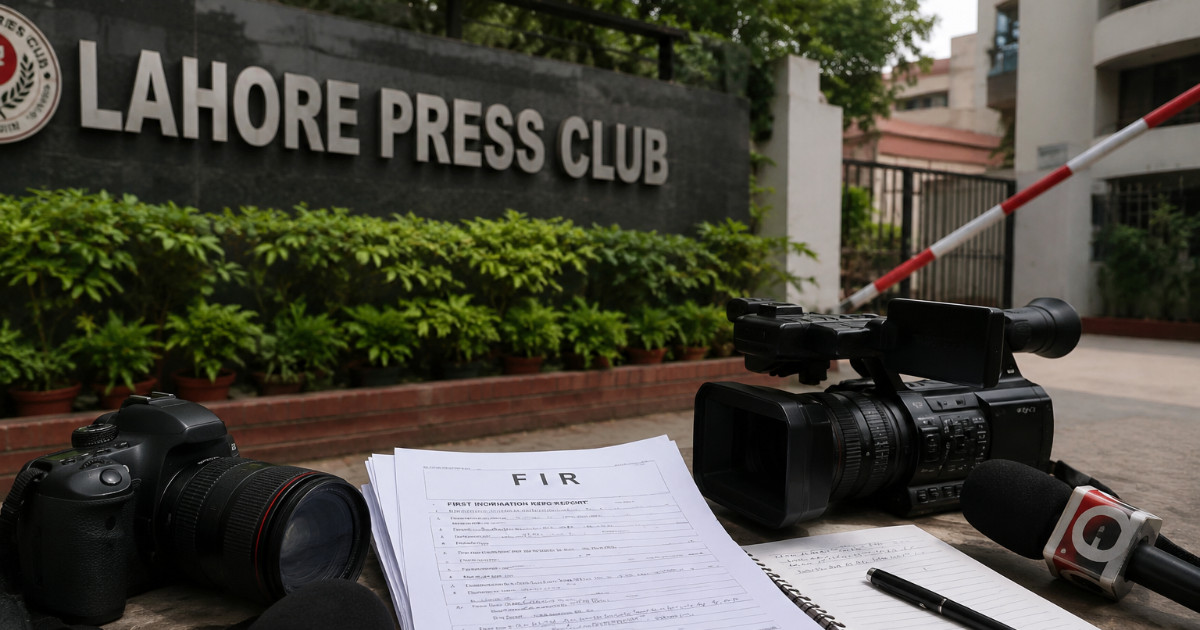
PHOTO: AI-generated; for illustrative purposes
Key Points
- Iran's internet blackout hindered independent reporting and prompted reliance on VPNs and diaspora networks.
- A missile strike attributed to Israeli operations damaged Al-Araby TV's Tehran bureau, injuring staff and halting live broadcasts.
- American freelance journalist Shelly Kittleson was abducted in Baghdad, triggering a security operation and underscoring risks for freelancers.
- Journalists faced criminal prosecutions and abductions, reflecting growing legal and physical threats in conflict and domestic contexts.
- Court interventions in some cases provided limited legal safeguards but did not reverse broader restrictions on reporting.
Key Questions & Answers
What caused the Iran internet blackout?
Authorities imposed widespread restrictions amid ongoing conflict; the shutdown entered its 30th day and severely limited independent reporting and information flows.
Which media outlet was hit by the missile strike?
A missile strike attributed to Israeli operations struck the building housing Al-Araby TV's Tehran bureau, causing damage, injuries, and suspension of live broadcasts.
What is known about the abduction in Baghdad?
American freelance journalist Shelly Kittleson was abducted in Baghdad; the incident prompted a major security operation and highlighted dangers for reporters in volatile areas.
Did courts provide protections for journalists?
Courts in some cases offered limited safeguards and legal relief, but these interventions did not fully stem prosecutions or information restrictions.
Ask AI: Understand this story your way
AI EnabledDig deeper, ask anything — get instant context, background, and clarity.
Disclaimer: This feature is powered by AI and is intended to help readers explore and understand news stories more easily. While we strive for accuracy, AI-generated responses may occasionally be incomplete or reflect limitations in the underlying model. This feature does not represent the editorial views of JournalismPakistan. For our full, verified reporting, please refer to the original article.