
Global Fact-Checking Awards finalists spotlight AI misinformation fight
JournalismPakistan.com | Published: 12 June 2026 | JP Global Monitoring
Join our WhatsApp channel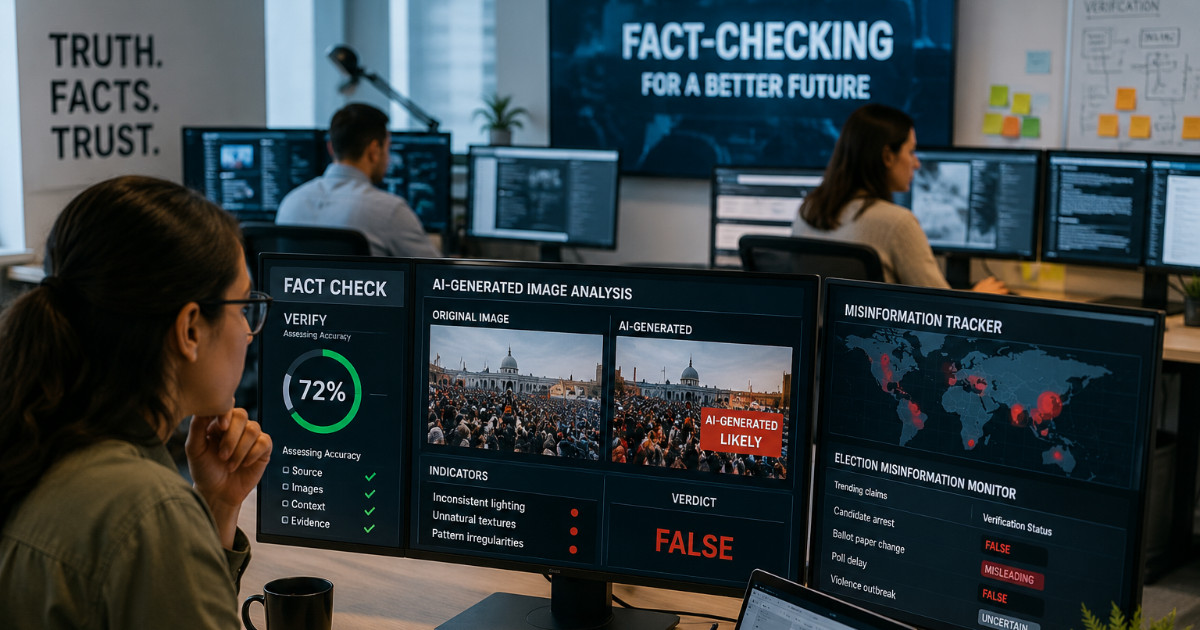
Organizers of the 2026 Global Fact‑Checking Awards shortlisted projects addressing AI‑generated content, election misinformation, and transparent verification practices. The finalists show newsrooms integrating verification tools, digital forensics and audience education to curb online deception.Summary
LONDON — The announcement of finalists for the 2026 Global Fact-Checking Awards has underscored the growing role of verification, misinformation monitoring, and digital accountability in modern journalism, as news organizations confront increasingly sophisticated forms of online deception.
The awards, organized by the global fact-checking community, recognize initiatives that have demonstrated innovation and impact in addressing false information, misleading narratives, and emerging challenges posed by artificial intelligence. This year's shortlist includes projects focused on identifying AI-generated content, countering election-related misinformation, and strengthening public trust through transparent verification practices.
Fact-checking expands beyond specialist teams
The finalists reflect a broader shift within the media industry, where fact-checking is increasingly being integrated into everyday newsroom operations rather than remaining the responsibility of specialized units. News organizations around the world are investing in verification workflows, digital forensics tools, and audience education efforts to respond to rapidly evolving information threats.
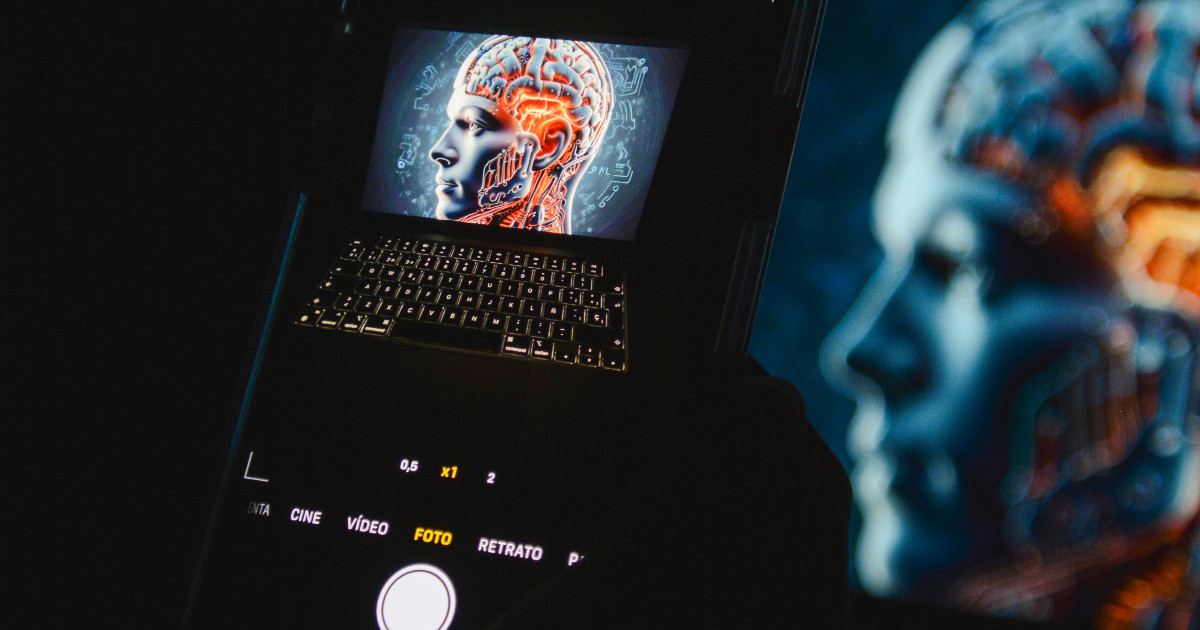
The growing prominence of AI-generated text, images, audio, and video has heightened concerns about the speed and scale at which false information can spread online. Media organizations have responded by expanding verification capabilities and developing new techniques to identify manipulated or synthetic content before it reaches large audiences.
Focus on elections and digital integrity
Several nominated projects concentrated on election-related misinformation, reflecting continuing concerns about the impact of false or misleading content on democratic processes. Fact-checkers and newsrooms have increasingly collaborated across borders to monitor viral claims, verify political messaging, and provide audiences with accurate information during election periods.
The recognition also highlights the particular importance of verification efforts across Asia, where rapidly growing digital audiences, widespread social media use, and multilingual information environments create both opportunities and challenges for journalists. Newsrooms across the region have expanded fact-checking operations as misinformation campaigns become more sophisticated and technologically advanced.
Recognition of a core newsroom function
Industry observers say the awards demonstrate how verification has become a central pillar of journalism. What was once viewed as a niche specialty is now widely regarded as an essential newsroom function, supporting credibility, audience trust, and responsible reporting in a highly fragmented information landscape.
As AI tools become more accessible and online information ecosystems grow increasingly complex, media organizations are expected to continue strengthening verification systems and investing in newsroom expertise aimed at identifying and countering false content.
WHY THIS MATTERS: The recognition of fact-checking initiatives signals a wider industry shift toward embedding verification into everyday journalism. For newsrooms, the trend highlights the need to invest in digital verification skills, AI literacy, and misinformation monitoring as audience trust becomes an increasingly important competitive advantage.
ATTRIBUTION: Reporting by JournalismPakistan, based on publicly available information regarding the 2026 Global Fact-Checking Awards finalists and related announcements released in June 2026.
PHOTO: AI-generated; for illustrative purposes only.
Key Points
- The 2026 finalists focus on identifying AI‑generated text, images, audio and video.
- Projects target election misinformation and other high‑risk narratives online.
- Fact‑checking is spreading beyond specialist teams into everyday newsroom workflows.
- Newsrooms are adopting verification tools, digital forensics and audience education efforts.
- Shortlisted initiatives emphasize transparency and building public trust in reporting.
Key Questions & Answers
What are the Global Fact‑Checking Awards?
The awards recognize innovative projects and organizations that have shown impact in countering false information and improving verification practices worldwide.
Why is AI-generated content a major concern?
AI can produce realistic text, images and audio at scale, increasing the speed and reach of misleading or fabricated content that can deceive audiences.
How are newsrooms responding to these threats?
Many newsrooms are strengthening verification workflows, using digital forensics tools, training staff, and educating audiences to detect and resist misinformation.
What kinds of projects made the shortlist?
Finalists include initiatives that detect synthetic media, counter election disinformation, improve transparency in verification, and monitor misinformation trends.
Relevant Topics
Ask AI: Understand this story your way
AI EnabledDig deeper, ask anything — get instant context, background, and clarity.
Disclaimer: This feature is powered by AI and is intended to help readers explore and understand news stories more easily. While we strive for accuracy, AI-generated responses may occasionally be incomplete or reflect limitations in the underlying model. This feature does not represent the editorial views of JournalismPakistan. For our full, verified reporting, please refer to the original article.