
When reporting fails: ten Pakistan newsroom blunders
JournalismPakistan.com | Published: 6 March 2026 | JP Special Report
Join our WhatsApp channel
JournalismPakistan lists ten Pakistani newsroom errors, from typos and misidentifications to premature reports and the accidental publication of an internal AI prompt. The incidents led to corrections, apologies and internal reviews, underscoring editorial risks.Summary
ISLAMABAD — News organizations are expected to maintain the highest standards of verification, editing, and judgment. Yet even experienced newsrooms occasionally make decisions or mistakes that publicly backfire, sometimes because of weak fact-checking, rushed editing, or simple human error.
Pakistan’s media industry has seen several such incidents over the years, ranging from typographical blunders and mistaken identities to premature reporting and on-air gaffes. Many of these cases quickly went viral on social media, forcing corrections, apologies, or internal reviews within news organizations.
Below are ten newsroom decisions or mistakes reported by JournalismPakistan over the years that sparked criticism, embarrassment, or debate about editorial standards in Pakistan’s media landscape.
Dawn’s AI prompt blunder sparks newsroom debate
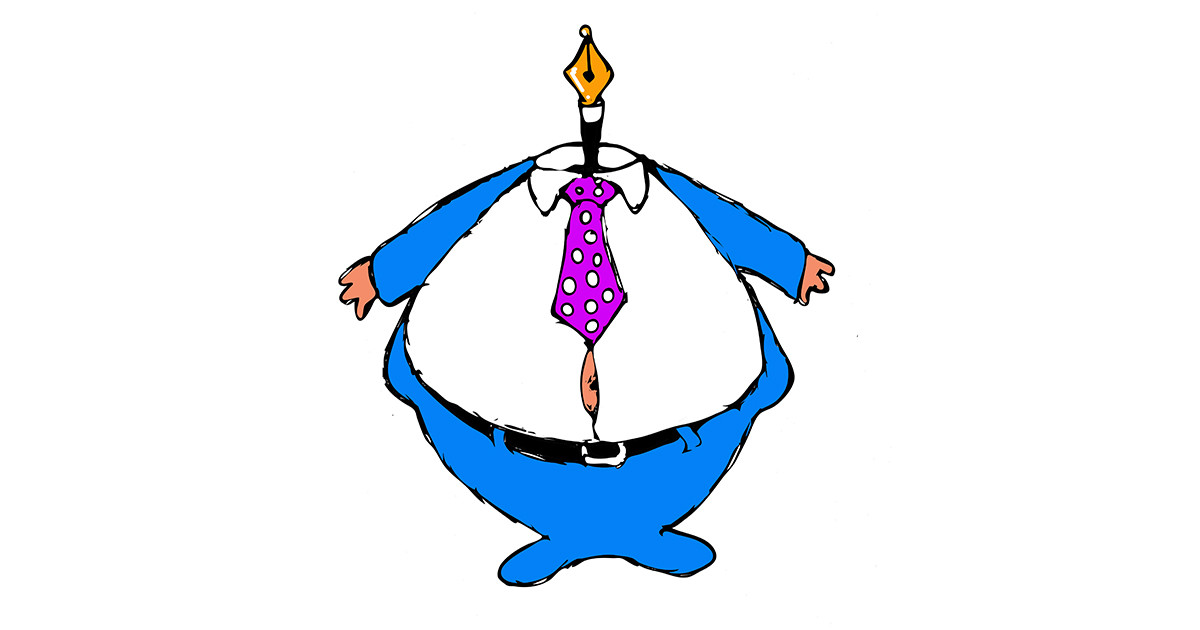
One of the most widely discussed recent mistakes occurred in November 2025 when the English-language daily Dawn accidentally published an internal AI editing prompt in a business story about auto sales. The prompt, intended only for newsroom use, appeared at the end of the article in both print and digital formats. The error spread rapidly across social media platforms, triggering commentary about newsroom workflows and the growing use of artificial intelligence tools in journalism. Dawn later issued an apology and said it had launched an internal review into how the prompt was mistakenly published. The incident highlighted emerging editorial risks as newsrooms adopt AI-assisted processes.
Geo News apologizes for Trump visit claim
In July 2025, Geo News broadcast that former United States President Donald Trump was expected to visit Islamabad in September. The claim generated immediate attention but was later contradicted after officials clarified that Trump would be in the United Kingdom during that period. The television network subsequently issued a public apology for airing the unverified report. The episode raised questions about verification procedures in high-pressure broadcast environments where breaking news often moves faster than confirmation.
Dawn mixes up PTI and TTP in front-page story
In February 2014, Dawn issued a correction and apology after a front-page story mistakenly referred to Pakistan Tehreek-i-Insaf (PTI) as an “outlawed” organization instead of the banned Tehreek-i-Taliban Pakistan (TTP). The introductory paragraph of the article incorrectly described PTI as an outlawed group while discussing government peace talks with militants. The newspaper acknowledged the editing mistake and said an investigation into the lapse had been initiated.
Daily Dunya editor removed after photo error
In December 2015, Urdu daily Dunya dismissed its Islamabad Resident Editor, Arshad Rahim Lone, following the publication of a misleading photograph on the paper’s front page. The image depicted a large Palestinian rally but was presented as if it were a political gathering organized by Pakistan Tehreek-i-Insaf and Jamaat-e-Islami in Karachi. The incident drew criticism from media observers who questioned editorial oversight and verification of visual content.
Channel 5 and Daily Dunya misidentify a journalist
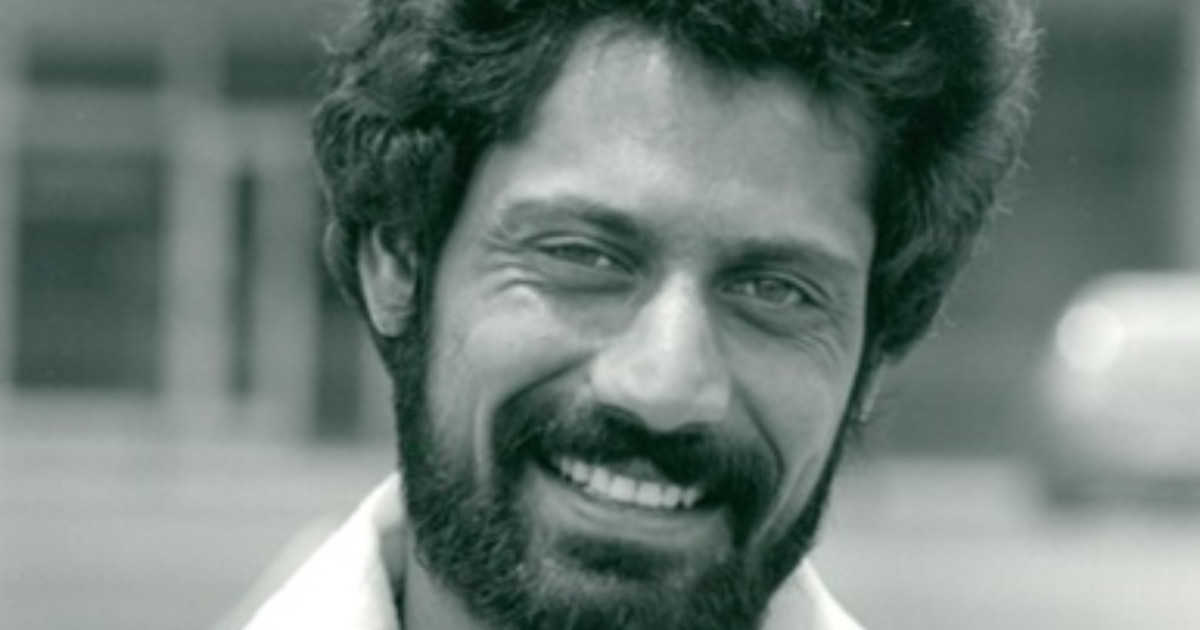
In another embarrassing incident, Channel 5 Television aired images of investigative journalist Asad Kharal while reporting on the arrest of a different individual with a similar name in Sindh. Urdu daily Dunya also published Kharal’s photograph alongside the report. The mistake triggered anger from the journalist, who publicly criticized the media outlets for failing to verify the identity of the person involved before broadcasting or publishing the images.
Neo News presenter’s on-air wording blunder
A Neo News television presenter drew widespread attention after mistakenly using the word “ejaculation” instead of “ejection” while discussing the crash of a Pakistan Air Force F-16 aircraft near Islamabad. The remark occurred during a live program in which retired Air Marshal Shahid Latif was a guest. A video clip of the segment quickly circulated online, turning the mistake into a widely discussed example of the pressures and risks of live broadcasting.
ARY News reverses Imran Khan's verdict report
In January 2025, ARY News broadcast contradictory information about a court verdict involving former Prime Minister Imran Khan in the £190 million reference case. The channel initially reported that Khan had been acquitted, prompting celebrations among supporters. Moments later, the network corrected the report, announcing that the court had instead handed down a 14-year sentence. The dramatic reversal drew sharp criticism and highlighted the dangers of rushing legal reporting before official confirmation.
Daily Times typo sparks viral ridicule
The Daily Times issued a formal apology after a front-page headline mistakenly read: “SC grants Daniyal 10 gays in contempt case.” The headline was intended to say “10 days,” referring to the Supreme Court granting Federal Minister for Privatization Daniyal Aziz ten days in a contempt case. The typographical error spread rapidly online, prompting humor and criticism before the newspaper printed a corrigendum acknowledging the mistake.
The News on Sunday obituary photo mix-up
The News on Sunday faced embarrassment when it mistakenly published the photograph of journalist Mariana Baabar Pashteen alongside an obituary for Zuhra Karim, the founder of She magazine. Karim, a pioneering editor who launched the magazine in 1963, had died in Singapore. The incorrect image appeared prominently in the obituary feature, overshadowing the tribute and prompting criticism of newsroom editing standards.
PTV’s 'Beijing' becomes 'Begging' on live broadcast
State-run Pakistan Television drew ridicule after a live broadcast graphic mistakenly displayed “Begging” instead of “Beijing” during Prime Minister Imran Khan’s address from China. The typographical error remained on screen briefly but was widely captured and circulated online. PTV later acknowledged the mistake, calling it a typographical error and announcing that disciplinary action had been initiated against the officials responsible.
WHY THIS MATTERS: For Pakistani journalists and media professionals, these cases illustrate how even small editorial mistakes can rapidly escalate into public controversies in the digital era. They underscore the importance of rigorous verification, careful editing, and strong newsroom oversight, particularly when reporting live broadcasts, legal developments, or politically sensitive issues.
ATTRIBUTION: Reporting by JournalismPakistan (February 2014; December 2015; July 2018; February 2018; November 2025; January 2025, and other archived reports).
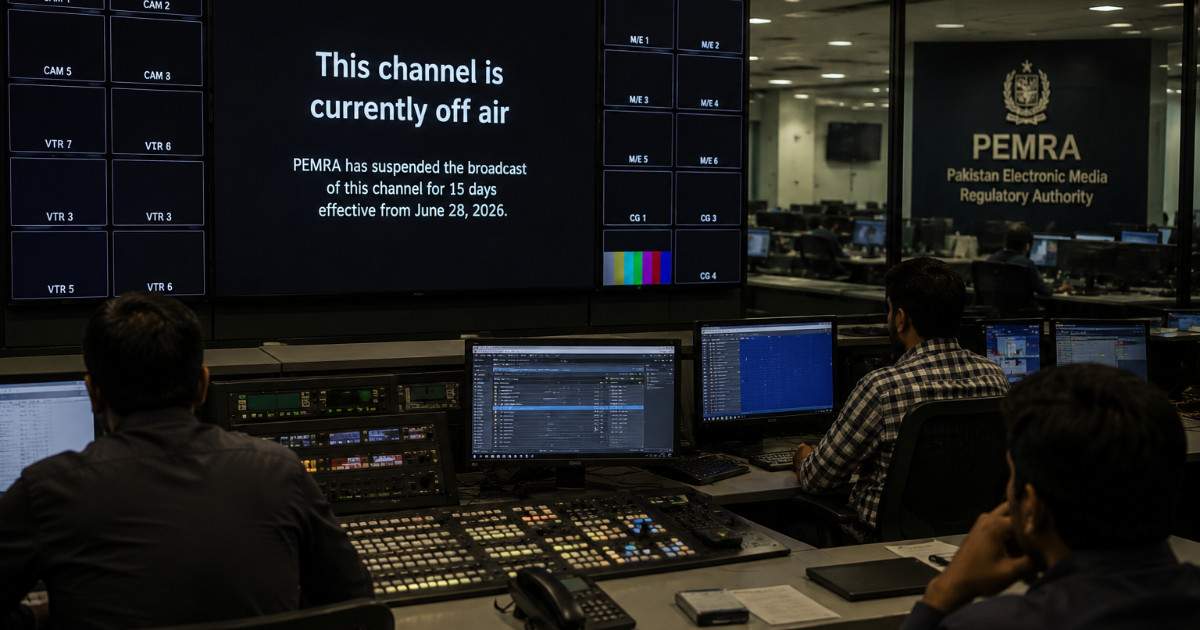
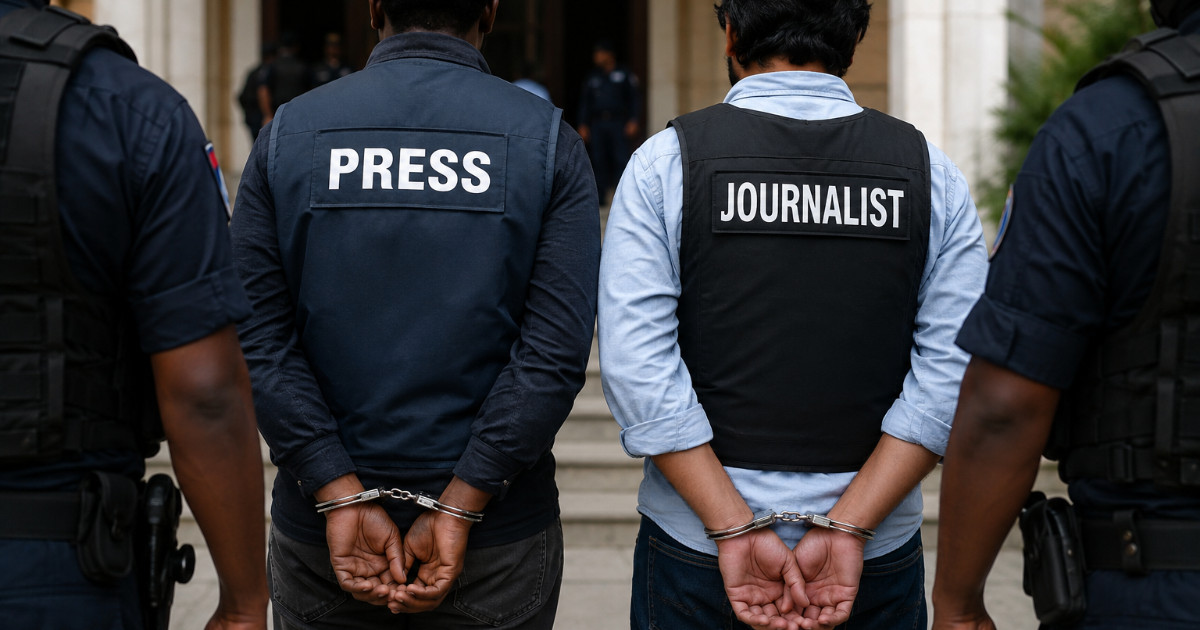
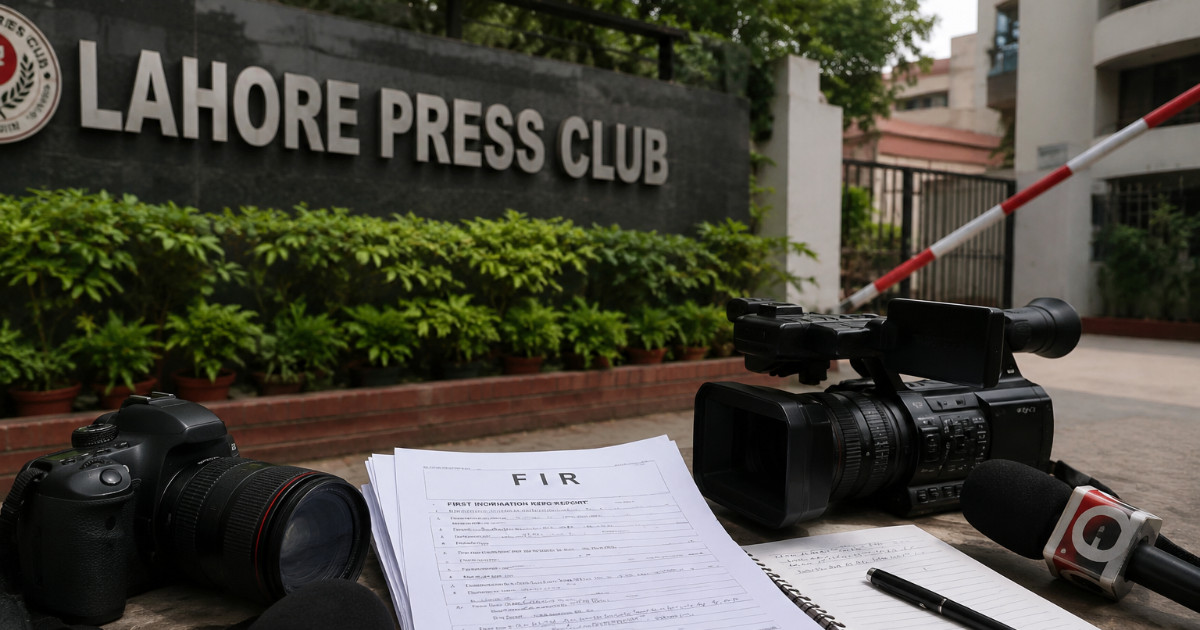
PHOTO: AI-generated; for illustrative purposes only.
Key Points
- Incidents range from typographical errors and mistaken identities to premature reporting and on-air gaffes.
- Weak fact-checking and rushed editing were common contributing factors noted across cases.
- A high-profile error involved Dawn accidentally publishing an internal AI editing prompt in a business story.
- Several mistakes went viral on social media, prompting public criticism and reputational impacts.
- News organisations issued corrections, apologies and in some cases launched internal reviews of workflows.
Key Questions & Answers
What types of newsroom mistakes are covered?
The report covers typographical errors, mistaken identities, premature reporting, on-air gaffes, and workflow lapses, including AI-related slip-ups.
What happened in Dawn's AI prompt incident?
Dawn inadvertently published an internal AI editing prompt appended to a business story; the paper apologized and said it launched an internal review.
How did news organizations typically respond?
Responses included public corrections, apologies, and internal investigations or reviews of editorial processes.
What broader issues do these cases raise?
The cases highlight risks to editorial standards from weak verification, hurried workflows and emerging AI-assisted processes.
Ask AI: Understand this story your way
AI EnabledDig deeper, ask anything — get instant context, background, and clarity.
Disclaimer: This feature is powered by AI and is intended to help readers explore and understand news stories more easily. While we strive for accuracy, AI-generated responses may occasionally be incomplete or reflect limitations in the underlying model. This feature does not represent the editorial views of JournalismPakistan. For our full, verified reporting, please refer to the original article.