
'No arrests, no accountability': Arshad Sharif widow reacts to Kenya court ruling
JournalismPakistan.com | Published: 3 July 2026 | JP Staff Report
Join our WhatsApp channel
Javeria Siddique said Friday that nearly four years after Arshad Sharif's killing, Kenya's Supreme Court found the shooting unlawful but declined prosecutions or an apology. She decried the lack of arrests and said justice remains out of reach.Summary
ISLAMABAD — Javeria Siddique, the widow of slain Pakistani journalist Arshad Sharif, said Friday that justice remains out of reach nearly four years after her husband's killing, despite a ruling by Kenya's Supreme Court declaring the shooting an unlawful violation of his right to life.
In a post on X, Siddique said the court confirmed that Sharif's killing by Kenyan police was unlawful but declined to order the prosecution of those responsible, issue an official apology, or classify the killing as torture.
"The Supreme Court of Kenya has confirmed that the killing of Pakistani journalist Arshad Sharif by Kenyan police was an unlawful violation of the right to life. But it declined to order prosecution, apology or to call the killing torture," Siddique wrote.
The Supreme Court of Kenya has confirmed that the killing of Pakistani journalist Arshad Sharif by Kenyan police was an unlawful violation of the right to life. But it declined to order prosecution, apology or to call the killing torture.
No arrests. No accountability. I’ve seen… pic.twitter.com/EH2tbTILxs
— Javeria Siddique (@javerias) July 3, 2026
Highlighting her frustration over the lack of accountability, she added, "No arrests. No accountability. I've seen this in Pakistan now in Kenya as well. Four years later, we have a court declaration, but still no justice. Now again matter landed back to court of appeal."
Her remarks underscore the family's continuing struggle to secure accountability through legal proceedings in both Kenya and Pakistan, where the case has drawn sustained public attention since Sharif's death in October 2022.
Sharif's killing in Kenya
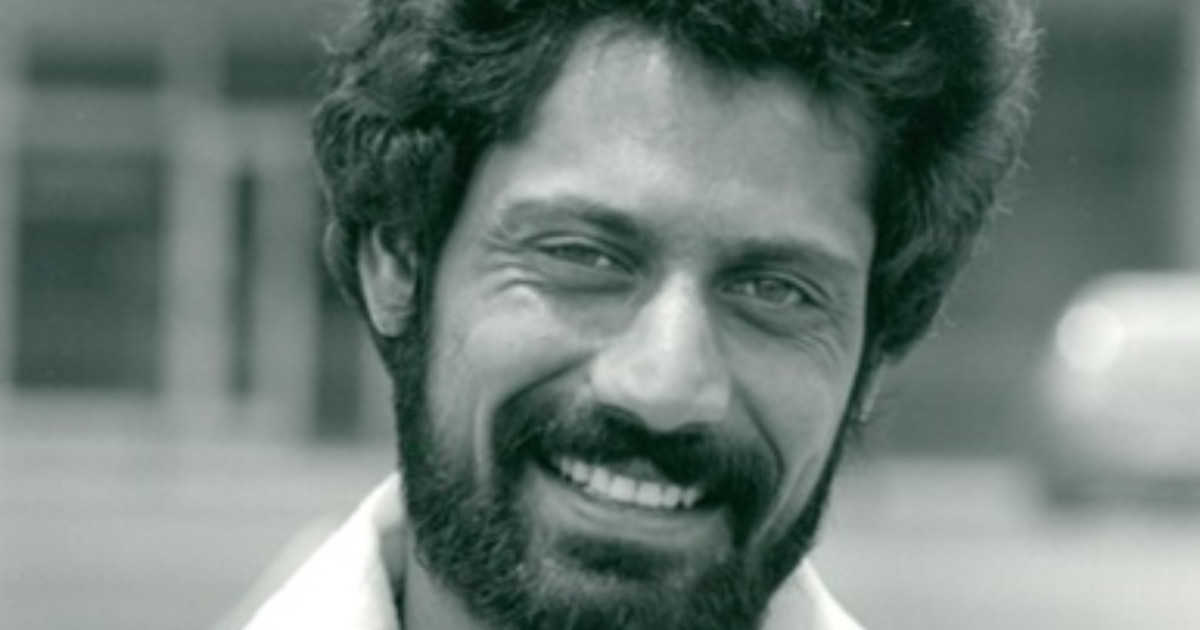
Sharif, one of Pakistan's best-known investigative journalists and television anchors, left the country in August 2022 after facing multiple sedition cases and what he described as threats linked to his journalism. He later traveled to Kenya, where police fatally shot him on October 23, 2022.
Kenyan authorities initially maintained that the shooting resulted from a case of mistaken identity. However, subsequent investigations, including findings by a Pakistani fact-finding team, challenged that explanation, concluding that the killing had been pre-planned and casting doubt on the official account.
A ruling, but no accountability
The latest ruling by Kenya's Supreme Court affirms that the killing violated Sharif's constitutional right to life. However, Siddique said the court stopped short of ordering criminal prosecutions or other remedies she had sought, leaving the question of accountability unresolved. According to her, the matter has now returned to the Court of Appeal.
The latest development comes after years of legal action pursued by Siddique in Kenya. She filed a lawsuit against the country's National Police Service and senior government officials, seeking criminal accountability for those involved in the killing as well as an official apology. Throughout the proceedings, she has consistently rejected the mistaken identity narrative and argued that those responsible should face justice.
Pakistan's judicial response
In Pakistan, Sharif's killing also prompted judicial intervention.
The Supreme Court initially took suo motu notice of the case, directing authorities to investigate the circumstances surrounding the journalist's death and seeking transparency in the inquiry. Following constitutional changes, the matter was transferred to Pakistan's Federal Constitutional Court.
In February 2026, the Federal Constitutional Court disposed of the suo motu proceedings, ruling that it lacked jurisdiction to continue judicial oversight because the killing occurred outside Pakistan. The court noted that investigations and cooperation with Kenyan authorities were continuing under mutual legal assistance mechanisms. It said Sharif's legal heirs remained free to pursue any specific legal remedies before the appropriate courts.
The decision disappointed Siddique and others who had hoped Pakistan's judiciary would continue monitoring progress in the investigation. Even before the case was formally closed, Siddique had publicly expressed concern that the proceedings were nearing an end without delivering meaningful accountability.
Beyond the courtroom, Siddique has repeatedly spoken about the personal toll of her pursuit of justice. She has linked her husband's exile and eventual killing to the pressures he faced as a journalist in Pakistan and has continued to call for accountability from authorities in both countries.
She had also reported harassment and intimidation at her Islamabad residence, saying the incidents reflected the continuing challenges faced by her family while seeking justice.
Justice still out of reach
Friday's statement reinforces a message Siddique has repeated throughout the nearly four-year legal battle: that court declarations alone are not enough unless they are followed by concrete action against those responsible.
While Kenya's Supreme Court has now affirmed that Arshad Sharif's killing constituted an unlawful violation of his right to life, Siddique says the absence of arrests or prosecutions means the family's search for justice is far from over.
WHY THIS MATTERS: The ruling reaffirms that Arshad Sharif's killing was unlawful but leaves key questions of accountability unresolved. For press freedom advocates, the case remains a stark reminder of the challenges journalists and their families face in securing justice across borders.
Key Points
- Kenya's Supreme Court ruled Arshad Sharif's killing an unlawful violation of his right to life.
- The court declined to order prosecutions, an official apology or to label the killing as torture.
- Sharif's widow, Javeria Siddique, said no arrests have been made and criticised the lack of accountability.
- The family is pursuing legal avenues in both Kenya and Pakistan, and the matter has been returned to an appeals court.
- The ruling highlights ongoing concerns about justice and protections for journalists.
Key Questions & Answers
What did Kenya's Supreme Court decide?
The court found Arshad Sharif's killing to be an unlawful violation of his right to life but declined to order prosecutions, an apology, or to classify the act as torture.
Did the court order arrests or prosecutions?
No, the Supreme Court declined to order prosecutions and no arrests have been reported following the ruling.
What is Javeria Siddique's response?
Sharif's widow, Javeria Siddique, condemned the lack of arrests and accountability and said justice remains out of reach nearly four years after his death.
What happens next in the case?
The family continues legal efforts in Kenya and Pakistan, and the matter has been sent back to an appeals court for further proceedings.
Relevant Topics
Ask AI: Understand this story your way
AI EnabledDig deeper, ask anything — get instant context, background, and clarity.
Disclaimer: This feature is powered by AI and is intended to help readers explore and understand news stories more easily. While we strive for accuracy, AI-generated responses may occasionally be incomplete or reflect limitations in the underlying model. This feature does not represent the editorial views of JournalismPakistan. For our full, verified reporting, please refer to the original article.