.png)
Journalism at a crossroads as press freedom erodes in Pakistan
JournalismPakistan.com | Published: 21 December 2025 | Shafaat Yar Khan
Join our WhatsApp channel
Pakistan's press faces severe challenges, with increasing censorship and intimidation against journalists. The environment raises concerns about the state of democracy in the country.Summary
SYDNEY — Journalism in Pakistan has never had an easy journey. From the early years of statehood to prolonged periods of military rule, the press has often operated under pressure, censorship, and coercion. The eras of General Ayub Khan (1958–1969) and General Zia-ul-Haq (1977–1988) were particularly notorious for strict press controls, pre-publication censorship, newspaper shutdowns, and the public flogging and imprisonment of journalists. These periods are widely remembered as some of the darkest chapters for press freedom in the country.
Interestingly, the military rule of General Pervez Musharraf (1999–2008) marked a significant departure from this pattern. Despite being a dictator, Musharraf presided over the liberalisation of Pakistan’s media landscape. Private television channels, FM radio stations, and new newspapers were granted licences with relatively limited oversight. This led to an unprecedented media boom, pluralism of views, and the rise of investigative journalism. While pressures did exist, the overall environment allowed journalists to challenge authority more openly than before.
Ironically, it is under the current so-called democratic setup that journalism in Pakistan finds itself at one of its most precarious crossroads.
Intimidation, arrests, and enforced silences
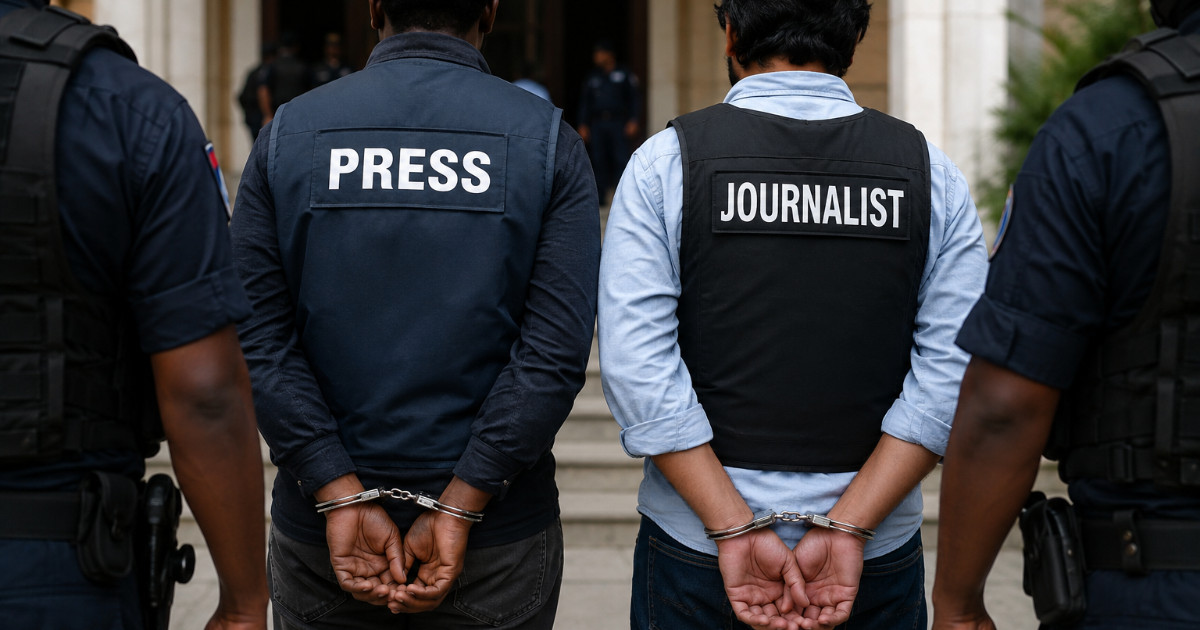
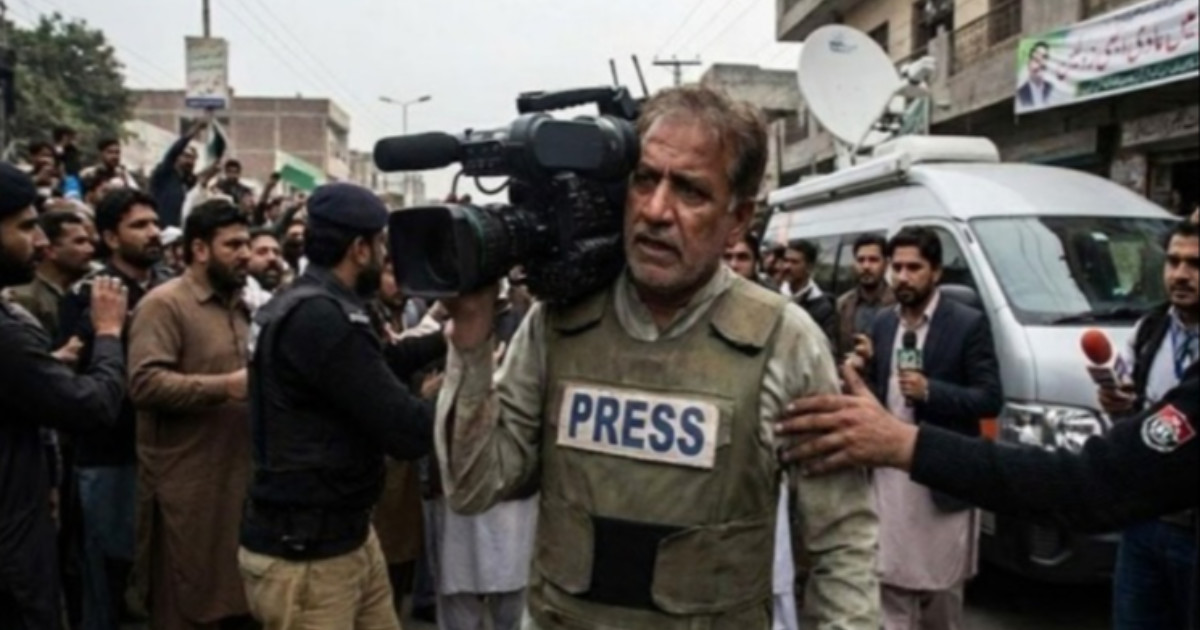
Over the past few years, journalists, media workers, and digital influencers have faced intimidation, arrests, abductions, surveillance, and economic strangulation. Several well-known television anchors have been forced off air, dismissed from their jobs, or banned from television screens without due process. Others have faced abductions, often for short periods, only to be released later without any official acknowledgment of custody.
Prominent examples include Hamid Mir, who survived an assassination attempt in April 2014 and later faced prolonged bans; Absar Alam, shot in Islamabad in April 2021; and Asad Ali Toor, who was assaulted in his Islamabad residence in May 2021. Investigative journalist Imran Riaz Khan was arrested in May 2023 and remained missing for several months, during which courts were repeatedly told that state agencies had no knowledge of his whereabouts. He was eventually released, reportedly after severe physical and psychological trauma.
Such cases follow a disturbing pattern. When journalists are picked up, police and civil administration routinely deny knowledge of their arrest. Court orders seeking recovery or production of the missing individuals are ignored, undermining the authority of the judiciary itself. When journalists reappear, a visible “software update,” as it is often described, follows, once vocal critics suddenly abandon political analysis, resorting instead to safe topics such as history, space science, travel, or cooking shows.
Digital media under siege
Digital media influencers, YouTubers, and vloggers have increasingly come under scrutiny. Many have faced travel bans, freezing of bank accounts, including those of family members, and seizures of digital devices. Their movements are monitored, phone calls allegedly tapped, and social media accounts restricted or blocked.
The primary legal instrument used in this crackdown is the Prevention of Electronic Crimes Act (PECA) 2016, particularly after its amendments and aggressive interpretation. Sections dealing with “defamation,” “false information,” and “state institutions” have been repeatedly used to silence dissent. Journalists argue that PECA is vague, overbroad, and routinely abused to criminalise criticism rather than combat genuine cybercrime.
In 2023 and 2024 alone, dozens of cases were registered against journalists and activists under PECA, often without transparent investigations. Human rights organisations, including Amnesty International and Human Rights Watch, have repeatedly raised concerns over the law’s misuse.
Economic strangulation of media houses
Beyond individual targeting, media organisations themselves are under immense pressure. The most effective tool remains government advertising, which constitutes a major portion of revenue for many outlets. Withdrawal or suspension of state advertisements has become a powerful method to force compliance.
During a previous Nawaz Sharif government, the Jang/Geo Group was subjected to punitive measures, including the imposition of exorbitant import duties on newsprint. This led to drastic reductions in page counts, shrinking from over 40 pages to tabloid-sized editions, and resulted in layoffs.
More recently, reports have suggested that government advertising to the Dawn Media Group was suspended or drastically reduced, impacting its news-gathering capacity and forcing staff reductions. While the information minister has publicly denied any such action, media unions and insiders maintain that financial pressure on independent outlets is systematic and deliberate.
Conversely, media houses with minimal circulation or viewership but unquestioning editorial support for government narratives are reportedly rewarded with disproportionate advertising budgets, creating a distorted and controlled media market.
Alarming global rankings
Pakistan’s deteriorating press freedom is reflected in international rankings. In the 2025 World Press Freedom Index published by Reporters Without Borders (RSF), Pakistan fell to 158th out of 180 countries, placing it among the world’s most dangerous environments for journalists. RSF cited enforced disappearances, legal harassment, censorship, and economic pressure as key reasons for the decline.
According to the Pakistan Federal Union of Journalists (PFUJ), more than 2,000 journalists have lost their jobs since 2018 due to closures, downsizing, and financial coercion.
A Democracy in Name Only?
The irony is stark. Under military dictatorships, repression was overt and acknowledged. Today, under a civilian façade, coercion operates through denials, legal ambiguity, and invisible hands. The result is a climate of fear, self-censorship, and compromised journalism.
A free press is not merely a democratic accessory; it is its backbone. Pakistan’s current trajectory raises serious questions about the sincerity of its democratic claims. Unless legal protections are restored, PECA reformed, enforced disappearances ended, and economic coercion halted, journalism in Pakistan risks becoming a controlled narrative rather than a public service.
At this crossroads, the choice is stark: restore press freedom, or accept its slow, silent burial.
ABOUT THE WRITER: Shafaat Yar Khan is a special correspondent for JournalismPakistan.com in Sydney.
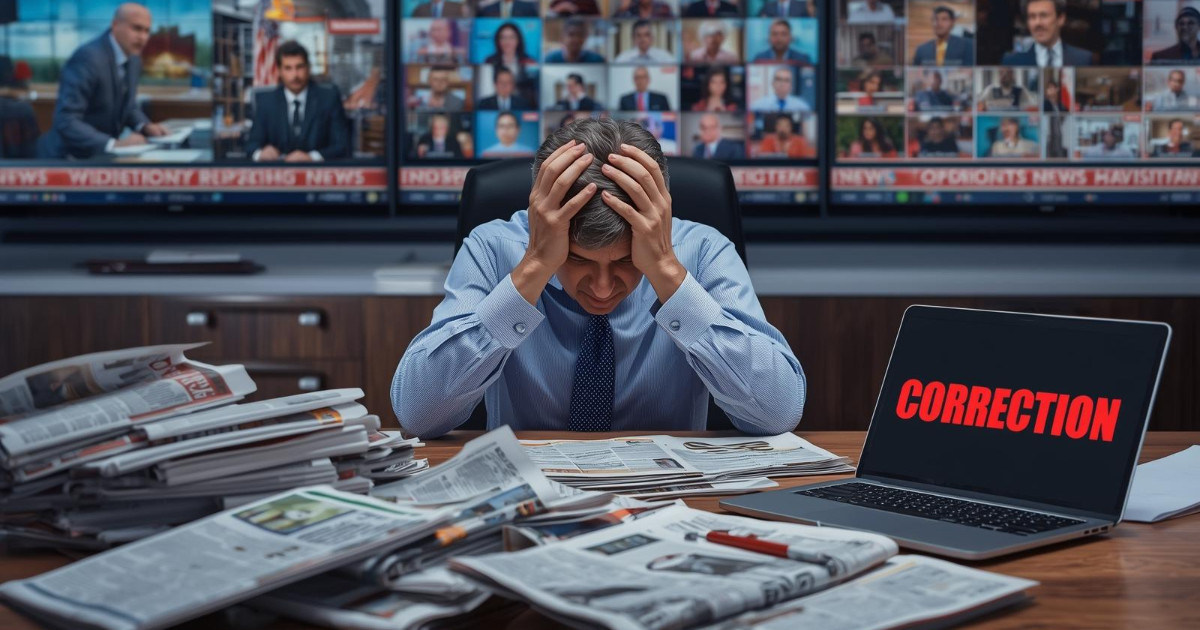
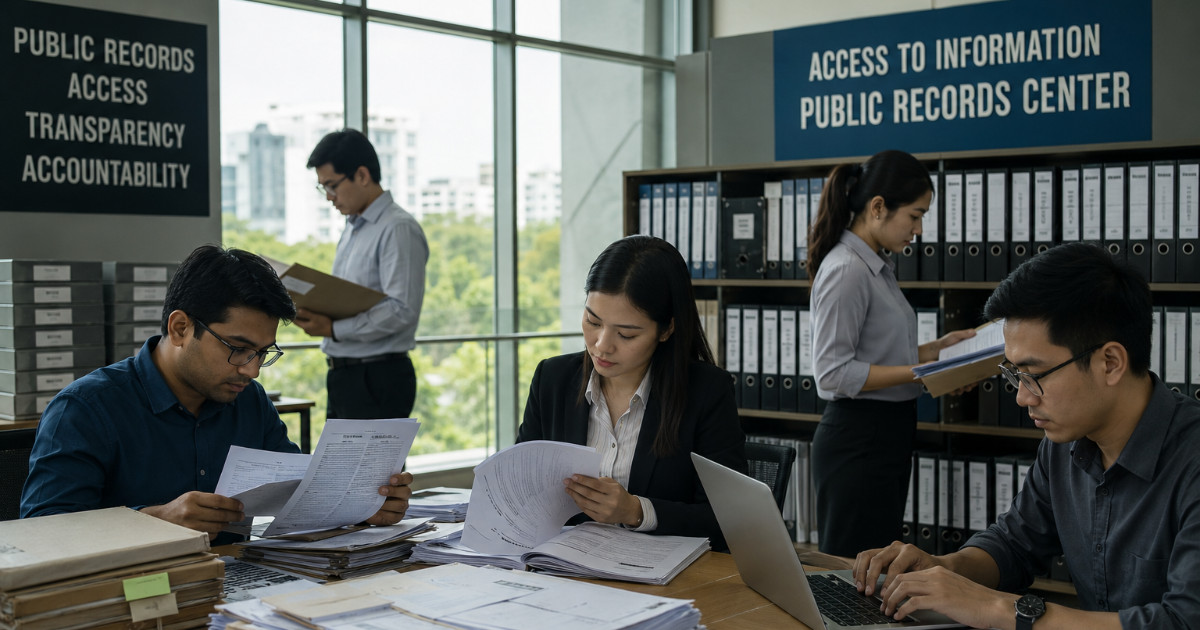
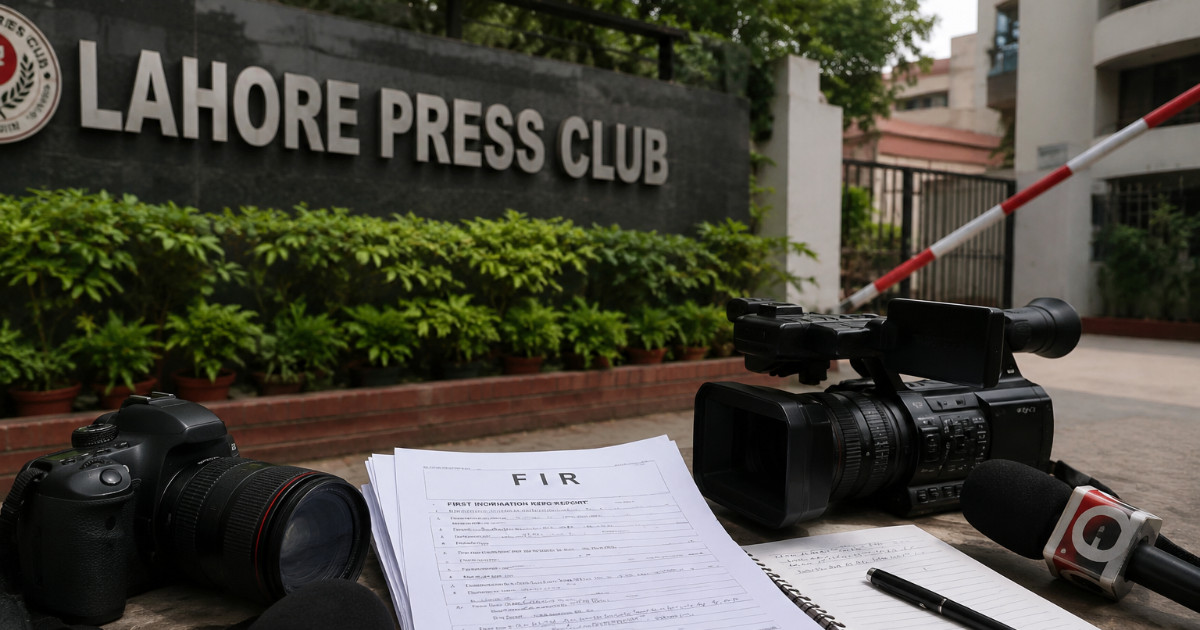
PHOTO: AI-generated; for illustrative purposes only
Key Points
- Journalists in Pakistan face arrests, abductions, censorship, and enforced silences.
- PECA law is widely criticized for being used to suppress dissent and criticism.
- Economic pressure through government advertising is used to influence media outlets.
- Pakistan ranks 158th in the 2025 RSF World Press Freedom Index.
- Thousands of journalists have lost jobs amid media closures and financial coercion.
Relevant Topics
Ask AI: Understand this story your way
AI EnabledDig deeper, ask anything — get instant context, background, and clarity.
Disclaimer: This feature is powered by AI and is intended to help readers explore and understand news stories more easily. While we strive for accuracy, AI-generated responses may occasionally be incomplete or reflect limitations in the underlying model. This feature does not represent the editorial views of JournalismPakistan. For our full, verified reporting, please refer to the original article.