.jpg)
Civilization at Wi-Fi speed: surviving the age of spectacle
JournalismPakistan.com | Published: 25 March 2026 | Akhtar Shah
Join our WhatsApp channel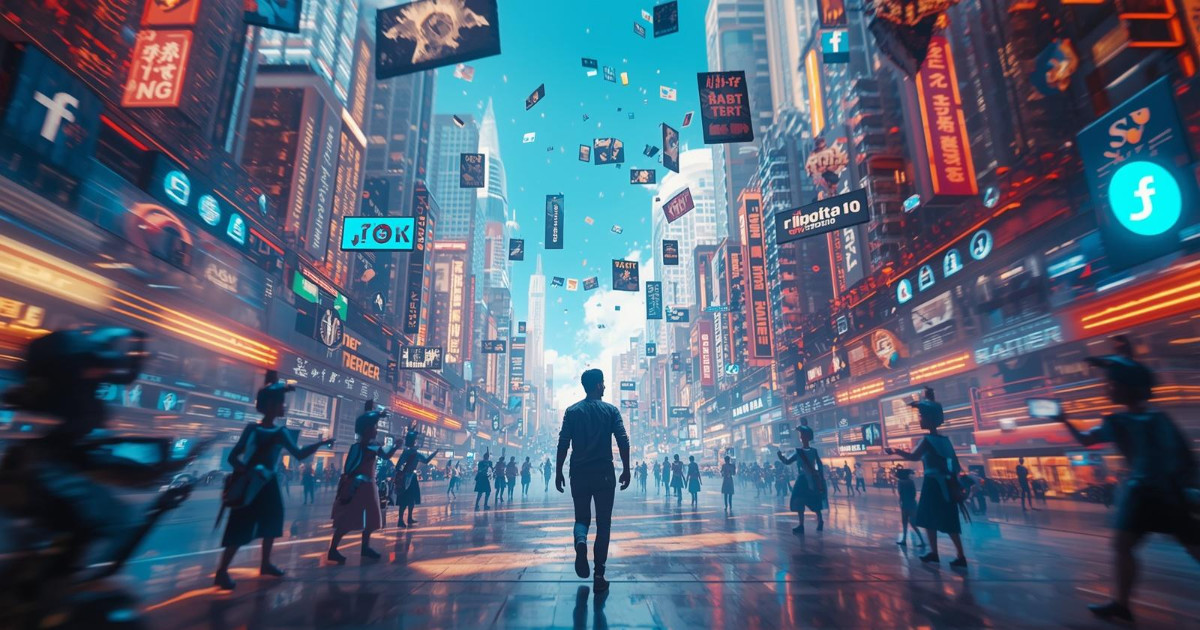
Column argues that modern civilization operates at Wi-Fi speed, where social media spectacle, viral misinformation and performative outrage distort reality and amplify conflicts. It warns these dynamics erode public trust and everyday sanity.Summary
In a world hurtling toward chaos, the real battle isn’t always on the frontlines; it’s in our feeds, our minds, and our daily lives.
ISLAMABAD — In today’s world, the only issue that seems truly bipartisan, borderless, and universally embraced is war—war within oneself, war outside oneself, war in society, war in thought, and increasingly, war in comment sections. The irony is magnificent: there isn’t a single real winner. We are all losing in style, yet everyone insists they’re leading by points. If absurdity ever needed a mascot, modern civilization would qualify without a casting call.
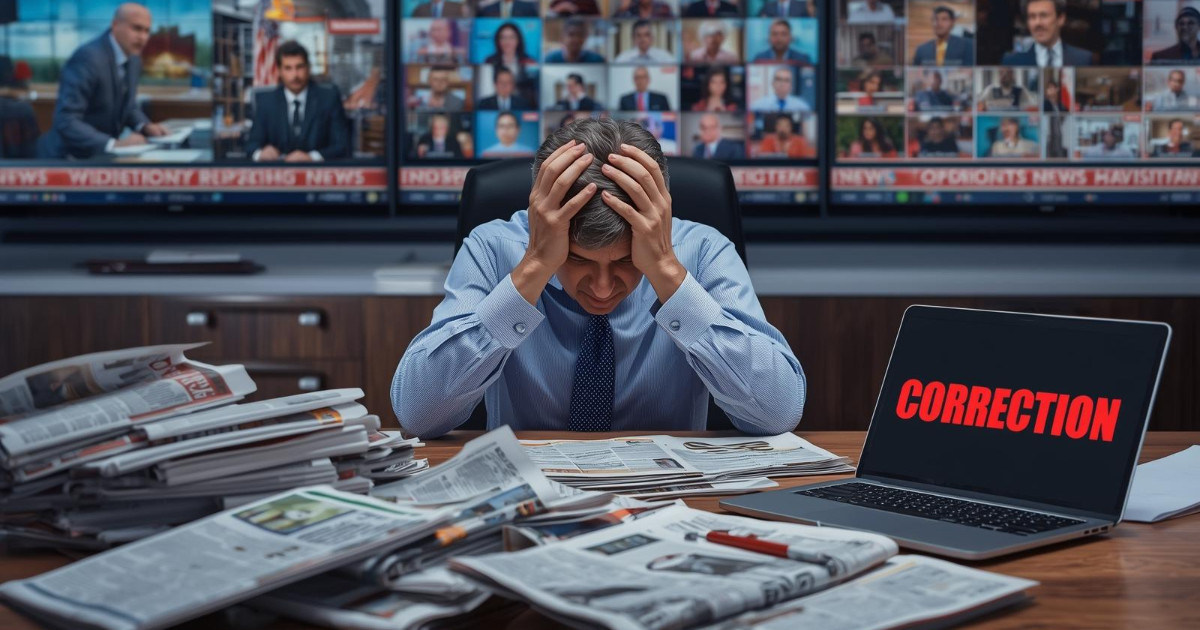
Take a quick stroll through the digital carnival we call social media, and you’ll see the spectacle in full glory: fake videos, theatrical outrage, and “breaking news” delivered with the subtlety of a fish market at peak bargaining hour. Information is no longer merely shared; it is weaponized, polished, packaged, and hurled with the precision of a guided missile and the maturity of a playground scuffle. One viral clip can make a saint look suspicious, and a villain look visionary. It’s less journalism now and more gladiator combat with Wi-Fi.
And all of this is happening at a time when life itself appears to be running on Mach 2. Everything, from proton particles to subatomic collisions, from climate patterns to Earth’s magnetic field, seems to be behaving as though the universe is having a nervous breakdown in public. The planet appears to be buffering, the atmosphere is glitching, and humanity, as usual, is refreshing its feed and pretending it’s all perfectly normal.
Official narratives remain wonderfully reassuring. We are told that everything will settle down, reset itself, and return to order, as if history were a mildly misplaced sofa cushion. But somewhere beneath the headlines and hashtags lies a rather impolite suspicion: this time, things may not return looking quite the same. And just when global anxiety needs no extra seasoning, the world’s loudest prophets, pundits, and professional alarmists arrive on cue, each eager to place their bets on destiny like gamblers at a collapsing poker table, blissfully unaware that the entire table may soon be airborne.
Perhaps the only certainty in this age of speed, spectacle, and saturation is that the chaos will continue, and so will we, scrolling, shouting, and surviving, hoping to make sense of the digital theater we’ve all been cast in.
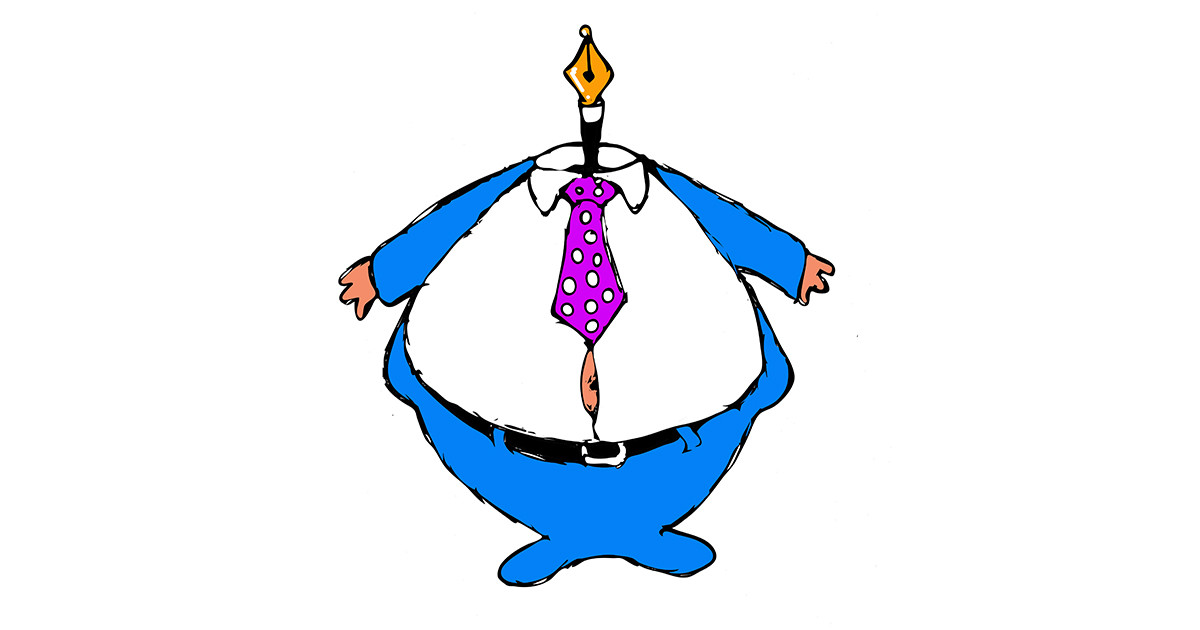
ABOUT THE WRITER: Akhtar Shah is a professional cartoonist who has worked for several English-language newspapers, including The Muslim and The News. He presently contributes cartoons to JournalismPakistan and designed its Janu Journalism mascot.
Key Points
- Social media has converted news and events into continuous spectacle, prioritizing virality over verification.
- Viral clips and curated outrage can alter reputations and narratives faster than fact-checking can respond.
- Information is increasingly weaponized, deepening polarization and incentivizing performative commentary.
- The accelerated pace of digital discourse undermines shared facts and erodes public trust in institutions.
- Addressing the problem requires media literacy, verification practices and more deliberate, reflective communication.
Key Questions & Answers
What does "Wi-Fi speed" mean in this context?
It describes how rapidly information and reactions circulate online, often outpacing verification and reflection.
How does spectacle affect journalism?
Spectacle prioritizes engagement metrics over depth; it can push outlets toward sensationalism and away from careful reporting.
Can misinformation be contained?
Containment is difficult but possible with coordinated fact-checking, platform policies and public media literacy; no single fix suffices.
What can individuals do to resist the spectacle?
Adopt verification habits, slow down before sharing, diversify sources, and prioritize context over instant reaction.
Relevant Topics
Ask AI: Understand this story your way
AI EnabledDig deeper, ask anything — get instant context, background, and clarity.
Disclaimer: This feature is powered by AI and is intended to help readers explore and understand news stories more easily. While we strive for accuracy, AI-generated responses may occasionally be incomplete or reflect limitations in the underlying model. This feature does not represent the editorial views of JournalismPakistan. For our full, verified reporting, please refer to the original article.