
Senior journalist Shaheen Sehbai apologizes for AI tweet
JournalismPakistan.com | Published: 25 January 2026 | JP Staff Report
Join our WhatsApp channel
Senior journalist Shaheen Sehbai apologized on his verified X account after posting and deleting an AI-generated image of Nawaz Sharif, saying he regretted the tweet and acknowledging critics, raising concerns about AI imagery and media credibility.Summary
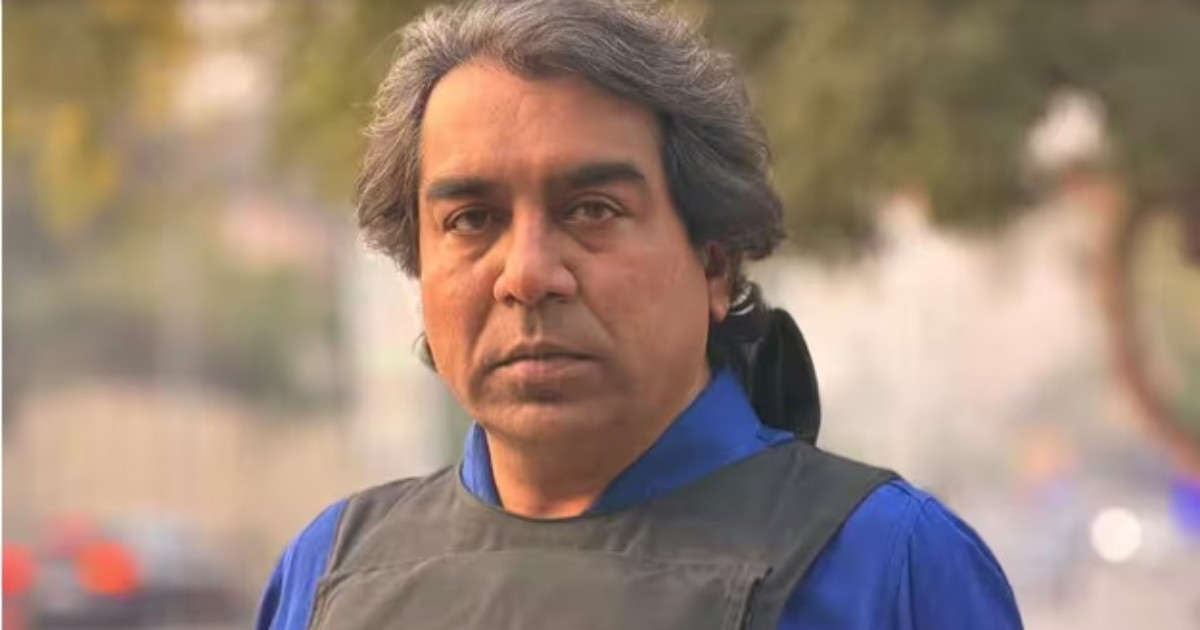
ISLAMABAD — Senior Pakistani journalist Shaheen Sehbai issued a public apology on social media after posting and then deleting a controversial artificial intelligence-generated image involving former prime minister Nawaz Sharif. The apology was shared on his verified X account and comes after online criticism of the image, which showed a fabricated scene involving Sharif and a woman.
Sehbai wrote on X that he was sorry, regretful, and solemnly apologized for his tweet of the AI picture of Nawaz Sharif proposing to a lady and acknowledged that those who objected were right. He said he had mentioned in his original tweet that the content was below his professional level, but added that some people nearby persuaded him to post it. The tweet, he said, gained traction within three to four hours before he deleted it upon waking up early in the morning and realizing it was inappropriate.
Ethical concerns over AI-generated content
The incident draws attention to the growing challenge of artificial intelligence in the digital media ecosystem and the ethical responsibilities of journalists to verify and consider the impact of images before sharing them. AI-generated imagery can easily be mistaken for real content and fuel misinformation, leading to reputational harm for public figures and media professionals alike. Journalistic codes of ethics generally require verification and sensitivity around the portrayal of individuals, especially in politically charged environments.
Impact on media credibility and professional standards
Sehbai has a long career in journalism and commentary, and his work has at times sparked debate and controversy within Pakistani media circles. In this case, he clearly expressed regret and said his actions were below his own standards. The rapid spread of social media content and the risks of sharing content created or altered by AI tools have been the subject of discussion among news organizations globally, with many urging stronger editorial controls and fact-checking protocols.
Lessons for journalists and media professionals
The apology reflects broader concerns about the use of social platforms by journalists and commentators and the potential for unintended consequences when engaging with misleading or fabricated content. Media outlets and professional bodies have increasingly emphasized training on digital literacy and the verification of user-generated content to uphold credibility.
WHY THIS MATTERS: This episode matters to Pakistani journalists and media professionals because it underscores the ethical and reputational risks posed by AI-generated content in news reporting and commentary. It highlights the importance of robust editorial standards, verification practices, and awareness of how social media posts by influential media figures can shape public perception. Responsible management of AI in news is critical to maintaining trust and credibility in journalism.
ATTRIBUTION: Reporting based on the journalist’s public X post and verification of his statement on his account.
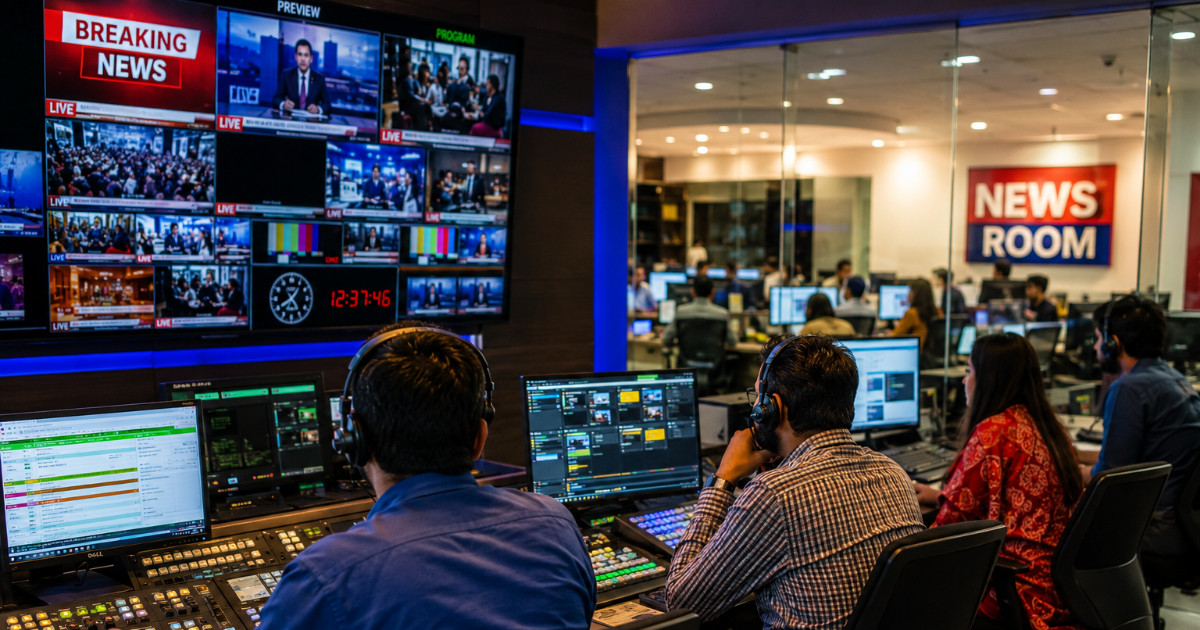
PHOTO: AI-generated; for illustrative purposes only
Key Points
- Shaheen Sehbai posted an AI-generated image depicting Nawaz Sharif and later deleted the tweet.
- He issued a public apology on his verified X account, saying he regretted the post.
- Sehbai acknowledged objections and said he had been persuaded by people nearby to share it.
- The episode highlights ethical challenges of AI-generated imagery and the need for verification.
- Critics say the incident risks reputational harm and raises questions about media credibility.
Relevant Topics
Ask AI: Understand this story your way
AI EnabledDig deeper, ask anything — get instant context, background, and clarity.
Disclaimer: This feature is powered by AI and is intended to help readers explore and understand news stories more easily. While we strive for accuracy, AI-generated responses may occasionally be incomplete or reflect limitations in the underlying model. This feature does not represent the editorial views of JournalismPakistan. For our full, verified reporting, please refer to the original article.