.png)
Taliban shut down Tamadon TV amid media crackdown
JournalismPakistan.com | Published: 24 June 2026 | JP Asia Desk
Join our WhatsApp channel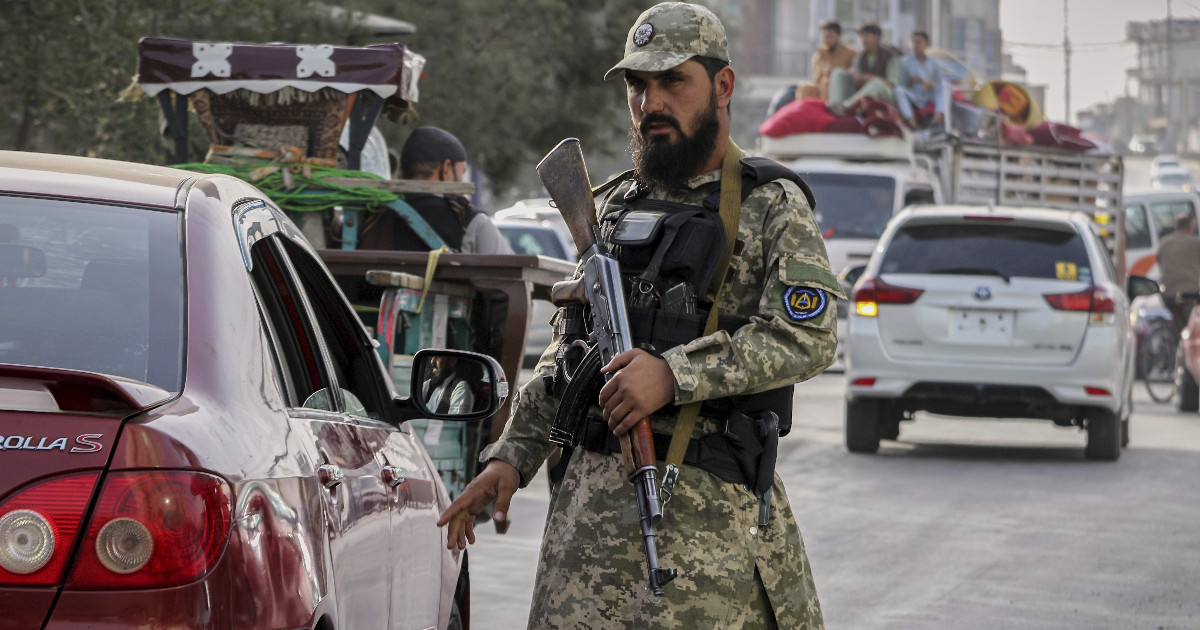
Taliban forces raided Tamadon TV's Kabul headquarters on June 23, forcing the broadcaster off air, insulting staff and sealing offices during Muharram. CPJ condemned the action as an escalation in restrictions on independent media.Summary
KABUL —Taliban authorities have shut down Afghan broadcaster Tamadon TV, one of the country's few remaining independent television stations, prompting condemnation from the Committee to Protect Journalists (CPJ), which described the move as part of an escalating campaign against independent media in Afghanistan.
According to CPJ and multiple media reports, several armed members of the Taliban's Ministry of Justice raided Tamadon TV's headquarters in Kabul on June 23, forced the station off the air, insulted staff members, and sealed the broadcaster's offices. The station, known for its news coverage, political analysis, and Shia religious programming, was taken off the air during Muharram, a significant period in the Shia Islamic calendar.
CPJ condemns the closure
CPJ called on Taliban authorities to immediately allow Tamadon TV to resume broadcasting and cease interference in the operations of independent media outlets.
"The closure of Tamadon TV and the degrading treatment of its staff mark an alarming escalation in the Taliban's assault on Afghanistan's independent media," said CPJ Afghanistan-Pakistan Representative Waliullah Rahmani. He urged authorities to stop using force against news organizations and permit the broadcaster to return to the air.
The shutdown comes amid broader restrictions imposed by Taliban authorities on media organizations and religious activities associated with Afghanistan's Shia minority community.
Long-running dispute cited by authorities
The Ministry of Justice had previously announced plans to close Tamadon TV in June 2025, alleging that the broadcaster was linked to the banned Harakat-e-Islami political party and was operating on state-claimed land. However, authorities did not enforce the closure at that time.
Tamadon TV Director Mohammad Jawad Mohseni rejected the allegations in a Facebook post, stating that the station has no affiliation with any political party and that the property was legally purchased through a private transaction. He said a special court has been reviewing the land ownership dispute for more than a year without reaching a final decision.
The latest action against Tamadon TV follows another high-profile intervention by Taliban authorities earlier this year. In February 2026, intelligence officials took control of Rah-e-Farda TV, a broadcaster associated with prominent Hazara political leader Mohammad Mohaqiq.
Pressure on independent broadcasters
Rah-e-Farda TV resumed operations in June after Taliban authorities reportedly granted a broadcasting license to a new owner. Media observers have viewed the episode as part of a broader restructuring of Afghanistan's media landscape under Taliban rule.
Since returning to power in August 2021, Taliban authorities have introduced extensive restrictions on journalists, broadcasters, and media outlets. Press freedom organizations have repeatedly warned that independent reporting has become increasingly difficult as media organizations face regulatory pressure, censorship measures, economic challenges, and security concerns.
CPJ said the Taliban's Ministry of Justice did not respond to its request for comment regarding the closure of Tamadon TV.
WHY THIS MATTERS: The closure of Tamadon TV highlights the shrinking space for independent and minority-focused media in Afghanistan. For journalists and media organizations, the case underscores how regulatory actions, ownership disputes, and political pressure can be used to silence broadcasters, raising concerns about media pluralism and access to diverse viewpoints.
ATTRIBUTION: Reporting by JournalismPakistan, based on a public statement by the Committee to Protect Journalists on June 24, 2026, and publicly available reporting cited by CPJ.
PHOTO: A Taliban policeman directs traffic in Kabul on August 14, 2025. Armed Taliban agents raided Tamadon TV’s headquarters in the city and forced the broadcaster off the air on June 23, 2026. (Photo: AP/Siddiqullah Alizai/circulated by CPJ)
Key Points
- Armed members of the Taliban's Ministry of Justice raided Tamadon TV's Kabul headquarters on June 23.
- The station was taken off air, staff were insulted, and the broadcaster's offices were sealed.
- Tamadon is known for news, political analysis and Shia religious programming.
- The Committee to Protect Journalists condemned the closure and urged authorities to allow broadcasting to resume.
- The shutdown occurs amid wider restrictions on media and religious activities linked to Afghanistan's Shia minority.
Key Questions & Answers
Why was Tamadon TV shut down?
The Taliban's Ministry of Justice cited a long-running dispute; multiple media reports say armed members raided and sealed the station, taking it off the air.
When did the raid and closure occur?
Reports state the raid took place on June 23 and the broadcaster was taken off air during Muharram.
What has the Committee to Protect Journalists said?
CPJ condemned the closure and urged Taliban authorities to allow Tamadon TV to resume broadcasting and to stop interfering with independent media.
Can Tamadon TV resume broadcasting?
There is no immediate indication that the station can resume; CPJ has called on authorities to permit the broadcaster to return to the air.
Relevant Topics
Ask AI: Understand this story your way
AI EnabledDig deeper, ask anything — get instant context, background, and clarity.
Disclaimer: This feature is powered by AI and is intended to help readers explore and understand news stories more easily. While we strive for accuracy, AI-generated responses may occasionally be incomplete or reflect limitations in the underlying model. This feature does not represent the editorial views of JournalismPakistan. For our full, verified reporting, please refer to the original article.