
Czech public broadcasters strike over funding overhaul
JournalismPakistan.com | Published: 17 June 2026 | JP Global Monitoring
Join our WhatsApp channel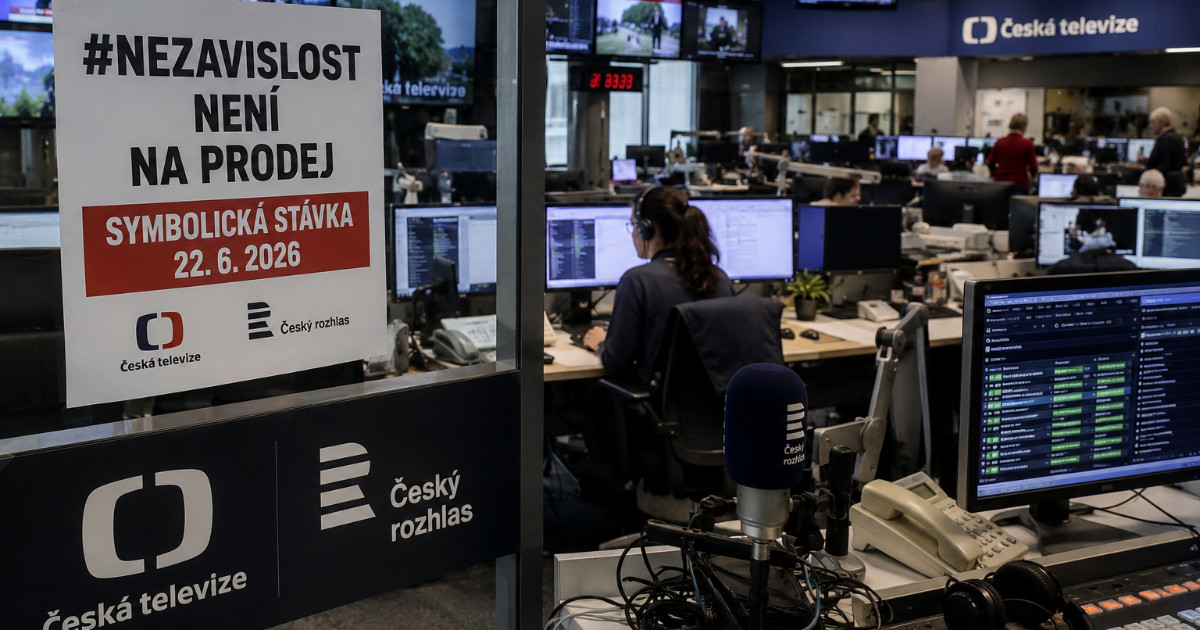
Hundreds of employees at Czech Television and Czech Radio have announced a symbolic strike for June 22 to protest government plans to replace license-fee funding with direct state-budget allocations. Critics say the move could weaken editorial independence and increase political influence over public broadcasters.Summary
PRAGUE—Hundreds of employees at Czech Television and Czech Radio have announced a symbolic strike for June 22 in protest against government plans to replace the broadcasters' license-fee funding model with direct allocations from the state budget, a proposal critics say could weaken editorial independence.
The planned action, reported on June 17, comes amid a growing debate over the future financing of public-service media in Europe. Journalists, media unions, and press freedom advocates argue that moving funding under direct government control could expose public broadcasters to greater political pressure and undermine their ability to operate independently.
Concerns over editorial independence
Employees involved in the protest say the current license-fee system provides an important buffer between public broadcasters and political authorities. Critics of the proposed reform contend that state-budget financing could allow future governments to exert influence through funding decisions, potentially affecting editorial priorities and newsroom autonomy.
Press freedom organizations have also raised concerns, warning that changes to public media funding structures can have long-term implications for democratic accountability and access to independent journalism. The dispute has attracted attention beyond the Czech Republic because similar debates are underway in several European countries examining the sustainability of public-interest media.
European debate over public media funding
Supporters of reform argue that traditional license-fee systems face mounting challenges as media consumption habits change and audiences increasingly rely on digital platforms. Governments across Europe are exploring alternative funding mechanisms to maintain public-service broadcasting while addressing financial pressures.
The Czech dispute is therefore being closely watched by policymakers, broadcasters, and media advocates as a potential test case for how governments balance financial sustainability with safeguards for editorial independence. The outcome could influence broader discussions about the future role and governance of publicly funded journalism across the region.
WHY THIS MATTERS: Public-service broadcasters remain among the most important providers of news, investigative reporting, and public-interest journalism in Europe. For media organizations and journalists, the Czech debate highlights a central challenge facing the industry: securing sustainable funding without creating mechanisms that could compromise editorial independence or public trust.
ATTRIBUTION: Reporting by JournalismPakistan, based on publicly available reports on June 17, 2026, and statements from journalists, broadcaster employees, and press freedom organizations regarding the proposed funding changes.
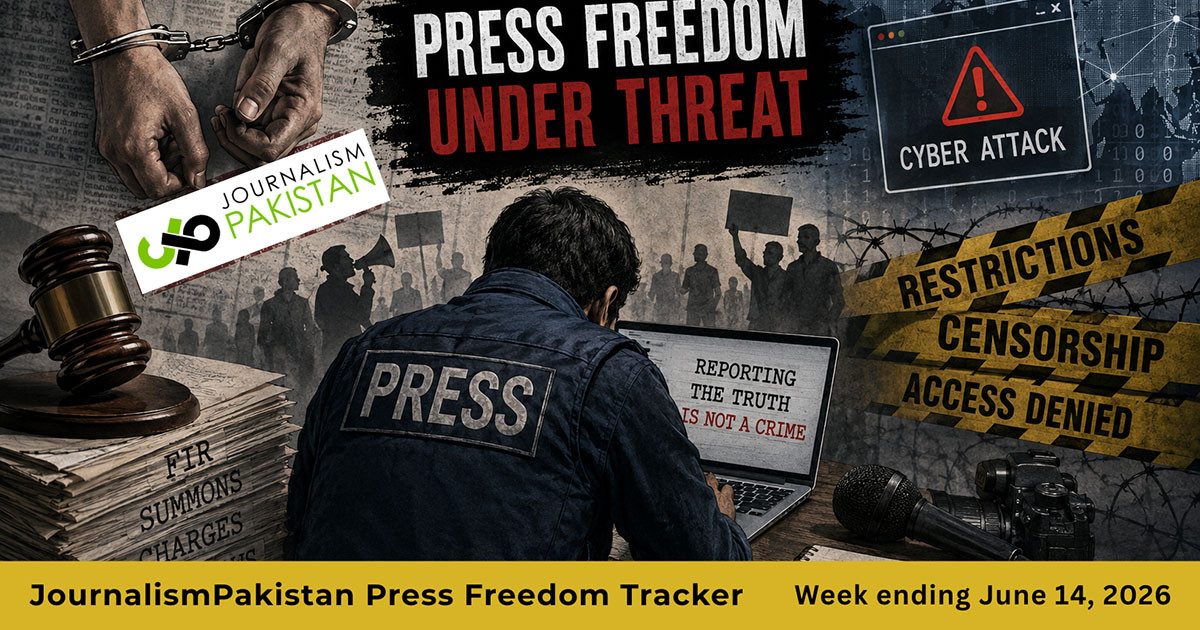
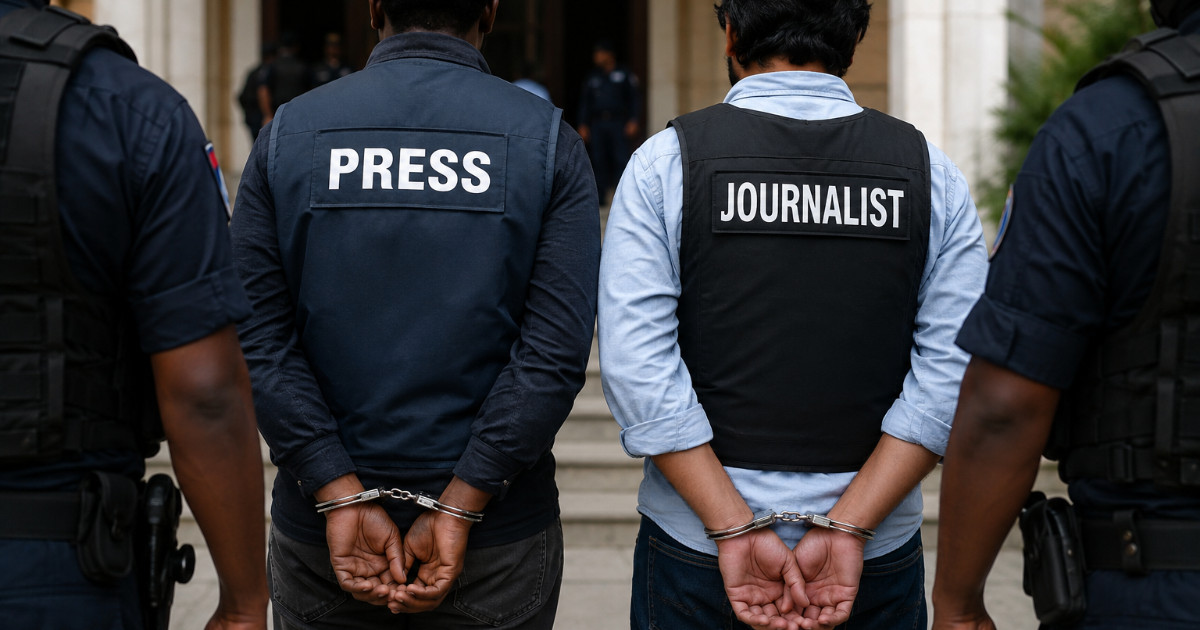
PHOTO: AI-generated; for illustrative purposes
Key Points
- Hundreds of employees at Czech Television and Czech Radio will stage a symbolic strike on June 22.
- The protest targets a proposal to replace license-fee funding with direct state budget allocations.
- Journalists and unions warn the change could expose broadcasters to political pressure.
- Press freedom groups say altering funding models may undermine public-service independence.
- The dispute is part of a broader European debate on sustainable public-media financing.
Key Questions & Answers
Why are the employees striking on June 22?
They will stage a symbolic strike to protest a government proposal to replace the broadcasters' license-fee funding with direct allocations from the state budget.
What is the proposed funding change?
The plan would shift funding from an independent license-fee system to direct payments from the state budget to public broadcasters.
Why do critics oppose the move?
Critics, including journalists and unions, say state-controlled funding could increase political influence and weaken editorial independence.
How does this fit into wider discussions?
The debate echoes similar discussions across Europe about how to ensure sustainable, independent funding for public-interest media.
Relevant Topics
Ask AI: Understand this story your way
AI EnabledDig deeper, ask anything — get instant context, background, and clarity.
Disclaimer: This feature is powered by AI and is intended to help readers explore and understand news stories more easily. While we strive for accuracy, AI-generated responses may occasionally be incomplete or reflect limitations in the underlying model. This feature does not represent the editorial views of JournalismPakistan. For our full, verified reporting, please refer to the original article.