.png)
UK considers boosting trusted news on YouTube, TikTok
JournalismPakistan.com | Published: 23 June 2026 | JP Global Monitoring
Join our WhatsApp channel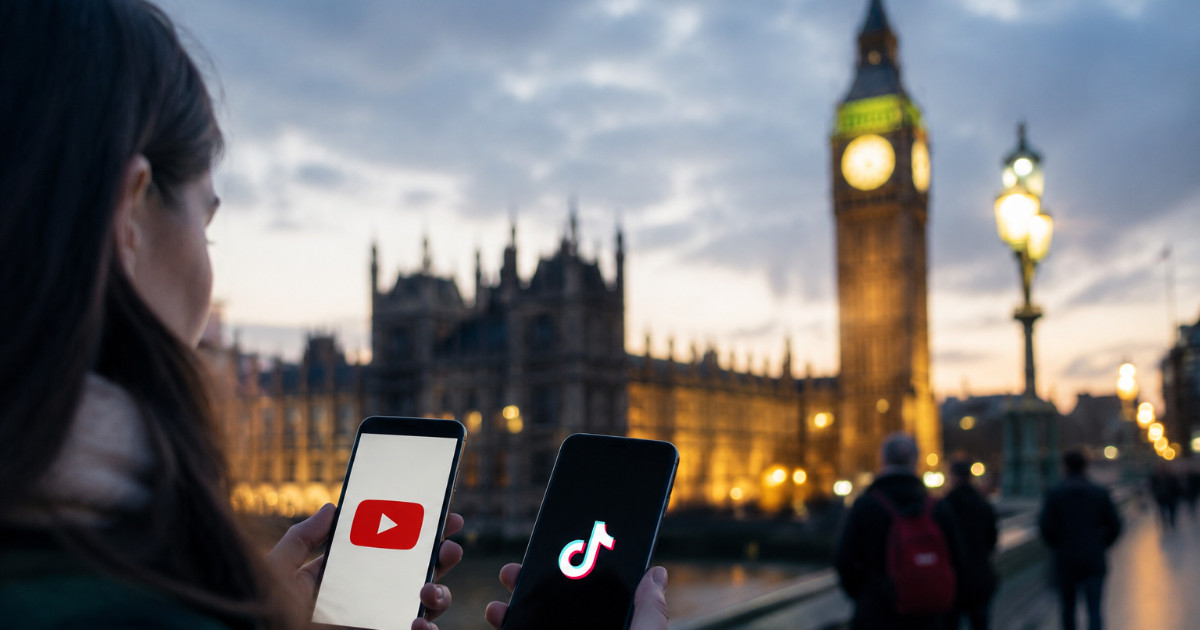
The UK government has launched a consultation proposing that platforms such as YouTube and TikTok boost visibility of public‑service broadcasters and recognized news organizations in recommendations and search, prompting debate over neutrality and competition.Summary
LONDON — The British government has launched a public consultation on proposals that could require major digital platforms, including YouTube and TikTok, to give greater prominence to content from public-service broadcasters and other recognized news organizations.
The initiative is part of a broader effort to improve public access to trusted journalism online and address concerns about the spread of misinformation on digital platforms. Officials argue that professionally produced news remains an important source of verified information and should be easier for users to find.
Debate over platform responsibility
Under the proposals, platforms could be required to ensure that content from established news providers receives greater visibility in recommendation systems, search functions, or other content discovery features. The consultation seeks views from broadcasters, technology companies, publishers, and the public before any final policy decisions are made.
Supporters of the proposal say it reflects changing news consumption habits, particularly among younger audiences who increasingly rely on social media and video-sharing platforms for information rather than traditional television, radio, or newspaper outlets.
Critics, however, argue that government-backed prominence rules could raise concerns about platform neutrality, competition, and user choice. Some digital rights advocates and technology industry observers have questioned whether governments should influence how platforms rank or prioritize content.
Part of a wider international trend
The UK proposal comes amid growing international scrutiny of the relationship between technology platforms and news organizations. Governments in several countries have explored measures ranging from content-payment agreements to discoverability requirements to support public-interest journalism.
The consultation also highlights increasing concern among policymakers about the influence of algorithms in shaping public understanding of current events. Regulators and media groups worldwide continue to debate how to balance freedom of expression, platform independence, and access to reliable information.
No final decisions have been announced, and the government said feedback gathered during the consultation process will help shape any future legislation or regulatory measures.
Implications for broadcasters and publishers
If implemented, the measures could strengthen the digital reach of public-service broadcasters and established news outlets at a time when competition for audience attention is intensifying. The outcome may also influence future policy discussions in other countries considering similar approaches to supporting trusted journalism online.
Media analysts say the consultation will be closely watched by publishers, broadcasters, technology companies, and regulators because it touches on fundamental questions about the future distribution of news in the platform era.
WHY THIS MATTERS: The proposal signals a growing willingness by governments to intervene in how news is distributed on digital platforms. For news organizations, the outcome could affect audience reach, referral traffic, and long-term sustainability, while also shaping future debates over platform accountability and public-interest journalism.
ATTRIBUTION: Reporting by JournalismPakistan, based on publicly available information from the UK government consultation announced in June 2026 and related reporting by international media outlets covering digital platform regulation.
PHOTO: AI-generated; for illustrative purposes only.
Key Points
- The government has launched a public consultation on boosting trusted news on major platforms.
- Proposals would give public-service broadcasters and recognized news outlets greater prominence in recommendations and search.
- Supporters cite changing news habits and the value of professionally produced, verified journalism.
- Critics warn of risks to platform neutrality, competition, and user choice if governments influence ranking.
- The move forms part of a wider international trend addressing online misinformation and news discovery.
Key Questions & Answers
What is the UK proposal?
The government is consulting on rules that could require major platforms like YouTube and TikTok to give greater prominence to content from public-service broadcasters and recognized news organizations.
Which platforms could be affected?
While the consultation mentions major digital platforms broadly, it specifically cites services such as YouTube and TikTok as examples of video and social platforms in scope.
Why do supporters back the plan?
Supporters argue that professionally produced news is a verified source of information and should be easier to find amid rising news consumption on social media and video platforms.
What are the main criticisms?
Critics warn that government-backed prominence rules may threaten platform neutrality, distort competition, and reduce user choice by influencing how content is ranked.
Relevant Topics
Ask AI: Understand this story your way
AI EnabledDig deeper, ask anything — get instant context, background, and clarity.
Disclaimer: This feature is powered by AI and is intended to help readers explore and understand news stories more easily. While we strive for accuracy, AI-generated responses may occasionally be incomplete or reflect limitations in the underlying model. This feature does not represent the editorial views of JournalismPakistan. For our full, verified reporting, please refer to the original article.