.png)
Israel targets NYT over Gaza abuse report
JournalismPakistan.com | Published: 15 May 2026 | JP Global Monitoring
Join our WhatsApp channel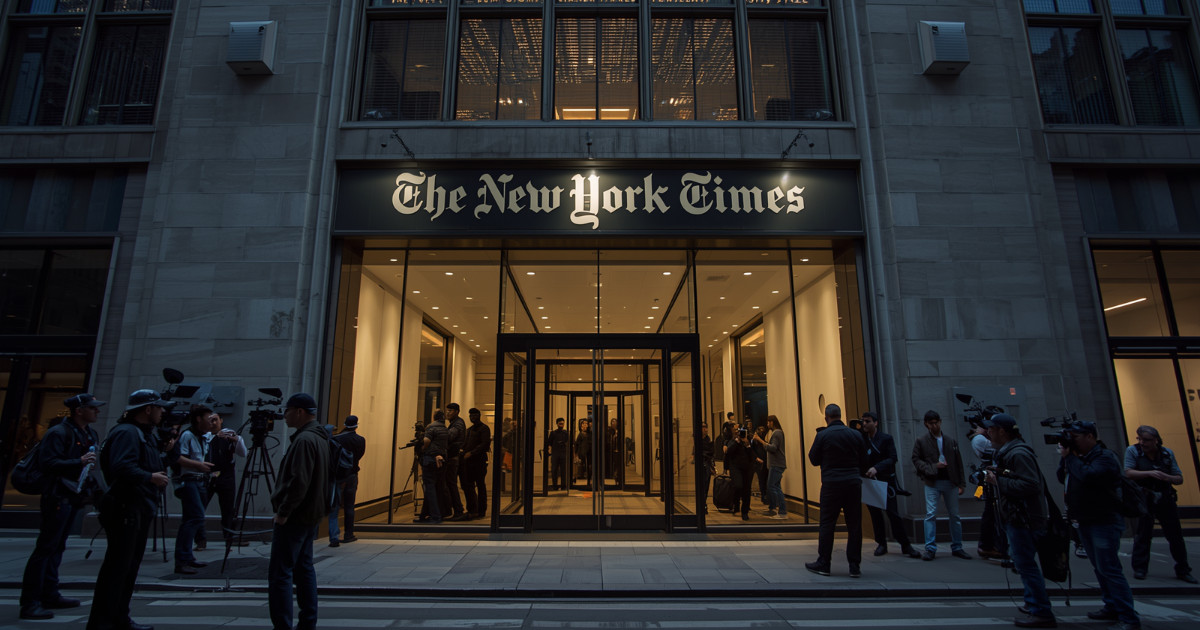
Israel announced plans to consider defamation proceedings against The New York Times and Nicholas Kristof after a Times opinion piece alleged widespread sexual abuse of Palestinian detainees during the Gaza war; the newspaper defended its reporting.Summary
NEW YORK—Israel’s government has announced plans to pursue legal action against The New York Times and columnist Nicholas Kristof following the publication of an opinion article alleging widespread sexual abuse of Palestinian detainees by Israeli forces, escalating tensions between governments and international media organizations over war coverage.
Israeli Prime Minister Benjamin Netanyahu said May 14 that his government had instructed legal advisers to consider defamation proceedings after the newspaper published Kristof’s column, “The Silence That Meets the Rape of Palestinians,” which cited interviews with former Palestinian detainees and referenced findings from human rights organizations and United Nations documentation related to alleged abuses during the Gaza war.
Israel escalates confrontation with international media
Israel’s Foreign Ministry described the article as “one of the most hideous and distorted lies ever published against the State of Israel,” while Netanyahu accused the publication of creating what he called a false equivalence between Hamas and Israeli forces. Reuters reported that Israeli officials were considering “the harshest legal action” against the newspaper and the columnist.
The New York Times defended its reporting and Kristof’s work, stating that the article was based on firsthand interviews, corroborating accounts, and independent research. The newspaper said Kristof had extensive experience covering sexual violence in conflict zones and that the reporting had undergone rigorous fact-checking procedures.
Legal and press freedom implications draw scrutiny
Legal analysts quoted by international media questioned how far the threatened lawsuit could proceed in US courts, citing strong First Amendment protections and the high threshold for defamation claims involving public-interest reporting. The dispute nevertheless reflects growing global pressure on news organizations covering the Israel-Gaza conflict, where allegations of bias, misinformation, and political pressure have intensified since the October 2023 Hamas attacks and the subsequent war in Gaza.
The controversy has also highlighted the increasingly hostile environment facing international media outlets reporting on allegations involving wartime conduct, detainee treatment, and civilian casualties. Human rights groups and UN experts have documented allegations of abuse by multiple parties during the conflict, though many claims remain contested and politically charged.
Media organizations face rising legal pressure
The threatened action against The New York Times adds to a broader international trend in which governments, political actors, and corporations increasingly use legal threats or defamation claims in disputes over media coverage. Press freedom advocates have repeatedly warned that lawsuits or threats of litigation can create a chilling effect for investigative reporting, particularly during conflicts and national security crises.
For global media organizations, the case may become an important test of how far governments are willing to challenge foreign reporting in international courts and how newsrooms defend controversial reporting involving allegations of human rights abuses.
WHY THIS MATTERS: Journalists and media organizations closely covering international conflicts can draw lessons from the growing legal and political risks attached to war reporting and human rights investigations. The case also underscores the importance of rigorous verification, documentation, and editorial review when handling sensitive allegations involving state actors, detainees, or conflict zones.
ATTRIBUTION: Reporting by JournalismPakistan, based on publicly available reporting by Reuters (May 14, 2026), The Guardian (May 14, 2026), and Financial Times (May 14, 2026).
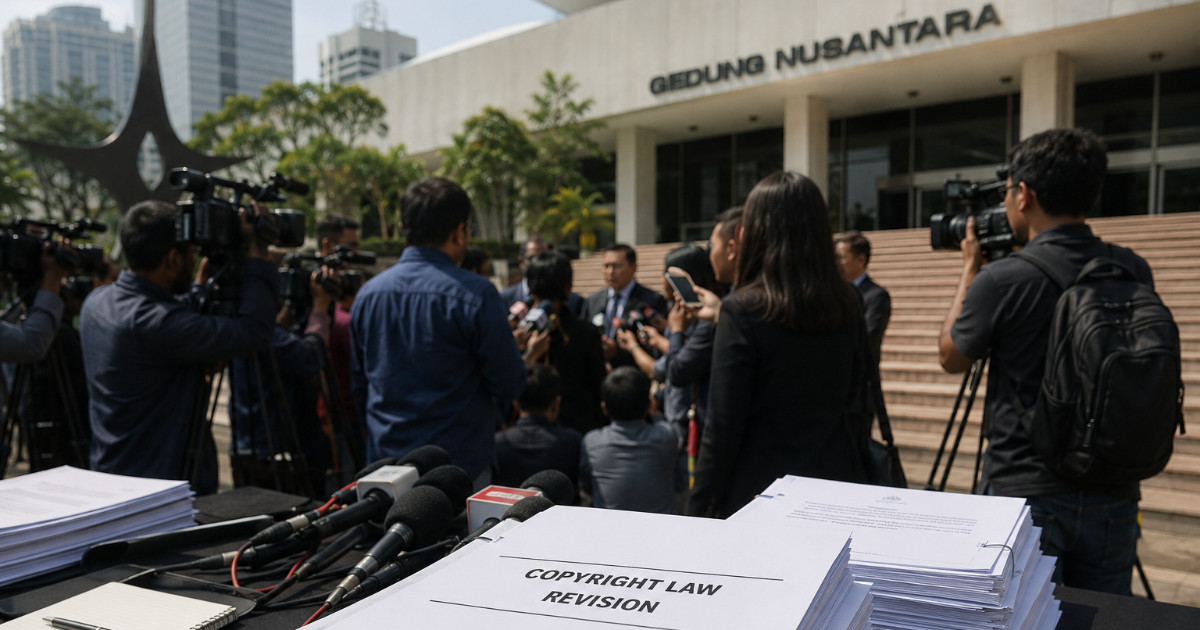
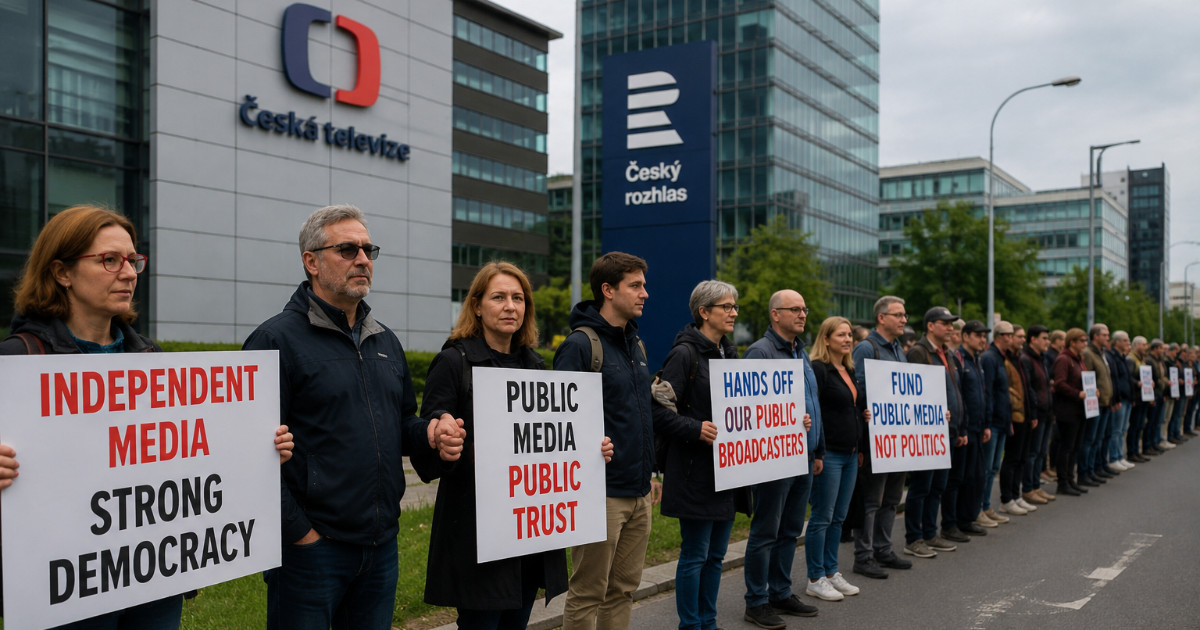
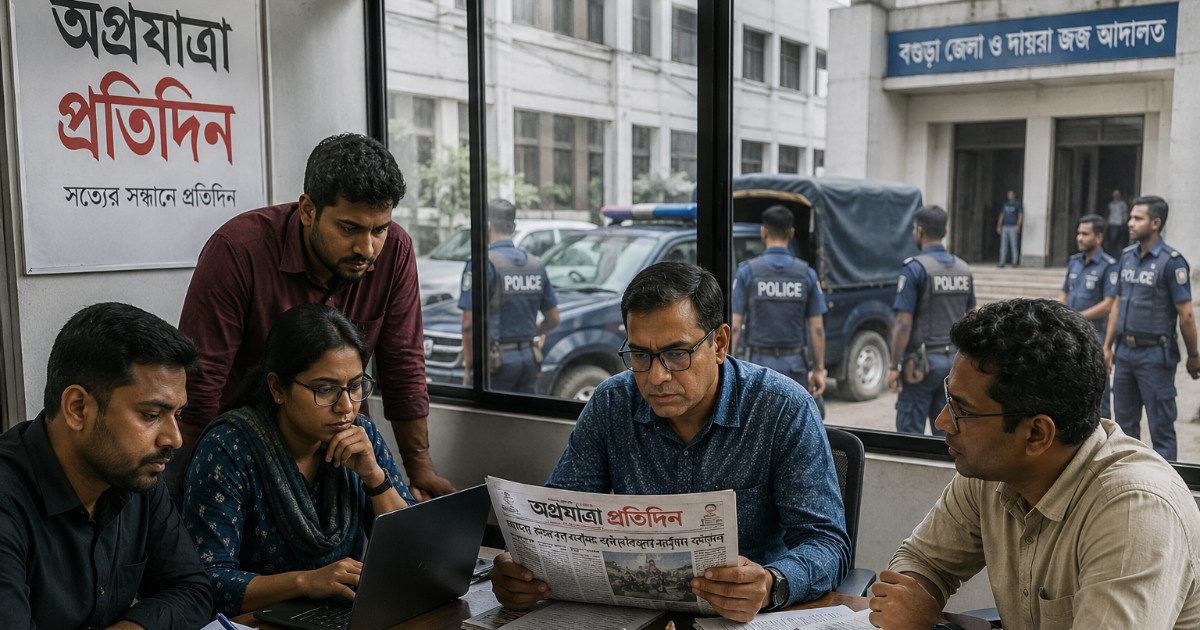
PHOTO: AI-generated; for illustrative purposes only.
Key Points
- Israel has instructed advisers to consider defamation proceedings against The New York Times and columnist Nicholas Kristof.
- The disputed column alleged widespread sexual abuse of Palestinian detainees during the Gaza war, citing interviews and reports.
- Israel's Foreign Ministry denounced the article as a distorted lie and Prime Minister Netanyahu criticized perceived false equivalence.
- The New York Times defended its reporting, saying it was based on firsthand interviews, corroboration and independent research.
- The development has heightened tensions between the Israeli government and international media over war coverage.
Key Questions & Answers
What prompted Israel to consider legal action?
Israel said a New York Times opinion column alleging sexual abuse of Palestinian detainees was false and has instructed legal advisers to explore defamation proceedings.
Who is the columnist named in the report?
The columnist is Nicholas Kristof, whose opinion piece prompted the Israeli government's reaction.
How did The New York Times respond?
The New York Times defended the reporting, saying it relied on firsthand interviews, corroborating accounts and independent research.
What broader tensions does this raise?
The dispute underscores growing friction between the Israeli government and international media over coverage of the Gaza war and accusations of bias or misinformation.
Relevant Topics
Ask AI: Understand this story your way
AI EnabledDig deeper, ask anything — get instant context, background, and clarity.
Disclaimer: This feature is powered by AI and is intended to help readers explore and understand news stories more easily. While we strive for accuracy, AI-generated responses may occasionally be incomplete or reflect limitations in the underlying model. This feature does not represent the editorial views of JournalismPakistan. For our full, verified reporting, please refer to the original article.