.png)
Associated Press cuts newsroom staff in 12 states
JournalismPakistan.com | Published: 16 May 2026 | JP Global Monitoring
Join our WhatsApp channel
Associated Press said May 15 it laid off 20 union-covered employees across multiple newsroom divisions in 12 U.S. states. The News Media Guild said the cuts coincided with increased outsourced production overseas and criticized the move.Summary
NEW YORK—The Associated Press has laid off 20 union-covered employees across multiple newsroom divisions in the United States, prompting criticism from the News Media Guild, which accused AP leadership of cutting journalism jobs while expanding outsourced production work overseas.
The layoffs, announced May 15, affected staff in U.S. news operations, photography, investigations, business reporting, sports coverage, and video teams across 12 states, according to a public statement posted by the AP Guild on X. The union said the cuts reflected growing instability inside one of the world’s most influential news organizations.
The Associated Press separately confirmed the layoffs in a report published May 15, describing the move as part of broader organizational changes aimed at adapting to shifts in the digital media landscape and evolving audience demands.
Guild criticizes outsourcing strategy
The AP Guild sharply criticized management over what it described as contradictory spending priorities, alleging that AP had increased outsourcing of video production work to India while reducing staff positions in the United States and other markets.
“Today’s cuts show just how directionless AP leadership has become,” the union said in its public statement. The guild argued that the reductions would weaken core newsroom functions at a time when news organizations are already facing economic pressure, audience fragmentation, and technological disruption.
AP has not publicly detailed how many roles may be connected to outsourcing or whether additional restructuring measures are planned. The company has, however, joined a wider wave of media organizations reevaluating staffing structures amid declining advertising revenue, rising platform competition, and increasing investment in automation and digital production systems.
Industry faces wider economic strain
The cuts come during a prolonged period of financial pressure across the global news industry. Major publishers and broadcasters in the United States, Europe, and Asia have announced newsroom reductions over the past two years as audiences migrate toward platform-driven news consumption and short-form video products.
For AP, the layoffs carry symbolic weight because of the organization’s longstanding reputation as a foundational global news cooperative supplying reporting, photography, and video to thousands of outlets worldwide. Any reduction in reporting capacity within such organizations can have ripple effects across regional news ecosystems that depend on wire-service journalism.
Media labor groups in the United States have increasingly raised concerns about outsourcing, AI-assisted production systems, and newsroom restructuring, warning that cost-cutting measures could reduce institutional knowledge and weaken original reporting capacity.
Concerns extend beyond the U.S. market
The developments are being closely watched internationally, including in countries where local news organizations rely heavily on international wire content and syndicated reporting. Industry observers note that staffing reductions at major global agencies can affect the depth, diversity, and speed of international coverage available to partner outlets.
The AP layoffs also reflect broader tensions between newsroom unions and media executives over the future of journalism labor. Across the industry, unions have pushed for greater transparency around restructuring decisions, AI integration, and outsourcing strategies that may alter traditional newsroom roles.
WHY THIS MATTERS: Media organizations worldwide are facing many of the same pressures, including digital disruption, shrinking revenues, and pressure to produce more content with smaller teams. The AP case highlights how outsourcing and restructuring decisions can trigger labor tensions and raise concerns about long-term reporting capacity, issues increasingly relevant for publishers navigating economic uncertainty and technological change.
ATTRIBUTION: Reporting by JournalismPakistan, based on publicly available statements from the AP Guild on X (May 15, 2026) and reporting by Associated Press (May 15, 2026).
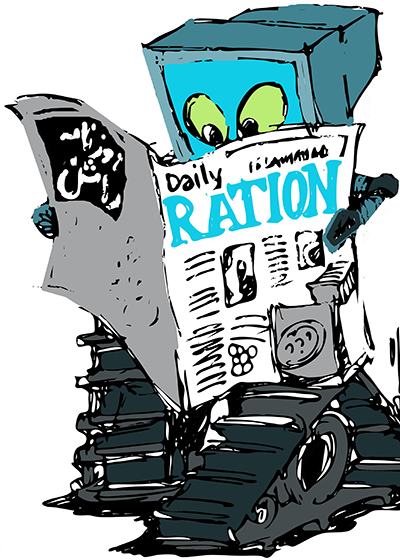
PHOTO: AI-generated; for illustrative purposes only.
Key Points
- AP announced 20 union-covered layoffs across its U.S. news operations.
- Reductions affected news, photography, investigations, business, sports and video teams.
- Staff cuts took place across 12 U.S. states.
- The News Media Guild criticized AP for increasing outsourcing while cutting domestic journalism jobs.
- AP described the move as part of organizational changes to adapt to digital shifts.
Key Questions & Answers
How many employees were laid off?
AP laid off 20 union-covered newsroom employees.
Which parts of the organization were affected?
The cuts affected news operations, photography, investigations, business reporting, sports and video teams across 12 states.
Why did AP say it made the cuts?
AP said the layoffs were part of broader organizational changes to adapt to shifts in the digital media landscape and evolving audience demands.
What is the News Media Guild's response?
The guild criticized AP for cutting journalism jobs while expanding outsourced production overseas, saying the reductions weaken core newsroom functions.
Ask AI: Understand this story your way
AI EnabledDig deeper, ask anything — get instant context, background, and clarity.
Disclaimer: This feature is powered by AI and is intended to help readers explore and understand news stories more easily. While we strive for accuracy, AI-generated responses may occasionally be incomplete or reflect limitations in the underlying model. This feature does not represent the editorial views of JournalismPakistan. For our full, verified reporting, please refer to the original article.