
Lawsuit against The Atlantic fuels press freedom concerns
JournalismPakistan.com | Published: 21 April 2026 | JP Global Monitoring
Join our WhatsApp channel
A defamation suit filed by former U.S. official Kash Patel against The Atlantic alleges false, damaging claims about his role in national security matters, prompting the publication to defend its reporting. Experts say such suits can chill reporting.Summary
WASHINGTON — A defamation lawsuit filed by former U.S. official Kash Patel against The Atlantic has intensified scrutiny over the legal pressures facing journalists and news organizations in the United States, raising broader concerns about press freedom and the use of litigation against media outlets.
The lawsuit, reported on April 20, centers on Patel's claims that an article published by The Atlantic contained false and damaging statements about his role in matters linked to national security. The publication has stood by its reporting, signaling a potential legal battle that could test the boundaries of journalistic protections and defamation law.
Legal experts say the case reflects a growing pattern of high-profile figures turning to courts to challenge investigative reporting. This trend has implications for newsroom practices and editorial risk assessment.
Legal clash highlights rising tensions between media and power
According to publicly available reporting, Patel’s complaint alleges reputational harm and seeks damages, arguing that the article misrepresented key facts. The Atlantic has not retracted the story and is expected to defend its reporting in court, potentially invoking First Amendment protections that safeguard press freedom in the U.S.
Defamation cases involving public figures are typically difficult to win under U.S. law, which requires plaintiffs to prove “actual malice”, that journalists knowingly published false information or acted with reckless disregard for the truth. However, even unsuccessful lawsuits can impose financial and operational strain on media organizations.
The case comes at a time when newsrooms globally are increasingly factoring legal risks into editorial decision-making, particularly for investigative reporting involving powerful individuals or sensitive national security issues.
Broader implications for investigative journalism
Media analysts note that such lawsuits can have a chilling effect, discouraging aggressive reporting even in jurisdictions with strong legal protections for the press. The financial burden of defending legal actions, regardless of outcome, can deter smaller outlets from pursuing complex investigations.
In the U.S., debates around “lawfare”, the strategic use of legal systems to challenge or intimidate journalists, have gained traction in recent years. While the courts often uphold press protections, the process itself can reshape newsroom strategies, including increased reliance on legal vetting and documentation.
The outcome of Patel’s case could influence how media organizations approach stories involving intelligence, national security, and political figures, particularly in an era of heightened polarization and scrutiny.
WHY THIS MATTERS: For Pakistani journalists, the case underscores how even in countries with strong constitutional protections, legal pressure can shape newsroom behavior. It highlights the importance of rigorous fact-checking, documentation, and legal preparedness when reporting on powerful figures. Pakistani media organizations, operating in a more constrained legal environment, may draw lessons on balancing investigative ambition with risk management.
ATTRIBUTION: Reporting by JournalismPakistan, based on a publicly available report by CNN (April 20, 2026).
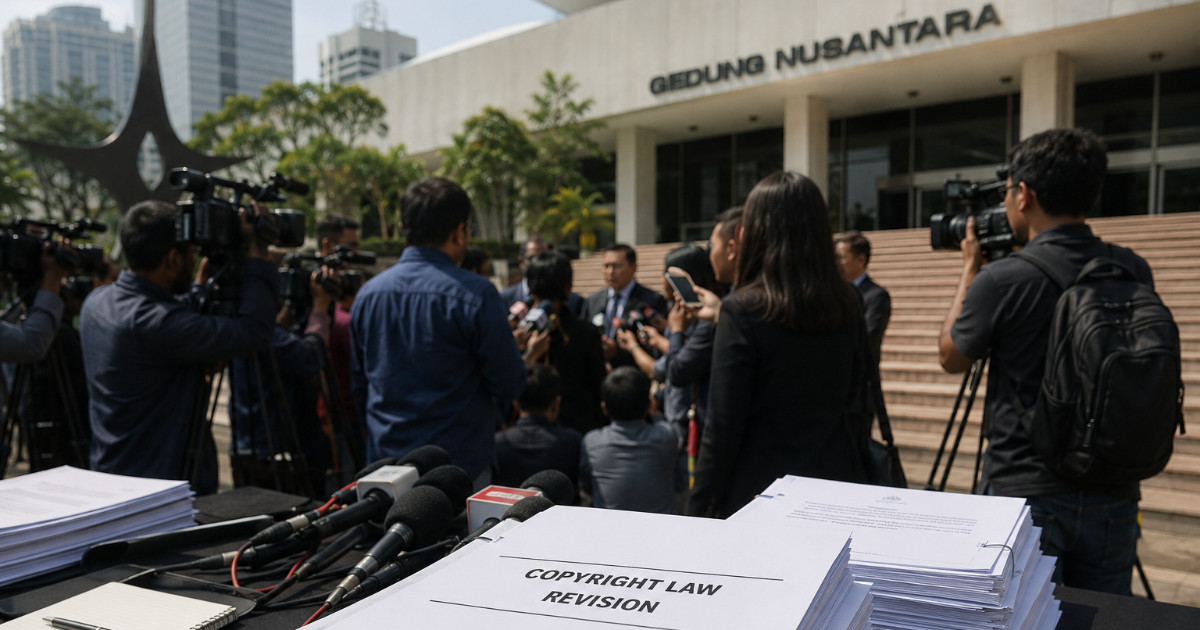
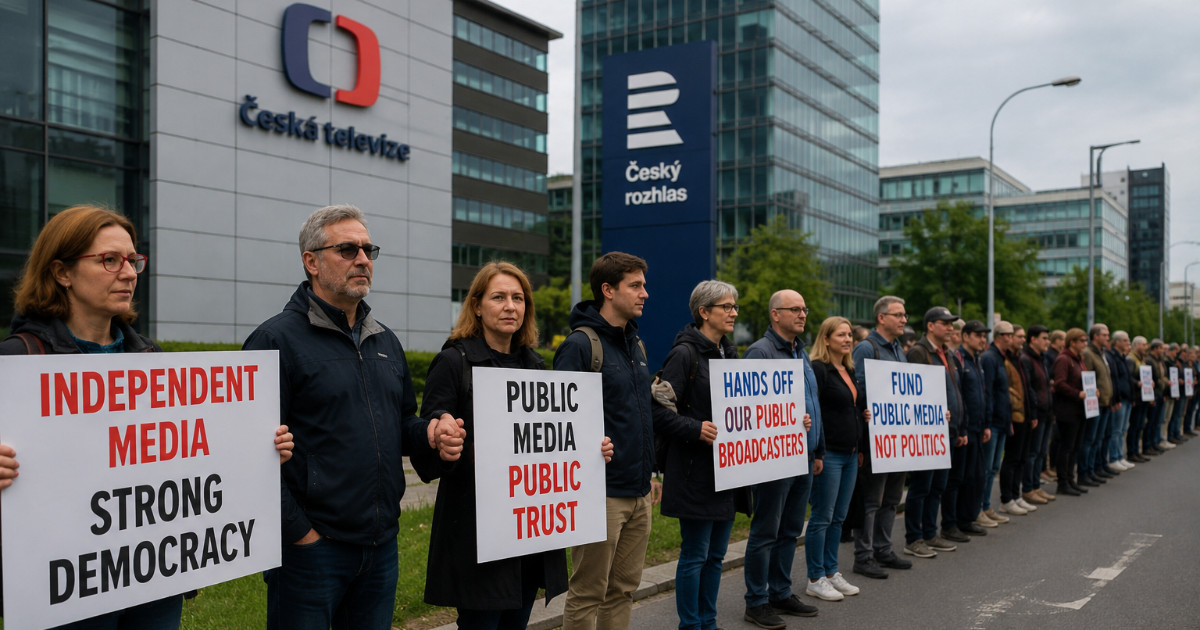
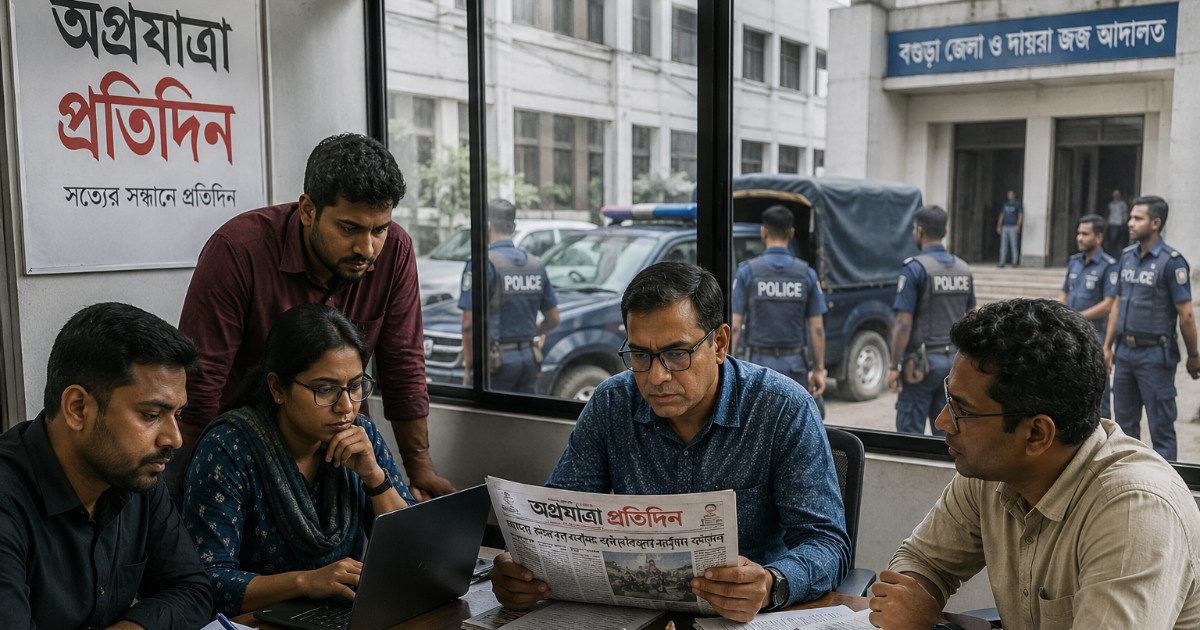
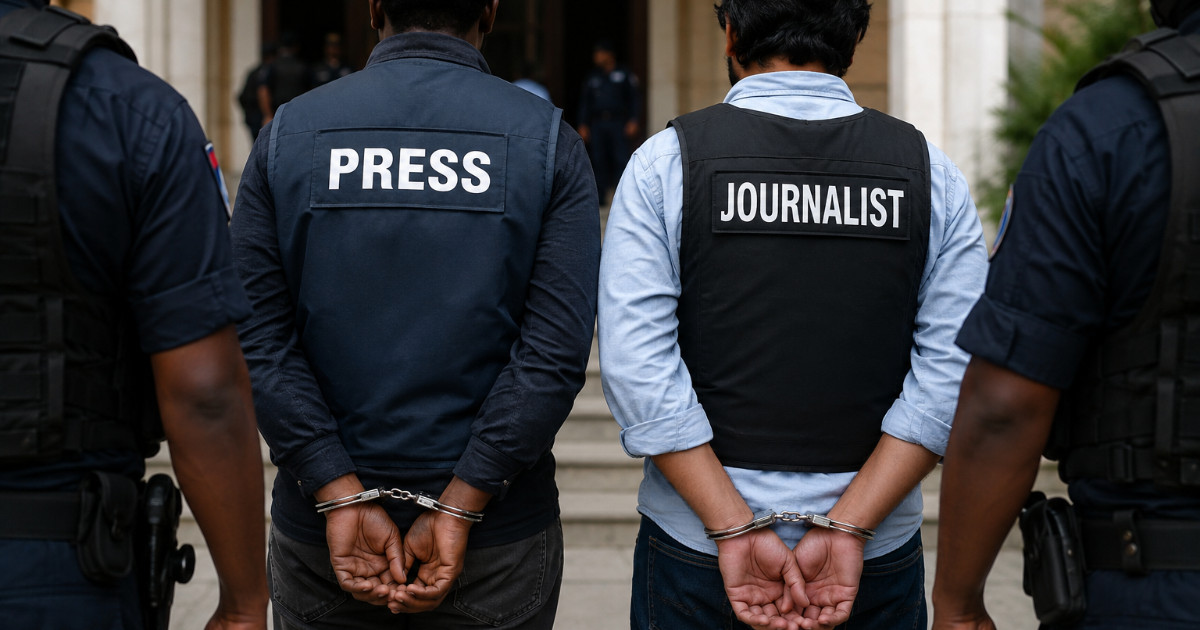
PHOTO: AI-generated; for illustrative purposes only.
Key Points
- Kash Patel filed a defamation lawsuit claiming an Atlantic article contained false and damaging statements about his national security role.
- The Atlantic has not retracted the story and plans to defend its reporting, invoking First Amendment protections.
- Defamation law requires public figures to prove actual malice, a high legal standard under U.S. law.
- Legal experts note a trend of high-profile figures using litigation to challenge investigative reporting.
- Even unsuccessful suits can impose financial and operational strains on newsrooms and affect editorial risk assessments.
Key Questions & Answers
What does the lawsuit allege?
The complaint claims an Atlantic article contained false, damaging statements about Kash Patel's role in national security matters and seeks damages for reputational harm.
How is The Atlantic responding?
The publication has stood by its reporting and is expected to defend the article, potentially invoking First Amendment protections in court.
What legal standard applies in defamation cases involving public figures?
Public figures must typically prove "actual malice," meaning the journalist knew the information was false or acted with reckless disregard for the truth.
Could this case affect press freedom more broadly?
Experts warn that increased use of litigation by high-profile figures can chill investigative journalism and strain newsroom resources even if cases fail.
Relevant Topics
Ask AI: Understand this story your way
AI EnabledDig deeper, ask anything — get instant context, background, and clarity.
Disclaimer: This feature is powered by AI and is intended to help readers explore and understand news stories more easily. While we strive for accuracy, AI-generated responses may occasionally be incomplete or reflect limitations in the underlying model. This feature does not represent the editorial views of JournalismPakistan. For our full, verified reporting, please refer to the original article.