
Indian news leaders push tech firms to fairly value journalism at AI summit
JournalismPakistan.com | Published: 18 February 2026 | JP Asia Desk
Join our WhatsApp channel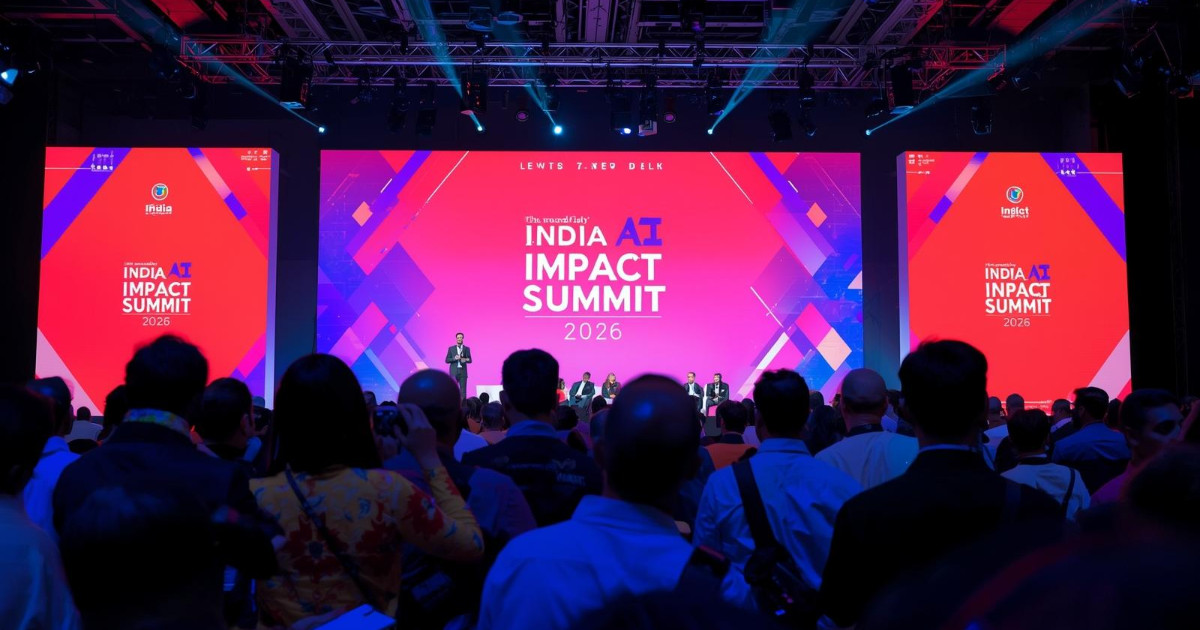
Senior Indian media executives at the India AI Summit urged AI firms to recognize and remunerate journalism as distinct digital content, warning that unregulated AI use of news could erode editorial accountability and the financial viability of newsrooms.Summary
NEW DELHI — Senior Indian media executives attending the India AI Impact Summit 2026 in New Delhi are urging artificial intelligence companies to recognize and remunerate journalism as a distinct and valuable form of digital content, warning that unregulated use of news material by AI systems could undermine editorial accountability and the economic sustainability of newsrooms. The summit, which brings together government officials, tech CEOs, and industry representatives, has become a focal point for debate over how journalism fits into the growing generative AI ecosystem.
In a high‑profile panel hosted by the Digital News Publishers Association (DNPA), media leaders outlined concerns that large AI models often treat news content as undifferentiated internet input, rewarding engagement rather than journalistic investment and depth. They said such practices risk hollowing out trusted reporting and weakening the financial underpinnings of quality journalism.
Media leaders urge fair compensation and accountability
At the Feb. 16 DNPA session on “AI and Media: Opportunities, Responsible Pathways, and the Road Ahead,” Kalli Purie, vice‑chairperson and executive editor‑in‑chief of the India Today Group, proposed a nine‑point charter calling for transparency, attribution, and fair compensation when AI systems use journalistic content. Purie said journalism should be recognized as a “public good” produced through significant editorial effort and not treated as free raw material.
Speakers from major publications such as The Hindu, Times of India, Amar Ujala, and Dainik Bhaskar joined the call for structured dialogue between technology platforms and news organizations to negotiate terms that reflect the true value of verified reporting. They also stressed that AI tools should assist rather than replace core newsroom functions, with clear mechanisms for accountability and trust.
Context of AI economic push and tech policy discussions
The media summit discussions are unfolding against a broader backdrop of intense focus on AI policy and infrastructure at the multi‑day event, which also features debates on AI safety, economic transformation, and computing capacity expansions. Indian officials announced plans to significantly scale GPU resources to support AI development and emphasised the role of AI in national competitiveness.
Critics of unregulated AI use in journalism have cited examples from other jurisdictions, including European and Australian models where regulation mandates labels for AI‑generated content or requires payment to publishers for content use, suggesting potential frameworks India might consider.
WHY THIS MATTERS: For Pakistani journalists and media organizations, the Indian summit’s focus on how generative AI intersects with journalism highlights a broader global trend confronting newsrooms worldwide. As AI adoption accelerates in South Asia, discussions around fair compensation, content attribution, and editorial accountability offer practical lessons for Pakistan’s media sector on protecting professional journalism amidst rising AI integration.
ATTRIBUTION: Reporting based on coverage of the India AI Impact Summit 2026 panels and statements by media leaders and organizers.
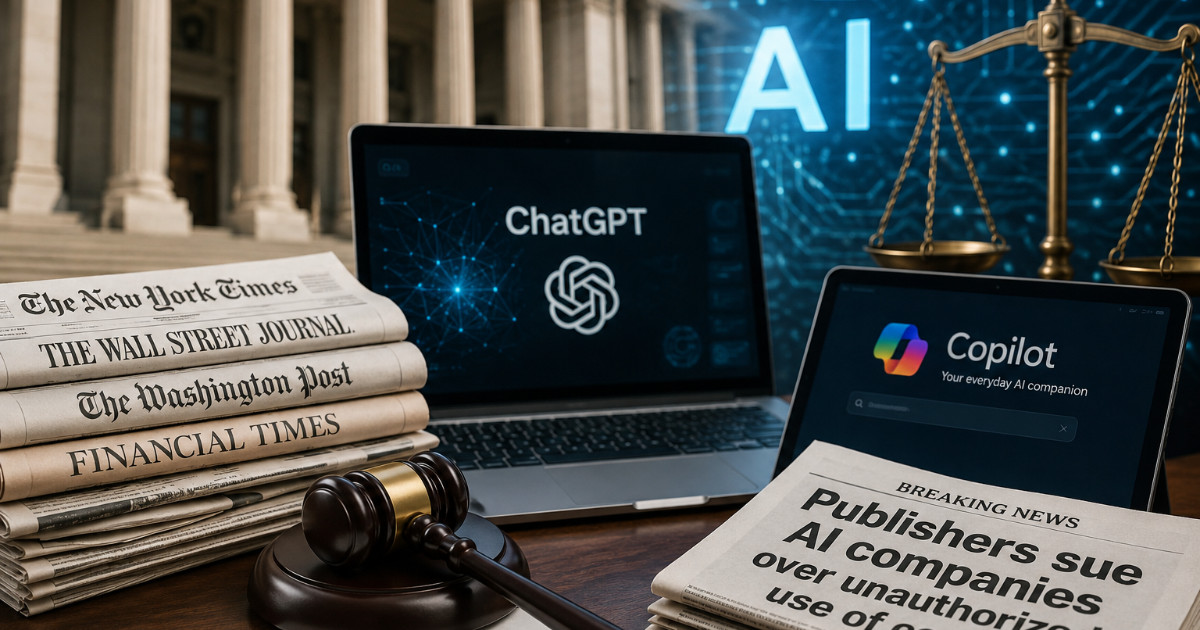
PHOTO: AI‑generated; for illustrative purposes only.
Key Points
- Media leaders argued that large AI models treat news as undifferentiated internet input, rewarding engagement over journalistic investment.
- Kalli Purie proposed a nine-point DNPA charter calling for transparency, attribution, and fair compensation for journalistic content.
- Speakers warned that unregulated AI use of news risks hollowing out trusted reporting and editorial accountability.
- The summit brought together government officials, tech CEOs, and industry representatives to debate standards and safeguards.
- Delegates called for recognizing journalism as a public good and developing remuneration mechanisms for AI use of news.
Key Questions & Answers
What did media leaders demand at the summit?
They urged AI firms to recognize journalism as distinct content and to ensure transparency, attribution, and fair compensation when news is used.
Who proposed the nine-point charter?
Kalli Purie, vice-chairperson and executive editor-in-chief of the India Today Group, proposed the charter at the DNPA session.
What risks did speakers highlight?
Speakers warned that unregulated AI use of news could erode editorial accountability and undermine the financial viability of newsrooms.
Who attended the India AI summit sessions?
The summit included government officials, tech CEOs, industry representatives, and publishers represented by the Digital News Publishers Association.
Ask AI: Understand this story your way
AI EnabledDig deeper, ask anything — get instant context, background, and clarity.
Disclaimer: This feature is powered by AI and is intended to help readers explore and understand news stories more easily. While we strive for accuracy, AI-generated responses may occasionally be incomplete or reflect limitations in the underlying model. This feature does not represent the editorial views of JournalismPakistan. For our full, verified reporting, please refer to the original article.