
Judge rebukes DOJ as it drops subpoenas against NYT reporters
JournalismPakistan.com | Published: 24 July 2026 | JP Global Monitoring
Join our WhatsApp channel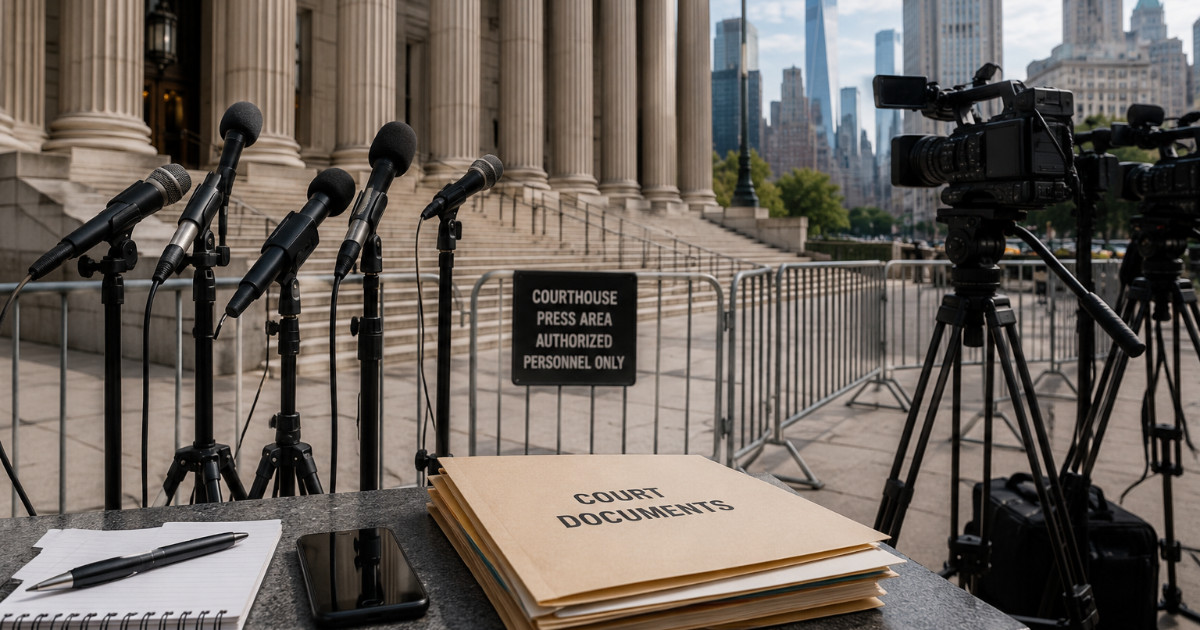
The Justice Department withdrew subpoenas for three New York Times reporters after U.S. District Judge Arun Subramanian criticized prosecutors for treating subpoenas as an investigative starting point rather than a last resort. He noted errors, including requests for relatives' phone records, and said sanctions could be considered.Summary
NEW YORK —The U.S. Justice Department withdrew subpoenas seeking to compel three New York Times reporters to testify about confidential sources after a federal judge sharply criticized prosecutors for failing to follow legal safeguards designed to protect journalists.
The decision came during a tense hearing before U.S. District Judge Arun Subramanian, who said the government had treated subpoenas as an investigative starting point rather than a measure of last resort, contrary to longstanding Justice Department regulations governing investigations involving the news media.
Judge questions government's handling of investigation
Subramanian said he would likely have granted the newspaper's request to quash the subpoenas had the government not voluntarily withdrawn them. He warned that the Justice Department appeared to have disregarded rules intended to balance criminal investigations with First Amendment protections for journalists.
The judge also suggested sanctions could have been considered in a civil case, describing the government's conduct as sufficiently serious to warrant scrutiny. Government lawyer Sean Buckley acknowledged several errors during the investigation, apologizing for subpoenas that mistakenly sought phone records belonging to one reporter's mother and spouses of journalists.
Buckley told the court the mistakes were inadvertent and resulted from investigators attempting to move quickly. The judge, however, responded that the errors were becoming increasingly difficult to dismiss as isolated incidents.
Phone records broaden concerns
The dispute extended beyond testimony subpoenas. The New York Times also challenged government efforts to obtain phone records covering a period beginning months before publication of the articles under investigation.
The newspaper argued that the unusually broad timeframe suggested investigators were attempting to identify journalists' confidential source networks beyond the specific stories cited in the grand jury investigation. Times lawyers also contended the Justice Department had failed to demonstrate that less intrusive investigative methods had been exhausted before targeting reporters.
Following the hearing, the Justice Department criticized the judge, saying his actions prevented prosecutors from presenting the full basis for their investigation. Officials maintained that identifying individuals responsible for leaking classified information remains a legitimate national security objective and said the investigation would continue despite the withdrawal of the subpoenas.
Leak investigation centers on Air Force One reporting
The case stems from New York Times reporting published in early July concerning the Trump administration's use of a Boeing aircraft donated by Qatar for presidential travel. The newspaper reported, citing anonymous sources, that security officials had recommended continuing to use an older Air Force One because the newly retrofitted aircraft lacked certain defensive capabilities.
President Donald Trump publicly rejected reports that security concerns influenced the decision.
During court proceedings, the Times argued that compelling journalists to reveal confidential sources would undermine established legal protections and discourage whistleblowers from providing information of public interest. The newspaper also said investigators had not adequately demonstrated that alternative sources of evidence had been exhausted before seeking testimony from reporters.
The hearing marked the latest in a series of cases in which the Justice Department has retreated after attempting to compel journalists to disclose confidential sources. Recent subpoenas involving reporters from The Washington Post and The Wall Street Journal were also withdrawn following legal challenges.
Media law specialists say the episode underscores the continuing tension between national security leak investigations and constitutional protections for press freedom. While federal law does not provide journalists with an absolute shield against subpoenas, Justice Department policies require prosecutors to use compulsory measures only after pursuing other reasonable investigative avenues.
WHY THIS MATTERS: The case reinforces the importance of newsroom source protection and judicial oversight when governments seek reporters' confidential information. It also illustrates how internal Justice Department policies, although not absolute legal shields, remain an important safeguard against unnecessary intrusion into journalistic newsgathering and may influence future leak investigations involving the media.
ATTRIBUTION: Reporting by JournalismPakistan, based on publicly available court proceedings and reporting by The Associated Press published on July 24, 2026.
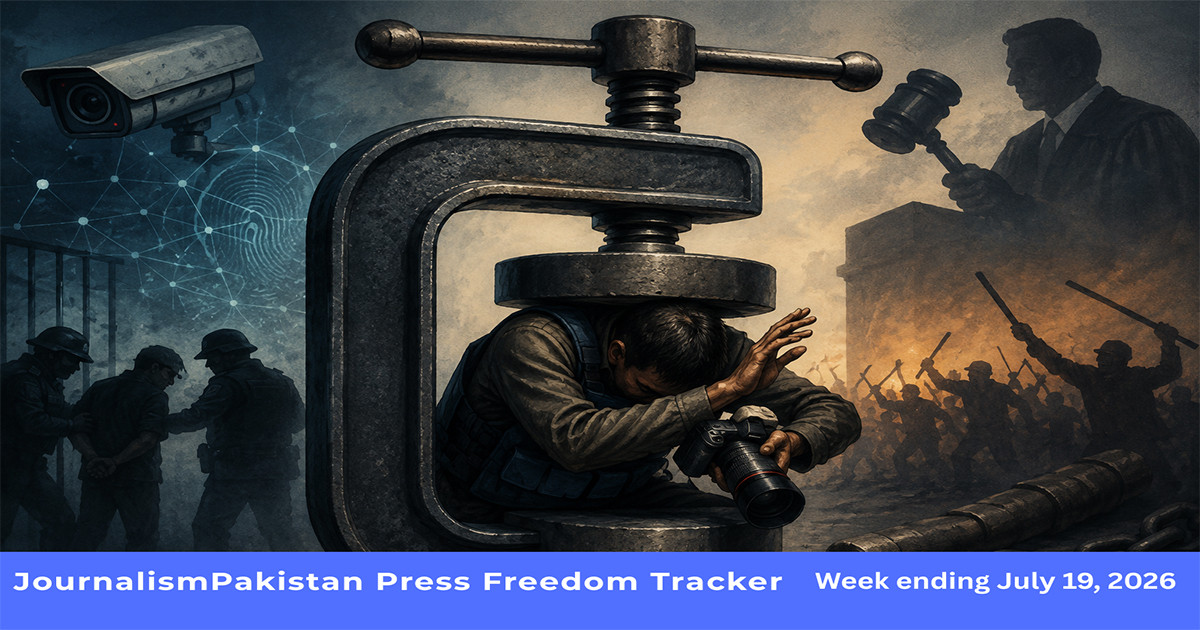
PHOTO: AI-generated; for illustrative purposes only.
Key Points
- The DOJ withdrew subpoenas seeking testimony from three New York Times reporters.
- Judge Arun Subramanian sharply criticized prosecutors for not treating subpoenas as a last resort.
- Government acknowledged errors, including requests for phone records of relatives and spouses.
- The judge said the conduct raised concerns about ignoring safeguards for journalists and mentioned possible sanctions.
- Prosecutors apologized and described the mistakes as inadvertent results of rushing the investigation.
Key Questions & Answers
Why did the Justice Department withdraw the subpoenas?
The DOJ withdrew the subpoenas after a federal judge criticized prosecutors for failing to follow rules meant to protect journalists and treating subpoenas as an investigative starting point rather than a last resort.
What mistakes did the government acknowledge?
Government lawyers acknowledged errors including mistakenly seeking phone records belonging to a reporter's mother and spouses of journalists, and said these were inadvertent.
What did the judge say about possible sanctions?
Judge Arun Subramanian suggested the government's conduct was serious enough that sanctions could be considered in a civil case, though none were ordered at the hearing.
How does this affect reporter protections?
The judge's rebuke highlighted the need to follow Justice Department safeguards that balance criminal investigations with First Amendment protections for journalists and their confidential sources.
Relevant Topics
Ask AI: Understand this story your way
AI EnabledDig deeper, ask anything — get instant context, background, and clarity.
Disclaimer: This feature is powered by AI and is intended to help readers explore and understand news stories more easily. While we strive for accuracy, AI-generated responses may occasionally be incomplete or reflect limitations in the underlying model. This feature does not represent the editorial views of JournalismPakistan. For our full, verified reporting, please refer to the original article.