
From regulation to resignations: Pakistan's media fault lines
JournalismPakistan.com | Published: 19 April 2026 | JP Staff Report
Join our WhatsApp channel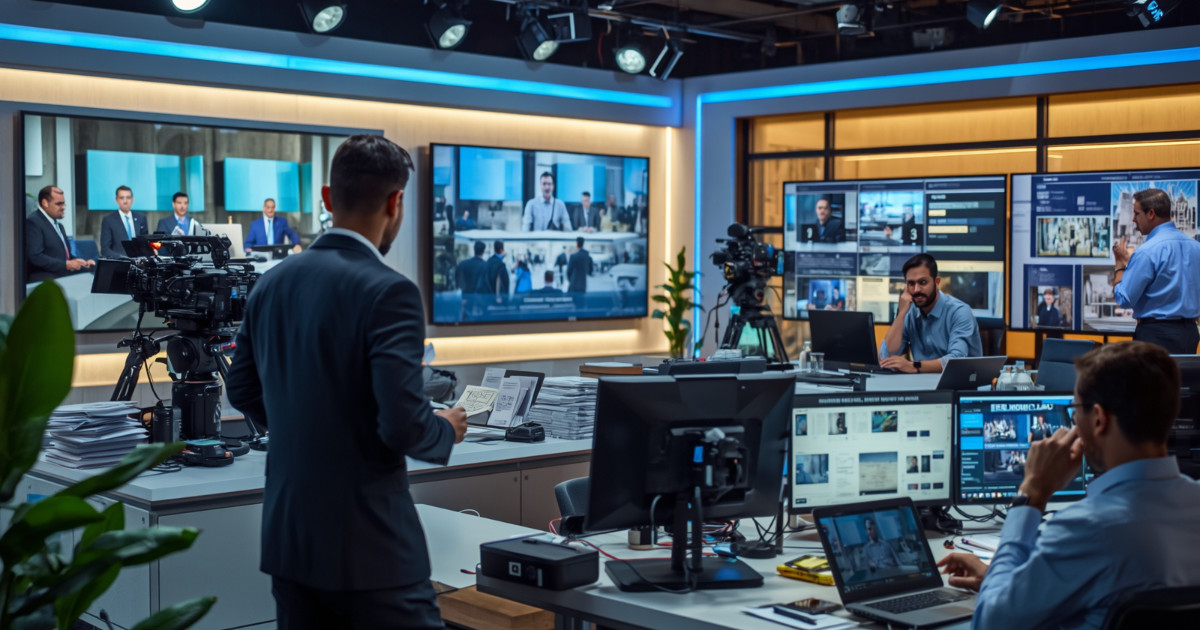
The week saw Pakistani journalists gain international roles while domestic outlets faced regulatory scrutiny and ownership shifts. IFJ and Nukta appointments, and ARY's stake purchase, signal digital consolidation and leadership turnover in the sector.Summary
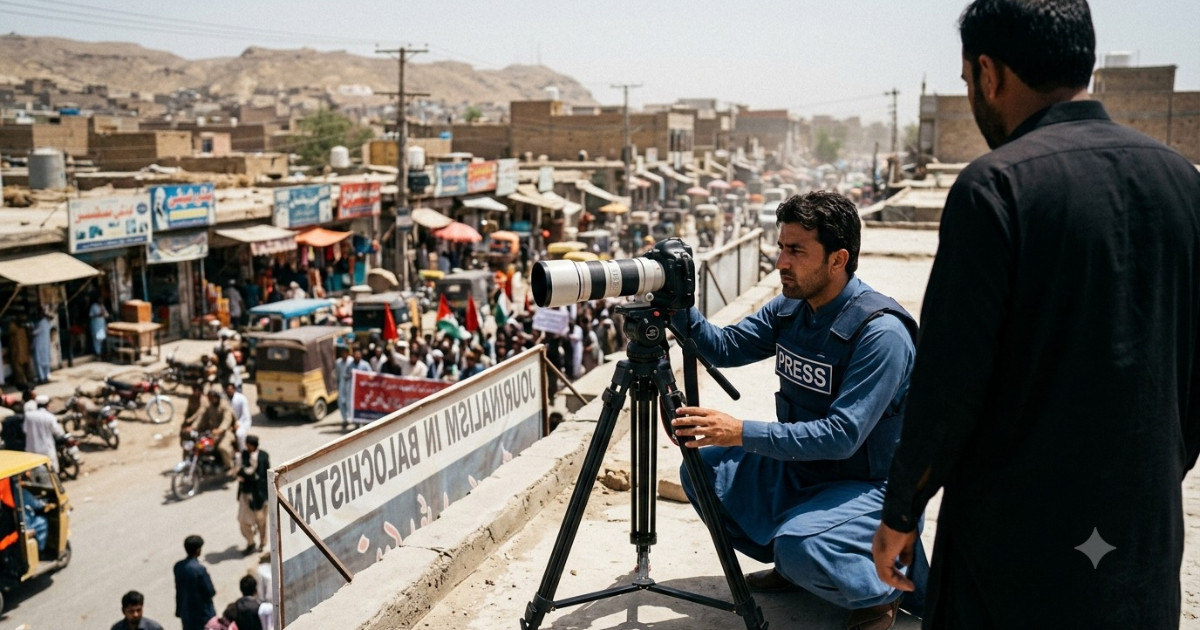
ISLAMABAD — Pakistan’s media sector experienced a defining week marked by international recognition, regulatory scrutiny, economic instability, and notable leadership transitions. The developments highlight a broader pattern of structural stress alongside gradual digital and institutional realignment across the industry.
Global recognition and leadership shifts
Pakistani journalist Javeria Siddique was elected Regional Gender Coordinator for Asia-Pacific on the International Federation of Journalists (IFJ) Gender Council for the 2026–2029 term. The appointment places her in a key regional position focused on addressing gender inequality and strengthening protections for journalists. Siddique, known for her work on parliament, defense, aviation, and human rights, now represents Pakistan in a broader international media governance framework. The development underscores growing recognition of Pakistani journalists in global professional bodies while highlighting continued emphasis on gender equity in media leadership.
Digital expansion and newsroom realignment
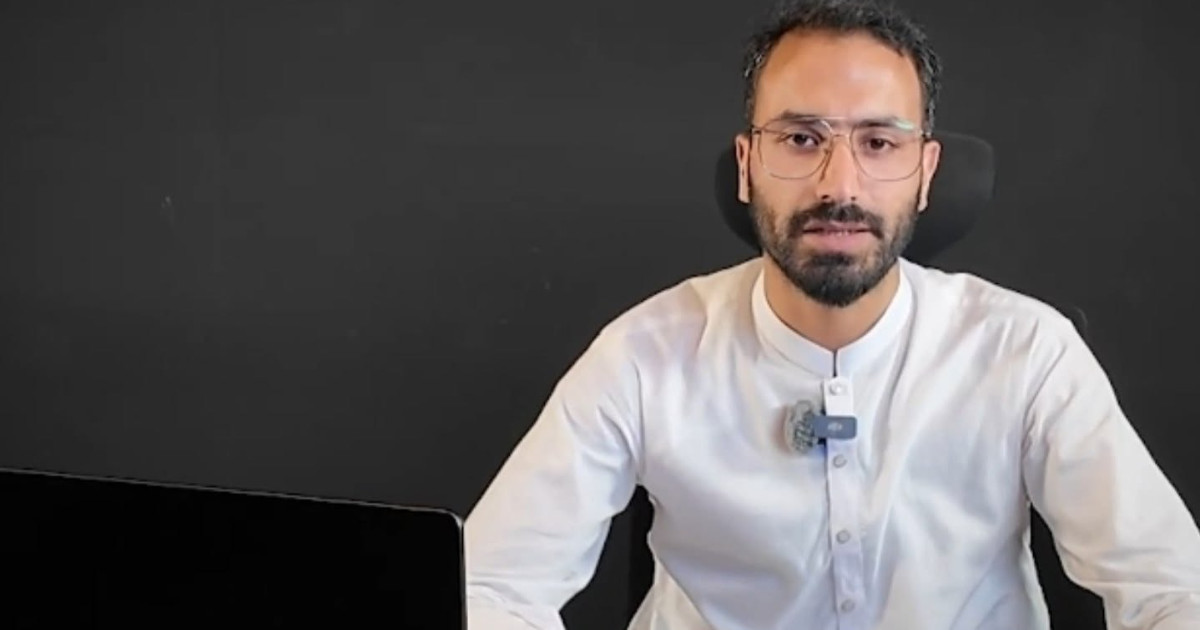
In another significant shift, Jahanzaib Haque was appointed chief editor of digital platform Nukta following ARY Digital Network’s acquisition of a majority stake in the outlet. Haque’s appointment reflects the accelerating convergence between traditional broadcast networks and emerging digital-first platforms. Nukta’s reported growth in audience engagement and its integration into ARY’s broader ecosystem signal continued consolidation in Pakistan’s evolving digital media space, where scalability and cross-platform reach are becoming central strategic priorities.
Regulatory pressure and institutional scrutiny
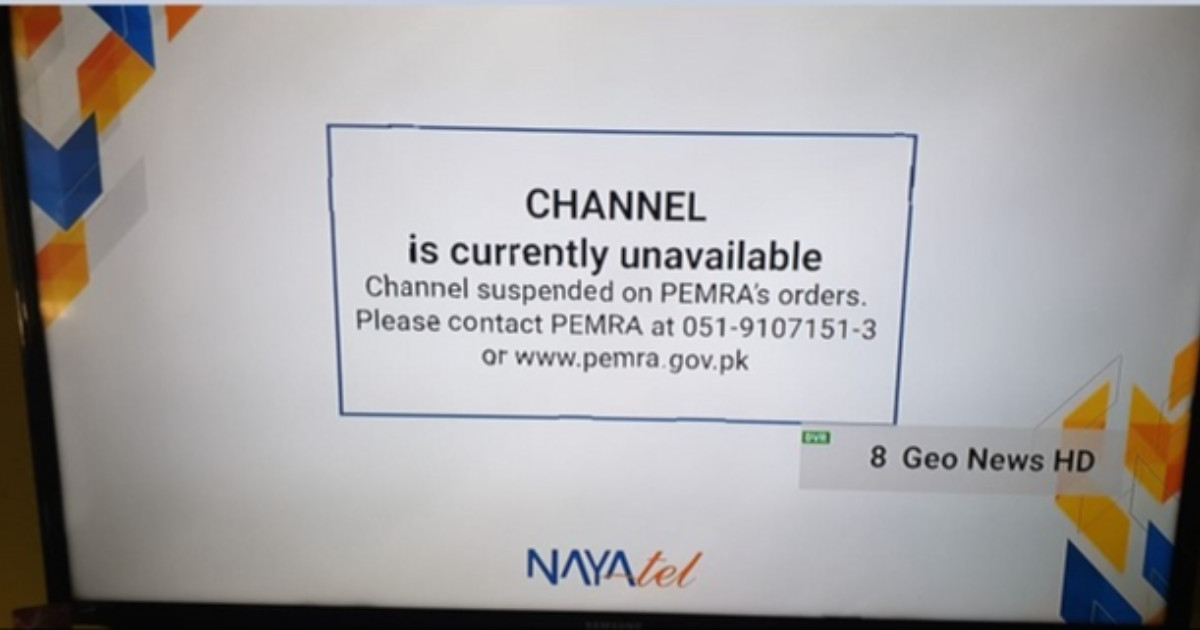
The Pakistan Electronic Media Regulatory Authority (PEMRA) issued a show-cause notice to Geo News over its coverage of Indian playback singer Asha Bhosle, citing alleged violations related to the airing of Indian content. The notice referenced Supreme Court directives restricting such broadcasts and accused the channel of defying regulatory guidelines. The incident has reignited debate over editorial autonomy, cultural coverage boundaries, and the consistency of enforcement in broadcast regulation.
Political commentary on media infrastructure conditions
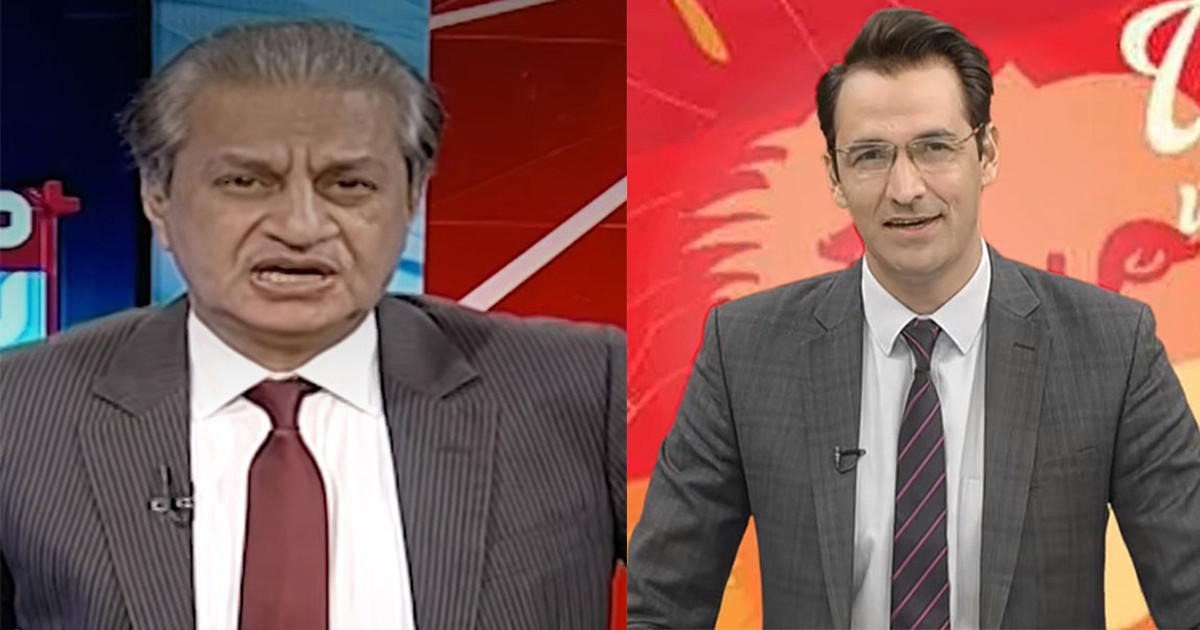
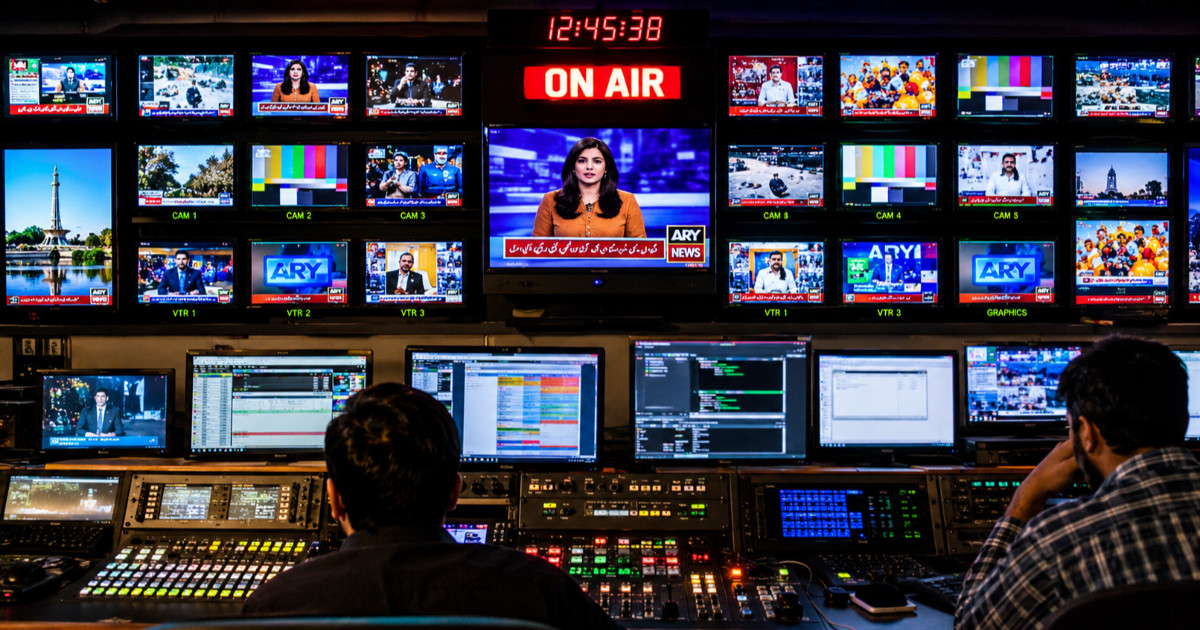
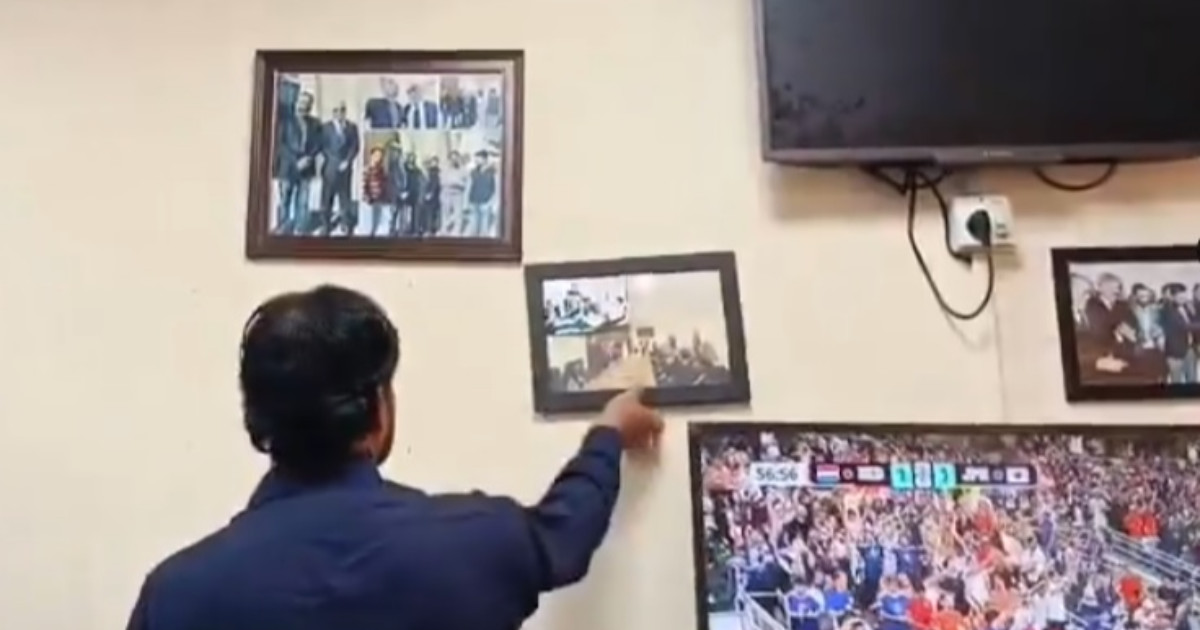
Separately, Defence Minister Khawaja Muhammad Asif commented on the working environment of major television channels, pointing to outdated studio facilities and infrastructural shortcomings. His remarks drew attention to the contrast between modern broadcast output and aging production environments, raising broader questions about investment gaps and sustainability in traditional media operations.
Industry crisis and economic pressure
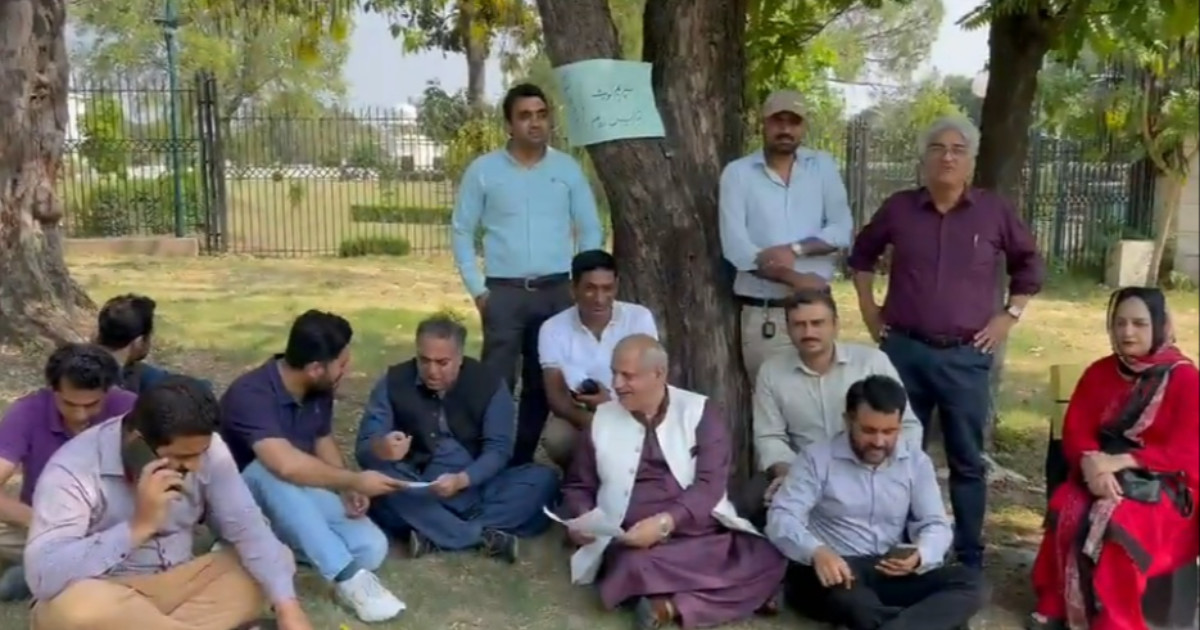
A situational analysis by the Rawalpindi-Islamabad Union of Journalists (RIUJ) painted a concerning picture of Pakistan’s media economy, citing forced terminations, delayed salaries, and weakening employment protections. The report noted widespread downsizing across television, print, and digital outlets, with journalists and technical staff among the most affected. The findings reflect ongoing financial pressure within media houses and a continued contraction of newsroom capacity amid broader economic constraints.
Ethics, controversies, and journalist transitions
A segment aired on 24 News featuring television host Fiza Ali sparked debate over broadcast ethics after a viral clip showed an unexpected on-air interaction involving her husband. Senior journalist Ansar Abbasi called for legal action, while the incident divided public opinion between those viewing it as harmless entertainment and others raising concerns about broadcast standards. The episode highlights ongoing tensions between entertainment content and editorial responsibility in television programming.
Jameel Farooqui clarifies attack details amid misinformation
Broadcast journalist Jameel Farooqui confirmed he had been discharged from the hospital following reports of a violent attack and clarified that the incident occurred in Islamabad, not Sargodha, as initially circulated on social media. He urged caution over unverified claims and warned against speculation, pointing to broader concerns about misinformation and rapid amplification of unverified reports online in high-profile cases involving journalists.
Iqrar ul Hassan resigns from broadcasting for a political movement
Senior investigative journalist Iqrar ul Hassan announced his resignation from ARY News after more than two decades in broadcasting to join a political movement. His departure marks another high-profile example of journalists transitioning from media to political engagement, reflecting a growing trend in Pakistan’s media landscape where public-facing media figures increasingly move into political roles.
WHY THIS MATTERS: These developments collectively illustrate a media industry operating under simultaneous pressure and transformation. Regulatory actions and political commentary continue to shape editorial boundaries, while economic constraints are reshaping newsroom structures and employment stability. At the same time, digital expansion and consolidation indicate a gradual restructuring of the media ecosystem rather than simple decline. The rise of Pakistani journalists in international forums adds a counterpoint of global recognition, even as domestic challenges persist. Taken together, the week reflects an industry balancing between institutional strain, evolving business models, and shifting professional identities.
ATTRIBUTION: Compiled and analyzed based on JournalismPakistan reporting and published media developments during the week.
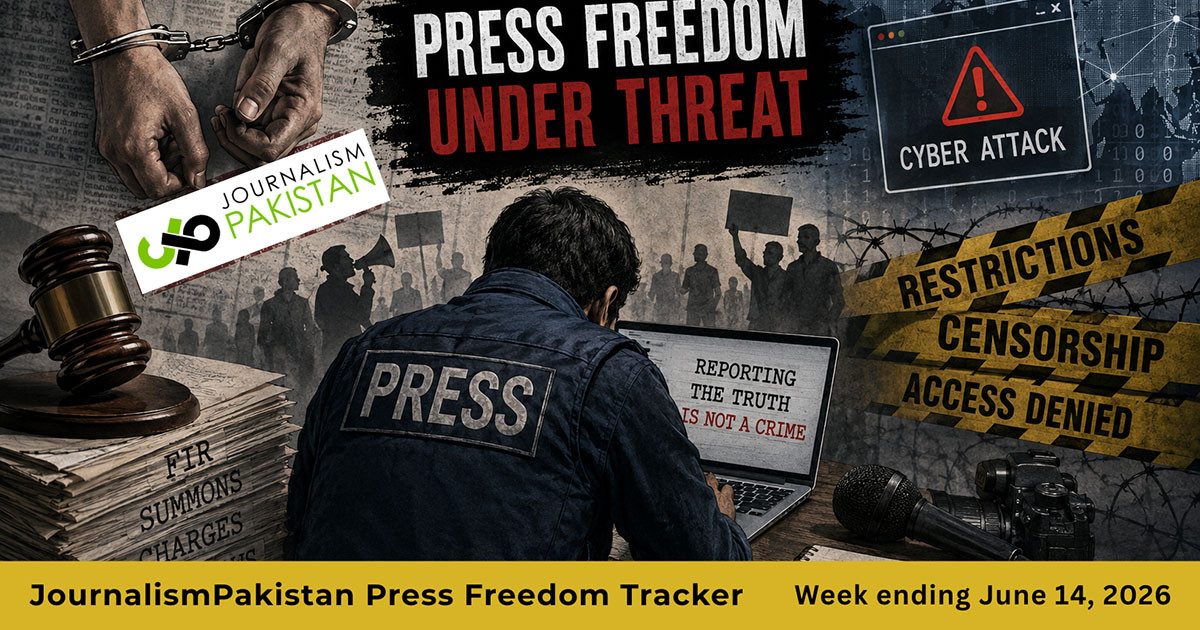
PHOTO: AI-generated; for illustrative purposes
Key Points
- Javeria Siddique elected Regional Gender Coordinator for Asia-Pacific on the IFJ Gender Council for 2026-2029.
- Siddique's role focuses on addressing gender inequality and strengthening protections for journalists.
- ARY Digital Network acquired a majority stake in Nukta and appointed Jahanzaib Haque as chief editor of its digital platform.
- Nukta's audience growth and integration into ARY's ecosystem reflect consolidation between broadcast networks and digital outlets.
- The sector is experiencing regulatory scrutiny, economic instability and notable leadership transitions.
Key Questions & Answers
Who is Javeria Siddique and what role was she appointed to?
Javeria Siddique was elected Regional Gender Coordinator for Asia-Pacific on the IFJ Gender Council for 2026-2029; she will work on gender equality and journalist protections.
What change occurred at Nukta?
ARY Digital Network acquired a majority stake in Nukta and appointed Jahanzaib Haque as chief editor of its digital platform; the move reflects consolidation with broadcast networks.
What do these developments indicate for Pakistan's media industry?
The events highlight digital expansion and newsroom realignment alongside regulatory scrutiny and leadership turnover across the sector.
Relevant Topics
Ask AI: Understand this story your way
AI EnabledDig deeper, ask anything — get instant context, background, and clarity.
Disclaimer: This feature is powered by AI and is intended to help readers explore and understand news stories more easily. While we strive for accuracy, AI-generated responses may occasionally be incomplete or reflect limitations in the underlying model. This feature does not represent the editorial views of JournalismPakistan. For our full, verified reporting, please refer to the original article.