
Khawaja Asif flags poor infrastructure in TV channels
JournalismPakistan.com | Published: 16 April 2026 | JP Staff Report
Join our WhatsApp channel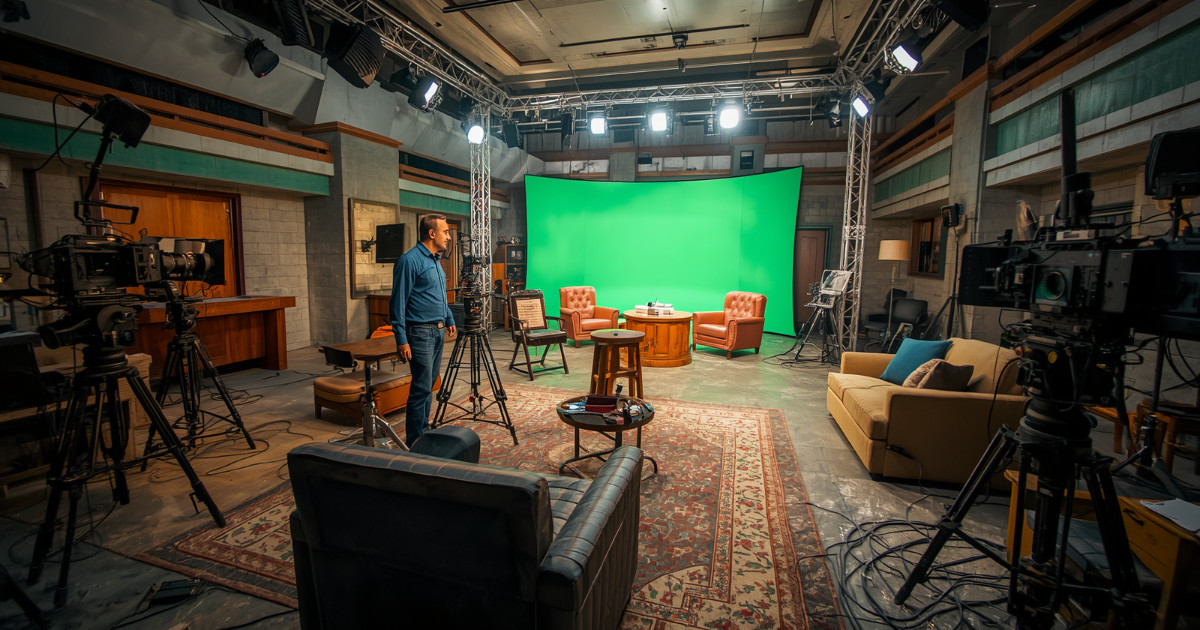
Khawaja Asif said he saw outdated studios, worn furniture and poorly maintained access areas during a visit to an older TV channel. He reported delayed salaries at legacy broadcasters and questioned PEMRA's use of mandated public service airtime.Summary
ISLAMABAD — Defence Minister Khawaja Muhammad Asif has drawn attention to the working conditions of Pakistan’s major television channels, describing outdated studio infrastructure, financial difficulties, and concerns over the use of mandated public service airtime.
Observations from the studio visit
In a post on X, the minister said he recently visited a television program recording at one of the country’s older channels and was struck by what he described as deteriorating conditions. He claimed that while television screens project polished and modern visuals, some studio environments resemble decades-old facilities with worn furniture and limited maintenance. He also commented on access areas such as stairways and lifts, suggesting that parts of the infrastructure appeared poorly maintained.
Concerns over salaries and legacy media stress
The defence minister further stated that many employees at long-established media houses were facing delayed salary payments. He linked these financial constraints to broader challenges within legacy broadcast organizations, but did not name specific channels or provide documentary evidence in his post.
اگر آپ کبھی ھمارے تین سب سے پرانے tv چینلز کے سٹوڈیوز میں جانے کا اتفاق ھو تو آپ کو یہ اندازہ ھو گا tv screen پہ نظر آنے والے خوبصورت نظر آنے والے سٹوڈیوز حقیقیت میں 25سال پرانے ٹوٹے ھوۓ فرنیچر کے گودام ھوتے ھیں۔ پچھلے ھفتے ایک نہا یت موقر اور respected show میں ریکارڈنگ کے لئے…
— Khawaja M. Asif (@KhawajaMAsif) April 16, 2026
Call for review of PEMRA public service airtime
He also raised questions over the use of allocated public service airtime, referring to regulatory requirements that mandate television channels to broadcast social messages for a set duration. He urged the Pakistan Electronic Media Regulatory Authority (PEMRA) to examine how these airtime slots are being used and whether they are fulfilling their intended purpose.
The remarks have not yet received formal responses from television channels referenced in general terms, and the claims made in the post have not been independently verified. The comments are likely to draw attention within Pakistan’s media industry, where financial pressure, delayed salaries, and infrastructure challenges have been recurring concerns.
WHY THIS MATTERS: The remarks add to ongoing scrutiny of Pakistan’s broadcast sector, where financial strain and operational challenges have increasingly affected newsroom stability. For journalists and media workers, such public statements from a senior government official may intensify debate over transparency in media ownership, workplace conditions, and regulatory enforcement. It also highlights the need for clearer standards in how public service obligations are implemented by broadcasters.
PHOTO: AI-generated; for illustrative purposes only.
Key Points
- Minister visited an older TV channel and noted deteriorating studio conditions.
- He described worn furniture and poorly maintained access areas such as stairways and lifts.
- The minister raised concerns over delayed salary payments at long-established media houses.
- No specific channels were named and no documentary evidence was provided in his post.
- He questioned the use of PEMRA‑mandated public service airtime and called for review.
Key Questions & Answers
What did Khawaja Asif observe during the studio visit?
He reported outdated studios, worn furniture and poorly maintained access areas at an older TV channel.
Did he identify specific channels in his statements?
No, he did not name any particular channels nor provide documentary evidence in his post.
What financial issues did he highlight?
He said many employees at long-established broadcasters were facing delayed salary payments.
What did he say about PEMRA public service airtime?
He questioned how PEMRA‑mandated public service airtime is being used and called for a review.
Relevant Topics
Ask AI: Understand this story your way
AI EnabledDig deeper, ask anything — get instant context, background, and clarity.
Disclaimer: This feature is powered by AI and is intended to help readers explore and understand news stories more easily. While we strive for accuracy, AI-generated responses may occasionally be incomplete or reflect limitations in the underlying model. This feature does not represent the editorial views of JournalismPakistan. For our full, verified reporting, please refer to the original article.