.png)
Five ethical dilemmas AI presents for editors
JournalismPakistan.com | Published: 21 February 2026 | JP Special Report
Join our WhatsApp channel
Newsrooms are rapidly integrating AI across reporting, editing and distribution, prompting editors to weigh speed against accuracy and set safeguards. Key concerns include hallucinations, biased outputs, disclosure and accountability for AI-produced content.Summary
ISLAMABAD — Newsrooms worldwide are accelerating their use of artificial intelligence tools for reporting, editing, translation, audience analytics, and content distribution, raising urgent ethical questions for editors responsible for accuracy and public trust. From generative text systems to automated image and video production, AI technologies are now embedded in daily editorial workflows across global media organizations.
Recent guidance from industry bodies such as the Reuters Institute for the Study of Journalism and the International Federation of Journalists underscores both the potential efficiencies of AI and the risks of misinformation, bias, and diminished accountability. Editors are increasingly expected to set internal standards that balance innovation with ethical safeguards.
Accuracy versus automation
One of the most immediate dilemmas is the tension between speed and accuracy. Generative AI systems can draft summaries, headlines, and even full articles in seconds, but documented cases of “hallucinations”, false or fabricated information presented as fact, have prompted warnings from media experts and newsroom leaders.
Organizations, including The Associated Press, have published internal AI policies emphasizing human oversight, particularly for fact-checking and verification. Editors must decide when AI-generated material is appropriate and how to disclose its use without undermining credibility. The ethical challenge lies in ensuring that automation enhances journalism rather than erodes its reliability.
Transparency and disclosure
Another key issue is transparency. Audiences increasingly want to know whether a story, photo, or video was created or assisted by AI. Several international outlets have adopted labeling practices for AI-generated visuals and automated content, reflecting broader calls for disclosure.
The European Broadcasting Union has encouraged member organizations to adopt clear editorial guidelines on AI use, including transparent communication with audiences. Editors face a practical dilemma: how much detail about AI involvement is necessary, and at what point does disclosure become either insufficient or overly technical for readers?
Bias and fairness
AI systems are trained on vast datasets that may contain embedded social, cultural, or political biases. Editors must assess whether AI tools reproduce or amplify these biases in story framing, language selection, or image generation.
UNESCO has warned that algorithmic systems can entrench discrimination if not carefully audited. For editors, this means implementing review mechanisms that evaluate outputs for fairness and inclusivity. The dilemma is not only technical but editorial: who is accountable when biased content originates from a machine-learning system?
Intellectual property and content ownership
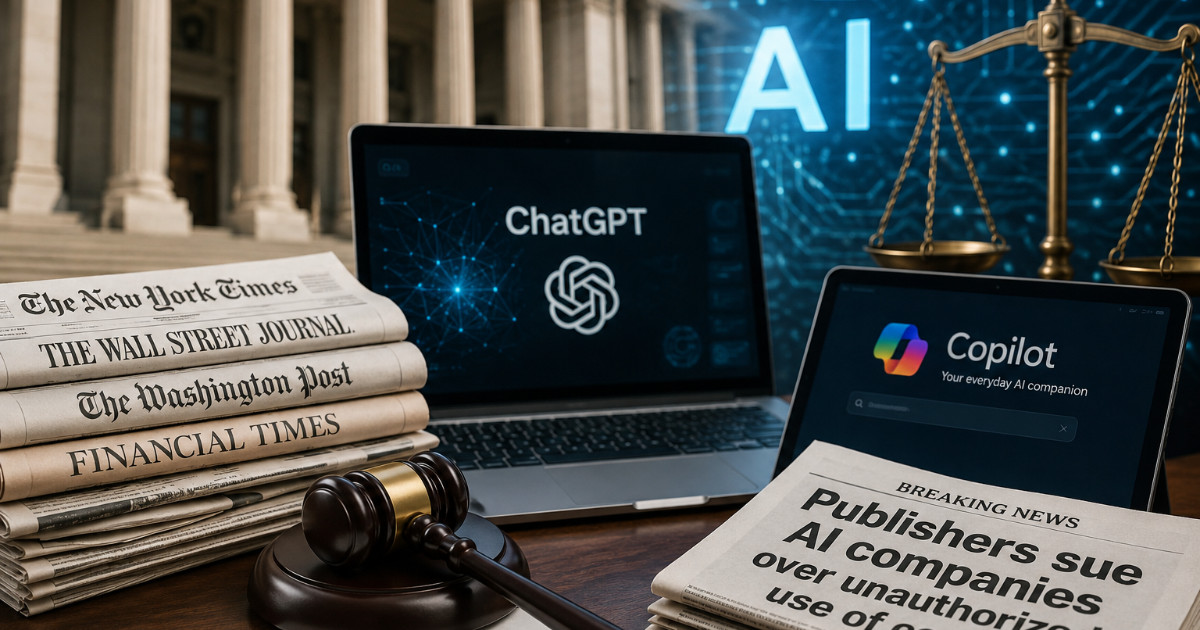
Generative AI models are trained on large volumes of online material, including copyrighted journalism. Media companies have raised concerns about unauthorized use of their content in training datasets. In 2023, The New York Times filed a lawsuit against OpenAI and Microsoft alleging copyright infringement, a case that remains ongoing in US courts.
Editors must consider whether using AI tools could indirectly rely on content that was scraped without permission. The broader ethical question is how to protect newsroom intellectual property while engaging with emerging technologies that draw on aggregated public data.
Jobs, skills, and newsroom culture
AI adoption also raises concerns about workforce displacement and changing newsroom roles. While many media leaders frame AI as a tool to augment journalists rather than replace them, unions and professional bodies have called for safeguards to protect editorial independence and employment standards.
The International Federation of Journalists has urged collective bargaining agreements that address AI integration, emphasizing that editorial decisions must remain under human control. Editors are tasked with navigating staff anxieties, retraining needs, and the long-term cultural impact of automation in newsrooms.
WHY THIS MATTERS: For Pakistani journalists and media organizations, these dilemmas highlight the need to develop clear AI policies before large-scale adoption. As Pakistani newsrooms experiment with automation for translation, social media optimization, and content production, establishing transparency, fact-checking protocols, and intellectual property safeguards will be critical to maintaining credibility in a competitive and polarized media environment.
ATTRIBUTION: This article draws on publicly available policy documents, statements, and reports from the Reuters Institute for the Study of Journalism, the International Federation of Journalists, UNESCO, the European Broadcasting Union, and court filings related to The New York Times lawsuit against OpenAI and Microsoft.
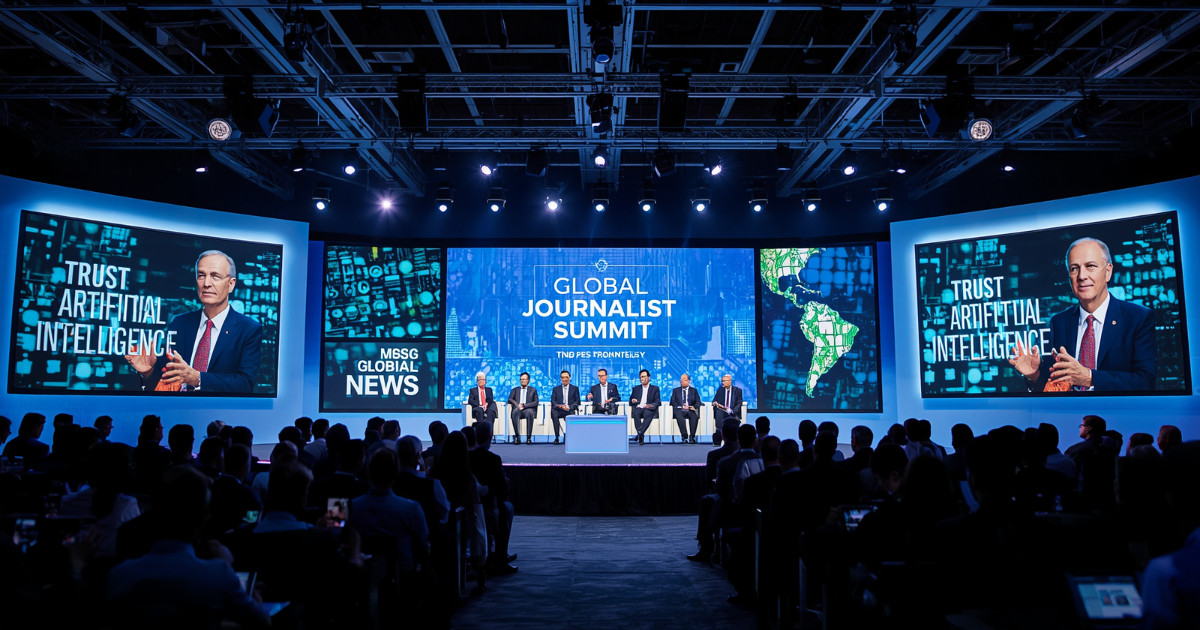
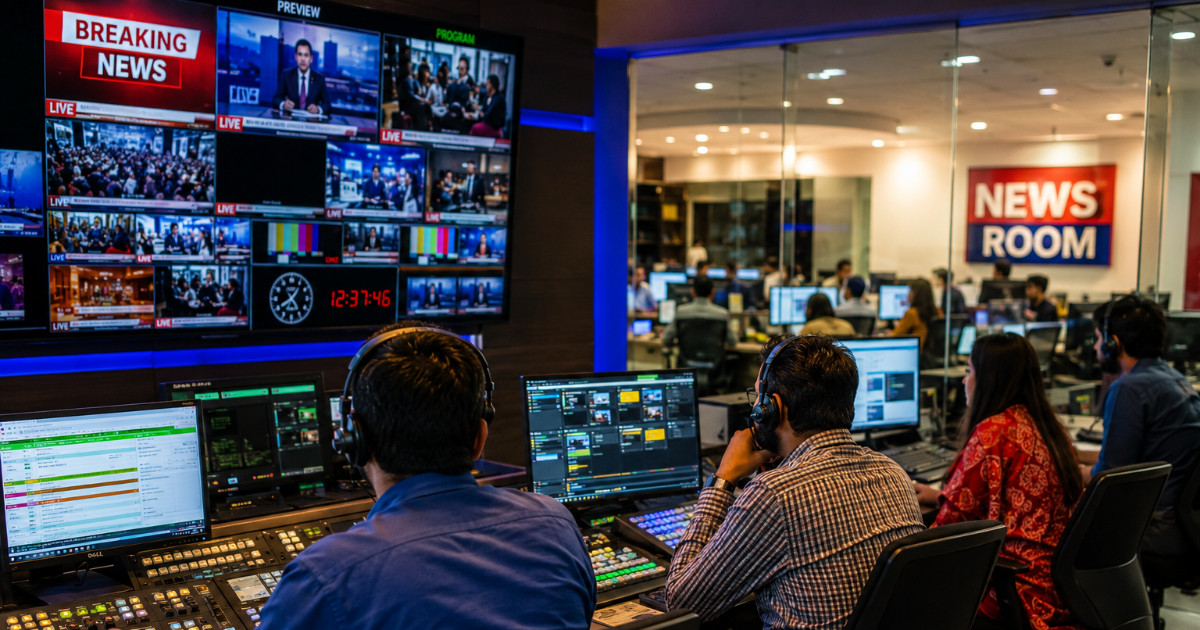
PHOTO: AI-generated; for illustrative purposes only.
Key Points
- Speed versus accuracy: AI accelerates drafting but can produce hallucinations; editors must verify and correct outputs.
- Transparency and disclosure: Newsrooms must decide when and how to label AI-assisted reporting to maintain trust.
- Bias and fairness: AI can replicate systemic biases; routine audits and diverse data checks are needed.
- Accountability and bylines: Editorial responsibility must be clarified when content is AI-generated.
- Verification of images and video: Automated media raises risks of deepfakes; provenance and forensic checks are essential.
Key Questions & Answers
Should editors disclose the use of AI in stories?
Yes; clear disclosure helps maintain trust and should state what parts of reporting or production involved AI.
Can AI replace human fact-checkers?
No; AI can assist with research and flagging issues, but humans must verify facts and correct errors.
How can newsrooms reduce bias in AI outputs?
Use diverse training data, conduct regular bias audits and apply human editorial review to spot and fix biased results.
Who is accountable for mistakes in AI-generated content?
The publisher and responsible editors remain accountable; establish review processes, correction policies and clear attribution rules.
Relevant Topics
Ask AI: Understand this story your way
AI EnabledDig deeper, ask anything — get instant context, background, and clarity.
Disclaimer: This feature is powered by AI and is intended to help readers explore and understand news stories more easily. While we strive for accuracy, AI-generated responses may occasionally be incomplete or reflect limitations in the underlying model. This feature does not represent the editorial views of JournalismPakistan. For our full, verified reporting, please refer to the original article.