.jpg)
AP internal AI remarks spark newsroom dispute
JournalismPakistan.com | Published: 4 March 2026 | JP Global Monitoring
Join our WhatsApp channel
Internal messages from AP product manager Aimee Rinehart saying many editors favor AI-written articles have prompted debate among staff. Reporters worry about diminished editorial standards and the implications for journalists' roles if AI drafts become routine.Summary
PLAINVILLE, CONNECTICUT — Internal messages from an executive at The Associated Press suggesting that many editors would prefer AI-generated articles over human-written copy have ignited debate within one of the world’s largest news organizations, raising questions about editorial standards and the future role of journalists in newsrooms.
The comments, shared with media outlet Semafor, reflect deep divisions among reporters and editors over how artificial intelligence should be applied in journalism.
Supporters see AI as a newsroom tool
In the internal threads, AP senior product manager for AI Aimee Rinehart wrote that some editors told her they would “prefer to have reporters report and have articles at least pre-written by AI,” and added that “there are many — and I mean MANY — editors who would prefer an AI-written article to a human-written one.” Rinehart outlined a possible workflow in which reporters gather quotes and feed them into a large language model, which then generates the draft, a process she said could save time on routine reporting.
Journalists voice alarm over AI preference
But the remarks alarmed several AP journalists. One staffer described what they saw as “dismissiveness and disdain” toward human writing as “insulting and abhorrent,” saying strong reporting and clear writing are “the lifeblood of journalism, not AI-written slop.” Another said it felt as though those guiding AI decisions lived in a different reality than the reporters doing the work.
AP emphasizes balanced AI use
In response to inquiries, AP told Semafor that the internal discussion does not reflect the organization’s overall position on AI use. The wire service said it has been an industry leader in setting AI standards that safeguard journalists’ roles while allowing the technology for tasks such as language translation, summarization, transcription, and content tagging.
Broader industry tensions over AI
The AP exchange highlights a broader debate across global media about how to govern AI use in news production. Some newsrooms have experimented with automating draft creation, as seen in efforts by other outlets to use AI tools based on reporter notes, but these moves have prompted pushback from journalists concerned about editorial quality, job security, and trust. Research shows that AI use in American newsrooms is growing but often goes undisclosed, fueling calls for clear policies on transparency and human oversight.
WHY THIS MATTERS: For Pakistani media professionals, the AP debate underscores the urgency of establishing newsroom policies on AI use before automation becomes widespread. Clarity on transparency, editorial standards, and the distinction between AI assistance and replacement can help local newsrooms maintain credibility while responsibly exploring new technologies.
ATTRIBUTION: This story is based on reporting by Semafor and other publicly available, verifiable sources.
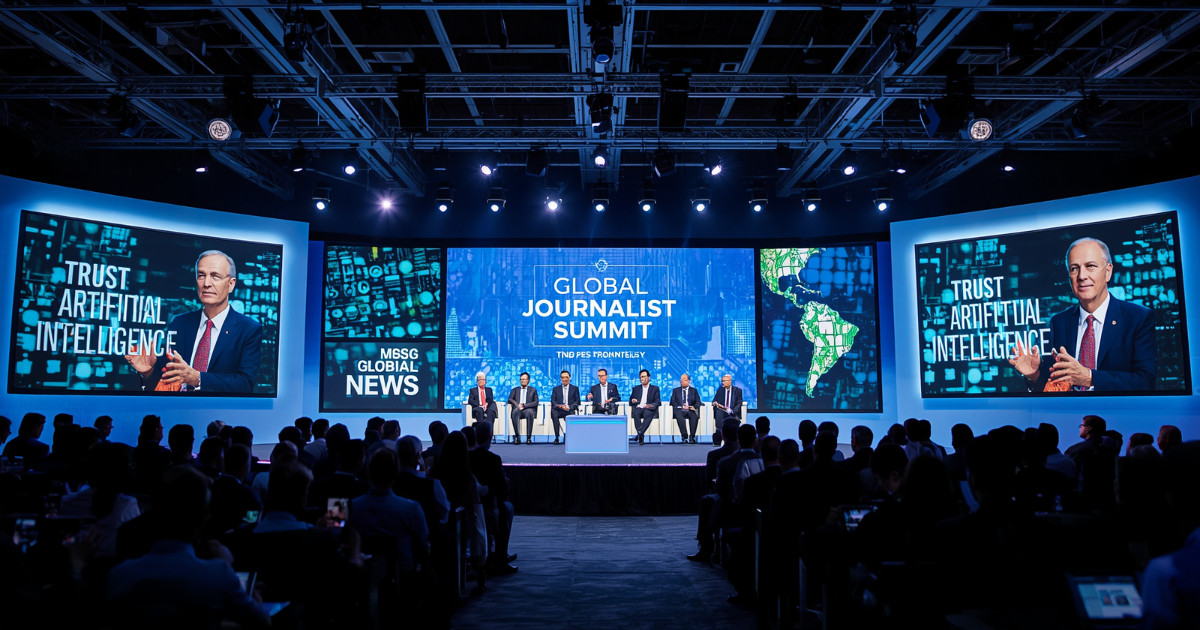
PHOTO: AI-generated; for illustrative purposes.
Key Points
- Internal AP messages suggested many editors prefer AI-written articles.
- AP senior product manager Aimee Rinehart described a workflow using reporters to gather quotes and LLMs to draft copy.
- Several AP journalists reacted with alarm, calling the remarks dismissive of human writing.
- The debate raises concerns about editorial standards and the future role of reporters.
- The exchange was shared with Semafor and has sparked an internal newsroom dispute.
Key Questions & Answers
What prompted the dispute?
Internal messages from AP senior product manager Aimee Rinehart suggesting some editors would prefer AI-written articles were shared publicly and prompted debate.
What workflow was proposed?
Rinehart outlined a process in which reporters gather quotes and feed them into a large language model to generate draft articles.
How did AP journalists react?
Many journalists expressed alarm and described the comments as dismissive of human reporting and writing.
Where did the internal messages surface?
The messages were shared with media outlet Semafor, drawing wider attention to the internal debate.
Relevant Topics
Ask AI: Understand this story your way
AI EnabledDig deeper, ask anything — get instant context, background, and clarity.
Disclaimer: This feature is powered by AI and is intended to help readers explore and understand news stories more easily. While we strive for accuracy, AI-generated responses may occasionally be incomplete or reflect limitations in the underlying model. This feature does not represent the editorial views of JournalismPakistan. For our full, verified reporting, please refer to the original article.